Is Red Light Therapy Safe? Expert Insights on Eye Safety
Red light therapy has emerged as one of the most popular wellness trends in recent years, with millions of people using devices ranging from handheld panels to full-body light therapy systems. The appeal is understandable—proponents claim benefits for skin health, muscle recovery, wound healing, and even cognitive function. However, as with any health intervention gaining mainstream attention, important questions arise about safety, particularly regarding eye exposure and long-term effects.
The eyes are among the most sensitive organs in the human body, and any light-based therapy warrants careful examination. While red light therapy shows promise in clinical research, understanding the mechanisms of action, safe exposure parameters, and potential risks is essential for anyone considering this treatment. This comprehensive guide explores what experts know about red light therapy safety, the evidence supporting its use, and critical guidelines for protecting your eyes during treatment.
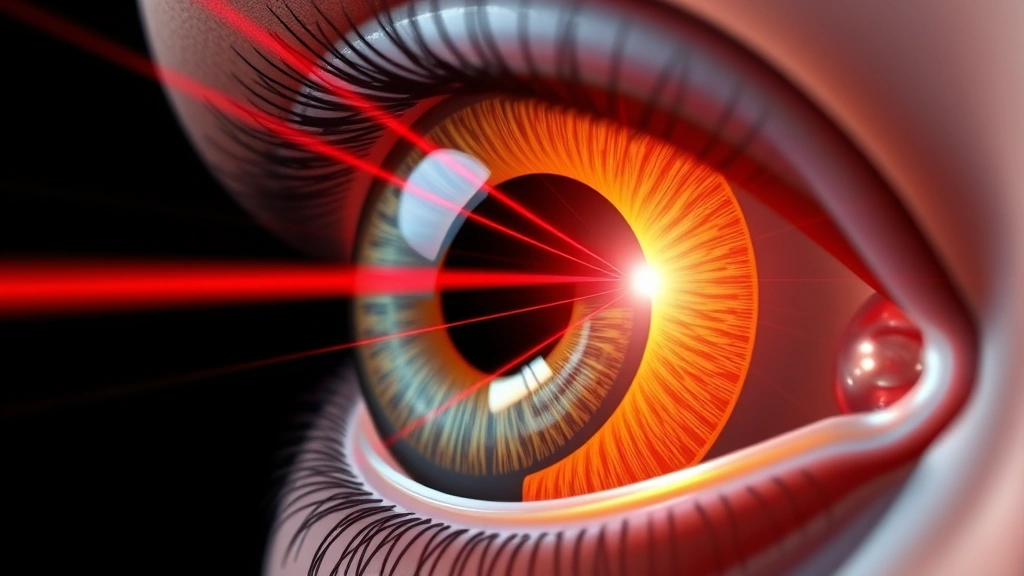
Understanding Red Light Therapy and How It Works
Red light therapy, also known as photobiomodulation (PBM), involves exposure to red and near-infrared light wavelengths, typically ranging from 600 to 1000 nanometers. Unlike ultraviolet (UV) light, which damages DNA and causes sunburn, red and near-infrared light penetrate deeper into tissue without causing immediate photochemical damage to skin or eyes.
The therapeutic mechanism centers on mitochondrial function. When red light photons reach cells, they interact with cytochrome c oxidase, an enzyme in the mitochondrial electron transport chain. This interaction stimulates the production of adenosine triphosphate (ATP), the cellular energy currency. Enhanced ATP production theoretically improves cellular function, reduces inflammation, and accelerates healing processes.
Research published by the National Institutes of Health has documented these mechanisms in various tissues. The wavelengths used in red light therapy are specifically chosen because they penetrate tissue effectively while remaining non-ionizing—meaning they cannot damage DNA directly like UV radiation.
The Science Behind Red Light and Eye Health
The eye’s response to red light differs significantly from its response to other light wavelengths. The retina contains specialized photoreceptor cells called cones and rods that are most sensitive to specific wavelengths. Red light (600-700 nm) has relatively low sensitivity for the visual photoreceptors, meaning the eye perceives red light as dimmer than blue or green light at equivalent intensities.
This characteristic is actually protective. Research from Nature Scientific Reports indicates that red light therapy at therapeutic wavelengths and appropriate intensities does not cause phototoxic damage to the retina. The photons lack sufficient energy to cause ionization, and they do not generate harmful reactive oxygen species at standard therapeutic doses.
However, the eye is not uniformly insensitive to red light. The retinal pigment epithelium (RPE), a crucial layer supporting photoreceptor health, can absorb red light. At very high intensities, this absorption could theoretically cause thermal damage or oxidative stress. This is why intensity and duration parameters matter considerably.
Studies examining red light therapy eye protection demonstrate that when devices operate within established safety parameters, ocular exposure presents minimal risk. A key consideration involves understanding the difference between therapeutic exposure and accidental overexposure.
Potential Risks and Safety Concerns
While red light therapy appears safe at therapeutic doses, several potential concerns warrant discussion. The primary risks involve:
- Thermal damage: High-intensity red light can generate heat. If devices deliver excessive power density, localized heating could theoretically damage sensitive ocular tissues, particularly the lens and retina.
- Phototoxicity: Although red light is non-ionizing, extremely high intensities could generate oxidative stress in the retinal pigment epithelium.
- Retinal heating: The retina lacks pain receptors, meaning thermal damage could occur without warning sensations.
- Chronic exposure effects: Long-term safety data remains limited for some newer devices, particularly regarding cumulative exposure over years.
- Individual variability: People with certain eye conditions, medications affecting light sensitivity, or genetic predispositions may face elevated risks.
For individuals considering red light therapy as part of a broader wellness strategy—perhaps alongside physical therapy education or clinical practice—understanding these risks enables informed decision-making.
Recent discussions in the Science Translational Medicine journal have highlighted the importance of standardized safety protocols, particularly as commercial devices proliferate without consistent regulatory oversight.
Expert Guidelines for Safe Use
Leading organizations including the American Academy of Ophthalmology and various international photobiology societies have established guidelines for safe red light therapy use:
- Wavelength selection: Therapeutic devices should operate between 600-1000 nm. Wavelengths below 600 nm (blue light) carry greater phototoxicity risk.
- Power density limits: Safe exposure typically involves power densities below 100 mW/cm², with most therapeutic applications using 10-50 mW/cm².
- Duration restrictions: Session lengths should typically not exceed 20-30 minutes, with adequate recovery time between sessions.
- Distance maintenance: Devices should be used at manufacturer-recommended distances to ensure appropriate irradiance levels.
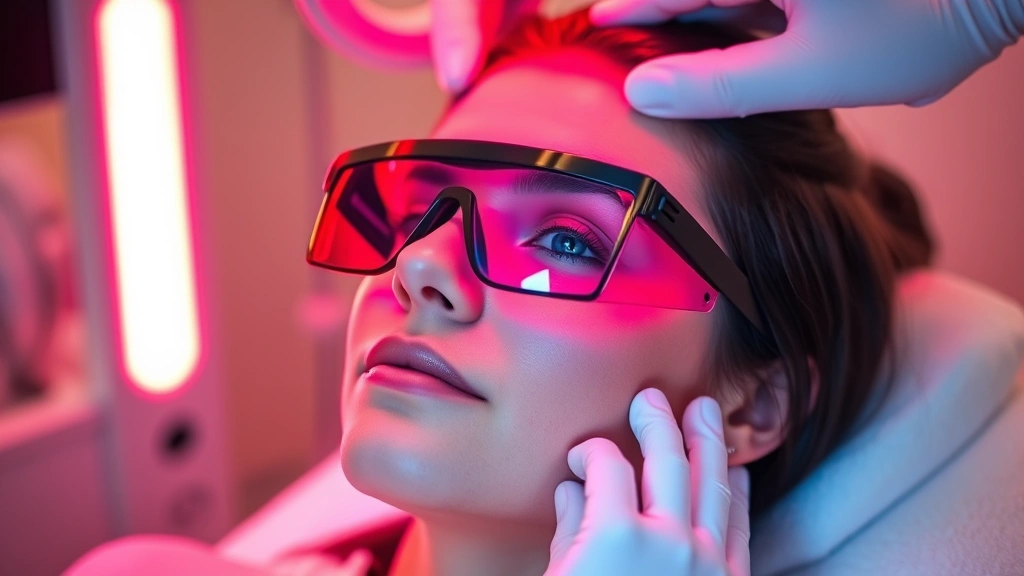
- Eye protection: When treating facial areas, appropriate eye protection (goggles blocking red light wavelengths) should be worn unless the device is specifically designed for periocular use.
- Frequency limitations: Daily use should not exceed once per day for most applications, with some protocols recommending 3-5 sessions weekly.
Professionals in occupational therapy online programs and clinical settings increasingly incorporate red light therapy, making adherence to these guidelines essential for safe patient care.
The FDA has approved certain red light therapy devices for specific indications, including wound healing and pain management. Devices bearing FDA clearance have undergone safety testing, though the clearance process differs from full approval and does not guarantee comprehensive long-term safety data.
Red Light Therapy for Eye Conditions
Interestingly, red light therapy shows therapeutic promise for certain eye conditions, which might seem paradoxical given safety discussions. Research suggests potential benefits for:
- Age-related macular degeneration (AMD): Some studies indicate red light exposure may slow AMD progression by supporting retinal pigment epithelium function.
- Diabetic retinopathy: Photobiomodulation may reduce inflammation and improve mitochondrial function in diabetic eyes.
- Dry eye syndrome: Red light may stimulate tear production and reduce inflammatory markers.
- Myopia progression: Emerging evidence suggests red light exposure might slow myopia development in children.
These applications differ fundamentally from using red light therapy for general wellness on facial areas. Therapeutic use for eye disease involves specialized protocols, careful patient selection, and professional oversight. If considering red light therapy for an existing eye condition, consulting an ophthalmologist is essential.
Comparing Red Light to Other Light Therapies
Understanding how red light therapy compares to other light-based treatments clarifies its safety profile. Blue light therapy, used for seasonal affective disorder and acne, operates at shorter wavelengths (400-495 nm) with greater phototoxicity risk. UV light therapy, while effective for psoriasis and vitiligo, carries well-documented carcinogenic and phototoxic risks.
Near-infrared light (700-1000 nm), often used alongside red light in combination devices, penetrates even deeper than red light but similarly avoids ionizing radiation. The combination of red and near-infrared wavelengths offers broader tissue penetration while maintaining the safety profile of non-ionizing radiation.
For those exploring therapeutic interventions comprehensively—whether through speech therapy online programs, physical rehabilitation, or wellness optimization—red light therapy occupies a relatively safe position within the light therapy spectrum when used appropriately.
Device Selection and Quality Standards
The red light therapy market includes devices ranging from inexpensive panels to professional-grade systems costing thousands of dollars. Quality and safety vary considerably. Key considerations when selecting devices include:
Certification and testing: Look for devices with independent testing documentation, FDA clearance (when applicable), or certification from recognized photobiology organizations. Reputable manufacturers provide detailed specifications including wavelength, power output, and irradiance measurements.
Wavelength verification: Devices should specify exact wavelengths. True therapeutic red light typically clusters around 630-680 nm and 700-850 nm for near-infrared. Devices claiming to work across broad spectra may not deliver therapeutic wavelengths effectively.
Power output documentation: Legitimate devices provide measured power output in watts and power density in mW/cm². This information allows users to calculate safe exposure parameters.
Build quality: Professional devices typically feature better heat dissipation, more consistent light distribution, and longer operational lifespans than budget alternatives.
Manufacturer transparency: Reputable companies provide published research, safety data, and clear usage guidelines. They respond to safety inquiries and maintain updated information about their products.
For healthcare professionals—including those pursuing masters in physical therapy or physical therapy assistant certification—selecting appropriate devices for clinical use requires careful evaluation of these factors.
The American Academy of Ophthalmology maintains resources on light-based therapies, including guidance on device evaluation and safe clinical implementation.
FAQ
Can red light therapy damage your eyes if used daily?
Daily use of red light therapy is generally safe when devices operate within established parameters and appropriate safety precautions are followed. However, daily use should not exceed recommended session durations (typically 20-30 minutes), and adequate recovery time between sessions supports optimal safety. Some protocols recommend limiting use to 3-5 times weekly rather than daily. Always consult device guidelines and consider professional guidance before establishing a daily routine.
Is near-infrared light therapy safe for eyes?
Near-infrared light (700-1000 nm) is non-ionizing and does not damage DNA directly. At therapeutic power densities, it appears safe for eyes. However, near-infrared penetrates deeper than red light, potentially reaching the retina more substantially. Safety precautions—including appropriate goggles when treating facial areas and adherence to intensity and duration limits—remain important. Devices should come with documented safety testing and clear usage parameters.
What wavelengths are safest for red light therapy?
Wavelengths between 630-680 nm (red) and 700-850 nm (near-infrared) are considered safest for therapeutic use. These wavelengths penetrate tissue effectively while remaining non-ionizing. Wavelengths below 600 nm approach blue light, which carries greater phototoxicity risk. Wavelengths above 1000 nm become increasingly absorbed as heat rather than driving photobiomodulation. Quality devices specify their exact wavelengths rather than claiming broad-spectrum benefits.
Should I wear eye protection during red light therapy?
Eye protection is advisable when using red light therapy on facial areas unless the device is specifically designed for periocular or ocular use. Protective goggles should block red light wavelengths (typically 600-1000 nm) while allowing safe visible light transmission. For devices designed for whole-body exposure or non-facial applications, eye protection may not be necessary. Always follow manufacturer recommendations regarding eye protection for your specific device.
How does red light therapy compare to other light therapies for safety?
Red light therapy is generally considered safer than blue light therapy (which has greater phototoxicity potential) or UV therapy (which carries carcinogenic risks and well-documented phototoxic effects). Red light’s non-ionizing nature and lower phototoxicity at therapeutic doses provide a favorable safety profile compared to shorter-wavelength light therapies. However, safety depends on device quality, power output, and adherence to usage guidelines regardless of wavelength.
Can people with eye diseases use red light therapy safely?
This question requires individualized assessment by an ophthalmologist. While red light therapy shows therapeutic promise for certain conditions (AMD, diabetic retinopathy, myopia), it may be contraindicated for others. People with retinal detachment, severe cataracts, or light-sensitive conditions may face elevated risks. Professional guidance ensures appropriate device selection, protocols, and monitoring when using red light therapy for eye conditions.