
How Does Mindfulness Aid PTSD? Expert Insights
Post-traumatic stress disorder (PTSD) affects millions of individuals worldwide, creating profound challenges in daily functioning, emotional regulation, and quality of life. Traditional therapeutic approaches have long been the cornerstone of treatment, but emerging research increasingly demonstrates that mindfulness-based interventions offer a powerful complementary and sometimes standalone approach to managing PTSD symptoms. This comprehensive guide explores the scientific evidence behind mindfulness for PTSD, examining how these ancient practices interact with modern neuroscience to facilitate healing.
Mindfulness, defined as the practice of bringing non-judgmental awareness to present-moment experiences, has revolutionized how mental health professionals approach trauma recovery. Unlike conventional talk therapy alone, mindfulness engages different neural pathways and helps individuals develop a fundamentally different relationship with traumatic memories. Understanding this connection can help both patients and practitioners recognize why mindfulness has become increasingly integrated into trauma-informed care settings, rehabilitation facilities, and therapeutic programs.
Understanding PTSD and the Nervous System
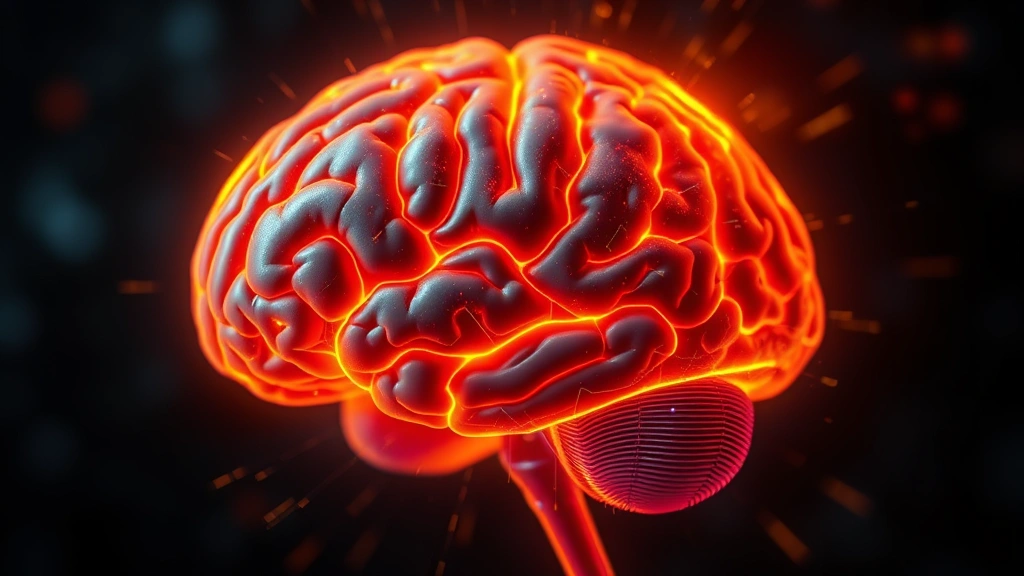
Post-traumatic stress disorder represents a complex neurobiological condition where the brain’s threat-detection system becomes hyperactive following exposure to traumatic events. When individuals experience trauma, their amygdala (the brain’s fear center) becomes sensitized, while the prefrontal cortex (responsible for rational thinking and emotional regulation) becomes underactive. This neurological imbalance creates a state where the nervous system remains in constant fight-flight-freeze mode, even when no actual danger exists.
The sympathetic nervous system, which initiates stress responses, becomes chronically activated in PTSD sufferers. This persistent activation manifests as hypervigilance, intrusive memories, emotional numbness, and avoidance behaviors. Individuals struggling with PTSD often experience flashbacks where the brain treats past traumatic memories as present-day threats, triggering full physiological stress responses including increased heart rate, rapid breathing, and muscle tension.
Understanding this neurological foundation is crucial for appreciating how mindfulness interventions work. Rather than attempting to eliminate traumatic memories—an impossible and potentially counterproductive goal—mindfulness helps retrain the nervous system’s response patterns. This retraining process involves developing the ability to observe thoughts and sensations without automatically triggering the fight-flight-freeze response.
The Neuroscience of Mindfulness in Trauma Recovery
Recent neuroscientific research has illuminated the mechanisms through which mindfulness alleviates PTSD symptoms. Studies published in peer-reviewed journals demonstrate that consistent mindfulness practice increases gray matter density in the prefrontal cortex and hippocampus—brain regions essential for emotional regulation and memory processing. This structural brain change correlates directly with improved PTSD symptom reduction.
When individuals practice mindfulness meditation, they activate the parasympathetic nervous system, which counteracts the hyperarousal characteristic of PTSD. This activation promotes the vagus nerve’s function, essentially signaling safety to the brain and body. Over time, repeated activation of the parasympathetic system through mindfulness practice helps recalibrate the nervous system’s baseline state, reducing overall hypervigilance and reactivity.
The anterior cingulate cortex, a brain region involved in attention regulation and emotional processing, shows increased activation during mindfulness practice. This enhanced activation allows individuals to observe traumatic thoughts and memories with greater psychological distance, a process known as decentering. Rather than becoming overwhelmed by intrusive memories, practitioners develop the capacity to witness these experiences as transient mental events rather than absolute truths or present dangers.
Mindfulness also influences the default mode network (DMN), a brain system associated with self-referential thinking and rumination. PTSD often involves excessive DMN activity, where individuals become trapped in repetitive thought patterns about past trauma. Mindfulness practice reduces DMN hyperactivity, interrupting the rumination cycles that perpetuate PTSD symptoms and emotional distress.
Additionally, research from the American Psychological Association shows that mindfulness reduces amygdala reactivity—the brain’s threat-detection center becomes less reactive to trauma-related triggers. This neurological shift translates to reduced startle responses, fewer flashbacks, and decreased anxiety when encountering reminders of past trauma.
Evidence-Based Mindfulness Techniques for PTSD
Several specific mindfulness-based interventions have demonstrated efficacy in clinical trials for PTSD treatment. Mindfulness-Based Stress Reduction (MBSR), an eight-week program developed at the University of Massachusetts Medical School, has shown significant effectiveness in reducing PTSD symptoms. MBSR combines body scan meditation, sitting meditation, and mindful movement to cultivate present-moment awareness and nervous system regulation.
Body scan meditation represents a particularly valuable technique for trauma survivors. This practice involves systematically bringing awareness through different body regions, noticing sensations without judgment. For PTSD sufferers who experience dissociation or disconnection from their bodies, body scans facilitate gentle reconnection with bodily sensations, helping individuals develop a sense of safety within their physical form. This interoceptive awareness—the ability to perceive internal bodily states—proves crucial for nervous system healing.
Mindfulness-Based Cognitive Therapy (MBCT), originally developed for depression relapse prevention, has been adapted for trauma survivors. This approach combines mindfulness meditation with cognitive therapy principles, helping individuals recognize how traumatic thoughts trigger emotional and physical reactions. By observing these thought-emotion-sensation patterns through a mindful lens, individuals gain freedom from automatic trauma responses.
Trauma-Sensitive Mindfulness represents a specialized approach developed specifically for trauma survivors. Standard mindfulness instructions emphasizing internal focus can inadvertently trigger dissociation or flashbacks in trauma survivors. Trauma-sensitive adaptations include offering choices about eyes-open versus eyes-closed practice, emphasizing agency and control, and providing explicit grounding techniques. This modification ensures mindfulness becomes a healing tool rather than an inadvertent trigger.
Loving-kindness meditation (metta), which cultivates compassion toward oneself and others, shows particular promise for PTSD sufferers experiencing shame or self-blame. Many trauma survivors internalize their trauma, developing harsh self-judgment and guilt. Loving-kindness practice systematically develops self-compassion and extends compassion to others, directly counteracting the shame and isolation common in PTSD.
Mindfulness in Professional Therapeutic Settings
Mental health professionals increasingly integrate mindfulness into comprehensive PTSD treatment protocols. Licensed therapists, psychologists, and counselors recognize that mindfulness addresses neurobiological aspects of trauma that traditional talk therapy alone may not fully access. Many practitioners combine therapy resources and evidence-based approaches with mindfulness instruction to create integrated treatment plans.
Veterans’ hospitals and military mental health programs have become leaders in implementing mindfulness-based PTSD treatment. The U.S. Department of Veterans Affairs has designated Mindfulness-Based Stress Reduction as an evidence-based treatment for PTSD, reflecting the substantial research supporting its effectiveness for this population. Military-affiliated PTSD sufferers often respond exceptionally well to mindfulness, possibly because the practices’ emphasis on present-moment awareness directly counteracts the hypervigilance and time-distortion characteristic of combat trauma.
Trauma-informed care principles emphasize that therapeutic settings must feel physically and psychologically safe. Mental health professionals trained in trauma-sensitive mindfulness create environments where individuals can practice these techniques without triggering additional distress. This might involve adjusting room lighting, providing grounding objects, or offering modifications that allow practitioners to feel in control throughout sessions.
Professional practitioners also recognize that mindfulness works synergistically with other evidence-based PTSD treatments. Cognitive Processing Therapy (CPT) and Prolonged Exposure (PE) therapy, the gold-standard treatments for PTSD, can be enhanced when combined with mindfulness. Mindfulness helps individuals tolerate the emotional intensity that arises during exposure-based therapies, while simultaneously developing nervous system regulation skills that support long-term recovery.
Integration with Recreational Therapy and Wellness Programs
Recreational therapy represents an increasingly recognized field where mindfulness-based interventions prove valuable for PTSD management. Professionals pursuing physical therapy assistant certification and other rehabilitation credentials are learning to incorporate mindfulness into movement-based therapies. Recreational therapists use mindful movement, outdoor activities, and experiential practices to facilitate trauma recovery while promoting overall wellness.
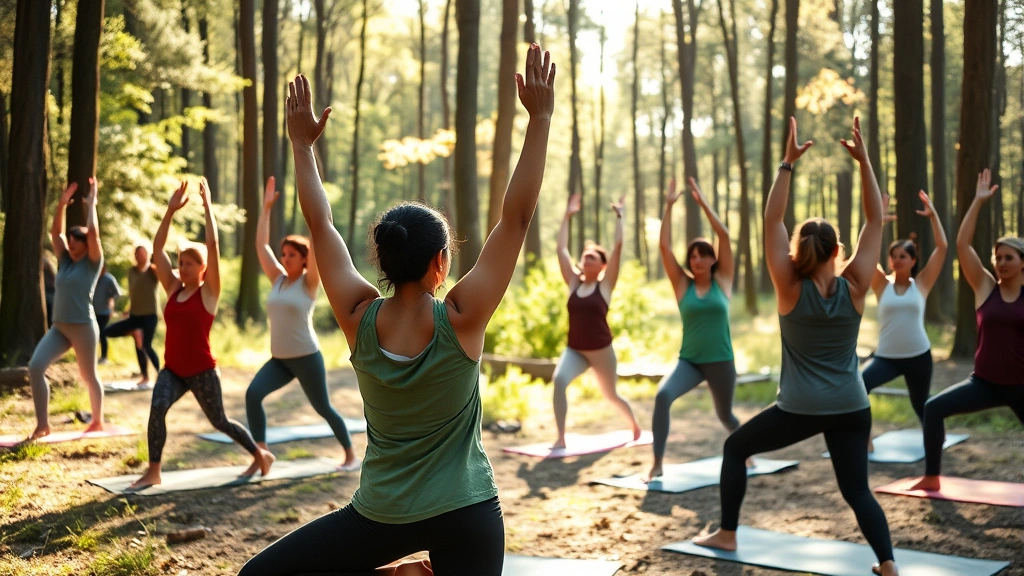
Mindful yoga, which combines physical postures with breath awareness and present-moment attention, offers particular benefits for trauma survivors. Unlike standard exercise, mindful yoga emphasizes interoceptive awareness—noticing bodily sensations without judgment. For PTSD sufferers who experience dissociation or disconnection from their bodies, this practice facilitates gentle reconnection and nervous system regulation. Research demonstrates that trauma-informed yoga reduces PTSD symptoms comparable to other evidence-based treatments.
Outdoor mindfulness practices, such as mindful hiking or nature-based meditation, leverage the additional benefits of natural environments. Exposure to nature reduces stress hormone levels and promotes parasympathetic nervous system activation. When combined with formal mindfulness practice, outdoor activities create powerful opportunities for nervous system healing and reconnection with activities individuals may have avoided due to PTSD.
Recreational therapy jobs increasingly emphasize mindfulness competency as employers recognize its therapeutic value. Professionals in these roles facilitate group mindfulness sessions, lead mindful movement classes, and help individuals integrate mindfulness into leisure activities. This integration makes healing practices accessible and sustainable, as individuals learn to incorporate mindfulness into enjoyable activities rather than viewing it as a separate clinical intervention.
Art therapy and expressive therapies combined with mindfulness principles help trauma survivors process and integrate traumatic experiences. Mindful creative expression—whether through painting, music, dance, or writing—allows individuals to access and process trauma memories in non-verbal ways while maintaining the observational, non-judgmental awareness that characterizes mindfulness.
Practical Implementation and Daily Practice
Developing a sustainable mindfulness practice requires understanding how to begin and maintain consistent engagement. Most experts recommend starting with brief sessions—even five to ten minutes daily produces measurable benefits. Consistency matters more than duration; daily practice, even for short periods, creates more significant neurological changes than occasional longer sessions.
Beginners benefit from guided meditations, available through apps, online platforms, and recordings. These guided practices provide structure and reduce decision-making demands, making it easier to maintain consistency. As practitioners develop familiarity with mindfulness, they can increasingly practice independently, though many continue benefiting from occasional guided sessions.
Establishing a dedicated practice space, even a small corner with a comfortable cushion or chair, signals to the brain that this time is reserved for healing. Consistency in location and time helps condition the nervous system to shift into a parasympathetic state more readily. Over time, simply sitting in this space can trigger the relaxation response.
For individuals with significant PTSD symptoms, working with trained professionals ensures practices remain trauma-sensitive and appropriately paced. Attempting advanced mindfulness practices without proper guidance can overwhelm the nervous system and trigger flashbacks. Professional guidance ensures individuals progress at sustainable rates while developing skills to manage any distressing experiences that arise.
Integrating informal mindfulness into daily activities extends benefits beyond formal meditation sessions. Mindful eating—bringing full attention to taste, texture, and sensations while consuming food—develops present-moment awareness during routine activities. Mindful walking, where attention focuses on the sensations of feet contacting the ground, similarly builds awareness throughout the day.
Accountability and community support enhance long-term adherence to mindfulness practice. Group meditation classes, online communities, or accountability partnerships provide motivation and normalize the practice. Many individuals find that practicing with others creates a sense of shared healing and reduces isolation common in PTSD.
Tracking progress through symptom monitoring helps maintain motivation and demonstrates mindfulness’s effectiveness. Many individuals notice improvements in sleep quality, reduced startle responses, decreased intrusive thoughts, and improved emotional regulation within weeks of consistent practice. These tangible improvements reinforce commitment to continued practice.
Professionals working in therapeutic settings, including those pursuing online occupational therapy programs, learn how to help clients overcome common obstacles to mindfulness practice. Restlessness, difficulty concentrating, or emotional discomfort during meditation are normal, especially for trauma survivors, and require patient guidance rather than abandonment of practice.
FAQ
How quickly does mindfulness reduce PTSD symptoms?
Individual timelines vary significantly, but research shows measurable symptom reduction within 4-8 weeks of consistent daily practice. Some individuals notice improvements in sleep quality and anxiety within days, while deeper changes in trauma processing typically require 8-12 weeks of regular engagement. Consistency matters more than duration; daily 10-minute sessions produce better results than occasional longer sessions.
Can mindfulness replace traditional PTSD therapy?
Mindfulness works optimally when integrated with evidence-based therapies like Cognitive Processing Therapy or Prolonged Exposure therapy rather than replacing them. While mindfulness alone can reduce symptoms, the combination of mindfulness with trauma-focused therapy produces superior outcomes. Consulting with qualified mental health professionals ensures comprehensive treatment planning.
Is mindfulness safe for all trauma survivors?
While generally safe, mindfulness requires trauma-sensitive adaptations for PTSD sufferers. Standard mindfulness instructions emphasizing internal focus can trigger dissociation or flashbacks in some individuals. Working with trauma-informed practitioners who understand these risks and offer appropriate modifications ensures safe, effective practice. Individuals should avoid attempting advanced practices without professional guidance.
What’s the difference between mindfulness and relaxation techniques?
While both reduce stress, mindfulness and relaxation differ fundamentally. Relaxation aims to achieve a calm state by avoiding or escaping discomfort. Mindfulness involves observing all experiences—including discomfort—with non-judgmental awareness. For PTSD, mindfulness’s approach of approaching rather than avoiding difficult experiences proves more effective for long-term healing.
Can children and adolescents benefit from mindfulness for PTSD?
Yes, research demonstrates mindfulness effectiveness for young trauma survivors. Age-appropriate adaptations, shorter practice durations, and engaging formats like mindful movement or creative expression help youth develop these skills. Parents and caregivers benefit from learning mindfulness themselves, creating family-wide nervous system regulation.
How does mindfulness relate to recreational therapy careers?
Professionals pursuing speech therapy online programs and other rehabilitation disciplines increasingly integrate mindfulness competencies. Those interested in physical therapy schools online or masters degrees in physical therapy will encounter mindfulness-based interventions in contemporary practice. Recreational therapy jobs now frequently require understanding how mindfulness enhances therapeutic outcomes across rehabilitation settings.