Radiology Therapy Schools: Top Programs Ranked
Radiology therapy, also known as radiation therapy or radiotherapy, represents one of the most critical specialties in modern cancer treatment and medical imaging. Students pursuing careers in this field require specialized education from accredited radiology therapy schools that combine theoretical knowledge with hands-on clinical experience. The demand for qualified radiation therapists continues to grow as healthcare systems expand their oncology departments and invest in advanced treatment technologies.
Choosing the right radiology therapy school is a pivotal decision that will shape your career trajectory, earning potential, and professional opportunities. This comprehensive guide examines the top-ranked programs across the United States, highlighting their unique features, accreditation status, curriculum strengths, and graduate outcomes. Whether you’re interested in pursuing an associate degree, bachelor’s degree, or advanced certification, understanding what distinguishes exceptional programs from standard offerings is essential.
The field of radiation therapy has evolved dramatically over the past decade, with innovations in intensity-modulated radiation therapy (IMRT), image-guided radiation therapy (IGRT), and stereotactic body radiation therapy (SBRT) creating new opportunities for skilled professionals. Quality educational institutions ensure their students master these cutting-edge technologies while developing the clinical judgment and patient care skills necessary for success.
Understanding Radiation Therapy Education
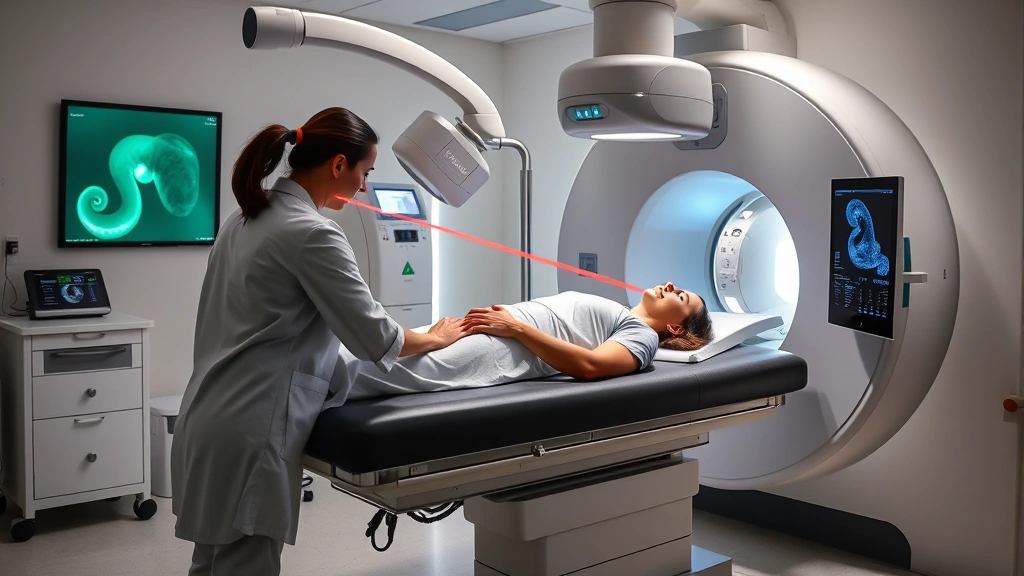
Radiation therapy education prepares students to deliver precise doses of ionizing radiation to destroy cancer cells while minimizing exposure to healthy tissue. Programs accredited by the American Registry of Radiologic Technologists (ARRT) establish rigorous standards for curriculum development, clinical training, and student competency assessment. Most entry-level positions require at minimum an associate degree from an accredited institution, though many facilities increasingly prefer candidates with bachelor’s degrees.
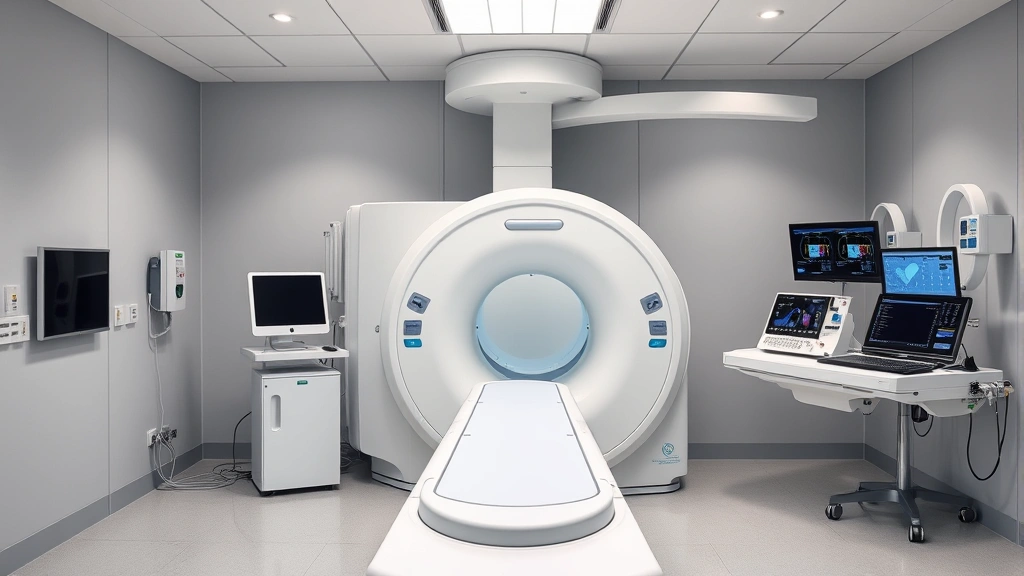
The typical radiation therapy program combines classroom instruction in radiation physics, radiobiology, treatment planning, and patient care with extensive clinical rotations in hospital settings. Students learn to operate sophisticated linear accelerators, position patients using advanced imaging systems, and maintain meticulous treatment records. The curriculum also emphasizes the psychological and emotional aspects of working with cancer patients, recognizing that radiation therapists play a vital supportive role throughout the treatment process.
Unlike related fields such as physical therapy programs in California, radiation therapy focuses specifically on medical imaging and therapeutic radiation. However, all healthcare professions share common ground in patient-centered care and evidence-based practice. Understanding the educational pathways in related fields can provide valuable context for your career planning.
Accreditation Standards and Requirements
Accreditation serves as the primary quality assurance mechanism for radiology therapy schools. The Joint Review Committee on Education in Radiologic Technology (JRCERT) evaluates programs based on comprehensive standards addressing institutional support, program administration, curriculum content, faculty qualifications, clinical education, and student outcomes. Only graduates from JRCERT-accredited programs are eligible to sit for the ARRT certification examination.
Beyond institutional accreditation, individual programs may hold additional recognitions from state regulatory boards and professional organizations. Some states require licensure for radiation therapists, while others rely on ARRT certification as the primary credential. Before enrolling in any program, verify that it holds current JRCERT accreditation and meets your state’s specific requirements.
Accreditation standards mandate minimum clinical contact hours, typically ranging from 1,000 to 1,500 hours depending on the degree level. These hours must be distributed across multiple treatment sites and disease types to ensure students develop broad competency. Faculty members must maintain current licenses and certifications, and continuing education requirements ensure they stay abreast of technological advances and best practices.
Students exploring education in related healthcare fields might also consider occupational therapy online programs or physical therapy assistant programs online to understand how different disciplines structure their accreditation and educational requirements.
Top-Ranked Associate Degree Programs
Associate degree programs typically require two years of full-time study and represent the most common entry point into the radiation therapy profession. These programs provide comprehensive education in radiation physics, anatomy, pathology, treatment planning, and clinical practice while remaining more affordable than bachelor’s degree options.
University of Arkansas for Medical Sciences operates one of the nation’s premier radiation therapy programs, consistently ranking among the top institutions for graduate outcomes and board certification rates. The program benefits from strong partnerships with regional medical centers, providing students with diverse clinical experiences and networking opportunities that often translate into job offers upon graduation.
Duke University offers an exceptional associate degree program embedded within a comprehensive medical sciences education framework. Students benefit from access to world-class faculty conducting radiation therapy research and exposure to state-of-the-art treatment technologies including proton therapy systems. The program’s location in a major medical research hub provides unparalleled clinical training opportunities.
University of Florida maintains a highly competitive radiation therapy program with exceptional board certification pass rates exceeding 95 percent. The curriculum emphasizes evidence-based practice and incorporates cutting-edge technologies such as volumetric-modulated arc therapy (VMAT) and adaptive radiation therapy. Strong alumni networks facilitate career placement in competitive markets.
University of Kentucky delivers a well-structured associate degree program with particular strength in treating diverse patient populations and complex cancer cases. The program’s clinical affiliations span multiple hospitals and specialty centers, exposing students to rare malignancies and advanced treatment approaches.
Midwestern University (Arizona) provides comprehensive radiation therapy education with emphasis on interprofessional collaboration. Students interact regularly with medical students, nursing students, and other healthcare professionals, developing the collaborative skills essential for modern cancer care teams.
Leading Bachelor’s Degree Programs
Bachelor’s degree programs in radiation therapy typically require four years of study and increasingly represent the preferred credential in competitive job markets. These programs build upon foundational radiation therapy education with advanced coursework in physics, research methodology, leadership, and specialized treatment modalities.
University of Wisconsin-Madison offers an outstanding four-year bachelor’s degree program that integrates radiation therapy education with broader scientific and professional development. The program emphasizes research participation, with many students presenting findings at national conferences and contributing to peer-reviewed publications.
Thomas Jefferson University (Pennsylvania) delivers a rigorous bachelor’s program known for exceptional faculty mentorship and research opportunities. Students engage in scholarly projects addressing current challenges in radiation oncology, developing critical thinking skills that enhance their professional value.
University of New Mexico provides a comprehensive bachelor’s degree program with particular strength in serving diverse patient populations and rural healthcare settings. The curriculum emphasizes cultural competency and healthcare equity, preparing graduates to work effectively with underserved communities.
Virginia Commonwealth University operates a highly respected program combining clinical excellence with strong academic rigor. The program’s location in a major medical center provides access to cutting-edge treatment technologies and opportunities to learn from leading radiation oncologists and physicists.
University of Nevada, Las Vegas offers a bachelor’s degree program with emphasis on advanced treatment planning and quality assurance. The program’s partnerships with leading cancer centers facilitate student exposure to emerging treatment modalities and specialized clinical applications.
Advanced Certification and Specialization
Beyond entry-level credentials, radiation therapists can pursue specialized certifications in areas such as brachytherapy, stereotactic radiosurgery, and positron emission tomography (PET). These advanced qualifications enhance earning potential and career opportunities while allowing professionals to develop expertise in high-demand specialties.
Many universities offer graduate certificates and master’s degree programs designed for practicing radiation therapists seeking advancement. These programs typically require one to two years of study and focus on advanced clinical applications, research methodology, and professional leadership. Some institutions, such as masters in physical therapy programs, demonstrate how healthcare professions structure graduate education to build on entry-level credentials.
The American Society for Radiation Oncology (ASTRO) and the ARRT recognize various specialty certifications that validate advanced competency. Pursuing these credentials demonstrates commitment to professional excellence and often results in increased compensation and career mobility.
Program Costs and Financial Aid
Radiation therapy program costs vary significantly based on institution type, location, and degree level. Associate degree programs at public institutions typically cost $15,000 to $35,000 for the complete program, while bachelor’s degrees range from $40,000 to $120,000. Private institutions generally charge substantially more, though they may offer enhanced financial aid packages.
Most radiology therapy schools participate in federal financial aid programs, including grants, loans, and work-study opportunities. Completing the Free Application for Federal Student Aid (FAFSA) is essential for accessing these resources. Many schools also offer institutional scholarships specifically for radiation therapy students, often based on academic merit or financial need.
Professional organizations and charitable foundations frequently sponsor scholarships for radiation therapy students. The American Foundation for Radiation Oncology (AFRO) and the Radiation Oncology Institute provide funding opportunities for qualified applicants. Researching these resources can significantly reduce out-of-pocket educational costs.
Upon graduation, many radiation therapists pursue loan forgiveness programs through public service or healthcare shortage area initiatives. These programs can substantially reduce the financial burden of educational debt while providing valuable service to underserved communities.
Career Outcomes and Job Placement
Radiation therapy graduates enjoy strong employment prospects, with the Bureau of Labor Statistics projecting 5 percent job growth through 2032. Board certification through the ARRT is essential for most positions and typically requires passing rigorous examinations covering radiation protection, clinical practice, and treatment planning.
Top-ranked programs consistently report job placement rates exceeding 90 percent within six months of graduation. Many employers actively recruit from well-regarded schools, with hospital recruiters attending graduation events and conducting on-campus interviews. Building relationships with clinical preceptors during your education often leads to employment opportunities.
Earning potential varies by geographic location, facility type, and experience level. Entry-level radiation therapists earn median salaries around $66,000 annually, with experienced professionals in major metropolitan areas earning $90,000 or more. Specialization in high-demand areas such as brachytherapy or stereotactic radiosurgery can command premium compensation.
Career advancement opportunities include supervisory positions, clinical instructor roles, and medical physics specialization. Some radiation therapists transition into related fields such as speech therapy online programs or other healthcare specialties, leveraging their clinical experience and educational foundation.
Choosing Your Program
Selecting the right radiology therapy school requires careful consideration of multiple factors beyond rankings. Evaluate program accreditation status, ensuring JRCERT recognition and state licensure eligibility. Research board certification pass rates, which typically exceed 85 percent at top-ranked programs but can vary significantly.
Consider program location and clinical affiliations carefully. Programs with partnerships at major academic medical centers and specialized cancer institutes provide superior clinical training opportunities. Visit campuses when possible, observing classroom facilities and speaking with current students about their experiences.
Assess program flexibility, particularly regarding clinical scheduling and prerequisite requirements. Some programs offer accelerated formats or evening classes, accommodating working students. Others require specific prerequisites or maintain competitive admission standards requiring strong prerequisite grades.
Review employment outcomes from recent graduates, asking schools for specific data regarding job placement rates, starting salaries, and geographic distribution of graduates. Strong programs maintain active alumni networks that facilitate career development and professional advancement.
Connect with MindLift Daily Blog resources exploring healthcare education pathways and professional development strategies. Understanding how your radiation therapy education fits within broader healthcare career planning enhances long-term success.
FAQ
What is the difference between radiation therapy and radiography?
Radiation therapists deliver therapeutic doses of radiation to treat cancer, while radiographers produce diagnostic images using lower radiation doses. These are distinct professions requiring different educational pathways and certifications. Radiation therapy focuses on treatment delivery and patient care during cancer therapy, while radiography emphasizes imaging technique and diagnostic quality.
How long does it take to become a certified radiation therapist?
Associate degree programs typically require two years of full-time study, while bachelor’s degree programs require four years. After graduation, students must pass ARRT certification examinations. Most students complete all requirements and achieve certification within 2-4 years from program start.
Do I need prerequisite courses before applying to radiation therapy programs?
Yes, most programs require prerequisites including biology, chemistry, physics, and mathematics. Specific requirements vary by institution, but typically include at least one semester each of college-level biology and chemistry. Some programs require medical terminology and anatomy courses as well.
What is the job outlook for radiation therapists?
The Bureau of Labor Statistics projects 5 percent job growth for radiation therapists through 2032, which is consistent with average occupational growth. Demand is particularly strong in metropolitan areas and regions with major cancer treatment centers. Specialization in advanced treatment modalities enhances job security and earning potential.
Can I work as a radiation therapist without certification?
Certification requirements vary by state. Some states require ARRT certification for all practicing radiation therapists, while others permit practice without certification but offer significant salary premiums and better opportunities for certified professionals. Most employers strongly prefer or require ARRT certification.
What are the best specializations for radiation therapists?
High-demand specializations include brachytherapy, stereotactic radiosurgery, image-guided radiation therapy (IGRT), and proton therapy. These specializations require additional training and certification but offer enhanced earning potential and career opportunities. Pursuing specialty credentials after gaining entry-level experience is the typical pathway.