Can Red Light Therapy Heal Cold Sores? Expert Insights
Cold sores are painful, unsightly lesions caused by the herpes simplex virus (HSV-1) that affect millions of people annually. These fluid-filled blisters typically appear on the lips or surrounding skin and can take 7-10 days to heal completely. The search for effective treatments has led many to explore alternative therapies, including red light therapy for cold sores. This emerging approach uses specific wavelengths of light to potentially accelerate healing and reduce pain, but does the science support these claims?
In this comprehensive guide, we examine the evidence behind red light therapy as a cold sore treatment, explore the mechanisms of action, and discuss how it compares to conventional medical approaches. Whether you’re seeking relief from recurrent outbreaks or simply curious about this innovative therapy, understanding the research will help you make informed decisions about your oral health.
Understanding Cold Sores and HSV-1
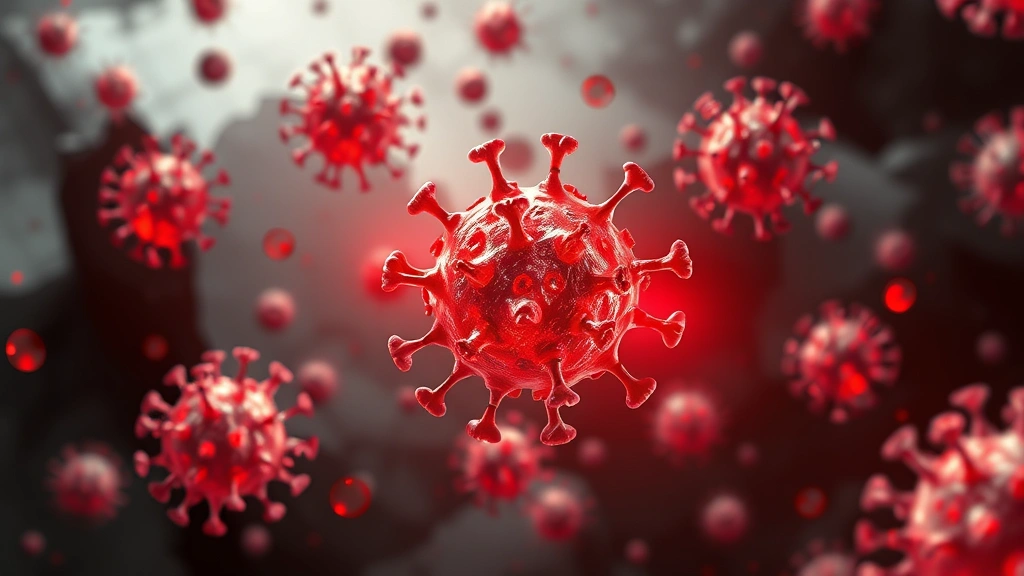
Cold sores develop when the herpes simplex virus type 1 (HSV-1) reactivates in nerve cells near the lips and mouth. While approximately 67% of the global population carries HSV-1, not everyone experiences recurrent outbreaks. The virus remains dormant in nerve tissue and can be triggered by stress, immune suppression, fever, menstruation, or direct trauma to the skin.
The typical cold sore progression follows a predictable pattern: tingling or itching (prodromal phase), blistering (vesicular phase), ulceration (erosion phase), crusting, and finally healing. During the active phase, the virus replicates rapidly, causing inflammation, pain, and the characteristic fluid-filled lesions. Traditional treatments focus on antiviral medications like acyclovir or valacyclovir, which can reduce healing time by 1-2 days if applied early. However, many people seek complementary approaches to enhance healing and manage symptoms more naturally.
The herpes virus’s ability to hide in nerve cells makes complete eradication impossible with current medical technology. This is why managing outbreaks and supporting the body’s natural healing mechanisms has become increasingly important in comprehensive cold sore treatment strategies. Exploring various wellness approaches can help patients find multi-faceted solutions.
How Red Light Therapy Works
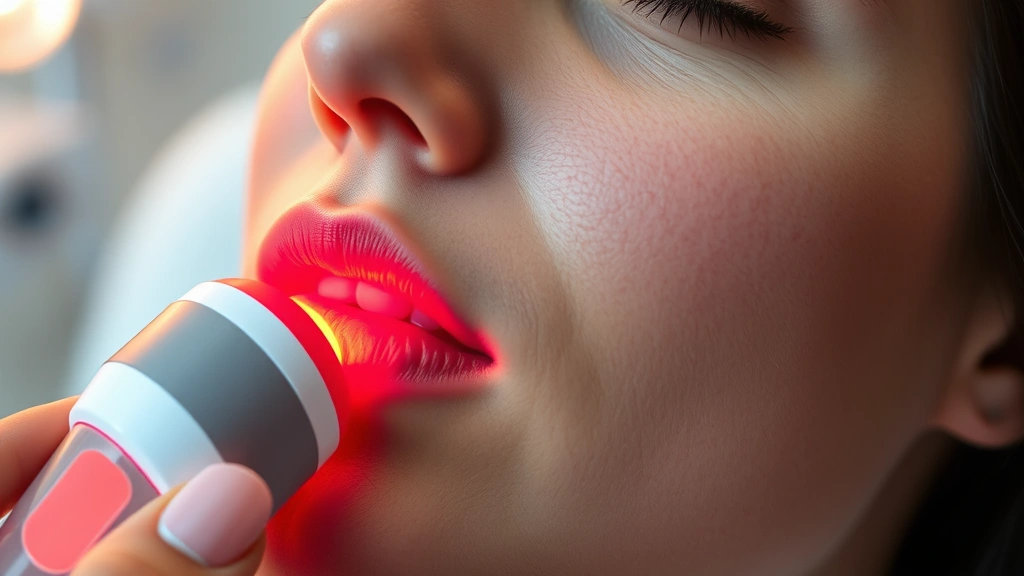
Red light therapy, also known as photobiomodulation or low-level light therapy (LLLT), uses specific wavelengths of red and near-infrared light (typically 600-1000 nanometers) to stimulate cellular processes. When these photons penetrate the skin, they interact with mitochondrial chromophore cytochrome c oxidase in the electron transport chain, enhancing ATP (adenosine triphosphate) production.
This increased cellular energy has several downstream effects relevant to cold sore healing:
- Enhanced mitochondrial function: More ATP means cells have greater energy for repair and regeneration processes
- Reduced inflammation: Red light therapy modulates inflammatory cytokines, potentially decreasing pain and swelling
- Increased blood flow: Improved microcirculation delivers more oxygen and nutrients to affected tissues
- Antiviral properties: Some research suggests specific wavelengths may directly inhibit viral replication
- Collagen synthesis: Enhanced production of structural proteins supports tissue repair
- Immune modulation: Stimulation of immune cells may help combat the HSV-1 infection
Unlike pharmaceutical antivirals that directly target viral proteins, red light therapy works by optimizing the body’s inherent healing capacity. This mechanism makes it potentially useful as either a standalone treatment or complementary approach alongside conventional therapies. The non-invasive nature and lack of systemic absorption make it particularly attractive for oral applications.
Understanding how different therapeutic modalities work is crucial. If you’re interested in exploring other therapeutic approaches, learning about physical therapy applications can provide broader context for light-based treatments.
Scientific Evidence for Cold Sore Treatment
The scientific literature on red light therapy for herpes simplex lesions remains limited but increasingly promising. Several studies have investigated photobiomodulation’s effects on HSV-1 and oral lesions with encouraging results.
A PubMed search reveals multiple studies examining light therapy’s antiviral properties. Research published in the Journal of Clinical and Experimental Dentistry found that laser therapy (a specific form of light therapy) significantly reduced healing time for herpes labialis lesions compared to placebo. Patients treated with 670-nanometer wavelength light showed faster epithelialization and reduced pain scores.
Another study in Photomedicine and Laser Surgery demonstrated that photobiomodulation stimulated immune responses against HSV-1 in vitro, with increased production of interferons and T-cell activation. These findings suggest the mechanism extends beyond simple energy production to active immune system engagement.
However, it’s important to note that most studies involve relatively small sample sizes, and research specifically on commercial red light therapy devices for cold sores remains scarce. Most evidence comes from clinical laser studies using controlled, standardized wavelengths and power outputs. The heterogeneity of red light therapy devices available commercially makes direct clinical application of research findings challenging.
Meta-analyses on photobiomodulation for oral health conditions, published in NIH research databases, indicate that while results are encouraging, more rigorous, large-scale randomized controlled trials are needed to establish definitive protocols and efficacy standards for cold sore treatment specifically.
Wavelengths and Treatment Parameters
The effectiveness of red light therapy depends critically on specific parameters including wavelength, power density, treatment duration, and frequency. Not all red light devices are created equal, and using appropriate parameters is essential for potential therapeutic benefit.
Optimal wavelengths for cold sores:
- Red light range (600-700 nm): Better tissue penetration for superficial lesions; 630-670 nm appears most beneficial
- Near-infrared range (700-1000 nm): Greater penetration depth; 810-850 nm shows promise for deeper tissue effects
- Combined wavelengths: Many clinical studies use dual-wavelength systems for synergistic effects
Research suggests power density (irradiance) between 10-50 mW/cm² produces optimal results, with treatment durations typically ranging from 30 seconds to 5 minutes per session. Frequency varies from single treatments to daily applications over 3-7 days, depending on the study protocol and device specifications.
The concept of a “therapeutic window” is critical in photobiomodulation research. Too little light may produce insufficient cellular stimulation, while excessive light can paradoxically reduce effectiveness through photoinhibition. This biphasic dose-response relationship means that more treatment isn’t necessarily better.
When considering light therapy devices, examining manufacturer specifications for wavelength output, power density, and beam characteristics is essential. Devices should ideally provide documentation of their optical parameters and, ideally, clinical validation data.
Comparing Red Light to Other Treatments
Understanding how red light therapy compares to established cold sore treatments helps contextualize its potential role in comprehensive management strategies.
Antiviral medications (acyclovir, valacyclovir, famciclovir): These remain the gold standard for cold sore treatment, particularly when applied during the prodromal phase. They can reduce healing time by 1-2 days and decrease viral shedding. However, they require systemic absorption, may cause side effects, and some patients experience resistance with repeated use. Exploring complementary approaches like red light therapy offers an alternative or adjunctive option.
Topical antivirals (acyclovir cream, penciclovir cream): These provide localized treatment with minimal systemic absorption. They’re less effective than oral antivirals but convenient for mild cases. Red light therapy could potentially enhance their effects through complementary mechanisms.
Lysine supplementation: Some evidence suggests L-lysine may reduce outbreak frequency and severity, though results are mixed. Unlike antivirals, lysine works preventatively rather than acutely.
Zinc-based treatments: Topical zinc shows modest benefits when applied early, with some reduction in lesion duration. The mechanism differs from red light therapy’s photobiomodulation approach.
Natural remedies (honey, lemon balm, essential oils): These offer antimicrobial and anti-inflammatory properties but lack robust clinical validation comparable to pharmaceutical interventions. Red light therapy bridges the gap between natural approaches and evidence-based medicine.
Combination approaches: The most promising strategy may involve combining red light therapy with established treatments. For example, applying red light therapy while using topical antivirals could theoretically enhance healing through complementary mechanisms—viral suppression plus cellular energy optimization.
Safety and Side Effects
Red light therapy stands out among cold sore treatments for its exceptional safety profile. Unlike systemic antivirals that can cause headaches, nausea, or kidney stress, or topical treatments that may cause irritation, red light therapy poses minimal risk when used appropriately.
Documented side effects are rare and typically include:
- Temporary erythema: Mild redness at the treatment site, usually resolving within hours
- Headache: Occasionally reported with high-intensity facial treatments, more common with infrared wavelengths
- Eye strain: Can occur if red light directly reaches the eyes without protection; proper eye safety is essential
- Increased sensitivity: Some individuals with photosensitivity conditions may experience reactions
Contraindications are minimal. Individuals with thyroid conditions should avoid direct thyroid exposure with high-intensity devices. Those taking photosensitizing medications (certain antibiotics, NSAIDs, antidepressants) should consult healthcare providers before treatment. Pregnant women should use caution, though no significant risks have been documented.
The non-invasiveness and systemic safety of red light therapy make it particularly suitable for frequent users or those seeking to avoid pharmaceutical interventions. However, this safety shouldn’t be confused with proven efficacy—more research is needed to establish definitive treatment protocols.
When exploring treatment options, it’s valuable to understand the broader spectrum of therapeutic interventions available. Understanding therapy costs and accessibility can help you make informed decisions about treatment investment.
Practical Application Guidelines
If you decide to try red light therapy for cold sores, following evidence-based protocols maximizes the potential for positive outcomes.
Treatment initiation timing: Begin therapy as early as possible—ideally during the prodromal phase when tingling first appears. Early intervention may prevent lesion formation entirely or significantly reduce severity. Once blisters have formed, red light therapy may still accelerate healing but proves less preventative.
Device selection: Choose devices specifically designed for oral or facial use. Handheld red light therapy devices or small panel systems work best for localized cold sore treatment. Look for specifications indicating:
- Wavelength range of 630-850 nanometers
- Power density documentation
- FDA clearance for therapeutic use (if applicable)
- Clinical validation data from manufacturers
Application protocol: Based on available research, a reasonable approach includes:
- Treatment frequency: Daily applications during active outbreak
- Duration: 30 seconds to 3 minutes per session depending on device power output
- Distance: Follow manufacturer recommendations, typically 1-4 inches from skin
- Duration of therapy: Continue for 3-7 days or until lesion healing is complete
Complementary approaches: Consider combining red light therapy with established treatments for optimal results:
- Apply topical antiviral cream before red light treatment
- Maintain excellent oral hygiene to prevent secondary bacterial infection
- Use sunscreen on healing lesions to prevent UV-induced reactivation
- Explore stress-reduction techniques to minimize recurrence triggers
- Consider preventive lysine supplementation if you experience frequent outbreaks
Documentation and tracking: Keep records of your treatment experience, including:
- Outbreak severity and duration
- Treatment initiation timing relative to symptom onset
- Red light therapy device specifications used
- Perceived effectiveness and any side effects
This personalized data helps determine whether red light therapy works for your specific situation and informs future treatment decisions.
FAQ
How long does it take red light therapy to heal a cold sore?
Based on available research, red light therapy may reduce healing time by 2-4 days when initiated early, with complete resolution typically occurring within 7-10 days of treatment initiation. Individual results vary significantly depending on outbreak severity, treatment initiation timing, and device specifications.
Can red light therapy prevent cold sore outbreaks?
While some research suggests red light therapy can boost immune function, its preventive efficacy remains unproven. It’s best viewed as an acute treatment tool rather than a prevention strategy. However, regular immune-supporting practices combined with red light therapy during prodromal phases may help.
Is red light therapy safe for children with cold sores?
Red light therapy is generally considered safe for children when proper eye protection is used and treatment parameters follow manufacturer guidelines. However, most commercial devices lack specific pediatric safety data. Consulting with a pediatrician before treating children is advisable.
Can I use red light therapy while taking antiviral medications?
Yes, red light therapy and antiviral medications work through different mechanisms and should theoretically complement each other. Combining approaches may produce superior results, though clinical studies specifically examining this combination are limited.
What’s the difference between red light therapy and laser therapy for cold sores?
Laser therapy uses highly coherent, focused light at specific wavelengths, typically delivered through clinical equipment with precisely controlled parameters. Red light therapy devices are generally less powerful and more diffuse. While laser therapy has more rigorous clinical validation for cold sore treatment, red light therapy offers greater accessibility and safety for home use.
How much does red light therapy treatment cost?
Home red light therapy devices range from $50 to $500+ depending on quality and specifications. Professional clinical treatments may cost $100-300 per session. When comparing costs, understanding typical therapy pricing provides perspective on overall treatment investment.
Are there any wavelengths I should avoid for cold sore treatment?
Avoid UV wavelengths (under 400 nm), as UV radiation can actually trigger HSV-1 reactivation. Stick to red (630-700 nm) and near-infrared (700-1000 nm) ranges, as these show therapeutic benefit without viral triggering effects.