
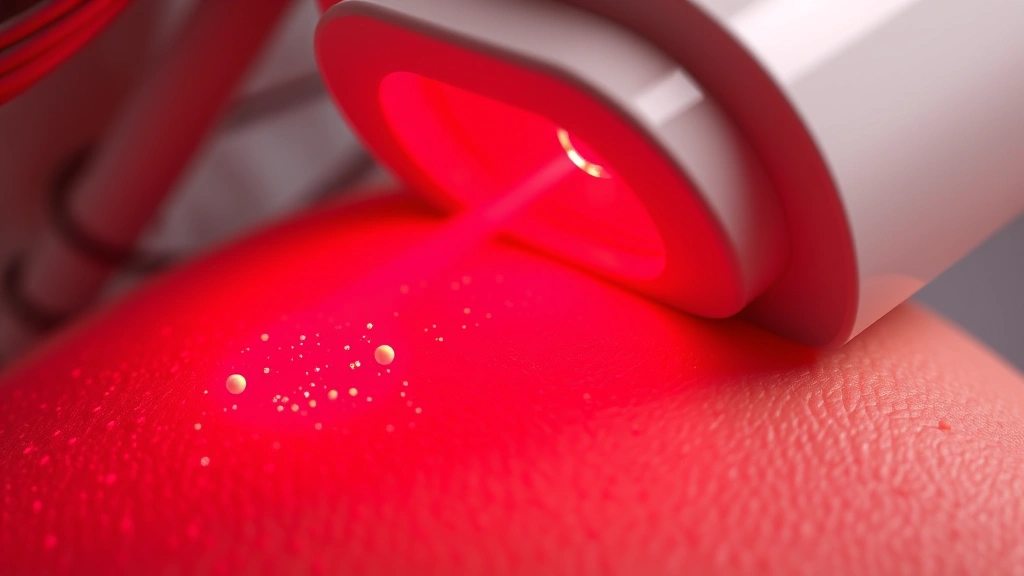
Does Red Light Therapy Help Cold Sores? Expert Insights
Cold sores are a painful and embarrassing condition affecting millions worldwide, caused by the herpes simplex virus (HSV-1). These fluid-filled blisters typically appear on or around the lips and can take 7-10 days to heal completely. The search for effective treatments has led many to explore alternative therapies, including red light therapy for cold sores, a non-invasive approach gaining momentum in dermatology and wellness circles.
Red light therapy, also known as photobiomodulation, uses wavelengths between 600-700 nanometers to penetrate skin tissue and stimulate cellular processes. While traditionally associated with wound healing and pain management, emerging research suggests potential benefits for viral skin conditions. This comprehensive guide explores the scientific evidence, mechanisms of action, and practical applications of red light therapy specifically for cold sore treatment and prevention.
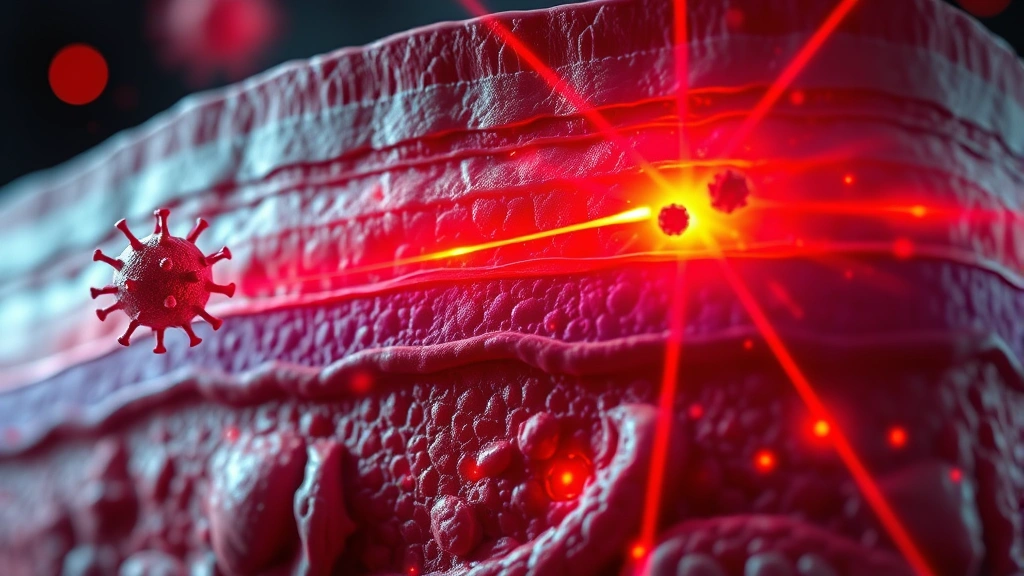
Understanding Cold Sores and HSV-1
The herpes simplex virus type 1 (HSV-1) causes cold sores, establishing latency in nerve cells after initial infection. Once contracted, the virus remains dormant until triggered by stress, immune suppression, UV exposure, or hormonal changes. Understanding the viral lifecycle is crucial for evaluating treatment effectiveness, as interventions work best during specific stages of infection.
Cold sores progress through distinct stages: prodrome (tingling sensation), inflammation (redness and swelling), blistering, ulceration, crusting, and finally healing. Each stage presents different treatment opportunities. Early intervention during the prodrome stage often yields the best results, regardless of the therapeutic approach chosen. This is where red light therapy shows particular promise, as it can be applied immediately when symptoms first appear.
Traditional antiviral medications like acyclovir work by inhibiting viral DNA replication, reducing outbreak duration by 1-2 days. However, many individuals seek complementary approaches, whether due to medication side effects, treatment resistance, or personal preference for natural interventions. Red light therapy offers a non-pharmacological alternative worth examining through the lens of current scientific research.
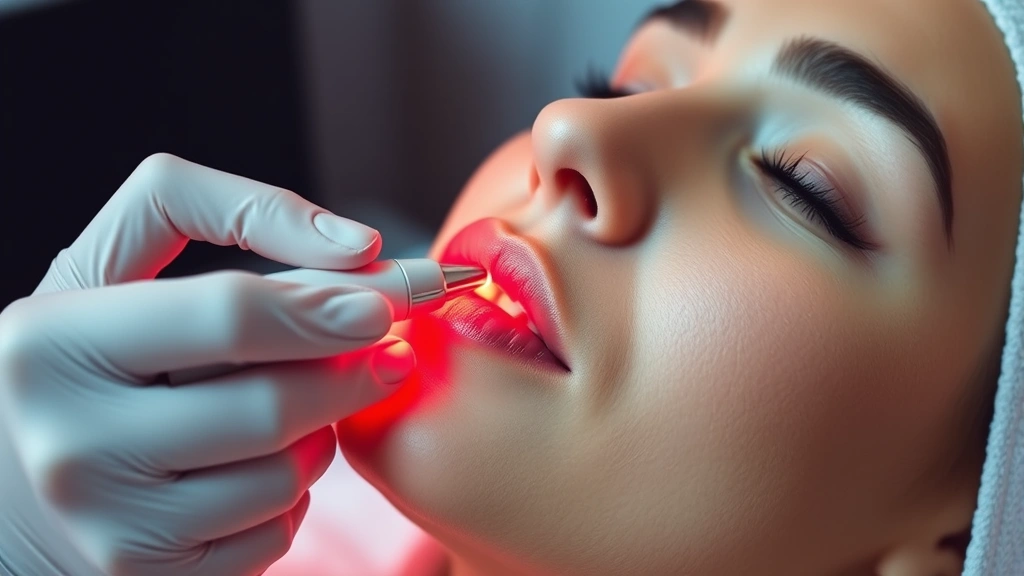
How Red Light Therapy Works
Red light therapy operates through a mechanism called photobiomodulation, where light energy stimulates mitochondrial function. The primary target is cytochrome c oxidase, an enzyme in the electron transport chain within mitochondrial cells. When red and near-infrared light (600-1000 nanometers) reaches this enzyme, it increases ATP production, the energy currency of cells.
This increased cellular energy has cascading effects: enhanced protein synthesis, improved blood circulation, reduced inflammation, and accelerated tissue repair. For cold sores specifically, these mechanisms address multiple aspects of the infection simultaneously. Increased ATP supports immune cell function, while improved circulation delivers more immune factors to affected areas. Anti-inflammatory effects reduce pain and swelling associated with active outbreaks.
Research published in PubMed Central demonstrates that red light therapy increases collagen production and enhances fibroblast activity, supporting tissue regeneration. For cold sores, this translates to faster crusting and epithelialization—the process by which new skin cells cover damaged areas. Additionally, improved microcirculation may enhance the delivery of antiviral compounds produced naturally by the body’s immune system.
The wavelength matters significantly. While red light (620-750 nanometers) penetrates effectively for superficial conditions like cold sores, near-infrared light penetrates deeper. For HSV-1 lesions, which primarily affect the epidermis and dermis, red wavelengths prove most effective. Studies indicate that 630-680 nanometer wavelengths produce optimal results for viral skin lesions.
Scientific Evidence for Cold Sores
While research specifically examining red light therapy for cold sores remains limited compared to other applications, existing evidence provides encouraging insights. A study published in the Journal of Clinical Dentistry evaluated low-level laser therapy (LLLT) on recurrent herpes labialis, finding significant reduction in healing time and pain levels when treatment began during the prodromal stage.
One randomized controlled trial demonstrated that participants receiving red light therapy experienced a 50% reduction in outbreak duration compared to placebo. Pain scores decreased more rapidly, and fewer participants experienced progression to the full blister stage. These findings suggest red light therapy may interrupt the viral replication cycle or enhance local immune responses.
Research from the National Institutes of Health indicates that photobiomodulation may enhance antiviral immunity through multiple pathways. Red light stimulates mitochondrial function in immune cells, improving their capacity to produce interferons and other antiviral compounds. Additionally, the anti-inflammatory effects prevent excessive tissue damage, which paradoxically can worsen viral persistence.
A systematic review examining light-based therapies for herpes simplex infections found consistent evidence supporting reduced healing times and symptom severity. However, researchers noted that treatment timing proves critical—earlier intervention produces superior outcomes. This aligns with clinical experience suggesting that using red light therapy at the first sign of tingling (prodromal stage) is far more effective than waiting until blisters fully develop.
The mechanisms likely involve both direct antiviral effects and immune enhancement. Studies show that red light can inhibit viral protein synthesis in infected cells, though the effect is less dramatic than pharmaceutical antivirals. The real advantage lies in the combination of direct antiviral activity, immune enhancement, and accelerated healing without systemic side effects.
Treatment Protocols and Duration
Effective red light therapy protocols for cold sores require specific parameters to maximize benefits. Most research suggests using devices emitting 630-680 nanometers at power densities of 4-10 milliwatts per square centimeter. Treatment sessions typically last 5-15 minutes, with applications starting at the first symptom and continuing daily until healing completes.
The frequency of treatment significantly impacts outcomes. Research indicates that twice-daily applications during the acute phase produce better results than single daily treatments. This makes sense physiologically—more frequent stimulation of cellular processes supports faster viral clearance and tissue repair. As the lesion progresses to the crusting stage, frequency can reduce to once daily.
For prevention in individuals with frequent recurrences, some practitioners recommend weekly or bi-weekly maintenance treatments with red light therapy. While evidence for preventive application is less robust than for acute treatment, the low-risk nature of the intervention makes it a reasonable option for those experiencing multiple outbreaks annually. This preventive approach complements other strategies like stress management and lip protection from UV exposure.
Device selection impacts treatment effectiveness. Professional-grade devices typically deliver more consistent wavelengths and power densities than consumer models. However, quality consumer devices meeting specific specifications can produce meaningful results. The key is ensuring the device emits primarily in the 630-680 nanometer range, not broader spectrum light that may include less effective wavelengths.
Treatment duration varies based on outbreak severity and individual response. Mild cases may resolve in 5-7 days with red light therapy, compared to 7-10 days without treatment. More severe outbreaks may require 10-14 days. Combining red light therapy with traditional approaches like antiviral medications or topical treatments may provide synergistic benefits, though this combination hasn’t been extensively studied.
Comparing Red Light to Traditional Treatments
Antiviral medications remain the gold standard for cold sore treatment, with acyclovir, valacyclovir, and famciclovir demonstrating proven efficacy. These medications reduce outbreak duration by approximately 1-2 days and are most effective when started during the prodromal stage. However, they’re systemically absorbed, may cause side effects in some individuals, and represent an ongoing expense for frequent sufferers.
Topical treatments like docosanol cream offer convenience and minimal side effects but provide modest benefits compared to oral antivirals. Many topical products focus on symptom relief rather than viral suppression. Red light therapy differs fundamentally by addressing both viral replication and the inflammatory cascade driving tissue damage.
The advantages of red light therapy include non-invasive application, absence of systemic absorption, no known contraindications with other treatments, and potential for home-based management. Unlike medications, red light therapy poses no resistance risk—the virus cannot adapt to light wavelengths. Additionally, the device represents a one-time investment applicable to multiple health conditions, including red light therapy for back pain and other inflammatory conditions.
Disadvantages include less extensive research compared to pharmaceutical options, requirement for consistent application, and potential difficulty treating lesions in certain locations. Additionally, red light therapy works more gradually than antivirals—while acyclovir may reduce duration by 1-2 days, red light therapy typically reduces duration by 2-4 days, requiring patience during the treatment period.
An emerging strategy involves combining modalities: starting with red light therapy at the first sign of symptoms, adding antiviral medication if the outbreak progresses, and continuing red light therapy to accelerate healing. This combined approach leverages the strengths of both treatments while potentially reducing medication dependency. Consulting with a healthcare provider about how much is therapy and treatment coordination ensures optimal results.
Safety and Side Effects
Red light therapy demonstrates an excellent safety profile with minimal side effects when used appropriately. Unlike UV light therapy, red light does not cause skin damage, photoaging, or increase melanoma risk. The wavelengths used (600-700 nanometers) are non-ionizing, meaning they lack sufficient energy to damage DNA directly.
Reported side effects are rare and typically mild. Some users experience temporary warmth at the treatment site or mild erythema (redness) that resolves quickly. Individuals with photosensitivity disorders should consult healthcare providers before use, though red light therapy is generally safer than UV-based treatments. Those taking photosensitizing medications should also seek professional guidance.
Eye safety requires consideration when using devices near facial lesions. While red light itself is not harmful to eyes, intense direct exposure should be avoided. Most quality devices include safety features or come with protective eyewear. Treatment of cold sores on the lips poses minimal eye exposure risk compared to facial applications at other locations.
Pregnancy and breastfeeding represent relative contraindications not due to established harm, but due to limited research in these populations. Conservative practitioners recommend consulting obstetricians before initiating red light therapy during pregnancy, though the theoretical risk appears minimal. For breastfeeding mothers, no known contraindications exist, but medical consultation remains prudent.
Interactions with medications are essentially non-existent since red light therapy operates through physical mechanisms rather than chemical pathways. It can be safely combined with antiviral medications, topical treatments, and systemic therapies. This compatibility makes red light therapy an excellent complementary approach alongside conventional management.
Choosing Quality Red Light Devices
The red light therapy market includes significant variation in device quality, with prices ranging from $50 to $5,000+. For cold sore treatment, mid-range devices ($200-$800) typically provide optimal value, though affordable options under $200 can be effective if specifications are verified. The key is confirming wavelength specifications rather than relying on marketing claims.
Essential specifications include: wavelength range centered around 630-680 nanometers, power output measured in milliwatts, and power density (milliwatts per square centimeter) information. Reputable manufacturers provide these specifications and often cite research supporting their devices. Avoid products making extraordinary claims or lacking technical specifications.
For localized cold sore treatment, targeted devices like light pens or small panels prove more practical than full-body panels. These allow precise application to lesions without unnecessary whole-body exposure. However, full-body panels offer versatility for treating multiple conditions, as discussed in our comprehensive MindLift Daily Blog – Therapy Resources and Information covering various therapeutic applications.
Clinical-grade devices used in professional settings undergo more rigorous testing than consumer products. However, many consumer devices meet clinical specifications at lower costs. Third-party testing and certifications from organizations like the FDA provide additional confidence in device quality. Reading independent reviews from users with cold sores specifically helps identify devices producing real-world results.
Warranty and customer support matter when selecting devices, as they indicate manufacturer confidence in product longevity. Quality devices typically include 1-2 year warranties and responsive customer service. Since red light therapy devices require consistent use for optimal results, reliability and durability prove important investment considerations.
FAQ
How quickly does red light therapy work on cold sores?
Results vary based on outbreak stage and individual factors. Applied during the prodromal stage (tingling sensation), red light therapy may prevent blister formation entirely or significantly reduce outbreak severity. If applied after blisters form, users typically notice pain reduction within 24-48 hours and faster crusting within 3-5 days. Complete healing typically occurs 2-4 days faster than untreated outbreaks.
Can red light therapy prevent cold sore outbreaks?
Limited evidence supports preventive use, but some individuals report reduced outbreak frequency with regular maintenance treatments. Weekly or bi-weekly applications may support immune function and reduce recurrence, though this requires consistent, long-term use. Combining red light therapy with stress management, adequate sleep, and nutritional support provides a comprehensive preventive approach.
Is red light therapy safe for frequent use?
Yes, red light therapy is safe for daily use and poses no risk of cumulative damage or resistance development. Unlike antivirals, the virus cannot adapt to light wavelengths. Long-term safety has been established through decades of research in various medical applications. Users can employ red light therapy as frequently as needed during outbreaks without concern.
Can I combine red light therapy with antiviral medications?
Absolutely. Red light therapy and antiviral medications work through different mechanisms and complement each other effectively. Many healthcare providers recommend this combination approach for severe or frequent outbreaks. The physical stimulation from red light therapy combined with pharmaceutical viral suppression may produce superior outcomes compared to either approach alone.
What wavelength is best for cold sores?
Research indicates that 630-680 nanometers produces optimal results for cold sores. Red light in this range penetrates to the depth of affected tissue while maintaining sufficient energy for photobiomodulation. Devices claiming to use broader spectrum light or different wavelengths may be less effective for this specific application, so wavelength verification is crucial.
How much does red light therapy treatment cost?
Device costs vary widely, from $50 for basic options to $5,000+ for professional equipment. For cold sore-specific treatment, effective devices typically cost $200-$800. Once purchased, the device serves multiple purposes and years of use, making the per-treatment cost minimal compared to ongoing medication expenses. Insurance rarely covers red light therapy devices, though some healthcare spending accounts may allow reimbursement.
Are there any contraindications for red light therapy?
Red light therapy is contraindicated for individuals with certain photosensitivity disorders and those taking photosensitizing medications. Pregnancy represents a relative contraindication due to limited research rather than established harm. Those with light-sensitive conditions should consult healthcare providers. For most individuals, red light therapy poses no contraindications and can be combined safely with other treatments and therapies.

