Does Red Light Therapy Work? Expert Insights and Scientific Evidence
Red light therapy has emerged as one of the most talked-about wellness trends in recent years, with gyms like Planet Fitness increasingly offering these devices to their members. But does the science actually support the hype? This comprehensive guide explores the evidence behind red light therapy, how it works, its potential benefits, and what you need to know before incorporating it into your fitness routine.
The popularity of red light therapy stems from decades of research suggesting that specific wavelengths of light can influence cellular function. Unlike many wellness fads, red light therapy has substantial scientific backing from peer-reviewed studies and clinical trials. However, understanding the nuances between proven benefits and marketing claims is essential for making informed decisions about whether this therapy is right for you.
What Is Red Light Therapy?
Red light therapy, also known as photobiomodulation or low-level light therapy (LLLT), involves exposing your body to red and near-infrared light wavelengths, typically between 600 to 1000 nanometers. These wavelengths penetrate the skin more effectively than visible light, reaching deeper tissues and muscles.
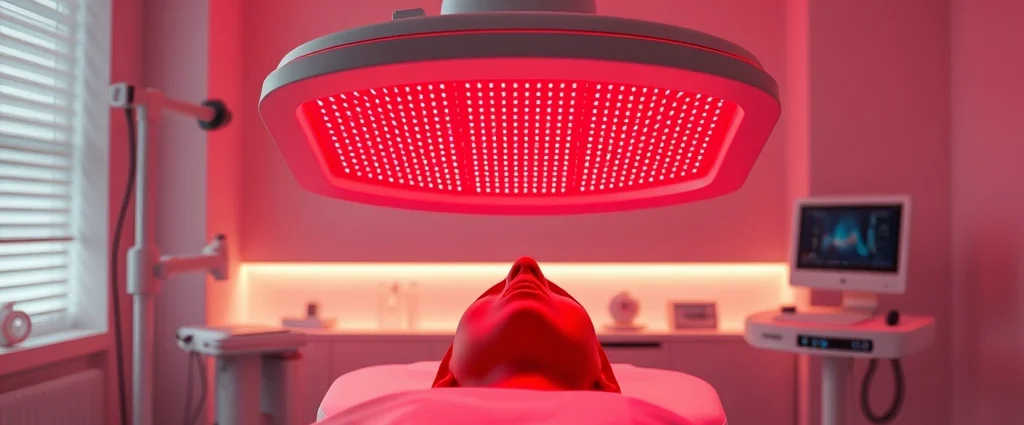
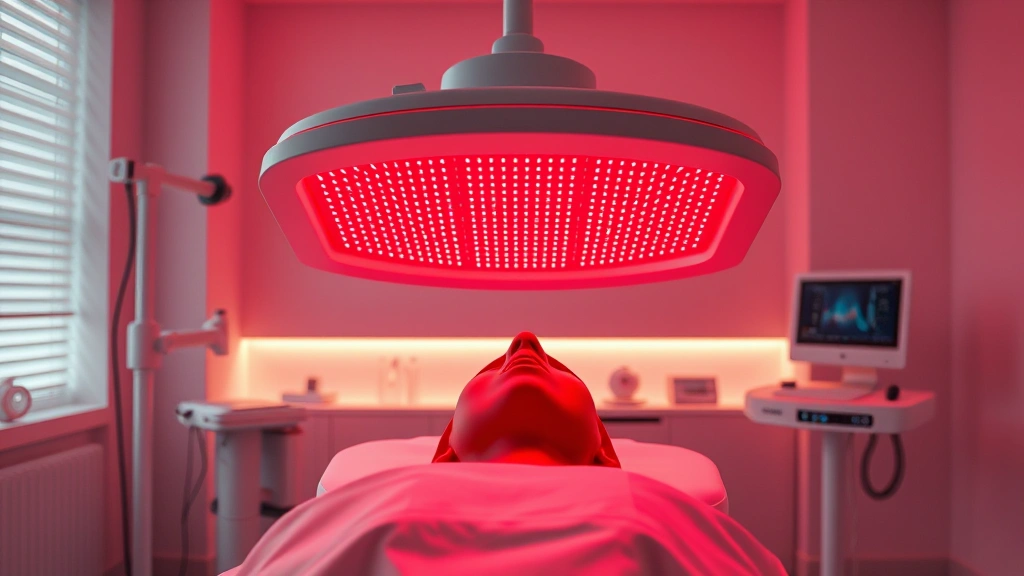
The therapy uses light-emitting diode (LED) devices or lasers to deliver concentrated light to specific areas of the body. Unlike ultraviolet (UV) light, which can damage skin, red light operates at wavelengths considered safe for prolonged exposure. Many fitness facilities, including Planet Fitness locations across the country, have invested in red light therapy beds and panels to provide members with access to this technology.
The devices vary significantly in quality, wavelength output, and intensity. Professional-grade equipment used in clinical settings differs substantially from consumer-grade devices available for home use. Understanding these differences is crucial when evaluating the effectiveness of red light therapy in different settings.
How Red Light Therapy Works
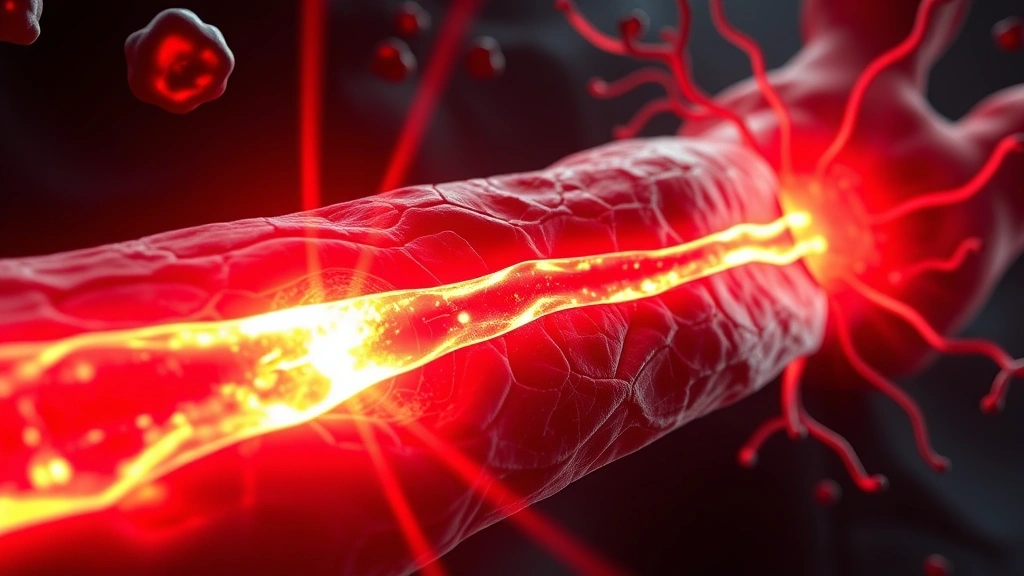
The mechanism behind red light therapy centers on a molecule called cytochrome c oxidase, found in the mitochondria of your cells. When red and near-infrared light wavelengths interact with this molecule, they stimulate the production of adenosine triphosphate (ATP), which is essentially cellular energy.
This increased ATP production can theoretically enhance cellular function, reduce inflammation, and improve recovery. The process occurs through the electron transport chain in mitochondria, making it a fundamental biological mechanism rather than pseudoscience. Physical therapy assistant programs increasingly incorporate knowledge about photobiomodulation in their curricula, reflecting the growing acceptance of this mechanism in rehabilitation.
Additionally, red light therapy may influence several biological pathways: increased blood flow to treated areas, enhanced collagen production, reduced reactive oxygen species (which cause cellular damage), and modulation of inflammatory cytokines. These mechanisms work synergistically to produce the reported therapeutic effects.
Scientific Research and Evidence
Research on red light therapy has grown substantially over the past two decades. A comprehensive review published in the Journal of Biomedical Optics examined hundreds of studies on photobiomodulation, finding consistent evidence supporting specific applications. PubMed, the National Library of Medicine’s database, contains over 4,000 peer-reviewed studies on photobiomodulation.
However, the quality and rigor of these studies vary considerably. Some research shows strong evidence, while other studies have methodological limitations like small sample sizes or lack of proper control groups. The NASA space program actually pioneered much of this research, studying red light therapy for muscle atrophy in astronauts during the 1990s.
Clinical trials have demonstrated efficacy for specific conditions, particularly in pain management and wound healing. A meta-analysis in Lasers in Medical Science found that photobiomodulation significantly reduced pain in patients with musculoskeletal conditions. These findings have led many rehabilitation professionals to recommend red light therapy as a complementary treatment.
Benefits Supported by Research
While red light therapy proponents claim it helps with everything from hair loss to cognitive function, the evidence is strongest for specific applications:
- Muscle Recovery and Performance: Multiple studies show that red light therapy can reduce exercise-induced muscle damage and accelerate recovery. Athletes using red light therapy report improved performance metrics, though individual results vary significantly.
- Pain Management: Research consistently demonstrates that photobiomodulation reduces pain in conditions like arthritis, tendinopathy, and general muscle soreness. The anti-inflammatory effects appear particularly pronounced.
- Wound Healing: Red light therapy has shown measurable improvements in tissue repair, with clinical applications in dermatology and post-surgical recovery. This benefit has the strongest scientific foundation.
- Skin Health: Studies indicate increased collagen production and improved skin texture with consistent red light exposure. However, results typically require multiple sessions over weeks or months.
- Inflammation Reduction: The modulation of inflammatory markers suggests potential benefits for various inflammatory conditions, though more research is needed for definitive claims.
The National Institutes of Health has published extensive reviews of photobiomodulation research, acknowledging both promising results and areas requiring further investigation.
Red Light Therapy at Planet Fitness
Planet Fitness has introduced red light therapy beds and panels in many of its locations as part of its expanded wellness offerings. These devices allow members to access red light therapy without purchasing expensive home equipment. The availability of red light therapy at Planet Fitness has democratized access to this technology for average fitness enthusiasts.
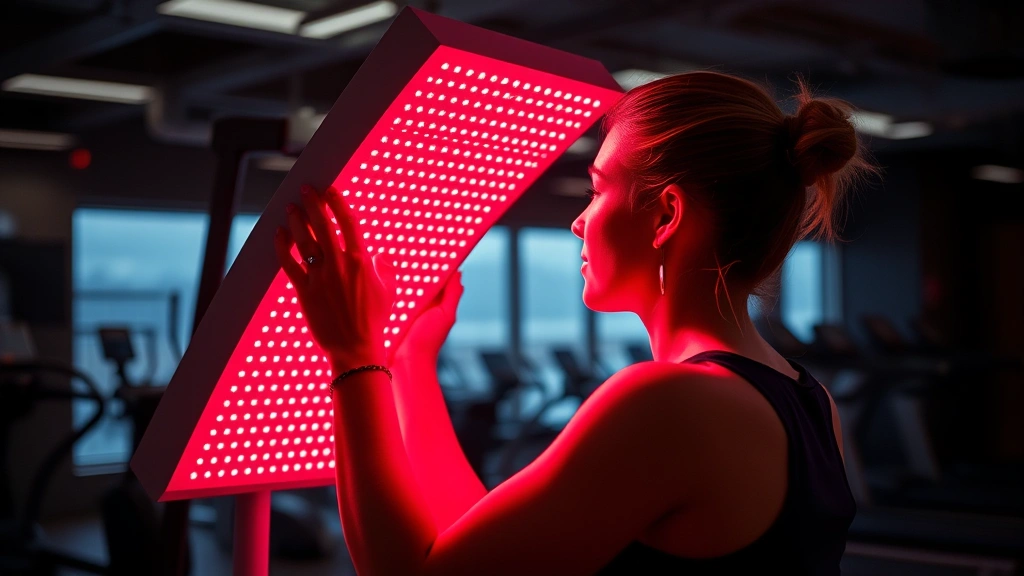
The typical Planet Fitness red light therapy setup involves either full-body beds where you lie down for 10-15 minutes or targeted panels for specific body areas. The wavelengths and intensity in commercial gym settings are generally designed for general wellness rather than clinical treatment, meaning results may differ from clinical-grade devices.
Using red light therapy at your gym requires minimal effort: simply schedule time in the device, similar to using tanning beds. Most facilities recommend 2-4 sessions per week for optimal results, though protocols vary. The convenience factor makes gym-based red light therapy appealing for those already committed to regular fitness routines.
When using these devices, consistency matters more than intensity. Regular exposure over weeks produces measurable results, while sporadic use is unlikely to generate noticeable benefits. Combining red light therapy with other recovery methods—like those taught in occupational therapy online programs—creates a comprehensive approach to wellness.
Potential Risks and Considerations
Red light therapy is generally considered safe with minimal side effects when used appropriately. However, several considerations warrant attention:
- Eye Safety: While red light itself isn’t harmful, direct exposure to intense light sources can strain eyes. Most commercial devices include eye protection, but following facility guidelines is important.
- Medication Interactions: Some medications increase photosensitivity. Discuss red light therapy with your healthcare provider if you take medications like certain antibiotics, anti-inflammatories, or photosensitizing supplements.
- Skin Conditions: Individuals with certain skin conditions or taking specific dermatological medications should consult professionals before using red light therapy, as it may exacerbate conditions or interact with treatments.
- Thyroid Concerns: While evidence is limited, some practitioners recommend caution with direct thyroid exposure, though this remains debated in the scientific community.
- Pregnancy: Limited research exists on red light therapy during pregnancy, so pregnant individuals should consult healthcare providers before use.
The safety profile of red light therapy is substantially better than many alternative therapies, but it’s not universally appropriate for everyone. Understanding your individual circumstances ensures you use the technology safely and effectively.
Comparing Professional vs Home Use
Red light therapy devices range from affordable home units ($50-500) to professional-grade equipment ($1,000-10,000+). Understanding the differences helps you choose the right approach for your needs.
Professional-Grade Devices (Gyms and Clinics): These feature higher power outputs, optimized wavelength combinations, and consistent quality control. Facilities like Planet Fitness invest in equipment meeting industry standards. Professional settings also provide guidance on proper usage protocols, ensuring you maximize benefits.
Consumer Home Devices: These vary dramatically in quality. Budget devices may provide minimal benefit due to low power output or incorrect wavelengths. Mid-range devices ($200-400) often provide reasonable results for personal use. Premium home devices approach professional quality but cost accordingly.
For those pursuing masters in physical therapy programs or rehabilitation careers, understanding these distinctions is professionally relevant. Your facility choice should match your treatment goals and budget constraints.
The convenience of gym-based access through Planet Fitness may outweigh home ownership costs for many people. However, committed users benefit from home devices providing flexibility and consistent protocols. Consider your lifestyle, treatment goals, and financial situation when deciding.
Research from leading biomedical research institutions continues examining optimal parameters for red light therapy, including ideal wavelengths, exposure times, and frequency protocols. This ongoing research will refine recommendations for both professional and home use.
FAQ
Does red light therapy actually work?
Red light therapy demonstrates effectiveness for specific applications, particularly muscle recovery, pain management, and wound healing. However, results vary individually, and expectations should align with scientific evidence rather than marketing claims. The therapy works best as part of a comprehensive wellness approach rather than a standalone treatment.
How often should I use red light therapy?
Most research supports 2-4 sessions per week for optimal results, with each session lasting 10-20 minutes depending on device intensity. Consistency matters more than frequency—regular weekly sessions outperform sporadic intense use. Consult facility staff or healthcare providers for personalized recommendations.
Is red light therapy safe?
Red light therapy is generally safe for most people when used as directed. However, individuals with certain medications, skin conditions, or health concerns should consult healthcare providers first. Always follow facility guidelines and manufacturer instructions for safe use.
Can I use red light therapy every day?
Daily use is generally safe, though research suggests 2-4 weekly sessions provide optimal benefits without diminishing returns. Some studies show benefits plateau beyond certain frequencies, making less frequent use equally effective. Listen to your body and adjust frequency based on results.
What’s the difference between red and infrared light therapy?
Red light (600-700 nm) penetrates skin superficially, benefiting surface tissues and skin health. Near-infrared light (700-1000 nm) penetrates deeper, reaching muscles and joints more effectively. Many devices combine both wavelengths for comprehensive benefits. The MindLift Daily Blog features detailed therapy resources explaining these technical distinctions.
Is Planet Fitness red light therapy worth it?
For Planet Fitness members, red light therapy offers convenient access without equipment investment. Whether it’s “worth it” depends on your fitness goals, consistency, and membership cost. If you’re already paying for membership and will use the device consistently, it represents added value. For occasional users, the benefits may be minimal.
Can red light therapy replace other treatments?
Red light therapy works best as a complementary treatment alongside other recovery methods, physical therapy, and medical treatments—not as a replacement. While it shows promise for various conditions, it shouldn’t substitute for professional medical care. Integrate it into comprehensive wellness plans for best results.