

Benefits of Mindfulness in Therapy: Expert Insights
Mindfulness has emerged as a transformative force in modern therapeutic practice, reshaping how mental health professionals approach treatment and client wellness. The integration of mindfulness techniques into therapeutic settings represents a paradigm shift from traditional talk therapy toward evidence-based practices that engage both mind and body. This comprehensive approach addresses the root causes of stress, anxiety, and emotional dysregulation while fostering lasting behavioral change.
Whether you’re pursuing a career in occupational therapy or exploring a physical therapy education, understanding mindfulness applications in therapeutic contexts is essential. The convergence of ancient contemplative practices with modern neuroscience has produced compelling evidence supporting mindfulness-based interventions across diverse client populations and therapeutic modalities.
What is Mindfulness-Based Therapy
Mindfulness-based therapy represents a structured integration of meditation practices and psychological treatment designed to cultivate present-moment awareness and acceptance. Unlike conventional therapeutic approaches that may focus primarily on cognitive restructuring or behavioral modification, mindfulness-based interventions emphasize non-judgmental observation of thoughts, emotions, and physical sensations as they arise.
The practice draws from Buddhist contemplative traditions spanning over 2,500 years, yet modern mindfulness therapy is entirely secular and grounded in empirical research. Mindful magazine and research institutions have documented how this approach creates psychological distance from distressing thoughts, allowing individuals to observe mental patterns without becoming consumed by them.
Core components of mindfulness-based therapy include focused attention meditation, body scans, mindful movement, and acceptance-based practices. These techniques work synergistically to enhance emotional regulation, increase self-compassion, and promote behavioral flexibility. Therapists trained in these modalities guide clients through structured exercises that gradually build capacity for sustained attention and emotional resilience.

Neurobiological Foundations of Mindfulness
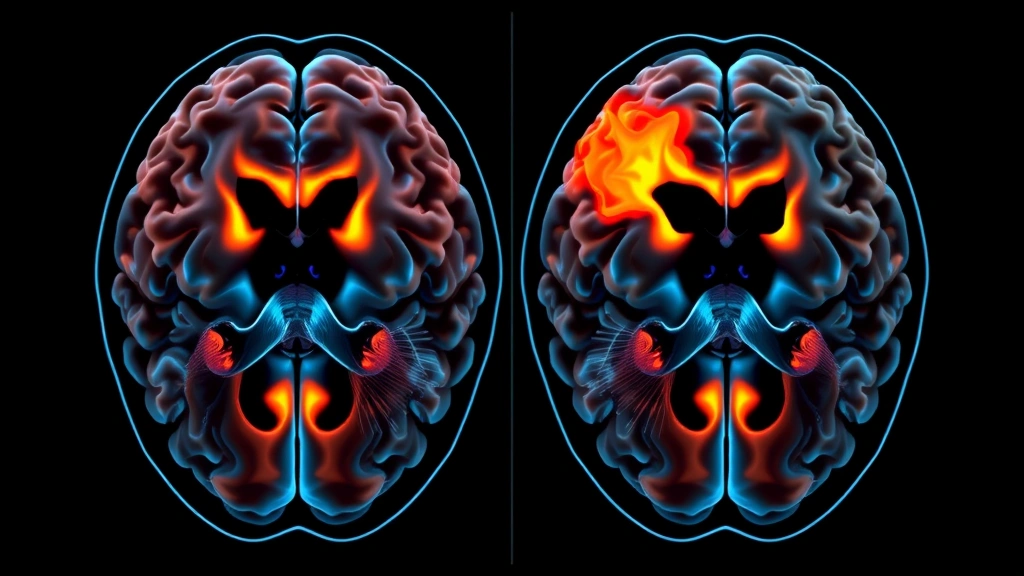
Neuroscientific research has illuminated the remarkable ways mindfulness practice literally reshapes brain structure and function. Functional magnetic resonance imaging (fMRI) studies demonstrate that consistent mindfulness meditation increases gray matter density in regions associated with emotional regulation, self-awareness, and perspective-taking. The prefrontal cortex, responsible for executive functions and emotional control, shows enhanced activation in long-term practitioners.
A landmark study published by the American Psychological Association revealed that mindfulness practice reduces activity in the default mode network, the brain system responsible for self-referential thinking and rumination. This neurological shift directly translates to decreased anxiety and depressive symptoms. The amygdala, our brain’s threat-detection center, demonstrates reduced reactivity following mindfulness training, indicating improved emotional regulation at the neurological level.
These brain changes occur through neuroplasticity mechanisms that continue throughout life. Regular mindfulness practice strengthens neural pathways associated with attention, emotional balance, and compassionate responding while weakening pathways linked to rumination and fear-based reactions. This biological foundation explains why mindfulness-based interventions produce sustained improvements even after formal training concludes.
Understanding these neurobiological mechanisms is particularly relevant for those pursuing advanced therapeutic education. Students in graduate physical therapy programs and physical therapy assistant programs increasingly encounter neuroscience foundations supporting integrative treatment approaches.
Anxiety and Stress Reduction Benefits
Mindfulness-based stress reduction (MBSR), developed by Jon Kabat-Zinn at the University of Massachusetts Medical School, has become one of the most extensively researched therapeutic interventions. Clinical trials consistently demonstrate that eight-week MBSR programs produce significant reductions in anxiety symptoms, with effect sizes comparable to pharmaceutical interventions in many cases.
The mechanism operates through several pathways. First, mindfulness interrupts the anxiety cycle by breaking automatic reactive patterns. When individuals notice anxious thoughts arising without immediately engaging with them, the perceived threat diminishes. Second, the practice activates the parasympathetic nervous system, the body’s natural relaxation response, counteracting the stress-induced activation of the sympathetic nervous system.
Research from the National Institute of Mental Health indicates that mindfulness-based cognitive therapy (MBCT) reduces anxiety relapse rates by up to 50% compared to standard care alone. Clients report improved ability to navigate stressful situations, enhanced emotional resilience, and greater capacity to distinguish between actual threats and perceived dangers.
Chronic stress conditions including generalized anxiety disorder, social anxiety, and panic disorder show particular responsiveness to mindfulness interventions. The practice cultivates what therapists call “psychological flexibility,” enabling clients to engage meaningfully with life even while experiencing anxiety symptoms. This differs fundamentally from avoidance-based coping strategies that often reinforce anxiety patterns.
Depression Management Through Mindfulness
Mindfulness-based cognitive therapy (MBCT) was originally developed to prevent depression relapse in individuals with recurrent major depressive episodes. The integration of cognitive therapy principles with mindfulness meditation creates a powerful intervention addressing both cognitive patterns and emotional regulation deficits characteristic of depression.
Depression often involves rumination, a repetitive thinking pattern focused on past failures and future catastrophes. Mindfulness practice directly targets this mechanism by teaching clients to notice when rumination begins and consciously shift attention to present-moment experience. This simple yet profound skill interrupts the neurobiological cascade that deepens depressive episodes.
The practice also addresses the self-critical inner dialogue common in depression. By cultivating mindful awareness and self-compassion, individuals learn to observe self-critical thoughts without accepting them as truth. Research demonstrates that this shift in relationship to thoughts proves more beneficial than attempting to eliminate negative thoughts entirely, which often backfires through a process called thought suppression.
Longitudinal studies show that individuals completing MBCT programs maintain symptom improvements for extended periods, with many experiencing complete remission of depressive episodes. The skills learned transfer to daily life, providing ongoing protection against relapse. This preventive benefit makes mindfulness-based approaches particularly valuable for individuals with chronic or recurrent depression.
Mindfulness in Recreational Therapy Programs
The recreational therapy degree increasingly incorporates mindfulness training as a core competency, recognizing how these practices enhance therapeutic recreation outcomes. Recreational therapy professionals utilize mindfulness-based activities to promote psychological well-being, social engagement, and meaningful leisure participation across diverse populations including individuals with disabilities, mental health conditions, and chronic illnesses.
Mindfulness-based recreational activities include guided nature walks, mindful art creation, meditative movement practices like tai chi and yoga, and structured group mindfulness sessions. These activities serve dual purposes: they provide immediate stress reduction and mood enhancement while teaching skills clients can independently practice. The recreational context makes mindfulness accessible and enjoyable for individuals who might resist traditional meditation.
Students pursuing a recreational therapy degree through online programs learn to integrate mindfulness principles into activity design and facilitation. This skill set expands therapeutic effectiveness, allowing practitioners to address multiple treatment goals simultaneously. A single therapeutic recreation session might build social connections, increase physical activity, reduce anxiety, and teach mindfulness skills—outcomes rarely achieved through single-modality interventions.
The recreational therapy approach recognizes that mindfulness practice need not occur in silence or clinical settings. Movement-based mindfulness, group activities, and nature-based interventions effectively cultivate present-moment awareness while maintaining engagement and enjoyment. This accessibility makes mindfulness-based recreational therapy particularly effective for adolescents and individuals with attention difficulties.
Clinical Applications and Best Practices
Effective integration of mindfulness in clinical practice requires specialized training beyond basic meditation instruction. Therapists must understand how to adapt practices for diverse populations, troubleshoot common obstacles, and recognize when mindfulness approaches should be modified or supplemented with other interventions.
Best practices in mindfulness-based therapy include establishing a consistent practice schedule, typically involving daily home practice between sessions. Research indicates that clients practicing mindfulness 20-45 minutes daily show significantly greater symptom reduction than those practicing sporadically. Therapists support this commitment through motivational interviewing techniques and regular accountability check-ins.
Culturally sensitive implementation proves essential, as meditation practices carry different meanings across cultural contexts. Competent practitioners acknowledge these differences, adapt instructions appropriately, and invite clients to bring their own cultural and spiritual perspectives to practice. This inclusive approach increases engagement and effectiveness across diverse populations.
Clear communication about realistic expectations helps clients maintain motivation. Mindfulness is not a quick fix but rather a skill-building process requiring patience and consistent effort. Therapists frame practice as equivalent to physical exercise—gradual improvements occur through regular practice rather than dramatic overnight transformations. Managing expectations prevents premature dropout and supports long-term engagement.
Integration With Other Therapeutic Modalities
Mindfulness-based approaches integrate effectively with cognitive-behavioral therapy (CBT), dialectical behavior therapy (DBT), acceptance and commitment therapy (ACT), and psychodynamic approaches. Rather than replacing traditional therapeutic modalities, mindfulness enhances their effectiveness by addressing emotional regulation and present-moment awareness deficits.
In CBT frameworks, mindfulness supports cognitive restructuring by increasing awareness of automatic thoughts before they solidify into problematic patterns. Clients notice thoughts more readily and can intervene earlier in the thinking cycle. In DBT applications, mindfulness skills form the foundation of emotional regulation and distress tolerance modules essential for treating complex conditions like borderline personality disorder.
ACT practitioners explicitly teach mindfulness as a core component of psychological flexibility, helping clients accept difficult internal experiences while pursuing valued life directions. Psychodynamic therapists incorporate mindfulness to increase awareness of unconscious patterns and emotional reactions as they arise during sessions, deepening therapeutic work.
This integrative approach appeals to many practitioners, as it provides flexibility in tailoring treatment to individual client needs. Some clients benefit from primarily mindfulness-based approaches, while others require hybrid interventions combining mindfulness with cognitive, behavioral, or dynamic techniques. Professional training in multiple modalities enables sophisticated treatment matching.
Training and Certification for Therapists
Formal training in mindfulness-based interventions requires specialized coursework beyond standard therapy education. The Center for Mindfulness at the University of Massachusetts Medical School offers the gold-standard teacher training program, requiring extensive personal practice and supervised teaching experience. Other accredited programs through organizations like the International Mindfulness Teachers Association provide rigorous certification pathways.
Professionals seeking to incorporate mindfulness in practice should pursue training at recognized institutions ensuring adequate depth of knowledge and personal practice foundation. The minimum standard involves completion of an eight-week MBSR program as a participant, followed by specialized teacher training. Many experts recommend 250+ hours of personal meditation practice before formally teaching mindfulness to clients.
Graduate programs in physical therapy, occupational therapy, and related health professions increasingly include mindfulness components. Students in top-ranked physical therapy schools and occupational therapy programs encounter evidence-based mindfulness training as part of comprehensive curriculum development.
Continuing education in mindfulness ensures therapists maintain current knowledge as research evolves. Annual workshops, specialized certifications, and participation in professional mindfulness organizations keep practitioners aligned with best practices and emerging evidence. This commitment to ongoing education distinguishes competent mindfulness practitioners from those with superficial training.
FAQ
What is the difference between mindfulness and meditation?
Meditation is a formal practice involving structured techniques to train attention and awareness. Mindfulness is the quality of present-moment awareness that can be cultivated through meditation but also applied throughout daily life. All mindfulness practice involves meditation, but not all meditation develops mindfulness—some meditative practices focus on different goals like visualization or spiritual connection.
How long before clients see benefits from mindfulness practice?
Many clients report subtle improvements within 1-2 weeks of consistent practice, including better sleep and reduced tension. More significant symptom reduction typically emerges over 4-8 weeks as neural changes solidify. Long-term benefits continue accumulating over months and years, with some research suggesting optimal effects occur after 8+ weeks of consistent practice.
Can mindfulness replace medication for mental health conditions?
Mindfulness-based interventions can reduce symptom severity and may decrease medication needs in some cases, but should not replace psychiatric medication without professional guidance. Many individuals benefit most from integrated approaches combining mindfulness practice with appropriate pharmacological treatment. This decision requires careful assessment by qualified mental health and medical professionals.
Is mindfulness appropriate for all clients?
While generally safe, mindfulness requires modifications for certain populations. Individuals with active psychosis, severe trauma, or dissociation may need trauma-informed adaptations or alternative approaches. Therapists must assess individual readiness and adapt practices accordingly, sometimes introducing grounding techniques before formal mindfulness meditation.
How do I know if a mindfulness teacher is qualified?
Look for teachers with certification from recognized organizations, evidence of substantial personal practice (typically 250+ hours), completion of formal teacher training programs, and ongoing continuing education. Qualified instructors can articulate their training credentials, discuss their practice history transparently, and demonstrate deep knowledge of both meditation techniques and psychological applications.