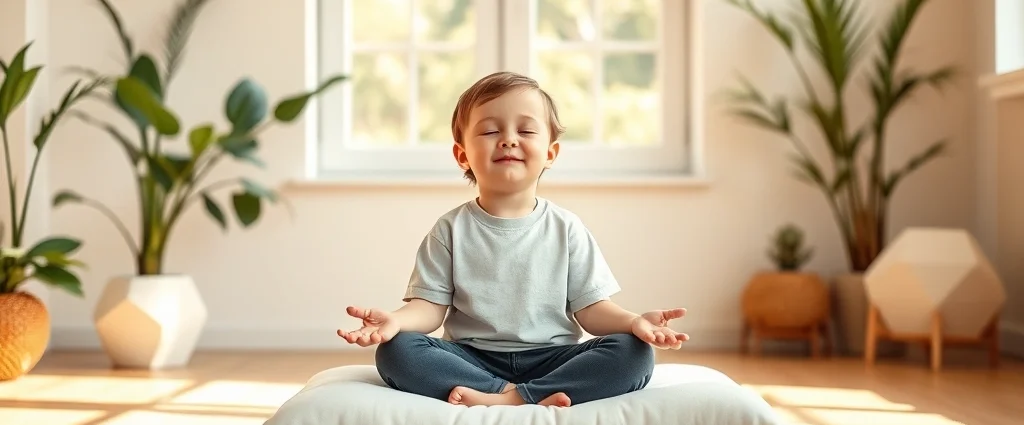

How Mindfulness Aids Kids: Expert Insights on Progressive Pediatric Therapy
Mindfulness has emerged as a transformative approach in pediatric mental health and developmental therapy. As parents and educators seek evidence-based strategies to support children’s emotional regulation, focus, and overall wellbeing, mindfulness practices have proven remarkably effective. This comprehensive guide explores how progressive pediatric therapy integrates mindfulness techniques to help children navigate stress, anxiety, and behavioral challenges while building resilience from an early age.
The integration of mindfulness into occupational therapy online programs and other therapeutic modalities represents a paradigm shift in how we approach child development. Rather than treating symptoms in isolation, progressive pediatric therapy recognizes that mindfulness cultivates foundational skills children need to thrive cognitively, emotionally, and socially.

Understanding Mindfulness in Pediatric Therapy
Mindfulness, defined as purposeful, non-judgmental awareness of the present moment, represents a cornerstone technique in contemporary pediatric mental health interventions. Unlike adult-focused mindfulness programs, mindfulness in pediatric settings requires adaptation to developmental stages, attention spans, and cognitive capacities. Experts recognize that children as young as three years old can benefit from age-appropriate mindfulness practices, though the depth and complexity increase with maturation.
Research from leading institutions demonstrates that mindfulness-based interventions produce measurable changes in brain structure and function. Studies utilizing functional MRI show that children practicing regular mindfulness develop enhanced prefrontal cortex activation, the region responsible for emotional regulation and executive function. This neurological foundation supports improved decision-making, impulse control, and stress resilience throughout childhood and into adolescence.
Progressive pediatric therapy distinguishes itself by building mindfulness skills incrementally. Rather than introducing complex meditation immediately, therapists start with foundational practices like body awareness exercises and conscious breathing. As children develop competency and comfort, interventions progress toward deeper meditation, loving-kindness practices, and mindful movement activities. This scaffolded approach ensures sustained engagement and measurable skill acquisition.
The therapeutic relationship forms the cornerstone of effective mindfulness training in pediatric settings. When therapists model mindfulness authentically and create safe, judgment-free environments, children feel empowered to explore their inner experiences. This trust becomes essential for vulnerable populations, including children with trauma histories or anxiety disorders who may initially resist introspection.

Core Benefits for Child Development
Emotional Regulation and Stress Management
One of the most documented benefits of mindfulness in pediatric therapy involves emotional regulation. Children who practice mindfulness develop metacognitive awareness—the ability to observe their thoughts and feelings without becoming overwhelmed by them. This creates psychological distance from emotional reactions, allowing children to choose responses rather than react impulsively. For children with anxiety disorders, ADHD, or trauma, this capacity proves transformative.
Research published in JAMA Psychiatry indicates that mindfulness-based cognitive therapy reduces anxiety symptoms in adolescents by approximately 20-30% compared to standard care alone. When integrated into therapy and wellness resources, mindfulness creates sustainable coping mechanisms that children can deploy independently throughout their lives.
Enhanced Focus and Academic Performance
Attention regulation represents another critical benefit. Children who practice mindfulness show improved sustained attention, reduced mind-wandering, and better classroom behavior. Teachers consistently report that students engaging in regular mindfulness practice demonstrate increased engagement, fewer disruptive behaviors, and improved academic outcomes. The mechanism involves strengthening the anterior cingulate cortex and dorsolateral prefrontal cortex—regions essential for attention control.
Social-Emotional Competence
Mindfulness cultivates empathy and social awareness. By developing awareness of their own emotional states, children naturally extend this understanding to peers. Loving-kindness meditation, a specific mindfulness practice, has demonstrated efficacy in reducing bullying behavior and increasing prosocial responses. Children who practice mindfulness show enhanced ability to recognize emotions in others, regulate their own responses to social situations, and navigate peer relationships more skillfully.
Resilience and Coping Capacity
Perhaps most importantly, mindfulness builds psychological resilience. Children who develop mindfulness skills demonstrate greater recovery from setbacks, more adaptive responses to challenges, and improved overall mental health trajectories. This resilience factor becomes particularly valuable during developmental transitions, academic pressure, or family stress. Unlike coping strategies that depend on external resources, mindfulness represents an internalized skill children carry throughout life.
Progressive Techniques for Different Ages
Early Childhood (Ages 3-5)
With young children, mindfulness takes playful, movement-based forms. Techniques include:
- Breathing buddies: Children hold stuffed animals on their bellies and watch them rise and fall with each breath, making breathing visible and engaging
- Five senses exploration: Guided sensory activities where children notice what they see, hear, feel, smell, and taste in their immediate environment
- Mindful movement: Slow, intentional movements like stretching or yoga poses adapted for small bodies
- Sound meditation: Listening to bells, singing bowls, or nature sounds with full attention
These techniques work within the developmental reality that preschoolers have attention spans of 2-5 minutes and learn through play and sensory experience rather than verbal instruction.
Middle Childhood (Ages 6-11)
As children’s cognitive capacity expands, mindfulness practices become more structured:
- Body scan meditation: Systematic attention to different body parts, building awareness of physical sensations and tension patterns
- Breath counting: Counting breaths (1-4-7 pattern) to develop sustained attention and regulate nervous system activation
- Mindful walking: Conscious awareness during movement, noticing each step, physical sensations, and environmental details
- Thought observation: Imagining thoughts as clouds passing through the sky, developing non-attachment to thinking patterns
At this developmental stage, children can sustain 10-15 minute practices and benefit from explicit instruction about how mindfulness helps with schoolwork, friendship conflicts, and emotional challenges.
Adolescence (Ages 12-18)
Teenagers can engage with sophisticated mindfulness practices while addressing age-specific concerns:
- Mindfulness-based stress reduction (MBSR): Formal 8-week programs adapted for adolescents, including meditation, yoga, and psychoeducation
- Mindful technology use: Conscious awareness of digital habits, reducing reactive social media engagement
- Self-compassion meditation: Addressing the perfectionism and self-criticism common in adolescence
- Dialectical behavior therapy (DBT) skills: Mindfulness as foundation for emotion regulation, distress tolerance, and interpersonal effectiveness
Adolescents benefit from understanding the neuroscience behind mindfulness practices, which increases buy-in and motivation. Peer-based mindfulness groups also prove effective, as teens often respond better to programs involving their age group.
Integration with Traditional Therapy
Progressive pediatric therapy achieves maximum effectiveness when mindfulness integrates seamlessly with evidence-based therapeutic approaches. Cognitive-behavioral therapy (CBT), widely used for childhood anxiety and depression, combines powerfully with mindfulness. While CBT helps children identify and challenge unhelpful thought patterns, mindfulness teaches them to observe thoughts without judgment. This combination addresses both cognitive content and the process of thinking itself.
Speech and language therapists increasingly incorporate mindfulness into their practice. Speech therapy online programs now frequently include breathing and vocalization awareness exercises that improve both communication and emotional regulation. Children with selective mutism or social anxiety particularly benefit from this integrated approach.
Similarly, physical therapy and occupational therapy increasingly incorporate mindfulness. Children with chronic pain conditions, motor coordination challenges, or sensory processing differences benefit from body awareness practices that reduce tension, improve proprioception, and enhance mind-body integration. When children understand their physical experiences through mindfulness, they become more engaged participants in their own therapeutic progress.
Trauma-informed therapy represents another crucial integration point. For children with post-traumatic stress, mindfulness must be carefully introduced because body awareness can trigger trauma responses. However, when implemented with proper pacing and therapist support, mindfulness helps trauma survivors develop safe relationships with their bodies and nervous systems, essential for healing.
Practical Implementation Strategies
Creating Mindfulness-Supportive Environments
Effective implementation begins with environmental design. Therapy spaces should include comfortable seating, minimal visual distractions, and soft lighting. Some clinicians incorporate natural elements like plants, water features, or nature imagery that support contemplative states. When children enter mindfulness spaces, the physical environment itself signals permission to slow down and turn inward.
Scaffolding and Gradual Progression
Therapists working with progressive pediatric therapy principles introduce practices gradually. Initial sessions might include 2-3 minute mindfulness exercises embedded within longer sessions focused on building rapport. As children demonstrate comfort and interest, sessions gradually increase in duration and complexity. This prevents overwhelm and ensures children develop genuine skill rather than simply complying with instructions.
Parental Involvement and Home Practice
Research consistently shows that mindfulness benefits amplify when families practice together. Therapists should provide parents with simple, age-appropriate practices they can implement at home. Bedtime breathing exercises, mindful mealtime awareness, or brief morning centering practices create consistency and reinforce therapeutic gains. When parents practice mindfulness themselves, they model emotional regulation and demonstrate commitment to their child’s wellbeing.
Multimodal Integration
Mindfulness integrates effectively with movement, art, music, and nature-based interventions. Children who struggle with sitting meditation might engage more readily through mindful yoga, drawing with full attention, or conscious nature exploration. Progressive pediatric therapy recognizes that different children access mindfulness through different modalities, and skilled therapists adapt their approach accordingly.
Technology-Enhanced Implementation
While mindfulness traditionally emphasizes unplugging, thoughtfully designed apps and platforms extend accessibility. Research from OpenAI on human-AI interaction suggests that technology can support mindfulness practice when it maintains genuine contemplative principles rather than gamifying the experience. Age-appropriate guided meditation apps, biofeedback devices that show breathing patterns, and virtual reality nature experiences represent legitimate tools within progressive pediatric therapy when used intentionally.
Overcoming Common Barriers
Resistance and Skepticism
Some children initially resist mindfulness, viewing it as boring or uncomfortable. Skilled therapists reframe mindfulness as a skill with practical benefits rather than a spiritual or esoteric practice. Connecting mindfulness to child-relevant goals—improving at sports, handling friend conflicts, feeling calmer during tests—increases motivation. Allowing children choice in how they practice (sitting, lying down, moving) also reduces resistance.
Attention and Executive Function Challenges
Children with ADHD or executive function difficulties may struggle with traditional meditation. For these children, active mindfulness practices work better than silent sitting meditation. Walking meditation, mindful coloring, conscious breathing with movement, and body scan exercises provide structure while developing attention gradually. Some therapists use timers, visual supports, or fidget tools that actually enhance focus rather than distract from it.
Trauma and Dissociation
Children with trauma histories may experience mindfulness as destabilizing when body awareness triggers trauma memories. Trauma-informed mindfulness requires careful titration, maintaining present-moment grounding, and ensuring children feel safe and in control. Starting with external focus (sounds, sights) before internal focus (bodily sensations) creates safer progression. Therapists must possess training in both mindfulness and trauma to implement this specialized approach.
Cultural Considerations
Mindfulness has roots in Buddhist and other contemplative traditions, which may create concerns for families from different cultural or religious backgrounds. Progressive pediatric therapy addresses this by presenting mindfulness as a secular, scientifically-supported practice distinct from religious practice. Therapists should explore family values and adapt language accordingly, emphasizing universal benefits like focus, calm, and self-awareness rather than spiritual framings.
Time and Resource Constraints
Many families face barriers to regular therapy attendance. Occupational therapy online programs and telehealth-based mindfulness interventions address accessibility challenges. Brief mindfulness practices—even 3-5 minutes daily—produce meaningful benefits, making the practice feasible within busy family schedules. Digital delivery also reduces transportation burden and increases flexibility.
Understanding therapy costs and insurance coverage helps families access services. Some insurance plans increasingly cover mindfulness-based interventions when delivered by licensed therapists, particularly for anxiety and pain conditions with strong evidence bases.
FAQ
At what age can children begin mindfulness practice?
Children as young as three years old can benefit from age-appropriate mindfulness practices. Early childhood mindfulness focuses on sensory awareness and playful movement rather than seated meditation. As children develop cognitively, practices become more structured and complex.
How long does it take to see benefits from mindfulness?
Some children show immediate benefits like reduced anxiety during a single session. However, sustained practice produces more substantial changes. Research suggests 8-12 weeks of regular practice creates measurable improvements in attention, emotional regulation, and behavioral outcomes.
Can mindfulness replace traditional therapy?
Mindfulness works best as a complement to, not replacement for, evidence-based therapies like cognitive-behavioral therapy, particularly for conditions like anxiety disorders, depression, and ADHD. Progressive pediatric therapy integrates mindfulness within comprehensive treatment plans.
What if my child refuses to meditate?
Skilled therapists respect resistance and offer alternative formats. Active mindfulness through movement, art, music, or nature exploration engages children who resist sitting meditation. The goal is developing awareness and regulation skills, not forcing a specific practice format.
How can I support mindfulness practice at home?
Parents can model mindfulness through their own practice, create dedicated quiet spaces, establish consistent routines for brief practices, and connect mindfulness to practical benefits their child experiences. Even 3-5 minutes of daily practice produces meaningful results.
Does mindfulness work for children with ADHD?
Yes, research demonstrates significant benefits for ADHD when mindfulness incorporates active practices and behavioral structure. Mindfulness helps ADHD children develop metacognitive awareness of attention patterns and improves executive function over time. However, sitting meditation alone may not suit all ADHD profiles.
Are there any risks with mindfulness for children?
Mindfulness is generally safe, though children with significant dissociation or trauma may need trauma-informed adaptation. Working with trained therapists ensures appropriate implementation and monitoring for any adverse reactions.