

Anodyne Therapy for Pain Relief: Expert Insights
Anodyne therapy represents a sophisticated approach to pain management that has gained considerable attention in clinical settings and wellness communities. Derived from the Greek word “anodyne,” meaning pain-relieving or soothing, this therapeutic modality encompasses various techniques designed to alleviate discomfort and promote healing. Whether through topical applications, thermal treatments, or specialized devices, anodyne therapy addresses the fundamental human need for effective pain relief without relying solely on pharmaceutical interventions.
The evolution of pain management has shifted dramatically over the past two decades, with healthcare providers and patients increasingly seeking comprehensive therapy modalities that address root causes rather than merely masking symptoms. Anodyne therapy fits seamlessly into this paradigm, offering evidence-based solutions that complement conventional medical treatments. This comprehensive guide explores the mechanisms, applications, benefits, and expert recommendations surrounding anodyne therapy, providing you with actionable insights to make informed decisions about your pain management strategy.

Understanding Anodyne Therapy: Definition and Historical Context
Anodyne therapy encompasses any treatment modality designed to relieve pain and promote comfort. The term has ancient roots in traditional medicine systems, where practitioners utilized herbs, compresses, and manual techniques to soothe suffering patients. Modern anodyne therapy builds upon these foundations while incorporating contemporary scientific understanding and technological innovations.
The historical development of anodyne therapy reflects humanity’s persistent quest for effective pain management solutions. Ancient physicians documented the use of various substances and techniques—from willow bark infusions to thermal treatments—recognizing patterns in what worked and what didn’t. This empirical approach eventually evolved into structured medical practice, with anodyne therapy becoming a recognized component of physical therapy treatment protocols and rehabilitation programs.
Today’s anodyne therapy practitioners draw from both traditional wisdom and cutting-edge research, creating integrated treatment plans that address acute and chronic pain conditions. The field has expanded significantly, with specialized training programs, certification courses, and peer-reviewed research validating the effectiveness of various anodyne approaches. Healthcare systems worldwide now recognize anodyne therapy as a legitimate and valuable component of comprehensive pain management strategies.
How Anodyne Therapy Works: The Science Behind Pain Relief
Understanding the physiological mechanisms underlying anodyne therapy requires knowledge of pain pathways, neurological responses, and tissue healing processes. Pain perception involves complex interactions between peripheral receptors, spinal pathways, and central nervous system processing. Anodyne therapy interrupts these pathways through multiple mechanisms, effectively reducing pain signals and promoting healing.
One primary mechanism involves the gate control theory of pain, which suggests that non-painful stimuli can override pain signals traveling through the spinal cord. When anodyne therapy applies specific stimuli—whether thermal, mechanical, or chemical—these inputs can essentially “close the gate” on pain transmission. This explains why techniques like massage or heat application provide immediate relief even before any tissue healing occurs.
Additionally, anodyne therapy stimulates endogenous pain-relief systems within the body. The application of appropriate therapeutic stimuli triggers the release of endorphins and other neurochemicals that naturally reduce pain perception. Over time, regular anodyne therapy sessions can enhance these natural pain-relief mechanisms, creating a more robust and sustainable improvement in pain management. Research from the National Institutes of Health has documented these neurological responses, providing solid scientific backing for anodyne therapy approaches.
Furthermore, anodyne therapy often promotes improved circulation and tissue oxygenation. Enhanced blood flow delivers nutrients necessary for healing while removing metabolic waste products that accumulate in painful areas. This physiological improvement creates conditions favorable for tissue repair, addressing underlying causes of pain rather than merely suppressing symptoms. The cumulative effect of these mechanisms makes anodyne therapy particularly effective for both acute injuries and chronic pain conditions.
Common Types of Anodyne Therapy
The diversity of anodyne therapy approaches allows practitioners to customize treatment based on individual patient needs, pain conditions, and available resources. Understanding the various types enables informed selection of the most appropriate therapeutic modality for your specific situation.
Thermal Anodyne Therapy represents one of the most widely accessible and effective approaches. Heat therapy increases tissue temperature, promoting vasodilation and muscle relaxation. Cold therapy, conversely, reduces inflammation and numbs pain signals. Many practitioners employ contrast therapy—alternating between heat and cold—to maximize therapeutic benefits. These thermal approaches integrate seamlessly with red light therapy near me options, offering complementary pain relief mechanisms.
Topical Anodyne Applications include creams, gels, and patches containing analgesic compounds. These formulations often feature natural ingredients like menthol, capsaicin, or arnica, which provide localized pain relief through multiple mechanisms. Topical anodynes offer convenience and can be applied directly to affected areas, making them suitable for targeted pain management throughout the day.
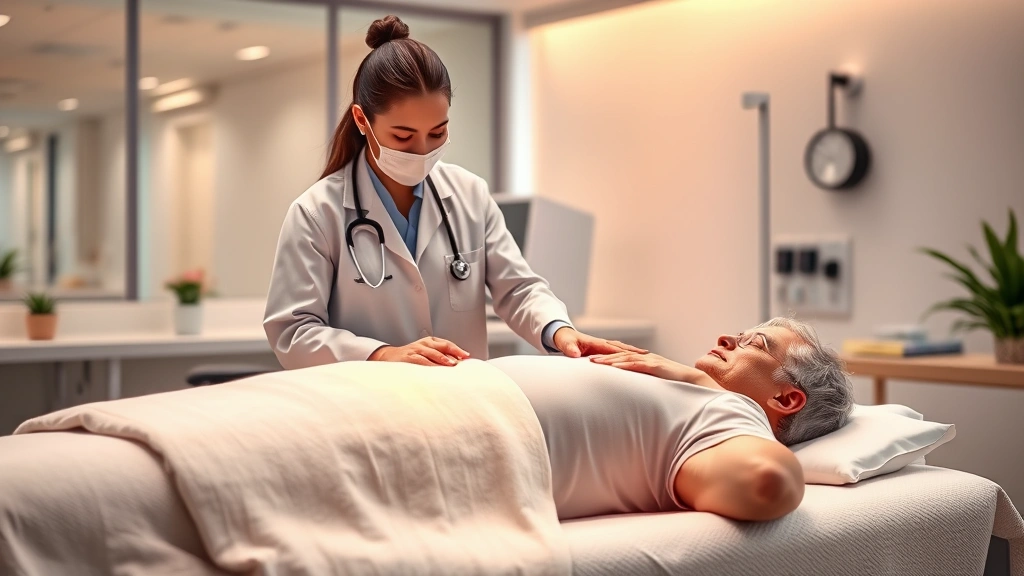
Manual Therapy Techniques encompass massage, manipulation, and mobilization procedures performed by trained therapists. These hands-on approaches combine mechanical pressure with therapeutic intent, addressing muscle tension, joint dysfunction, and fascial restrictions that contribute to pain. The interpersonal connection during manual therapy also provides psychological benefits that enhance pain relief.
Specialized Device-Based Anodynes include transcutaneous electrical nerve stimulation (TENS) units, infrared devices, and other technological solutions. These tools deliver specific therapeutic stimuli that trigger pain-relief mechanisms without requiring ongoing practitioner intervention. Modern devices offer programmable parameters, allowing customization to individual tolerance and condition requirements.
Clinical Applications and Treatment Protocols
Anodyne therapy proves effective across numerous clinical conditions, with established protocols for different pain presentations. Healthcare providers select specific anodyne approaches based on pain etiology, severity, duration, and patient-specific factors.
Acute Musculoskeletal Pain responds particularly well to anodyne therapy interventions. Following injuries, sprains, or strains, appropriate anodyne techniques reduce pain and swelling while promoting early mobilization and healing. Initial treatment typically emphasizes cold therapy and gentle manual techniques, progressing to heat and more active approaches as healing advances.
Chronic Pain Conditions require sustained anodyne therapy protocols, often combining multiple modalities. Conditions like fibromyalgia, chronic regional pain syndrome, and persistent musculoskeletal pain benefit from comprehensive anodyne approaches integrated with therapy resources available through rehabilitation specialists. Consistent application of anodyne therapy over weeks and months produces cumulative improvements in pain levels and functional capacity.
Post-Surgical Pain Management increasingly incorporates anodyne therapy as part of multimodal pain control strategies. Rather than relying solely on pharmaceutical pain relief, surgical patients benefit from anodyne applications beginning immediately after procedures. This integrated approach often reduces narcotic requirements while improving patient satisfaction and recovery outcomes.
Neuropathic Pain conditions present unique challenges but often respond favorably to specialized anodyne approaches. Conditions involving nerve damage or dysfunction may improve through consistent thermal therapy, topical applications, and device-based interventions that normalize neurological signaling patterns.
Benefits and Efficacy Evidence
Accumulating research demonstrates the substantial benefits of anodyne therapy across diverse patient populations and pain conditions. The evidence base continues expanding as researchers investigate mechanisms, optimize protocols, and compare anodyne approaches with alternative treatments.
Pain Reduction represents the primary benefit, with numerous studies documenting significant decreases in pain ratings following anodyne therapy interventions. Meta-analyses examining multiple research studies consistently show that anodyne approaches produce clinically meaningful pain relief comparable to pharmaceutical interventions, often without associated side effects.
Improved Functional Capacity emerges as patients experience pain reduction. With decreased pain limiting activities, anodyne therapy enables increased mobility, strength development, and return to valued activities. This functional improvement translates into enhanced quality of life and psychological well-being.
Reduced Medication Dependency represents a significant advantage of anodyne therapy. As pain diminishes through non-pharmaceutical means, patients often require fewer medications, reducing risks of adverse effects and dependency. This benefit proves particularly valuable in managing chronic conditions requiring long-term pain control.
Enhanced Healing and Tissue Recovery results from improved circulation and reduced inflammation promoted by anodyne therapy. Rather than merely masking pain, these approaches address underlying physiological dysfunction, supporting genuine tissue healing and restoration.
Psychological Benefits accompany physical pain relief. The attention, therapeutic touch, and sense of actively addressing pain through anodyne therapy reduce anxiety and depression often accompanying chronic pain. These psychological improvements reinforce pain relief through neurobiological mechanisms.
Research from Nature Medicine and other prestigious journals has provided robust evidence supporting anodyne therapy effectiveness, establishing these approaches as legitimate medical interventions rather than alternative fringe practices.
Integration with Other Therapeutic Approaches
Optimal pain management typically involves integrating anodyne therapy with complementary treatment modalities, creating synergistic effects that exceed what any single approach achieves alone. This multimodal strategy reflects current best practices in pain management.
Combination with Physical Rehabilitation enhances outcomes significantly. Anodyne therapy reduces pain, enabling participation in therapeutic exercises that restore strength and mobility. This combination addresses both acute pain relief and underlying functional deficits, producing sustainable improvements. Many practitioners combine anodyne approaches with occupational therapy jobs creating positions that emphasize integrated care delivery.
Integration with Psychological Interventions recognizes pain’s psychological components. Cognitive-behavioral therapy, mindfulness practices, and pain psychology complement anodyne therapy’s physical benefits, addressing thoughts, emotions, and behaviors that influence pain perception and disability.
Coordination with Medical Management ensures comprehensive care when anodyne therapy accompanies pharmaceutical treatments. Healthcare providers can optimize both approaches, often reducing medication requirements while maintaining pain control through enhanced anodyne protocols.
Synergy with Preventive Strategies maximizes long-term benefits. Regular anodyne therapy combined with ergonomic modifications, activity pacing, and lifestyle adjustments prevents pain recurrence and supports sustained functional improvement.
Expert Recommendations and Best Practices
Healthcare professionals specializing in pain management provide evidence-based guidance on optimizing anodyne therapy outcomes. These expert recommendations reflect current research, clinical experience, and professional consensus regarding best practices.
Individual Assessment and Customization form the foundation of effective anodyne therapy. Qualified practitioners conduct thorough evaluations identifying pain sources, contributing factors, and individual characteristics influencing treatment response. This assessment informs customized treatment plans rather than applying standardized protocols to all patients.
Progressive Protocol Development allows systematic advancement through treatment phases. Initial interventions might emphasize pain reduction and protection, progressing toward tissue mobilization and functional restoration as healing advances. This staged approach optimizes outcomes while minimizing complications.
Regular Progress Monitoring ensures treatment effectiveness and enables timely adjustments. Practitioners track pain levels, functional improvements, and adverse effects, modifying approaches when progress plateaus or unexpected responses occur.
Patient Education and Self-Management empower individuals to extend therapeutic benefits beyond professional sessions. Teaching patients home anodyne techniques, activity modifications, and self-care strategies creates sustainable pain management extending into daily life. Resources from speech therapy near me and other therapy platforms often include patient education components supporting self-directed care.
Professional Credential Verification remains essential when selecting anodyne therapy providers. Seek practitioners with appropriate licensing, specialized training, and demonstrated competency in pain management. Professional organizations and certification bodies provide resources for identifying qualified providers.
Evidence-Based Treatment Selection guides practitioners toward interventions supported by research rather than relying on tradition alone. While respecting classical approaches, modern anodyne therapy prioritizes interventions with documented efficacy for specific conditions.
Leading pain management organizations, including those represented in International Association for the Study of Pain publications, emphasize these principles in their clinical practice guidelines. Additionally, research from Cochrane Library provides systematic reviews of anodyne therapy evidence, helping practitioners and patients understand treatment effectiveness.
Frequently Asked Questions
What exactly is anodyne therapy, and how does it differ from other pain management approaches?
Anodyne therapy specifically refers to pain-relieving treatments that may include thermal applications, topical preparations, manual techniques, or device-based interventions. Unlike pharmaceutical approaches that work primarily through systemic chemical effects, anodyne therapy often operates through local stimulation of healing mechanisms and pain-relief pathways. It differs from general pain management by emphasizing non-pharmaceutical approaches and addressing underlying physiological dysfunction rather than merely suppressing pain signals.
How long does anodyne therapy typically take to produce noticeable results?
Results vary based on pain condition, severity, treatment type, and individual factors. Some patients experience immediate relief following single sessions, while others require multiple treatments before noticing significant improvements. Acute conditions often respond quickly, while chronic pain typically requires sustained treatment over weeks or months. Practitioners provide individualized timeframes based on specific assessments.
Are there any contraindications or situations where anodyne therapy should be avoided?
While generally safe, certain conditions warrant caution or contraindicate specific anodyne approaches. Patients with impaired sensation, certain skin conditions, acute infections, or specific medical implants may require modifications or alternative approaches. Qualified practitioners conduct thorough screening to identify contraindications before initiating treatment.
Can anodyne therapy be used alongside prescription pain medications?
Yes, anodyne therapy frequently complements pharmaceutical pain management as part of multimodal strategies. In fact, combining approaches often produces superior outcomes compared to single modalities alone. However, patients should inform all healthcare providers about treatments they’re receiving to ensure coordinated, safe care.
What qualifications should anodyne therapy practitioners possess?
Qualified practitioners typically hold licenses in physical therapy, occupational therapy, massage therapy, or related fields with specialized training in pain management and anodyne techniques. Look for credentials from recognized professional organizations, completion of advanced training programs, and demonstrated clinical experience with your specific condition.
Is anodyne therapy covered by insurance, and what should patients expect regarding costs?
Coverage varies significantly based on insurance plans, specific conditions, and practitioner credentials. Many insurance plans cover anodyne therapy when provided by licensed practitioners for diagnosed conditions, particularly when incorporated into physical therapy. Patients should verify coverage with their insurance providers and discuss costs directly with practitioners before beginning treatment.

