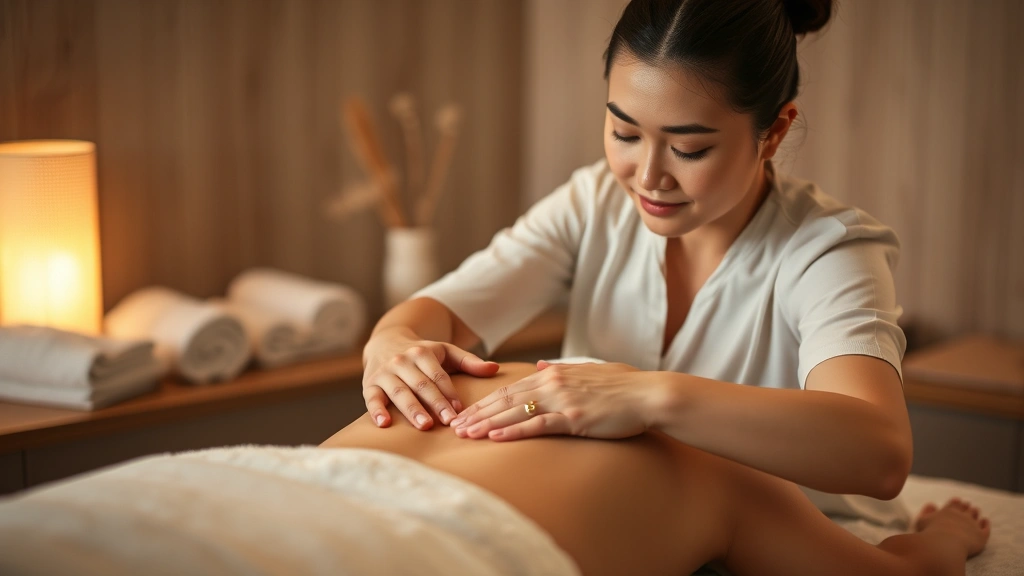
Asian Massage Therapy Benefits: Expert Insights
Asian massage therapy represents one of the oldest and most respected healing traditions in human history, with roots extending back thousands of years across diverse cultures including Chinese, Japanese, Thai, and Indian practices. These time-honored techniques have evolved into sophisticated therapeutic systems that address both physical ailments and mental well-being, offering a holistic approach to health that complements modern medicine. Today, millions of people worldwide seek out asian massage therapy not only for relaxation but for evidence-backed therapeutic benefits that have garnered increasing attention from the medical and scientific communities.
The resurgence of interest in traditional Asian massage methods reflects a broader global shift toward integrative health practices. Unlike conventional massage approaches, Asian massage therapy incorporates principles from traditional medicine systems, energy pathways, and anatomical knowledge developed over centuries. Whether you’re exploring options for physical rehabilitation or seeking complementary wellness practices, understanding the benefits and mechanisms of Asian massage therapy can help you make informed decisions about your health journey.
Understanding Asian Massage Therapy Traditions
Asian massage therapy encompasses multiple distinct traditions, each with unique philosophies and methodologies. Traditional Chinese Medicine (TCM) massage, known as Tui Na, operates on the principle of balancing qi (life force energy) through specific pressure points and meridians. Japanese Shiatsu similarly works with meridian lines but employs different techniques and pressure applications. Thai massage, or Nuad Boran, combines acupressure, assisted yoga stretches, and rhythmic compressions along energy lines called sen.
These systems share fundamental beliefs about the body’s energy pathways and the importance of maintaining balance for optimal health. Rather than viewing symptoms in isolation, Asian massage therapists consider the interconnectedness of body systems, emotions, and environmental factors. This comprehensive perspective distinguishes Asian massage from many Western therapeutic approaches and explains why practitioners often assess overall wellness patterns rather than focusing narrowly on a single complaint.
The philosophical foundation of Asian massage therapy draws from centuries of observation, experimentation, and refinement. Exploring comprehensive wellness resources can provide deeper context for how these traditions fit into your broader health strategy. Ancient texts like the Yellow Emperor’s Classic of Internal Medicine document detailed anatomical knowledge and therapeutic principles that remain relevant today.

Key Health Benefits Supported by Research
Contemporary scientific research increasingly validates the health benefits of Asian massage therapy practices. Clinical studies demonstrate significant improvements in pain management, particularly for chronic conditions like lower back pain, neck tension, and arthritis. A PubMed search for Asian massage therapy reveals hundreds of peer-reviewed studies documenting measurable outcomes.
Pain Relief and Muscle Recovery: Asian massage techniques effectively reduce muscular tension and improve flexibility. The targeted pressure applied during sessions stimulates blood flow to affected areas, promoting nutrient delivery and waste removal. This mechanism explains why many athletes and physically active individuals incorporate Asian massage into their recovery protocols.
Stress Reduction and Mental Clarity: The calming effects of Asian massage extend beyond physical relaxation. Sessions activate the parasympathetic nervous system, triggering the body’s natural relaxation response. Cortisol levels decrease while endorphin production increases, creating measurable improvements in mood and anxiety levels. Research from leading medical institutions confirms these neurological effects.
Improved Circulation: Many Asian massage techniques specifically target circulatory pathways, enhancing blood and lymphatic flow throughout the body. Better circulation means improved oxygen delivery to tissues, accelerated healing, and enhanced immune function. This benefit proves particularly valuable for individuals with sedentary lifestyles or circulatory concerns.
Sleep Quality Enhancement: Regular Asian massage therapy sessions correlate with improved sleep patterns and deeper rest quality. The relaxation induced during treatment carries over into evening hours, helping individuals achieve more restorative sleep cycles. This benefit cascades into improved daytime cognitive function and emotional resilience.
Immune System Support: Studies indicate that consistent Asian massage therapy strengthens immune response through multiple mechanisms. Lymphatic stimulation, stress reduction, and improved circulation all contribute to enhanced immune function. National Institutes of Health research continues exploring these immunological benefits.
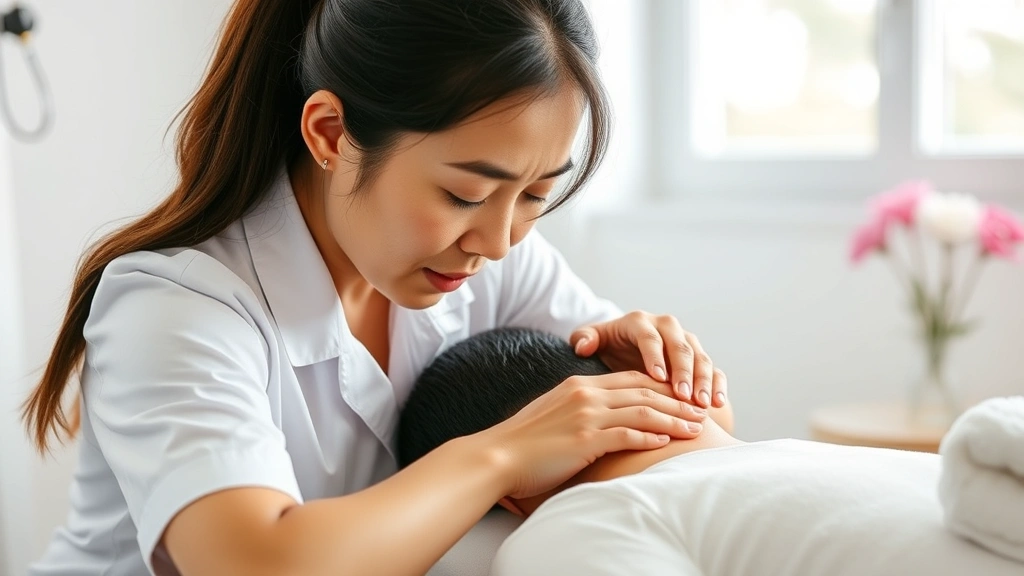
Different Types of Asian Massage Techniques
Understanding the distinct characteristics of various Asian massage modalities helps you select the approach best suited to your needs and preferences.
Shiatsu (Japanese): This technique applies rhythmic pressure using fingers, palms, and thumbs along meridian lines and acupressure points. Shiatsu practitioners often work fully clothed clients on padded surfaces, making it accessible for various body types and mobility levels. The pressure application follows a meditative rhythm that many clients find deeply relaxing.
Tui Na (Chinese): This vigorous technique employs rolling, kneading, and pressing motions to manipulate soft tissues and meridian pathways. Tui Na practitioners often combine massage with herbal remedies and dietary recommendations, reflecting the comprehensive approach of Traditional Chinese Medicine. Sessions tend to be more intense than some other Asian massage modalities.
Thai Massage: Combining acupressure with assisted stretching, Thai massage works the entire body through a series of flowing movements. Practitioners use their hands, forearms, elbows, and feet to apply pressure and facilitate stretches. The dynamic nature of Thai massage makes it particularly effective for improving flexibility and releasing deep muscular tension.
Anma (Traditional Japanese): Predating Shiatsu, Anma involves rhythmic pressing and rubbing techniques performed through light clothing. This gentler approach suits individuals preferring less intense pressure or those with sensitive skin conditions.
Tuina Sports Massage: Specifically designed for athletes and active individuals, this intensive technique targets muscular injuries and performance optimization. The application techniques differ from relaxation-focused massage, emphasizing rapid recovery and injury prevention.
How Asian Massage Affects Energy and Circulation
Central to Asian massage therapy philosophy is the concept of vital energy (qi in Chinese, ki in Japanese) flowing through meridian pathways. While Western medicine historically dismissed these concepts, modern research using thermal imaging and electrical conductivity measurements has identified measurable differences along meridian pathways, lending scientific credibility to traditional energy concepts.
When practitioners apply pressure to specific points, they stimulate nerve endings and trigger reflex responses throughout the body. These stimulations create cascading effects on multiple physiological systems simultaneously. The pressure application also directly mechanically manipulates tissues, breaking up adhesions and restoring proper alignment of muscle fibers.
Circulation improvements represent one of the most directly measurable effects of Asian massage therapy. Enhanced blood flow delivers oxygen and nutrients while removing metabolic waste products accumulated in tissues. Lymphatic circulation improvements support immune function and reduce inflammatory responses. These circulatory benefits explain why clients frequently report feeling energized after sessions, despite the deeply relaxing nature of treatment.
For individuals interested in complementary therapeutic modalities, Asian massage therapy pairs well with other energy-based and circulation-enhancing practices. The synergistic effects of combining multiple therapeutic approaches often exceed the benefits of any single treatment modality.
Therapeutic Applications for Specific Conditions
Chronic Pain Management: Asian massage therapy offers drug-free pain management for conditions like fibromyalgia, arthritis, and chronic muscle tension. Regular sessions help break pain cycles by reducing muscle guarding patterns and improving tissue oxygenation. Many individuals reduce pain medication dependence through consistent Asian massage therapy practice.
Sports Injury Recovery: Athletes benefit significantly from specialized Asian massage techniques that accelerate recovery and prevent re-injury. Post-competition massage reduces delayed-onset muscle soreness while pre-competition sessions optimize performance readiness. The specificity of Asian massage techniques for athletic applications makes them invaluable for serious athletes.
Headache and Migraine Relief: Tension headaches respond particularly well to Asian massage therapy targeting neck, shoulder, and scalp areas. The relaxation effects combined with improved circulation and reduced muscle tension provide both immediate relief and long-term prevention benefits.
Digestive System Support: Abdominal massage techniques in Asian traditions stimulate digestive function, support healthy elimination, and reduce bloating and constipation. These applications reflect the holistic perspective that addresses internal organ function through external manipulation.
Anxiety and Stress-Related Conditions: The parasympathetic nervous system activation triggered by Asian massage therapy creates measurable improvements in anxiety symptoms. Regular sessions provide ongoing stress management benefits that support mental health alongside physical wellness. Exploring wellness philosophy can complement your physical treatment approach.
Postural Correction: Asian massage techniques identify and address postural distortions before they cause significant problems. By releasing tight muscles and stimulating underactive stabilizer muscles, Asian massage therapy facilitates improved posture and reduces future injury risk.
Finding Quality Asian Massage Services
Selecting a qualified Asian massage therapist requires understanding credentials, experience levels, and treatment philosophy alignment with your needs.
Credentials and Certification: Look for practitioners with formal training in specific Asian massage modalities from recognized institutions. Certification requirements vary by location and modality, but legitimate practitioners maintain current credentials and continuing education. Verify credentials through professional organizations and licensing boards in your region.
Experience and Specialization: Experienced practitioners often develop specializations addressing specific conditions or client populations. Someone with extensive experience treating sports injuries differs from a generalist, just as a practitioner focusing on relaxation massage differs from one specializing in therapeutic applications. Match the therapist’s expertise to your specific needs.
Communication and Assessment: Quality practitioners conduct thorough intake assessments, asking detailed questions about your health history, current conditions, and treatment goals. They explain their techniques and encourage questions, ensuring you understand the treatment approach. This professional communication style indicates a therapist committed to evidence-based practice.
Treatment Environment: Professional facilities maintain clean, peaceful environments conducive to relaxation and healing. The quality of linens, cleanliness standards, and ambient atmosphere all contribute to treatment effectiveness. Professional practitioners also maintain strict privacy and confidentiality standards.
Complementary Care Coordination: The best practitioners understand how their work fits within your broader healthcare picture. They may coordinate with your physicians, physical therapists, or other providers. If interested in understanding the broader therapeutic landscape, quality practitioners can discuss how Asian massage complements other modalities.
Starting with a consultation before committing to regular sessions allows you to assess whether a particular therapist and modality suit your needs and preferences. Many practitioners offer shorter initial sessions specifically for this purpose.
FAQ
How often should I receive Asian massage therapy for optimal benefits?
Frequency depends on your specific goals and conditions. For chronic pain management, weekly or bi-weekly sessions often prove most effective. For general wellness and stress management, monthly sessions provide meaningful benefits. Athletic individuals might schedule sessions weekly during heavy training and monthly during maintenance phases. Your therapist can recommend an optimal schedule based on your individual situation and response to treatment.
Is Asian massage therapy safe for everyone?
Asian massage therapy suits most people, but certain conditions warrant caution or modification. Pregnant individuals should seek practitioners with prenatal massage training. People with blood clots, severe osteoporosis, or acute infections should consult their physicians before massage. Qualified practitioners screen for contraindications during intake assessments and modify techniques accordingly.
What should I expect during my first Asian massage session?
Expect a thorough intake process where the therapist discusses your health history and goals. You’ll typically undress to your comfort level and lie on a padded table under sheets or blankets. The therapist will apply pressure to various areas, adjusting intensity based on your feedback. Sessions usually last 60-90 minutes, leaving you deeply relaxed afterward. Many people experience mild soreness for 24-48 hours following intensive sessions, which resolves as tissues adapt.
Can Asian massage therapy replace medical treatment?
Asian massage therapy complements medical treatment but shouldn’t replace it for serious conditions. Work with your healthcare provider to integrate massage into your overall treatment plan. For many chronic conditions, combining conventional medical care with Asian massage therapy produces superior outcomes compared to either approach alone.
How does Asian massage therapy differ from Swedish massage?
Swedish massage focuses on relaxation through long, flowing strokes and muscle manipulation. Asian massage therapy emphasizes energy pathways, specific pressure points, and therapeutic applications for particular conditions. Asian massage tends to be more targeted and specific, while Swedish massage provides more general relaxation benefits. The best choice depends on your individual goals and preferences.
What qualifications should I look for in an Asian massage therapist?
Seek practitioners with formal training in specific Asian massage modalities from accredited schools, relevant certifications from recognized organizations, and active professional licensure in your region. Additional credentials in related fields like acupuncture or Traditional Chinese Medicine indicate deeper expertise. Ask about continuing education to ensure practitioners stay current with evolving research and techniques.