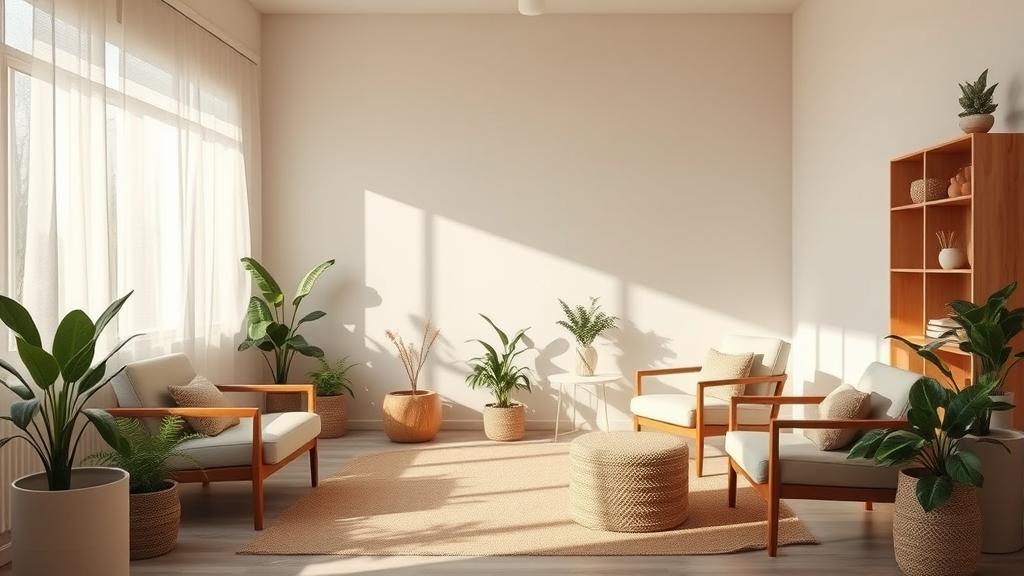
Creating a therapeutic environment goes far beyond simply arranging furniture in a room. The design and atmosphere of a therapy office can profoundly impact both therapist and client experiences, influencing everything from comfort levels to therapeutic outcomes. Whether you’re a seasoned practitioner looking to refresh your space or a new therapist setting up your first office, understanding the principles of therapeutic design can transform your practice.
A well-designed therapy office serves as a sanctuary where healing begins the moment someone walks through the door. It communicates safety, professionalism, and warmth while supporting the therapeutic process. The environment you create becomes an extension of your therapeutic approach, silently conveying your values and helping clients feel understood and accepted. This comprehensive guide will walk you through every aspect of creating a calming, functional therapy office that enhances your practice and supports your clients’ journey toward wellness.
Space Planning and Layout Fundamentals
The foundation of any effective therapy office begins with thoughtful space planning. Your layout should promote both comfort and functionality while maintaining appropriate professional boundaries. Consider the flow of movement within the space, ensuring clients can enter and exit easily without feeling trapped or exposed.
Position seating to create a sense of equality between therapist and client, avoiding arrangements where one person appears more powerful or dominant. A slight angle between chairs often works better than facing each other directly, as it reduces intensity while maintaining connection. Ensure there’s adequate space between seating – typically 4-6 feet – to respect personal boundaries while allowing for meaningful interaction.
Storage solutions should be both accessible and discreet. Built-in shelving, closed cabinets, and organizational systems help maintain the clean, uncluttered appearance that many clients find calming. Remember to plan for different therapy modalities you might use – some approaches may require floor space for movement, while others might need surfaces for art materials or play therapy tools.
Color Psychology in Therapeutic Design
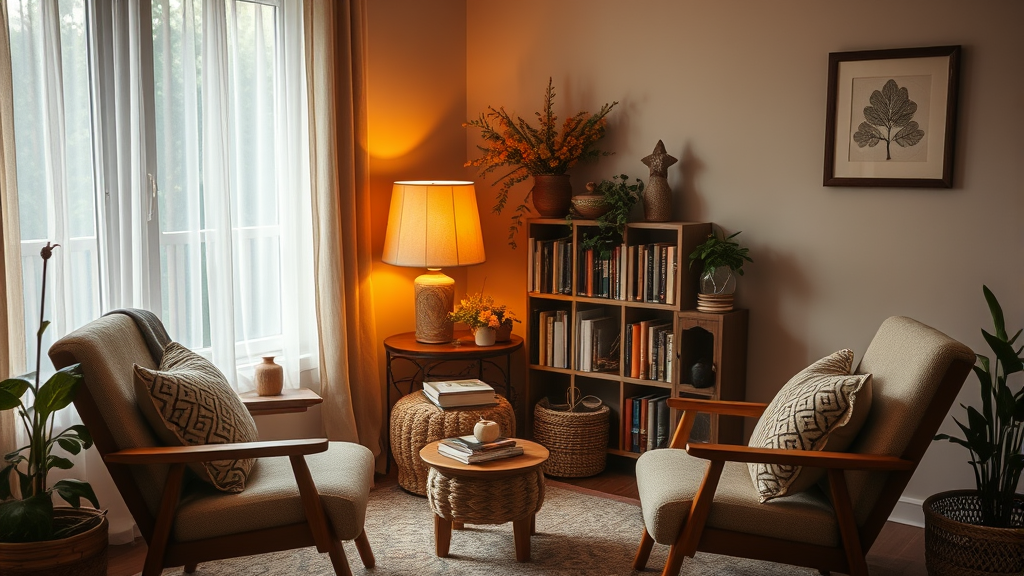
Colors have a profound psychological impact and can either support or hinder the therapeutic process. Neutral, earth-tone palettes generally work best in therapy offices, creating a sense of stability and calm. Soft blues promote tranquility and communication, while warm beiges and off-whites provide comfort without being sterile.
Avoid overly bright or stimulating colors like bright reds or oranges, which can increase anxiety or agitation. However, don’t make the space so neutral that it becomes bland or institutional. Incorporate subtle accent colors through artwork, pillows, or plants to add warmth and personality while maintaining the overall calming atmosphere.
Consider your client population when selecting colors. Working with children might allow for slightly more vibrant accents, while treating trauma survivors may call for particularly soothing, muted tones. The American Psychological Association notes that environmental factors, including color, can significantly impact therapeutic outcomes.
Furniture Selection for Comfort and Function
Comfortable, supportive seating is perhaps the most critical furniture investment in your therapy office. Chairs should provide good back support without being too soft or too firm. Many therapists prefer chairs that swivel slightly, allowing for natural body language and movement during sessions.
Consider having seating options of different heights and styles to accommodate various body types and preferences. Some clients feel more secure in chairs with arms, while others prefer the openness of armless seating. A small side table within reach provides a convenient spot for tissues, water, or personal items.
Your desk should be positioned thoughtfully – while you need workspace for notes and scheduling, a large desk between you and clients can create an unwanted barrier. Many therapists prefer a smaller writing surface positioned to the side, maintaining the intimate feel of the seating area while keeping professional materials accessible.
Lighting Considerations for Wellness
Lighting dramatically affects mood and comfort levels in therapeutic settings. Natural light is ideal when available, but it should be controllable through blinds or curtains to prevent glare and maintain privacy. Position seating to take advantage of natural light without having it directly in anyone’s eyes.
Artificial lighting should be warm and soft rather than harsh or fluorescent. Layer different light sources – overhead lighting, table lamps, and perhaps floor lamps – to create a welcoming atmosphere. Dimmer switches allow you to adjust lighting based on the time of day, weather conditions, or specific client needs.
According to research published by the National Institutes of Health, appropriate lighting can reduce stress and improve overall well-being, making it a crucial element in therapeutic environments.

Incorporating Natural Elements
Bringing elements of nature into your therapy office can significantly enhance the healing environment. Plants not only improve air quality but also provide a sense of life and growth that many clients find comforting. Choose low-maintenance options like snake plants, pothos, or peace lilies that thrive in indoor conditions.
Natural materials like wood, stone, or bamboo add warmth and authenticity to the space. A small water feature can provide soothing background sound while masking conversations for privacy. Natural textures through rugs, throws, or wall coverings create visual and tactile interest without being distracting.
Views of nature through windows are beneficial, but if that’s not possible, nature photography or artwork can provide similar psychological benefits. Research shows that even images of natural settings can reduce stress and promote healing.
Privacy and Acoustic Solutions
Privacy is paramount in therapeutic settings, both visual and auditory. Sound masking is essential – white noise machines, soft background music, or natural sounds can prevent conversations from being overheard. Position these sound sources strategically to be effective without being intrusive.
Acoustic panels, heavy curtains, or rugs can help absorb sound and create a more intimate atmosphere. If your office is in a busy building, consider additional soundproofing measures to minimize external distractions. The goal is creating a space where clients feel safe to speak openly without concern about being overheard.
Visual privacy is equally important. Ensure that computer screens, notes, and any identifying information about other clients are not visible. Position your space so that people passing by cannot see into therapy sessions, using frosted glass, curtains, or strategic furniture placement as needed.
Adding Personal and Professional Touches
While maintaining professional boundaries, adding personal touches can make your office feel more welcoming and human. Carefully selected artwork, books, or meaningful objects can serve as conversation starters and help clients feel more at ease. Consider pieces that reflect growth, hope, or resilience.
Display your credentials and any relevant certifications tastefully, as these help establish trust and credibility. However, avoid overwhelming the space with too many diplomas or awards, which can feel intimidating rather than reassuring.
Think about the different populations you serve when selecting décor. If you work with children, having some age-appropriate books or small toys available can help young clients feel more comfortable. For those exploring various therapy goals, inspirational quotes or artwork might provide motivation and hope.
Maintaining and Updating Your Space
Regular maintenance and periodic updates keep your therapy office fresh and welcoming. Establish cleaning routines that maintain the professional appearance while ensuring the space remains hygienic and comfortable. Pay attention to air quality, temperature control, and the condition of furniture and décor.
Consider seasonal updates that reflect the changing year while maintaining the overall calming atmosphere. This might involve changing throw pillow covers, rotating artwork, or adjusting lighting as daylight hours change. These small modifications can keep the space feeling dynamic while preserving its therapeutic qualities.
Stay informed about evolving best practices in therapeutic environment design. As you gain experience and your practice grows, you may want to make adjustments that better serve your specific client population or therapeutic approach. Whether clients are concerned about therapy cost or seeking specialized services like speech therapy, a well-maintained, thoughtfully designed office demonstrates your commitment to providing quality care.
Remember that your office environment should evolve with your practice. Regular assessment of what’s working and what could be improved ensures your space continues to support both your professional goals and your clients’ healing journeys. Mayo Clinic research emphasizes the importance of comfortable, well-designed workspaces for both physical and mental well-being.
Frequently Asked Questions
What size should a therapy office be?
An ideal therapy office should be at least 120-150 square feet to provide adequate space for comfortable seating, movement, and privacy. This allows for proper furniture placement while maintaining appropriate personal boundaries. Larger spaces of 200+ square feet work well for group therapy or family sessions, while smaller offices can work for individual therapy if well-designed.
How can I make my therapy office more welcoming for children?
Include child-friendly elements like a small play area with age-appropriate toys, colorful but not overwhelming décor, and furniture at different heights. Consider washable surfaces, safety features like rounded corners, and storage for play therapy materials. Maintain the overall calming atmosphere while adding elements that help children feel comfortable and engaged.
What’s the best way to handle confidentiality in an open office building?
Use white noise machines or soft background music to mask conversations, position seating away from doors and windows, and consider acoustic panels for sound absorption. Schedule appointments with buffer time to prevent clients from encountering each other, and use separate entrance/exit routes when possible. Frosted glass or privacy films on windows can prevent visual intrusion.
How often should I update my therapy office décor?
Make minor seasonal updates 2-4 times per year to keep the space feeling fresh, such as changing throw pillows, rotating artwork, or adding seasonal plants. Major updates to furniture, paint, or layout should be considered every 3-5 years or when your practice focus changes. Always prioritize consistency and familiarity for clients who may be sensitive to change.
What temperature should I maintain in my therapy office?
Keep your office between 68-72°F (20-22°C) for optimal comfort. Individual preferences vary, so having a small fan or space heater available can accommodate clients who run hot or cold. Good ventilation is essential for air quality, and some clients may be sensitive to strong scents from air fresheners or cleaning products.
Should I allow food and drinks in my therapy office?
Having water available for clients is considerate and helps them stay comfortable during sessions. Keep a small supply of bottled water or have a water cooler nearby. For longer sessions or clients with medical needs, light snacks might be appropriate. Establish clear policies about food to maintain cleanliness and prevent distractions during therapy.
How can I create privacy in a shared office space?
Use room dividers, curtains, or portable screens to create visual barriers. Invest in high-quality sound masking equipment and position it strategically. Schedule your space during quieter building hours when possible, and communicate with other professionals sharing the space about respecting therapy sessions. Consider renting during off-peak hours to ensure maximum privacy for your clients.