Therapy Balls: Stress Relief or Hype? Expert Insights
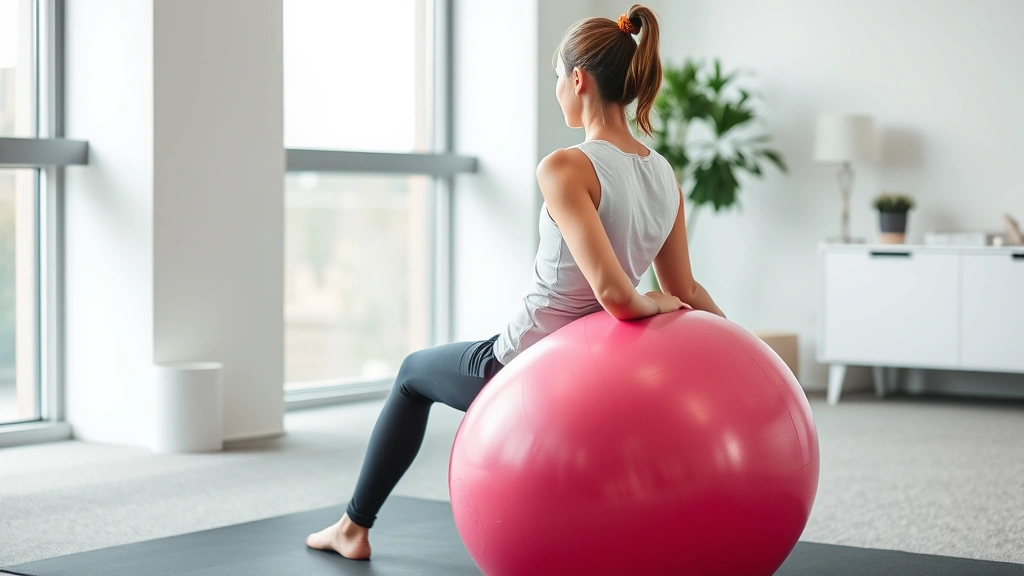
Therapy balls, also known as exercise balls or stability balls, have become ubiquitous in fitness centers, physical therapy clinics, and home offices worldwide. These large, inflatable spheres promise everything from improved core strength to reduced stress and better posture. But beneath the marketing claims lies a more nuanced reality. Are therapy balls genuinely effective tools for stress relief and therapeutic benefit, or have they become another fitness fad oversold to consumers seeking quick wellness solutions?
The answer, according to exercise scientists and therapeutic professionals, is somewhere in between. Therapy balls do offer legitimate benefits when used correctly as part of a comprehensive wellness strategy. However, they are not miracle devices capable of transforming health overnight. Understanding what research actually shows about therapy balls, how they work, and their appropriate applications is essential for anyone considering incorporating them into their stress management or physical health routine.

What Are Therapy Balls and How Do They Work?
A therapy ball is an inflatable sphere typically ranging from 45 to 85 centimeters in diameter, made from durable vinyl or rubber materials. Originally developed in Switzerland in the 1960s for rehabilitation purposes, therapy balls have evolved into multipurpose wellness tools used across various settings.
The mechanism behind therapy ball effectiveness centers on instability. Unlike sitting on a flat chair, a therapy ball’s curved surface creates an unstable seating environment that requires constant micro-adjustments from your core stabilizer muscles. This continuous engagement activates the deep abdominal muscles, lower back muscles, and hip stabilizers without requiring conscious effort. Additionally, the bouncing capacity of therapy balls allows for dynamic movements that traditional furniture cannot provide.
The stress relief component operates through multiple pathways. Physical movement itself reduces cortisol levels and increases endorphin production. The gentle bouncing motion can have a rhythmic, almost meditative quality that activates the parasympathetic nervous system. Furthermore, improved posture from therapy resources available through professional guides reduces physical tension and the associated mental stress that accompanies poor alignment.
Scientific Evidence for Stress Relief Benefits
Research on therapy balls reveals a more complex picture than marketing materials suggest. Several peer-reviewed studies demonstrate measurable benefits, while others show more modest results. A systematic review published in the Journal of Physical Therapy Science found that therapy ball exercises significantly improved trunk stability and reduced lower back pain in multiple trials. However, these benefits emerged primarily when therapy balls were used as part of structured exercise programs rather than casual sitting.
Regarding direct stress relief, the evidence is more limited. A study examining the effects of stability ball sitting on stress markers found that while participants reported subjective feelings of relaxation, physiological stress markers like cortisol levels showed minimal change compared to traditional seating. This suggests that psychological expectation may play a significant role in perceived benefits.
The National Institute of Health and Human Services acknowledges that while therapy balls can support physical therapy treatment and rehabilitation objectives, they should not replace established therapeutic interventions. Research from the American Council on Exercise indicates that therapy balls are most effective when incorporated into comprehensive exercise programs designed by qualified professionals.
External research from the National Center for Biotechnology Information provides extensive databases of peer-reviewed studies on exercise ball efficacy. Similarly, ScienceDirect hosts numerous studies examining the biomechanical effects of stability ball usage across different populations.
Core Strength and Posture Improvement
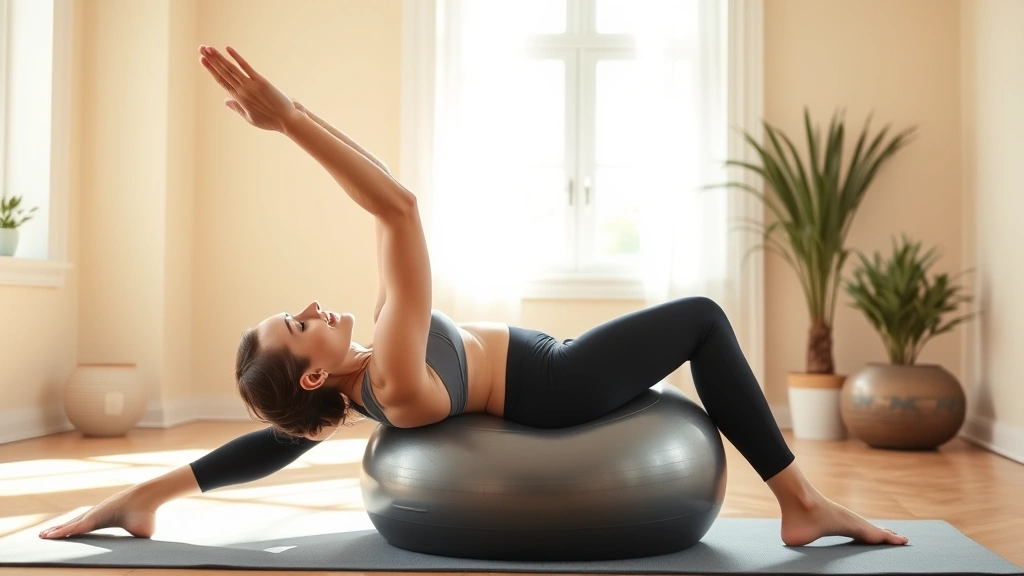
One area where therapy balls demonstrate consistent effectiveness is core strength development. The unstable surface forces deeper muscle engagement than traditional equipment. Research in the Journal of Strength and Conditioning Research documented that stability ball exercises activated core muscles at significantly higher levels than conventional floor exercises.
This core strengthening translates to tangible benefits for posture. As core muscles strengthen, they better support the spine and maintain proper alignment throughout the day. Improved posture reduces strain on neck and shoulder muscles, which often contribute to tension-related stress. Many professionals recommend therapy balls as desk chairs for limited periods, though extended use requires proper sizing and technique.
The relationship between posture and stress is well-documented in psychological research. Studies show that maintaining upright posture reduces anxiety and increases confidence compared to slumped positions. Therefore, a therapy ball’s role in promoting better posture indirectly supports stress reduction through this mechanism.
For individuals seeking complementary therapeutic approaches, combining therapy ball exercises with other modalities often produces superior results compared to any single intervention alone.
Comparing Therapy Balls to Other Wellness Tools
Understanding how therapy balls compare to alternative stress relief and wellness tools provides valuable perspective. Traditional meditation and mindfulness practices demonstrate stronger evidence for stress reduction than therapy balls alone. Yoga and Pilates offer comparable or superior core strengthening benefits while incorporating breathing techniques and mindfulness elements that enhance psychological outcomes.
Foam rollers provide complementary benefits by addressing muscle tension and fascial restriction, often working synergistically with therapy ball exercises. Standing desks offer postural benefits without the dynamic instability that some individuals find uncomfortable or distracting during focused work.
The advantage of therapy balls lies in their versatility and accessibility. Unlike some alternatives, they require minimal space, are relatively inexpensive, and can be used by people across different fitness levels. However, they are most effective when combined with other evidence-based approaches rather than relied upon as standalone solutions.
Professionals working in speech therapy and other therapeutic fields often incorporate therapy balls into comprehensive treatment plans, recognizing their role as supporting tools within larger therapeutic frameworks.
Proper Usage and Safety Considerations
Improper therapy ball usage can actually increase injury risk and reduce effectiveness. Correct sizing is fundamental; ball diameter should allow your hips and knees to form approximately 90-degree angles when seated. Using an incorrectly sized ball compromises posture and reduces muscle activation benefits.
Safety guidelines include:
- Gradual progression: Begin with shorter sitting periods and increase duration as your stabilizer muscles adapt
- Proper inflation: Maintain appropriate firmness according to manufacturer specifications; under-inflated balls reduce stability benefits
- Structured exercises: Follow established protocols designed by fitness professionals rather than improvising movements
- Surface selection: Use on flat, non-slippery surfaces away from obstacles
- Health screening: Individuals with certain conditions should consult healthcare providers before beginning therapy ball programs
Research from the American College of Sports Medicine emphasizes that therapy ball exercises should be learned under professional supervision initially to ensure proper form and progression.
Integration with Professional Therapy
Therapy balls achieve maximum effectiveness when integrated into professional therapeutic programs. Physical therapists use therapy balls to address specific musculoskeletal conditions, develop targeted rehabilitation protocols, and monitor progress objectively. Mental health professionals may incorporate gentle therapy ball movements as part of somatic therapy approaches that address mind-body connections in stress and trauma processing.
Understanding therapy costs and investment in professional guidance is worthwhile when considering therapy ball implementation. A single consultation with a qualified professional can establish a personalized program far more effective than general recommendations.
The integration approach recognizes therapy balls as valuable tools within comprehensive wellness ecosystems. They complement rather than replace established therapeutic interventions, professional counseling, medical treatment, or other evidence-based approaches. This positioning aligns with how therapeutic professionals structure overall treatment plans to address multiple dimensions of health.
For individuals exploring various wellness modalities, therapy balls represent one evidence-supported option among many. Their effectiveness depends largely on consistent, proper usage combined with other health-promoting behaviors including regular exercise, adequate sleep, stress management practices, and professional support when needed.
FAQ
Are therapy balls effective for stress relief?
Therapy balls can contribute to stress relief through physical movement, improved posture, and the rhythmic bouncing motion that some find meditative. However, research shows that direct stress reduction is modest compared to established practices like meditation or yoga. They work best as part of comprehensive wellness approaches rather than standalone solutions.
How long should I sit on a therapy ball daily?
Most experts recommend limiting continuous therapy ball sitting to 20-30 minutes initially, gradually increasing as your core muscles adapt. Extended periods without breaks can actually compromise posture and cause fatigue. Alternating between a therapy ball and traditional seating is generally recommended.
Can therapy balls replace my office chair?
Therapy balls can supplement office seating for limited periods but should not completely replace ergonomic chairs for full-time desk work. The instability that provides core benefits can become fatiguing and counterproductive during extended focused work requiring mental concentration.
What size therapy ball should I choose?
Ball size should allow your hips and knees to form approximately 90-degree angles when seated. Generally: 45cm for individuals under 5’1″, 55cm for 5’1″-5’7″, 65cm for 5’7″-6’1″, and 75cm+ for taller individuals. Always consult manufacturer sizing charts specific to your height and weight.
Are therapy balls safe for everyone?
While generally safe for most people, individuals with certain conditions including severe balance disorders, pregnancy complications, or recent spinal surgery should consult healthcare providers before using therapy balls. Professional guidance ensures appropriate application for individual circumstances.