
How Mindfulness Boosts Mental Health: Experts Explain
Mindfulness has emerged as one of the most scientifically validated approaches to improving mental health in recent decades. What was once considered a niche wellness practice is now recommended by psychologists, psychiatrists, and healthcare professionals worldwide as a complementary treatment for anxiety, depression, stress, and numerous other mental health conditions. The growing body of research supporting mindfulness demonstrates that this ancient practice offers measurable benefits for brain function, emotional regulation, and overall psychological well-being.
The integration of mindfulness into modern mental health care represents a significant shift in how we approach psychological wellness. Unlike pharmaceutical interventions alone, mindfulness provides individuals with practical tools they can use daily to manage their thoughts, emotions, and stress responses. When combined with other therapeutic modalities—including traditional talk therapy and emerging treatments like therapy resources available through professional networks—mindfulness creates a comprehensive approach to mental health that addresses both symptoms and underlying causes.
Understanding Mindfulness and Its Core Principles
Mindfulness is fundamentally about present-moment awareness without judgment. Jon Kabat-Zinn, who developed the widely-used Mindfulness-Based Stress Reduction (MBSR) program, defines mindfulness as “paying attention in a particular way: on purpose, in the present moment, and non-judgmentally.” This simple yet profound definition captures the essence of what makes mindfulness such a powerful mental health tool.
The core principles of mindfulness include intentional attention, acceptance, and non-reactivity. When practicing mindfulness, individuals learn to observe their thoughts and feelings as they arise without automatically responding to them or labeling them as good or bad. This creates psychological distance between the person and their mental content, reducing the automatic patterns that often fuel anxiety and depression. Rather than being swept away by negative thoughts, a mindful person can acknowledge them and choose how to respond.
Mindfulness differs significantly from simple relaxation or meditation. While relaxation focuses on achieving a calm state, mindfulness emphasizes awareness itself. A person practicing mindfulness might be aware of tension, discomfort, or difficult emotions without trying to change them. This paradoxically often leads to natural stress reduction, as the struggle against uncomfortable experiences typically intensifies them.
The practice encompasses several key components: focused attention, open monitoring, and loving-kindness meditation. Therapeutic approaches increasingly recognize that mental health treatment must address the mind-body connection, and mindfulness provides an accessible entry point for this integration.

The Neuroscience Behind Mindfulness
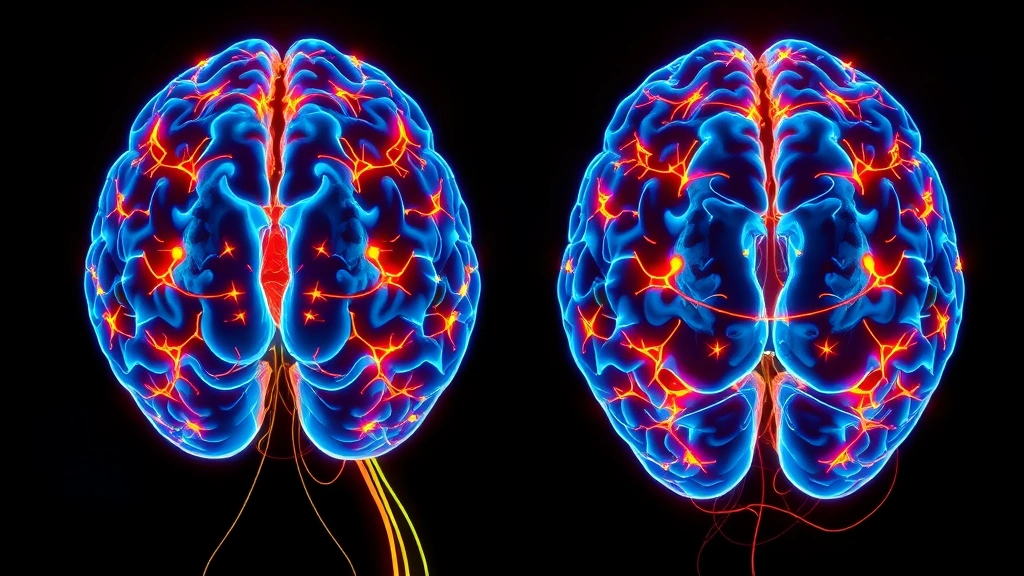
Over the past two decades, neuroscientists have documented how mindfulness literally changes brain structure and function. Functional MRI studies show that regular mindfulness practice increases gray matter density in several brain regions critical for emotional regulation, self-awareness, and attention. The prefrontal cortex, which governs executive function and rational thinking, becomes more active and better connected with other brain regions in people who meditate regularly.
Research published in Nature journals demonstrates that mindfulness reduces activity in the default mode network—the brain system associated with mind-wandering, self-referential thinking, and rumination. Excessive default mode network activity is implicated in depression and anxiety disorders. By training attention through mindfulness, practitioners essentially rewire their brains to spend less time in rumination and more time in present-moment awareness.
The amygdala, the brain’s threat-detection center, shows reduced volume and reactivity in people who practice mindfulness regularly. This neurobiological change explains why mindfulness practitioners report feeling less reactive to stressors. Their brains literally become less sensitive to perceived threats, and they develop greater capacity to regulate emotional responses. Simultaneously, the hippocampus—crucial for memory and emotion regulation—increases in size and connectivity with the prefrontal cortex.
Neurochemical changes also occur with mindfulness practice. Regular meditation increases production of neurotransmitters associated with mood regulation and stress relief, including serotonin, dopamine, and GABA. These changes persist even when the person is not actively meditating, suggesting that mindfulness creates lasting alterations in brain chemistry. This neuroplasticity—the brain’s ability to rewire itself—forms the biological foundation for mindfulness’s mental health benefits.
Mindfulness for Anxiety and Depression
Anxiety disorders and depression represent two of the most common mental health challenges, affecting millions globally. Clinical trials consistently demonstrate that mindfulness-based interventions effectively reduce symptoms of both conditions. Mindfulness-Based Cognitive Therapy (MBCT), originally developed for depression relapse prevention, has proven so effective that it’s now recommended as a first-line treatment by major health organizations.
For anxiety, mindfulness works through several mechanisms. Anxious individuals typically engage in catastrophic thinking—imagining worst-case scenarios and becoming caught in worry loops. Mindfulness teaches practitioners to observe anxious thoughts without believing them or acting on them. This simple shift in relationship to thoughts dramatically reduces anxiety’s grip. Instead of fighting anxiety or trying to suppress it, mindfulness practitioners learn to notice it, acknowledge it, and allow it to pass naturally.
Depression often involves rumination about the past and hopelessness about the future. Mindfulness’s emphasis on present-moment awareness directly counteracts this pattern. When someone caught in depression learns to anchor their attention in the present—the breath, bodily sensations, or sensory experiences—they temporarily break the rumination cycle. With repeated practice, this becomes a lasting skill that prevents depressive spirals from taking hold.
Research from the American Psychological Association shows that mindfulness-based interventions produce effect sizes comparable to antidepressant medications for mild to moderate depression, with the added benefit of no pharmaceutical side effects. For many individuals, combining mindfulness with other interventions—such as evidence-based physical therapies—creates optimal outcomes.
Practical Mindfulness Techniques for Daily Life
Implementing mindfulness doesn’t require extensive training or special equipment. Several practical techniques have strong research support and can be integrated into daily routines.
Body Scan Meditation: This foundational practice involves systematically directing attention through different body regions, noticing sensations without trying to change them. A typical body scan takes 20-45 minutes and helps develop awareness of the mind-body connection while promoting deep relaxation. This technique proves particularly valuable for those dealing with stress-related tension.
Mindful Breathing: Simple breath awareness forms the foundation of most mindfulness practices. By focusing on the natural rhythm of breathing—without trying to change it—practitioners anchor attention in the present moment. Even five minutes of mindful breathing can reduce stress and anxiety. This technique’s simplicity makes it accessible for beginners and remains powerful for experienced practitioners.
Loving-Kindness Meditation: This practice involves systematically cultivating feelings of compassion toward oneself and others. Research shows loving-kindness meditation particularly benefits depression and social anxiety by increasing positive emotions and reducing self-criticism. Regular practice literally rewires the brain toward greater compassion.
Mindful Movement: Yoga, tai chi, and mindful walking integrate movement with attention training. These practices combine the benefits of mindfulness with physical activity, addressing both mental and physical health. Holistic therapy approaches increasingly incorporate mindful movement as part of comprehensive treatment plans.
Daily Mindfulness Practices: Eating mindfully, engaging in mindful listening during conversations, and practicing mindful transitions between activities extend mindfulness benefits throughout the day. These informal practices often prove easier to sustain than formal meditation for people with busy schedules.
Integrating Mindfulness with Other Therapeutic Approaches
While mindfulness offers powerful benefits independently, its integration with other therapeutic modalities creates synergistic effects. Cognitive-behavioral therapy (CBT) combined with mindfulness helps individuals not just change thought patterns but also develop a different relationship with thoughts themselves. This combination addresses both the content of thinking and the process of thinking.
Mindfulness-Based Stress Reduction programs often incorporate psychoeducation about stress physiology, helping participants understand why mindfulness works at a biological level. This knowledge increases motivation and adherence to practice. Many therapy professionals now integrate mindfulness into their practice, recognizing its complementary nature with traditional therapeutic approaches.
For individuals considering or already engaged in therapy, understanding treatment costs becomes important. Comprehensive therapy cost guides help people make informed decisions about their mental health investment. Mindfulness offers a cost-effective complement to therapy, as many free or low-cost resources exist for learning the practice.
Pharmacological treatments for mental health conditions can be enhanced by mindfulness practice. Rather than replacing medication, mindfulness often allows individuals to use lower doses or eventually discontinue medications under professional supervision. The combination of biological intervention (medication) and psychological intervention (mindfulness) addresses mental health from multiple angles.
Emerging research also explores mindfulness integration with innovative therapies. Some practitioners combine mindfulness with technologies like biofeedback, creating hybrid approaches that leverage both ancient wisdom and modern science. This integrative perspective represents the future of mental health treatment.
Challenges and Considerations
While mindfulness benefits most people, it’s not universally appropriate or equally effective for everyone. Individuals with certain psychiatric conditions, particularly some forms of psychosis or severe dissociation, may experience adverse effects from meditation practices that increase internal focus. Those with trauma histories sometimes find that sitting quietly with their thoughts triggers distressing memories.
The “mindfulness industry” has also created some challenges. Commercial mindfulness apps and programs sometimes oversimplify or misrepresent the practice, marketing it as a quick fix for serious mental health conditions. Mindfulness works best when practiced regularly and with realistic expectations about the timeline for experiencing benefits.
Cultural appropriation concerns also warrant consideration. Mindfulness has roots in Buddhist and other contemplative traditions spanning thousands of years. While secularized mindfulness programs make the practice accessible to broader populations, maintaining awareness of these origins and respecting the traditions from which mindfulness emerges remains important.
Finding qualified teachers matters significantly. While mindfulness can be self-taught through books and apps, working with experienced instructors—particularly when managing mental health conditions—ensures proper technique and appropriate modifications. Some mental health professionals specialize in mindfulness-based interventions and can tailor practice to individual needs and contraindications.
FAQ
How long does it take to experience mindfulness benefits?
Some benefits appear immediately—even a single meditation session can reduce stress and increase calm. However, lasting changes in mood, anxiety levels, and emotional regulation typically develop over weeks and months of consistent practice. Research suggests that practicing 10-20 minutes daily for at least eight weeks produces measurable neurobiological changes. Individual timelines vary based on frequency of practice, life circumstances, and baseline mental health status.
Can mindfulness replace psychiatric medication?
Mindfulness should not replace necessary psychiatric medication without professional guidance. However, mindfulness can be an excellent complement to medication and sometimes allows individuals to eventually reduce dosages under careful supervision. The decision to adjust or discontinue medication should always involve consultation with a qualified psychiatrist or physician.
What’s the difference between mindfulness and meditation?
Meditation is a practice—a structured activity you do. Mindfulness is the quality of awareness that develops through meditation and other practices. You can meditate without being particularly mindful, and you can practice mindfulness without formal meditation. Both contribute to mental health, but they’re distinct concepts.
Is mindfulness religious?
While mindfulness has roots in Buddhist tradition, secular mindfulness practice is completely non-religious. Modern mindfulness-based interventions like MBSR make no religious claims and work well for people of all faith backgrounds or no religious affiliation. The practice focuses purely on attention training and present-moment awareness.
What if I can’t quiet my mind during meditation?
This is a common misconception about mindfulness. The goal isn’t to achieve a blank mind or silence all thoughts. Instead, mindfulness involves noticing thoughts as they arise and gently returning attention to the chosen focus (breath, body sensations, etc.). A “busy” mind during meditation isn’t failure—it’s simply an opportunity to practice the skill of redirecting attention.