
How Can Mindfulness Boost Mental Health? Expert Insights
Mindfulness has emerged as one of the most scientifically validated approaches to improving mental health and emotional resilience. By cultivating present-moment awareness and non-judgmental observation of thoughts and feelings, individuals can fundamentally transform their relationship with stress, anxiety, and depression. This comprehensive guide explores the mechanisms behind mindfulness practice and how it complements other therapeutic interventions to create lasting psychological well-being.
Mental health professionals across the globe increasingly recommend mindfulness-based interventions as evidence-based treatments. Whether you’re seeking to enhance your emotional wellness or exploring complementary approaches alongside traditional therapy, understanding how mindfulness works can empower you to make informed decisions about your mental health journey.
What Is Mindfulness and How Does It Work
Mindfulness is the practice of intentionally paying attention to the present moment with openness, curiosity, and acceptance. Unlike meditation, which is one specific technique, mindfulness is a broader mental state that can be cultivated through various practices and integrated into daily life. The core principle involves observing your thoughts, emotions, and physical sensations without judgment or attempts to change them.
The mechanism of mindfulness operates through several psychological processes. First, it creates psychological distance between you and your thoughts—allowing you to observe them as mental events rather than facts. Second, it activates your parasympathetic nervous system, which counteracts the stress response. Third, it enhances metacognitive awareness, meaning you become better at noticing your own thought patterns and emotional triggers. When you seek help from mental health professionals, many now incorporate mindfulness as part of comprehensive treatment plans available through resources like the MindLift Daily Blog, which offers extensive therapy resources and guidance.
Research from the American Psychological Association demonstrates that mindfulness reduces rumination—the repetitive thinking pattern that perpetuates anxiety and depression. By anchoring attention to present experience, you naturally interrupt the cycle of dwelling on past regrets or future worries.

The Neuroscience Behind Mindfulness
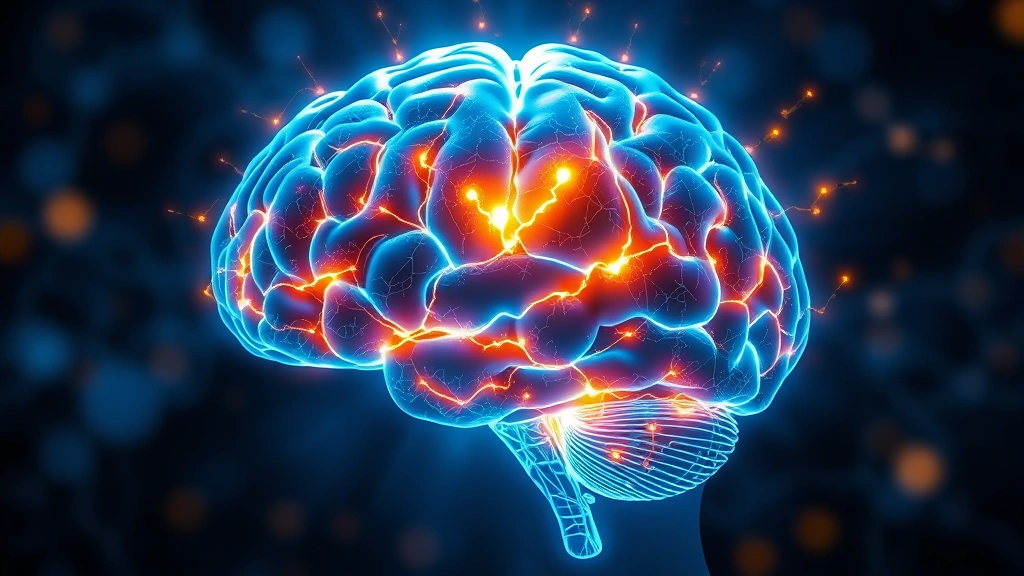
Advanced neuroimaging studies reveal that consistent mindfulness practice physically restructures the brain in beneficial ways. Research published in Nature journals shows that meditation increases gray matter density in the prefrontal cortex, the region responsible for executive function, decision-making, and emotional regulation. Simultaneously, it reduces activity in the amygdala, which processes fear and emotional reactivity.
The default mode network (DMN) represents another crucial brain system affected by mindfulness. This network activates when your mind wanders and is associated with self-referential thinking and rumination. Regular practitioners show decreased DMN activity, correlating with reduced anxiety symptoms. Additionally, mindfulness strengthens the anterior cingulate cortex, enhancing your ability to detect conflicts and regulate attention.
Neuroplasticity—the brain’s ability to form new neural connections—underlies these changes. Each mindfulness session reinforces pathways that promote calm, focused attention. Over weeks and months, these temporary changes become stable structural modifications. This neurobiological foundation explains why mindfulness produces lasting improvements rather than temporary relief. Whether you’re exploring different therapeutic modalities or considering therapy cost options, understanding the neuroscience validates the investment in mental health care.
Mindfulness for Anxiety and Depression
Anxiety disorders and depression represent two of the most prevalent mental health conditions, affecting millions globally. Mindfulness-based approaches have demonstrated remarkable efficacy for both conditions. For anxiety, mindfulness interrupts the anticipatory worry cycle by grounding attention in present reality, where most people are actually safe. The feared future event hasn’t occurred, and mindfulness helps you recognize this distinction.
For depression, which often involves rumination about past failures and hopelessness about the future, mindfulness offers a powerful counterbalance. By training attention to remain present, you reduce the mental time travel that fuels depressive episodes. Research indicates that the National Institute of Mental Health recognizes Mindfulness-Based Cognitive Therapy (MBCT) as particularly effective for preventing depression relapse.
The combination of mindfulness with other therapeutic approaches creates synergistic benefits. Many practitioners recommend pairing mindfulness practice with evidence-based treatments, and professionals offering speech therapy and mental health services often incorporate mindfulness components into comprehensive treatment protocols.
Integrating Mindfulness with Professional Therapy
While mindfulness is powerful independently, integrating it with professional therapy amplifies benefits. Therapists trained in mindfulness-based approaches help you apply these principles to specific psychological challenges. Cognitive-behavioral therapy combined with mindfulness, for instance, addresses unhelpful thought patterns while building acceptance of difficult emotions.
Professional therapists guide you through deeper exploration of your emotional landscape. They help identify triggers, patterns, and underlying beliefs that mindfulness awareness brings to light. This integration is particularly valuable for trauma recovery, where mindfulness helps regulate nervous system activation while therapy addresses trauma memories and beliefs. Those exploring physical therapy treatment in conjunction with mental health care often find that mindfulness supports overall wellness during rehabilitation processes.
The therapeutic relationship itself becomes enhanced through mindfulness. When therapists practice mindfulness, they offer deeper presence and attunement to clients. This quality of attention facilitates healing and builds the trust necessary for transformative work. Professional mental health providers increasingly recognize that mindfulness isn’t a replacement for therapy but rather a complementary practice that deepens therapeutic outcomes.
Practical Mindfulness Techniques
Implementing mindfulness doesn’t require extensive training or special equipment. Several accessible techniques can begin transforming your mental health immediately:
- Body Scan Meditation: Systematically direct attention through different body regions, noticing sensations without judgment. This practice grounds you in physical experience and reveals how emotions manifest physically.
- Breathing Awareness: Focus on natural breath patterns without altering them. The breath serves as an anchor to the present moment and activates parasympathetic responses.
- Mindful Walking: Pay full attention to walking sensations—foot contact with ground, leg movement, environmental sounds. This integrates mindfulness into daily activity.
- Loving-Kindness Meditation: Direct well-wishes toward yourself and others, cultivating compassion and reducing self-criticism common in anxiety and depression.
- Mindful Eating: Eat slowly, noticing colors, textures, flavors, and sensations. This practice reduces stress-related overeating and enhances enjoyment of food.
- Thought Observation: Notice thoughts arising without trying to suppress or change them. Label them as “thinking” and gently return attention to breath or body sensations.
Starting with just five to ten minutes daily produces measurable benefits. Consistency matters more than duration—daily practice of shorter sessions outperforms occasional longer sessions. Many people find that establishing a specific time and location supports habit formation.
Mindfulness and Physical Health Connection
Mental and physical health interconnect profoundly, and mindfulness addresses both simultaneously. Chronic stress triggers inflammatory responses throughout the body, contributing to cardiovascular disease, weakened immunity, and accelerated aging. Mindfulness reduces stress hormones like cortisol, thereby decreasing inflammation and supporting physical health.
The mind-body connection operates through multiple pathways. Stress-induced muscle tension, poor sleep, and unhealthy coping behaviors all improve with mindfulness practice. Additionally, the acceptance cultivated through mindfulness helps people manage chronic pain more effectively by reducing the emotional suffering layered atop physical discomfort. Those exploring complementary approaches like red light therapy for physical recovery often integrate mindfulness to address the psychological dimensions of healing.
Research demonstrates that mindfulness practitioners show improved sleep quality, lower blood pressure, and stronger immune function. These physical improvements reinforce mental health gains, creating positive feedback loops where feeling better physically supports emotional resilience and vice versa. This holistic benefit makes mindfulness valuable for overall wellness, not just mental health treatment.
Creating a Sustainable Practice
Establishing a lasting mindfulness practice requires intentional strategy. Begin with realistic expectations—mindfulness isn’t about achieving a blank mind or feeling constantly peaceful. Instead, it’s about developing a different relationship with your mental experience. Expect your mind to wander; noticing the wandering and gently returning attention is the practice itself.
Identify potential obstacles before they derail your practice. Common challenges include inconsistent motivation, difficulty quieting the mind, and skepticism about benefits. Address these by joining mindfulness groups, using guided apps or recordings, or working with occupational therapy professionals who can personalize approaches to your needs and lifestyle.
Track your progress through journaling emotional states, anxiety levels, and sleep quality. These tangible markers often provide motivation when subjective experience feels unclear. Many practitioners find that combining formal meditation practice with informal mindfulness—bringing full attention to daily activities—creates comprehensive integration.
Seasonal adjustments help maintain consistency. Winter might require shorter sessions or different times of day compared to summer. Life transitions often disrupt established practices, so anticipating these changes and planning modifications prevents complete abandonment during challenging periods.
FAQ
How long does it take to experience mindfulness benefits?
Research indicates that noticeable improvements in anxiety and mood can emerge within two to four weeks of consistent daily practice. However, structural brain changes and deep habit formation typically require eight to twelve weeks. Individual variation exists based on practice consistency, prior mental health status, and life circumstances. Some people report immediate calming effects, while others notice gradual shifts over time.
Can mindfulness replace professional mental health treatment?
Mindfulness serves as a powerful complement to professional treatment but shouldn’t replace it for serious mental health conditions. Severe depression, bipolar disorder, psychosis, and other complex conditions require professional intervention. Mindfulness works best integrated within comprehensive care that may include therapy, medication, and lifestyle changes. Consult mental health professionals to determine appropriate treatment combinations for your specific situation.
What’s the difference between mindfulness and meditation?
Meditation is a specific practice involving dedicated time focusing attention inward. Mindfulness is a broader mental state and quality of attention applicable throughout daily life. Meditation is one tool for cultivating mindfulness, but mindfulness can be practiced during any activity—eating, walking, working, or conversing. You can meditate without being particularly mindful, and you can be mindful without formal meditation.
Is mindfulness religious or spiritual?
While mindfulness has roots in Buddhist traditions, contemporary mindfulness practice is secular and evidence-based. Scientific research validates its benefits regardless of spiritual beliefs. People of all faith traditions and those with no religious affiliation practice mindfulness successfully. The practice focuses on present-moment awareness and acceptance rather than specific philosophical or spiritual doctrines.
How do I know if I’m doing mindfulness correctly?
There’s no “correct” way to do mindfulness—the practice itself is doing it correctly. When your mind wanders and you notice, then return attention, that’s perfect mindfulness. Expectations of achieving special states or profound insights often interfere with practice. The goal is simply to notice where your attention is and gently guide it back when it drifts. Consistency and gentle persistence matter far more than achieving particular experiences.
Can mindfulness help with specific phobias or trauma?
Mindfulness supports trauma and phobia treatment when integrated with specialized therapies like trauma-focused cognitive-behavioral therapy or exposure therapy. Mindfulness helps regulate nervous system activation during therapeutic processing. However, practicing mindfulness with unprocessed trauma can sometimes intensify distress. Working with trained therapists ensures mindfulness supports rather than hinders trauma recovery. Discuss your trauma history before beginning mindfulness practice with mental health professionals.
Mindfulness represents a scientifically validated approach to enhancing mental health and emotional resilience. Through consistent practice, you can reshape neural pathways, reduce anxiety and depression, and cultivate greater emotional balance. The integration of mindfulness with professional mental health care creates comprehensive approaches addressing both immediate symptoms and long-term wellness. Whether you’re beginning your mindfulness journey or deepening an established practice, the potential for meaningful mental health improvements awaits. Start small, remain consistent, and allow the transformative power of present-moment awareness to unfold in your life.