Stem Cell Therapy: Can It Relieve Back Pain? Experts Weigh In
Back pain affects millions of people worldwide, with chronic cases often resistant to conventional treatments. In recent years, stem cell therapy for back pain has emerged as a promising frontier in regenerative medicine, offering hope to those seeking alternatives to surgery and long-term medication. But does the science support the hype? This comprehensive guide explores what experts say about stem cell therapy’s potential to address back pain, examining the mechanisms, evidence, clinical applications, and realistic expectations.
The human spine is a complex structure vulnerable to degeneration, injury, and age-related wear. Traditional approaches like physical therapy, injections, and surgery have helped many patients, yet others continue suffering despite these interventions. Stem cell therapy represents a fundamentally different approach—one that aims to repair damaged tissues rather than merely manage symptoms. Understanding how this technology works and what research reveals is essential for anyone considering this treatment option.
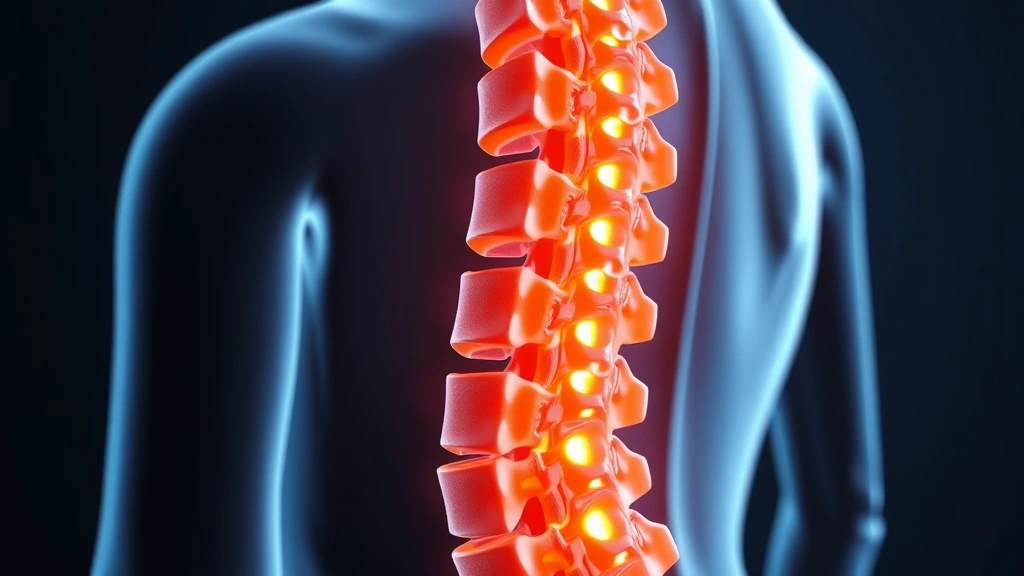
How Stem Cell Therapy Works for Back Pain
Stem cell therapy operates on a principle fundamentally different from conventional back pain treatments. Rather than masking pain or removing damaged structures, this approach leverages the regenerative potential of stem cells to repair and restore damaged tissues. Stem cells are undifferentiated cells capable of developing into specialized cell types throughout the body, and they possess remarkable healing properties.
When injected into damaged spinal tissues, stem cells can differentiate into various cell types needed for repair, including cartilage cells, bone cells, and disc cells. Additionally, these cells secrete bioactive substances called cytokines and growth factors that reduce inflammation, promote blood flow, and create an environment conducive to healing. The therapeutic potential of regenerative approaches has drawn significant attention from the medical community.
The intervertebral discs, which cushion vertebrae and allow spinal movement, are particularly vulnerable to degeneration. Once damaged, these discs have limited natural healing capacity because they receive minimal blood supply. Stem cells can penetrate this avascular environment and promote disc regeneration from within, potentially restoring function and reducing pain.
Inflammation plays a central role in chronic back pain. Stem cells possess immunomodulatory properties, meaning they can regulate immune responses and reduce inflammatory markers. This anti-inflammatory effect may provide relief independent of structural repair, benefiting patients with various pain-generating conditions.

Types of Stem Cells Used in Treatment
Not all stem cells are created equal. Different sources and types possess varying capabilities, with important implications for treatment efficacy and safety. Understanding these distinctions helps patients make informed decisions about their care.
Bone Marrow-Derived Stem Cells (BMSCs) represent one of the most extensively studied sources. These multipotent cells can differentiate into bone, cartilage, fat, and other tissues. Harvesting involves extracting bone marrow, typically from the hip, and isolating stem cells through centrifugation. BMSCs have demonstrated effectiveness in multiple clinical studies and are considered the gold standard in many regenerative medicine applications.
Adipose-Derived Stem Cells (ADSCs) come from fat tissue and offer practical advantages—fat is abundant and easily accessible through liposuction procedures. ADSCs possess strong immunomodulatory and anti-inflammatory properties, making them particularly valuable for inflammatory back conditions. They also secrete significant quantities of growth factors and cytokines.
Umbilical Cord-Derived Stem Cells originate from donated umbilical cord tissue after birth. These cells are younger and potentially more potent than adult-derived cells. They possess immunomodulatory properties and lower immunogenicity, meaning they’re less likely to trigger immune rejection. However, their use involves ethical considerations and regulatory complexities.
Embryonic Stem Cells (ESCs) are pluripotent, meaning they can differentiate into virtually any cell type. While theoretically powerful, ethical concerns, regulatory restrictions, and tumor formation risks have limited their clinical application in back pain treatment. Most current clinical practice focuses on adult-derived and cord-derived options.
The choice between cell types depends on multiple factors: the specific condition being treated, desired cell potency, harvesting feasibility, regulatory approval in your jurisdiction, and cost considerations. Each type has advantages and limitations that experts weigh when recommending treatment approaches.
Clinical Evidence and Research Findings
Scientific evidence supporting stem cell therapy for back pain continues accumulating, though researchers emphasize that more rigorous studies are needed. The landscape includes promising preliminary results alongside important caveats about study design and generalizability.
A systematic review published in Spine examining stem cell therapy for intervertebral disc degeneration found that most studies reported pain reduction and functional improvement in patient populations. However, reviewers noted significant heterogeneity in study designs, cell types, injection techniques, and outcome measures, making direct comparisons challenging.
Research from the National Institutes of Health has documented that stem cell treatments can modulate inflammatory responses in degenerative disc disease, with some patients experiencing sustained pain relief for 12-24 months post-treatment.
A notable study published in Global Spine Journal followed patients receiving autologous bone marrow-derived stem cell injections for chronic discogenic back pain. At 12-month follow-up, approximately 70% of patients reported significant pain reduction, with improved function and reduced opioid usage. These results, while encouraging, come from relatively small patient populations and lack the control groups necessary for definitive efficacy claims.
The National Clinical Trials database currently lists numerous ongoing studies investigating stem cell therapy for various spinal conditions. These investigations will provide more robust evidence as they conclude, helping establish clearer efficacy profiles and optimal treatment protocols.
Importantly, experts note that positive outcomes aren’t universal. Patient selection appears critical—those with specific degenerative conditions often show better responses than those with mechanical pain or nerve compression. Age, overall health status, and degree of degeneration influence treatment success, suggesting that stem cell therapy works best for appropriately selected candidates.
Conditions Treated with Stem Cell Therapy
Stem cell therapy shows particular promise for specific back pain conditions where conventional treatments have limitations. Understanding which conditions respond best helps set realistic expectations.
Intervertebral Disc Degeneration (IDD) represents the most common application. As discs lose hydration and structural integrity with age, they become pain generators. Stem cells can potentially regenerate disc tissue, restoring cushioning function and reducing pain. This application has attracted the most research attention and shows among the most promising results.
Facet Joint Osteoarthritis involves degeneration of the small joints connecting vertebrae. Stem cells can differentiate into cartilage cells and reduce inflammation in these joints. Some clinicians combine stem cell therapy with complementary modalities to enhance outcomes, though evidence for combination approaches remains limited.
Chronic Discogenic Pain occurs when degenerated discs generate pain signals despite no nerve compression. Stem cells address the underlying degenerative process rather than nerve-related symptoms, making this an ideal application for this therapy.
Post-Surgical Scar Tissue and Failed Back Surgery Syndrome represent challenging conditions where stem cells might reduce inflammation and promote tissue remodeling. Some patients with failed conventional treatments have reported improvement following stem cell intervention.
Sacroiliac Joint Dysfunction involves inflammation and degeneration of the joint connecting the sacrum to the ilium. Stem cell injections into this joint can reduce pain and improve stability through tissue regeneration and anti-inflammatory effects.
Conversely, stem cell therapy shows less promise for conditions involving active nerve compression, severe structural instability, or acute traumatic injury. In these cases, conventional approaches like physical therapy or surgery remain primary treatments.
The Treatment Process Explained
Understanding the procedural steps helps patients know what to expect and prepare appropriately. The process varies depending on cell source and clinical protocol, but generally follows a predictable sequence.
Phase One: Consultation and Evaluation involves detailed medical history, imaging review, and physical examination. Providers assess whether stem cell therapy is appropriate for the patient’s specific condition. Advanced imaging like MRI helps identify target tissues and degenerative patterns. Baseline pain and function measurements establish metrics for tracking improvement.
Phase Two: Cell Harvesting depends on the cell source. For bone marrow-derived cells, a physician performs bone marrow aspiration under local anesthesia, typically from the posterior iliac crest (hip bone). For adipose-derived cells, a small liposuction procedure extracts fat tissue. For umbilical cord-derived cells, no harvesting is necessary—cells come from banked tissue. Harvesting typically takes 30-60 minutes and causes minimal discomfort.
Phase Three: Cell Processing and Expansion occurs in a laboratory setting. The harvested tissue undergoes processing to isolate stem cells, often with concentration and expansion to achieve therapeutic cell counts. Some protocols use point-of-care systems allowing same-day processing, while others require several days. Quality control testing ensures cell viability, sterility, and appropriate cell counts.
Phase Four: Cell Injection represents the therapeutic intervention. Using imaging guidance (fluoroscopy or ultrasound), a physician injects processed stem cells directly into the target tissue—typically the intervertebral disc, facet joint, or surrounding soft tissues. The injection procedure takes 20-45 minutes and uses local anesthesia. Precise placement is critical for optimal outcomes.
Phase Five: Recovery and Rehabilitation begins immediately post-injection. Most protocols recommend activity modification for several days, with gradual return to normal activities over weeks. Some providers recommend supervised physical therapy to optimize outcomes, though specific rehabilitation protocols vary. Patients typically experience initial soreness that resolves within days.
Phase Six: Follow-Up Monitoring involves periodic assessments tracking pain levels, function, and imaging findings. Most providers schedule follow-ups at 4-6 weeks, 3 months, 6 months, and 12 months post-treatment. Some patients experience gradual improvement over several months as stem cells promote tissue regeneration.
Safety Considerations and Risks
While stem cell therapy shows promise, responsible discussion requires acknowledging potential risks and safety considerations. Current evidence suggests the procedure is relatively safe when performed by qualified practitioners, but complications can occur.
Injection-Related Risks include infection, bleeding, and nerve or blood vessel damage. These risks are minimized through image-guided injection techniques, sterile protocols, and experienced practitioners. Infection rates in published studies remain low, typically under 1%.
Cell-Related Risks involve potential complications from the stem cells themselves. Theoretical concerns include uncontrolled cell proliferation or tumor formation, though these risks appear minimal with adult-derived stem cells. Embryonic stem cells carry higher theoretical tumor risks, which is one reason their use in back pain treatment remains limited.
Immune Reactions can occur when the patient’s immune system recognizes injected cells as foreign. Autologous cells (from the patient’s own body) minimize this risk. Allogeneic cells (from donors) carry higher immunogenicity, though umbilical cord-derived cells show relatively low immunogenic potential.
Regulatory and Quality Concerns represent significant issues. The FDA regulates stem cell therapies, and treatments must comply with specific guidelines. Some clinics operate in regulatory gray areas, using unapproved protocols or making unsubstantiated claims. Patients should verify that treatments comply with FDA regulations and that practitioners have appropriate credentials and experience.
The FDA’s guidance on stem cell therapies emphasizes that most stem cell treatments remain experimental. Patients should understand that they’re participating in innovative treatment rather than established standard care, and should carefully review informed consent documents.
Long-Term Safety Data remains limited. Most published studies track patients for 1-2 years, but longer-term safety and efficacy data are still accumulating. Patients should be comfortable with this uncertainty and maintain realistic expectations about evidence maturity.
Cost and Insurance Coverage
Financial considerations significantly influence treatment decisions, as stem cell therapy typically involves substantial out-of-pocket costs. Understanding pricing and coverage helps patients plan appropriately.
Treatment costs typically range from $5,000 to $15,000 depending on cell type, number of injections, facility location, and practitioner experience. Bone marrow-derived procedures generally cost less than adipose-derived approaches due to simpler processing. Multiple-injection protocols cost more than single injections. Urban centers and prestigious institutions often charge premium rates.
Insurance coverage remains limited. Most major insurance carriers classify stem cell therapy for back pain as experimental or investigational, resulting in non-coverage. Medicare similarly doesn’t cover most stem cell treatments outside of clinical trials. Some patients with specific conditions or clinical trial participation may achieve coverage, but this remains exceptional.
Patients should verify coverage before treatment by contacting their insurance provider directly. Some clinics offer payment plans or financing options to make treatment more accessible. Healthcare savings accounts (HSAs) can sometimes be used for treatment costs, though verification with account administrators is necessary.
The financial aspects of medical treatments warrant careful consideration alongside clinical factors. Patients should ensure they’re making informed financial decisions and not being exploited by clinics making unrealistic promises at excessive prices.
Comparing Stem Cell Therapy to Other Options
Evaluating stem cell therapy requires understanding how it compares to established alternatives. Different approaches offer distinct advantages and limitations depending on the patient’s specific situation.
Physical Therapy and Conservative Management represent first-line treatments for most back pain. These approaches are safe, evidence-based, and often effective. However, they require sustained effort and don’t work for all patients. Stem cell therapy might benefit those who’ve exhausted conservative options without adequate relief.
Epidural Steroid Injections provide temporary pain relief through anti-inflammatory effects, typically lasting weeks to months. They’re minimally invasive and relatively inexpensive but don’t address underlying tissue damage. Stem cell therapy aims for longer-lasting benefits through tissue regeneration rather than temporary symptom relief.
Surgical Fusion and Decompression represent definitive interventions for specific conditions like severe stenosis or instability. Surgery carries risks including infection, nerve damage, and failed fusion syndrome. Stem cell therapy is less invasive but may not address conditions requiring structural correction.
Opioid Medications manage pain but don’t address underlying causes and carry addiction and side effect risks. Stem cell therapy offers a potential alternative for chronic pain management without these complications, though efficacy varies.
The optimal approach often involves combination strategies. A patient might begin with physical therapy, progress to stem cell therapy if conservative measures prove insufficient, and pursue surgery only if regenerative approaches don’t provide adequate relief. Coordinated care involving multiple specialists helps ensure comprehensive treatment planning.
Some experts recommend a staged approach: start with conservative treatment, consider stem cell therapy after 3-6 months of unsuccessful conservative care, and reserve surgery for specific indications like progressive neurological deficits or severe structural abnormalities.
Frequently Asked Questions
How long does it take to see results from stem cell therapy?
Results vary considerably. Some patients report initial improvement within weeks, while others experience gradual improvement over 3-6 months. Maximum benefit often occurs at 6-12 months post-treatment as stem cells promote tissue regeneration. Patience is essential, as the healing process is biological rather than immediate.
Is stem cell therapy permanent?
The longevity of stem cell therapy benefits remains under investigation. Some patients maintain improvement for years, while others experience gradual symptom return. Factors affecting durability include the original condition’s severity, patient age, activity level, and overall health. Some patients may benefit from repeat treatments, though long-term protocols require further study.
Can stem cell therapy replace surgery?
For some patients, yes. Stem cell therapy may prevent surgery in those with degenerative conditions responding well to regenerative treatment. However, stem cell therapy cannot address all surgical indications—severe stenosis with myelopathy, progressive neurological deficits, or structural instability often still require surgery. The approaches aren’t mutually exclusive; some patients benefit from sequential treatment.
What qualifications should stem cell therapy providers have?
Qualified providers should be board-certified physicians (typically physiatrists, orthopedic surgeons, or interventional radiologists) with specialized training in regenerative medicine and image-guided injection techniques. They should work in accredited facilities following FDA guidelines and maintaining rigorous quality standards. Patients should verify credentials and ask about the provider’s experience with stem cell procedures.
Are there age restrictions for stem cell therapy?
Age alone doesn’t preclude treatment, but older patients may experience slower healing and potentially less dramatic improvements. Stem cells from older individuals may function less optimally than those from younger people. However, many patients over 60 or 70 have benefited from stem cell therapy. Individual health status matters more than chronological age.
Can stem cell therapy help with nerve pain?
Stem cell therapy shows more promise for degenerative and inflammatory conditions than for active nerve compression causing radiculopathy. However, the anti-inflammatory effects of stem cells might provide some benefit in inflammatory neuropathy. Patients with primary nerve compression symptoms may benefit more from decompressive surgery or other targeted approaches.
How do I find a reputable stem cell therapy provider?
Seek providers who are board-certified physicians with specialized regenerative medicine training, work in accredited facilities, transparently discuss both benefits and limitations, don’t make unrealistic outcome promises, and participate in clinical research or registries. Verify that they follow FDA regulations and obtain detailed informed consent. Ask for references and speak with previous patients when possible. Avoid clinics making extraordinary claims or operating outside regulatory frameworks.
What happens if stem cell therapy doesn’t work?
If stem cell therapy provides insufficient relief, patients can pursue alternative approaches. Many have already tried conservative treatment before stem cell therapy, so options might include additional injections, surgical intervention, or continued conservative management with medications. Importantly, unsuccessful stem cell therapy rarely precludes other treatments, though timing and coordination with providers is important.