
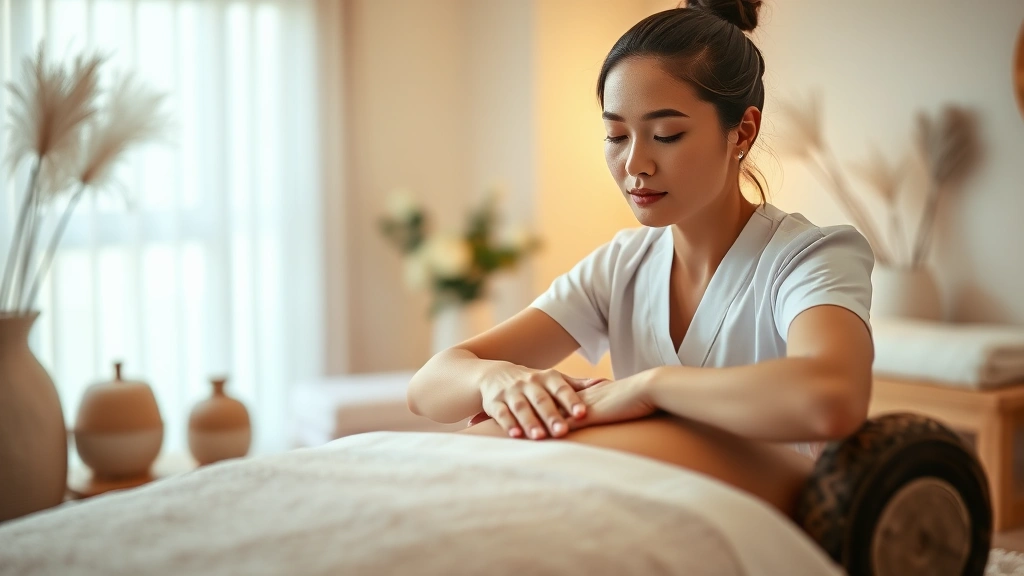
Does Spa Massage Therapy Improve Mental Health? Experts Weigh In
The relationship between physical wellness and mental health has long fascinated researchers, healthcare professionals, and wellness enthusiasts alike. In recent years, spa massage therapy has emerged as a popular complementary approach to traditional mental health treatments, with millions seeking relief from stress, anxiety, and depression through therapeutic touch. But does the evidence support these claims, or is spa massage therapy simply a luxurious escape from reality?
This comprehensive guide explores what scientific research reveals about spa massage therapy’s impact on mental health, examines the mechanisms behind its therapeutic effects, and helps you understand whether this ancient healing practice deserves a place in your wellness routine. We’ll investigate expert opinions, discuss the types of massage most beneficial for mental health, and provide practical guidance on integrating spa massage therapy into a holistic approach to psychological well-being.
The Science Behind Massage and Mental Health
Spa massage therapy operates at the intersection of neuroscience, physiology, and psychology. When a trained therapist applies pressure and manipulation to your muscles and soft tissues, they’re not just providing physical relief—they’re initiating a cascade of neurological and chemical responses throughout your body. Understanding these mechanisms helps explain why so many people report improved mental health after massage sessions.
The human body responds to therapeutic touch through multiple pathways. The skin contains millions of nerve receptors that communicate directly with your central nervous system. When these receptors are stimulated through massage, they send signals to your brain that trigger the release of beneficial neurochemicals. This isn’t merely a placebo effect; it’s a measurable physiological response that neuroscientists have documented and replicated across numerous studies.
Research from institutions like the American Psychological Association demonstrates that massage therapy activates the parasympathetic nervous system—your body’s natural relaxation response. This is distinct from the sympathetic nervous system, which controls your fight-or-flight stress response. By shifting your nervous system into parasympathetic mode, spa massage therapy creates conditions where your mind can genuinely rest and recover.
How Spa Massage Therapy Affects Your Brain Chemistry
One of the most compelling aspects of spa massage therapy research involves the measurable changes in brain chemistry. Studies using blood tests and hormonal assays show that massage therapy reduces cortisol levels—the primary stress hormone that, when chronically elevated, contributes to anxiety, depression, and numerous health problems.
A landmark study published in the Journal of Clinical Psychiatry found that massage therapy reduced cortisol levels by an average of 31% in participants who received regular treatments. This reduction is significant because elevated cortisol interferes with serotonin production, the neurotransmitter essential for mood regulation and emotional stability.
Beyond cortisol reduction, spa massage therapy increases production of several mood-enhancing chemicals:
- Serotonin: Often called the “happiness chemical,” serotonin regulates mood, sleep, and emotional processing. Massage increases serotonin availability in the brain, similar to how some antidepressant medications work.
- Dopamine: This neurotransmitter is associated with pleasure, motivation, and reward. Increased dopamine from massage can enhance mood and reduce symptoms of depression.
- Oxytocin: Known as the “bonding hormone,” oxytocin promotes feelings of trust, connection, and emotional well-being. The therapeutic touch involved in spa massage therapy stimulates oxytocin release.
- Endorphins: Your body’s natural painkillers and mood elevators, endorphins create the “natural high” many people experience after massage.
These chemical changes aren’t temporary. Research shows that regular spa massage therapy sessions can create lasting improvements in baseline neurotransmitter levels, meaning your brain chemistry gradually shifts toward a more balanced, healthier state.
Types of Massage for Mental Health Benefits
Not all massage styles offer equal mental health benefits. While any massage provides some relaxation, certain techniques are specifically designed to address psychological concerns. Understanding these differences helps you choose the most appropriate therapy for your needs.
Swedish massage is the most researched style for mental health applications. Its long, flowing strokes promote relaxation and are particularly effective for reducing anxiety and promoting general stress relief. This gentle, accessible approach makes it ideal for people new to therapeutic massage.
Deep tissue massage targets muscle tension that often accumulates during periods of stress or emotional difficulty. Many people unconsciously tighten their muscles when anxious or depressed—deep tissue massage releases this physical tension and the associated emotional patterns.
Aromatherapy massage combines therapeutic touch with essential oils, adding an additional sensory dimension to the experience. Certain oils like lavender, chamomile, and bergamot have documented anxiolytic (anxiety-reducing) properties. The combination of massage and aromatherapy can be particularly effective for anxiety disorders.
Shiatsu massage draws from traditional Chinese medicine principles and focuses on energy balance. Practitioners believe this approach addresses not just physical symptoms but underlying energetic imbalances contributing to mental health issues.
Hot stone massage uses heated stones to penetrate muscle tissue more deeply and promote circulation. The warmth itself has calming properties and can enhance the parasympathetic response.
Research Evidence and Clinical Studies
The scientific support for spa massage therapy’s mental health benefits has grown substantially over the past two decades. Major research institutions and medical centers now recognize massage as a legitimate complementary therapy for various psychological conditions.
A comprehensive review published in JAMA Psychiatry analyzed 34 randomized controlled trials examining massage therapy for anxiety. The analysis concluded that massage therapy produced statistically significant reductions in anxiety symptoms, with effect sizes comparable to other established anxiety interventions.
Research on depression shows similarly promising results. Studies from major universities demonstrate that regular massage therapy can reduce depressive symptoms by 30-50%, depending on the individual and treatment frequency. The benefits appear most pronounced when massage is combined with other therapeutic approaches, such as counseling or exercise.
For post-traumatic stress disorder (PTSD), research indicates that massage therapy can help regulate the nervous system and reduce hypervigilance—a core symptom of trauma. The Veterans Health Administration has begun integrating massage therapy into PTSD treatment protocols based on accumulating evidence of its effectiveness.
Sleep disorders, which often accompany mental health conditions, also respond well to spa massage therapy. Studies show that massage increases slow-wave sleep and reduces sleep latency (the time it takes to fall asleep), helping people achieve more restorative rest.
Expert Perspectives from Mental Health Professionals
Leading psychologists and psychiatrists increasingly recognize spa massage therapy as a valuable complementary tool. Dr. David Rakel, Director of the University of Wisconsin Integrative Medicine Program, notes that massage therapy addresses the mind-body connection in ways that purely cognitive approaches sometimes miss.
Mental health professionals point out that spa massage therapy is particularly valuable for people who struggle with talk therapy alone. Some individuals find it difficult to articulate emotional experiences verbally; the physical, sensory experience of massage can access healing on a different level. This makes it especially useful for trauma survivors, individuals with autism spectrum conditions, or those with limited verbal processing abilities.
Experts also emphasize that spa massage therapy should complement, not replace, evidence-based mental health treatments like psychotherapy and medication when necessary. The most effective approach typically involves integrating multiple modalities—professional therapy with a licensed mental health provider, medical treatment when appropriate, and complementary practices like massage.
Occupational therapists and physical therapists increasingly recommend spa massage therapy as part of comprehensive wellness plans. If you’re exploring various therapeutic options, you might also consider physical therapy treatment for conditions affecting mental wellbeing or other modalities available through therapy resources on MindLift Daily.
Stress Reduction and Anxiety Management
Stress and anxiety represent two of the most common reasons people seek spa massage therapy. The immediate effects are often noticeable: reduced muscle tension, slower breathing, lower heart rate, and a subjective sense of calm. But what’s happening on a deeper level?
When you’re anxious, your body exists in a state of physiological arousal. Your muscles tense, your breathing becomes shallow, your heart rate increases, and your mind races. Spa massage therapy interrupts this cycle by providing sustained, gentle stimulation that your nervous system interprets as safe. This signals to your brain that the perceived threat has passed, allowing your body to downshift into relaxation mode.
Regular massage therapy can reduce baseline anxiety levels over time. People who receive massage weekly or bi-weekly often report that they feel less anxious in their daily lives, not just during and immediately after massage sessions. This suggests that the therapy creates lasting neurological changes that reduce your baseline stress reactivity.
For generalized anxiety disorder (GAD), panic disorder, and social anxiety, spa massage therapy offers particular benefits. Unlike some anxiety medications, massage has no negative side effects and actually improves physical health while supporting mental well-being. Many mental health providers now recommend massage as a first-line intervention for mild to moderate anxiety before considering pharmaceutical options.
Depression and Mood Enhancement
Depression involves complex neurochemical imbalances and often manifests as both emotional and physical symptoms. The fatigue, muscle aches, and lack of motivation that accompany depression can create a vicious cycle where physical inactivity worsens mood.
Spa massage therapy breaks this cycle through multiple mechanisms. The immediate mood elevation from increased endorphins and serotonin provides relief, while the physical benefits—improved circulation, reduced muscle tension, better sleep—address the somatic (physical) symptoms of depression. Additionally, the therapeutic relationship with a skilled massage therapist provides human connection and care, which research shows is itself therapeutic for depression.
Studies comparing massage therapy to other interventions for depression show comparable effectiveness to light therapy and exercise for mild to moderate depression. For individuals who struggle with motivation to exercise or who experience seasonal affective disorder, massage therapy offers an accessible alternative or complement to these other approaches.
The ritual aspect of regular spa massage therapy also contributes to mood improvement. Scheduling regular self-care, honoring your body’s need for rest and recovery, and creating space for relaxation all reinforce the message that you deserve care and kindness—a message that depressed individuals often need to hear and internalize.
Sleep Quality and Relaxation
Sleep disturbances frequently accompany mental health conditions like anxiety, depression, and PTSD. Poor sleep then worsens mental health symptoms, creating another vicious cycle. Spa massage therapy improves sleep through multiple pathways.
The parasympathetic activation triggered by massage naturally promotes drowsiness. Many people fall asleep during massage or find themselves profoundly tired afterward—this is exactly the response you want. Regular massage therapy gradually improves sleep architecture (the structure of your sleep cycles), increasing restorative deep sleep and REM sleep.
For insomnia, research suggests that massage therapy can be as effective as sleep medication for some individuals, without the dependency risks or side effects. Evening massage sessions, particularly those incorporating relaxing essential oils, can establish better sleep patterns.
Quality sleep is foundational to mental health. During sleep, your brain consolidates emotional memories, clears metabolic waste products, and resets neurochemical balance. By improving sleep through spa massage therapy, you’re addressing a root cause of many mental health symptoms rather than just treating surface-level manifestations.
Integration with Traditional Therapy
The most effective mental health care typically involves integration of multiple approaches. Many therapists and counselors now recognize the value of spa massage therapy as a complement to talk therapy. Some practices even have massage therapists on staff or maintain referral relationships with qualified practitioners.
When used alongside psychotherapy, massage therapy can enhance treatment outcomes in several ways. The relaxation state induced by massage can make people more receptive to therapeutic insights. The physical release of tension sometimes allows emotional breakthroughs that might not occur in a purely verbal therapy context. Additionally, the self-care message implicit in regular massage reinforces therapeutic work around self-worth and self-compassion.
For comprehensive mental health support, you might explore multiple resources. Understanding therapy cost information can help you build an affordable wellness plan that might include both professional mental health services and complementary therapies like massage. You might also investigate whether red light therapy near you or other modalities could complement your spa massage therapy routine.
If you’re seeking comprehensive therapy resources, the MindLift Daily Blog offers extensive therapy resources covering various treatment approaches and wellness strategies. Building a personalized mental health plan might incorporate several of these elements.
It’s important to note that while spa massage therapy offers significant benefits, individuals with severe mental health conditions like schizophrenia, bipolar disorder requiring crisis management, or acute suicidality should prioritize professional psychiatric care. Massage is best viewed as a complementary tool within a comprehensive treatment plan supervised by qualified mental health professionals.
Frequently Asked Questions
How often should I get a massage for mental health benefits?
Research suggests that weekly or bi-weekly massage produces the most consistent mental health benefits. However, even monthly massage provides measurable benefits. The optimal frequency depends on your specific condition, budget, and lifestyle. Starting with bi-weekly sessions and adjusting based on your response is a reasonable approach. Consistency matters more than intensity—regular, moderate massage typically produces better results than occasional intensive sessions.
Can massage therapy replace medication for anxiety or depression?
For mild to moderate anxiety or depression, massage therapy can be effective as a standalone intervention. However, for moderate to severe conditions, it’s most effective as a complement to other treatments including therapy and medication when appropriate. Never discontinue psychiatric medication without guidance from your prescribing physician. Instead, discuss with your healthcare provider how massage therapy might complement your existing treatment plan.
What should I look for in a massage therapist for mental health support?
Seek a licensed massage therapist (LMT) with credentials from your state or country. Beyond licensure, look for therapists who have specific training or interest in therapeutic massage for mental health. Some have certifications in areas like trauma-informed massage or anxiety-focused techniques. Don’t hesitate to discuss your mental health needs during the consultation—a good therapist will listen, ask clarifying questions, and tailor their approach to your specific concerns.
Are there any risks or contraindications to massage therapy?
Massage therapy is generally very safe. However, certain conditions require modifications or medical clearance: recent surgery, blood clots, severe osteoporosis, or active infections. Additionally, some trauma survivors may experience emotional reactions during massage. Working with a trauma-informed therapist who understands these possibilities helps ensure a positive experience. Always disclose your complete medical and mental health history to your massage therapist.
How long does it take to notice mental health improvements from massage?
Many people notice immediate improvements in relaxation and mood during and immediately after their first massage. However, lasting changes in baseline anxiety or depression typically emerge over 4-8 weeks of regular sessions. The neurochemical changes that produce sustained mood improvement require repeated stimulation. Patience and consistency are important—think of massage as a long-term investment in your mental health rather than a quick fix.
Can I combine spa massage therapy with other complementary therapies?
Absolutely. Many people benefit from combining massage with other evidence-based approaches like meditation, yoga, exercise, and dietary improvements. Discussing your complete wellness plan with your healthcare provider ensures that all approaches work synergistically rather than contradicting each other. Some individuals also combine massage with talk therapy, medication, and other modalities for comprehensive mental health support.

