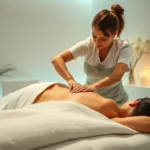
How Spa Massage Therapy Boosts Mental Health
In today’s fast-paced world, mental health challenges affect millions of people globally. While traditional therapeutic approaches remain valuable, many individuals are discovering the profound benefits of spa massage therapy as a complementary wellness practice. This ancient healing modality, refined over thousands of years, offers scientifically-backed benefits that extend far beyond simple relaxation. Spa massage therapy addresses both the physical and psychological dimensions of wellbeing, making it an increasingly popular choice for those seeking holistic mental health support.
The connection between physical touch, stress reduction, and emotional wellbeing has been extensively documented in modern neuroscience and psychology research. When you experience skilled massage therapy in a spa environment, your body undergoes measurable physiological changes that directly impact your mental state. These changes include reduced cortisol levels, increased endorphin production, and improved parasympathetic nervous system activation—all crucial factors in maintaining optimal mental health.

Understanding the Mind-Body Connection in Massage
The mind-body connection represents one of the most significant discoveries in modern health science. Spa massage therapy operates as a direct bridge between physical sensation and psychological response. When a trained massage therapist applies therapeutic pressure to your muscles and tissues, they’re not merely addressing physical tension—they’re simultaneously triggering complex neurological and hormonal responses that profoundly influence your mental state.
Research from leading institutions demonstrates that massage therapy activates the parasympathetic nervous system, often called the “rest and digest” system. This activation counters the chronic activation of the sympathetic “fight or flight” system that characterizes modern stress-induced living. By shifting your nervous system into a parasympathetic state, massage therapy creates the physiological conditions necessary for genuine mental relaxation and emotional recovery.
The therapeutic relationship between client and practitioner also plays a crucial role. Unlike self-care practices, receiving massage in a professional spa setting involves being cared for by another person, which activates social bonding mechanisms and increases feelings of trust and safety. This human connection element amplifies the mental health benefits beyond what physical manipulation alone could achieve.
Stress Reduction and Cortisol Management
Chronic stress represents one of the most significant threats to modern mental health. The stress hormone cortisol, while necessary in appropriate amounts, becomes destructive when elevated for extended periods. Spa massage therapy directly addresses this problem by reducing cortisol levels and helping restore healthy hormonal balance.
Multiple clinical studies have demonstrated measurable reductions in cortisol following massage sessions. A study published in the Journal of Clinical Psychiatry found that individuals receiving regular massage therapy showed significantly lower cortisol levels compared to control groups. This reduction translates directly into decreased anxiety, improved mood, and better emotional regulation.
The stress-reducing benefits of massage extend beyond the immediate session. Regular spa massage therapy creates cumulative effects that train your nervous system to maintain lower baseline stress levels. Over time, consistent massage practice helps reprogram your body’s stress response, making you more resilient to future stressors. This is particularly valuable for individuals dealing with chronic stress, work-related anxiety, or environmental pressures.
When you combine spa massage therapy with other therapeutic approaches like red light therapy, the stress-reduction benefits become even more pronounced. Different therapeutic modalities work synergistically to address stress from multiple angles.
Anxiety and Depression Relief Through Touch
Anxiety and depression represent two of the most prevalent mental health conditions, affecting hundreds of millions of people worldwide. While pharmaceutical and talk-based therapies remain important, spa massage therapy offers a valuable complementary approach with direct neurochemical effects on mood and anxiety levels.
The power of therapeutic touch in treating anxiety cannot be overstated. When skin receptors are stimulated through massage, they send signals to the brain that activate the release of oxytocin, sometimes called the “bonding hormone.” Oxytocin naturally reduces anxiety and promotes feelings of calm and connection. Simultaneously, massage reduces the production of stress hormones that fuel anxiety symptoms.
For individuals struggling with depression, the touch-based nature of massage therapy offers particular benefits. Depression often involves feelings of isolation and disconnection; receiving compassionate, professional touch in a spa setting directly counters these emotional states. The caring attention from a massage therapist, combined with the physical benefits of improved circulation and muscle relaxation, helps lift mood and restore emotional vitality.
Research on massage therapy for depression shows consistent improvements in mood scores, particularly when massage is received regularly. The sensory experience of massage provides immediate relief from depressive symptoms while the physiological benefits create lasting improvements in overall mental state.
Sleep Quality Improvement and Mental Restoration
Sleep and mental health share an inseparable relationship. Poor sleep exacerbates anxiety, depression, and mood disorders, while mental distress disrupts sleep quality. Spa massage therapy breaks this negative cycle by significantly improving sleep quality and duration.
Massage therapy promotes sleep through multiple mechanisms. The physical relaxation induced by massage reduces muscle tension that often prevents restful sleep. The hormonal changes—increased serotonin and melatonin, decreased cortisol—create ideal neurochemical conditions for sleep. The parasympathetic activation triggered by massage naturally facilitates the transition into sleep.
Many individuals report falling asleep more easily and experiencing deeper, more restorative sleep following massage sessions. This improved sleep quality then cascades into better mental health throughout the following days and weeks. Sleep provides the foundation for emotional regulation, cognitive function, and psychological resilience.
The timing of spa massage therapy matters for sleep optimization. Evening or late-afternoon sessions prove particularly effective for improving nighttime sleep, as the parasympathetic activation continues for hours after the session concludes.
Neurochemical Changes and Mood Enhancement
Spa massage therapy functions as a natural pharmacy, triggering the release of numerous neurochemicals that directly enhance mood and mental wellbeing. Understanding these chemical changes helps explain why massage provides such powerful mental health benefits.
During and after massage, your brain increases production of endorphins—the body’s natural opioid-like chemicals that create feelings of pleasure and wellbeing. These endorphins bind to receptors throughout the nervous system, producing natural pain relief and mood elevation. This endorphin release represents one of the most immediate and pleasurable benefits of massage therapy.
Beyond endorphins, massage therapy influences serotonin and dopamine levels. Serotonin regulates mood, sleep, and emotional stability; dopamine drives motivation and reward perception. Research demonstrates that massage significantly increases both neurotransmitters, explaining why people often feel motivated, content, and emotionally balanced following therapy sessions.
The neurochemical benefits of regular massage create a positive feedback loop. As you experience mood improvement and stress reduction from massage, you become more motivated to engage in other healthy behaviors—exercise, social connection, and self-care. This amplifies the mental health benefits exponentially.
Spa Environment as Therapeutic Setting
The environment where spa massage therapy occurs significantly amplifies its mental health benefits. A well-designed spa setting creates optimal conditions for nervous system regulation and psychological restoration.
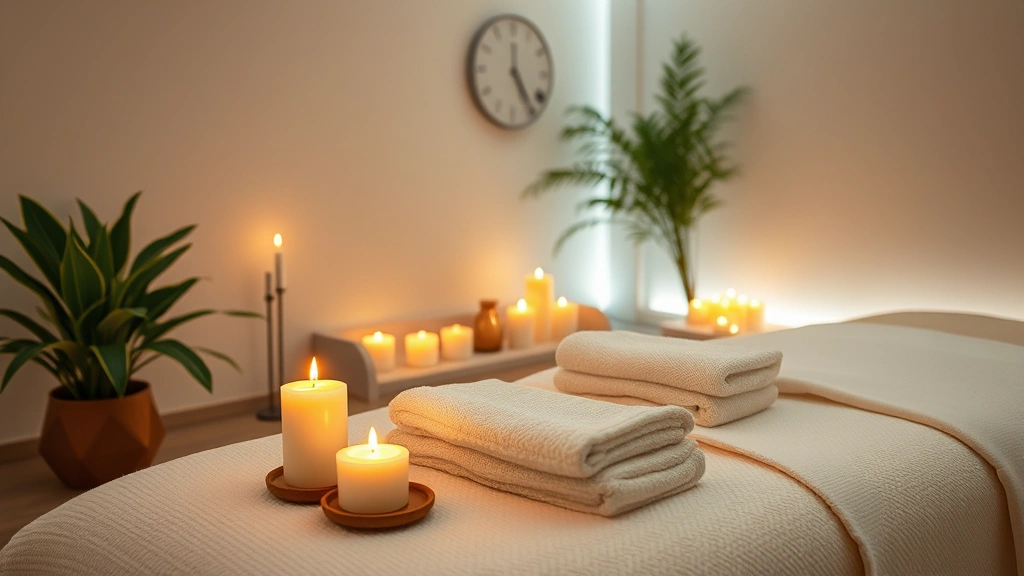
Spa environments typically incorporate specific design elements that promote relaxation: soft lighting that reduces stress hormones, carefully selected aromatherapy that influences mood and anxiety, comfortable temperatures that facilitate parasympathetic activation, and sound design featuring gentle music or nature sounds that calm the nervous system. These environmental factors work synergistically with the massage itself.
The intentional separation from daily stressors—the removal from work environments, digital devices, and demanding responsibilities—allows your mind to genuinely rest. This mental break proves essential for psychological recovery and emotional restoration. Many people find that the spa environment itself provides therapeutic benefits even before the massage begins.
Privacy and safety in the spa setting also matter significantly. Knowing you’re in a secure, confidential space with a trained professional allows you to fully relax and open to the therapeutic process. This sense of safety activates the parasympathetic nervous system more effectively than environments where you feel exposed or vulnerable.
Choosing the Right Massage Therapy Approach
Different styles of spa massage therapy offer varying mental health benefits, and selecting the right approach depends on your individual needs and preferences. Understanding the options helps you maximize therapeutic outcomes.
Swedish massage, the most common style, focuses on long, flowing strokes that promote relaxation and circulation. This approach proves excellent for general stress reduction and anxiety relief. Deep tissue massage targets deeper muscle layers, making it particularly valuable for individuals with chronic tension patterns that often accompany anxiety and depression.
Thai massage, an ancient practice involving stretching and acupressure, offers unique benefits for nervous system regulation and mental clarity. Hot stone massage combines massage with heat therapy to enhance relaxation and muscle tension release. Aromatherapy massage incorporates essential oils that directly influence mood and emotional state.
When exploring therapy cost considerations and selecting a massage provider, consider both the massage style and the practitioner’s training in mental health awareness. Some spas specialize in therapeutic massage for anxiety and depression, employing practitioners with specific training in these applications.
Consulting with therapy resources and guides can help you understand which massage approach best matches your mental health goals. Your massage therapist should ask detailed questions about your mental health history, current stressors, and therapeutic goals to customize your session appropriately.
Integrating Massage with Other Wellness Practices
Spa massage therapy works most effectively as part of a comprehensive mental health and wellness approach. Integrating massage with other therapeutic and lifestyle practices creates synergistic benefits that exceed what any single practice could achieve alone.
Many individuals combine spa massage therapy with traditional talk therapy, finding that massage reduces anxiety enough to engage more openly in therapeutic conversations. Others integrate massage with physical therapy treatment approaches for comprehensive mind-body healing. Some combine massage with meditation, yoga, or breathwork practices that enhance the parasympathetic activation initiated by massage.
Exercise represents another valuable complement to massage therapy. Regular physical activity combined with periodic spa massage creates powerful synergy—exercise builds strength and resilience while massage provides recovery and nervous system regulation. Nutrition also plays a supporting role; proper nutrition ensures your body has the resources to produce the neurochemicals enhanced by massage.
For individuals managing specific mental health conditions, spa massage therapy often works best as a complement to professional mental health treatment rather than a replacement. Therapists, counselors, and psychiatrists increasingly recognize massage as a valuable adjunct to their treatment approaches.
Creating a personalized wellness routine that includes regular spa massage therapy, combined with professional mental health support and healthy lifestyle practices, provides the most comprehensive approach to mental health optimization. This integration recognizes that mental health depends on multiple interconnected factors—physical, emotional, social, and spiritual.
Explore additional therapeutic options like speech therapy near me or occupational therapy jobs to understand how different therapeutic modalities contribute to overall wellness. Understanding the broader landscape of therapeutic options helps you make informed decisions about your mental health journey.
FAQ
How frequently should I receive spa massage therapy for mental health benefits?
For optimal mental health benefits, most experts recommend weekly or bi-weekly massage sessions. However, even monthly sessions provide measurable benefits. The frequency depends on your individual needs, budget, and mental health goals. Some people benefit from intensive massage during periods of high stress, then transition to maintenance sessions. Consistency matters more than frequency—regular sessions prove more beneficial than occasional intensive treatments.
Can spa massage therapy replace professional mental health treatment?
While spa massage therapy offers significant mental health benefits, it works best as a complement to, rather than replacement for, professional mental health treatment. For serious mental health conditions like major depression, anxiety disorders, or trauma, combining massage with therapy, counseling, or psychiatric care provides the most effective approach. Always consult with mental health professionals about your specific situation.
What should I expect during my first spa massage therapy session?
Your first session typically begins with a consultation where the massage therapist asks about your health history, current symptoms, and mental health goals. You’ll discuss pressure preferences and any areas of tension or sensitivity. During the massage, you’ll lie on a comfortable table, usually undressed but draped with sheets for privacy and warmth. The therapist applies oil or lotion and performs the massage, typically lasting 60-90 minutes. Afterward, you’ll have time to rest and integrate the experience before returning to daily activities.
Are there any contraindications or safety concerns with spa massage therapy?
Massage therapy proves safe for most people, but certain conditions require modifications or caution. Inform your massage therapist about any health conditions, medications, recent injuries, or medical procedures. Pregnant individuals may need modified techniques. Those with certain skin conditions, recent surgeries, or blood clotting disorders should consult healthcare providers before massage. Professional massage therapists are trained to work safely with most conditions through appropriate modifications.
How long do the mental health benefits of massage last?
The immediate relaxation benefits typically last several hours to a few days after a massage session. However, regular massage creates cumulative, longer-lasting benefits as your nervous system adapts to lower baseline stress levels. Many people notice improved mood, sleep, and anxiety management for days or weeks following sessions. Maintaining these benefits requires consistent massage practice, typically weekly or bi-weekly sessions.
Can I combine spa massage therapy with medication?
Yes, spa massage therapy works safely alongside most medications, including psychiatric medications. Massage does not interfere with medication effectiveness and may enhance overall treatment outcomes. However, inform your massage therapist about any medications you take, as some may affect sensation or require modified techniques. Consult with your prescribing physician if you have specific concerns about combining massage with your medication regimen.