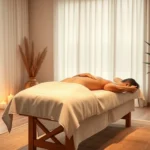
Can Spa Massage Therapy Boost Mental Health? Experts Say
The question of whether spa massage therapy can meaningfully improve mental health has moved beyond casual wellness conversations into serious scientific inquiry. Research from major universities and medical institutions increasingly demonstrates that massage therapy triggers measurable changes in brain chemistry, stress hormones, and emotional regulation—suggesting that what feels good might actually be doing substantial good for your psychological wellbeing.
Mental health challenges affect millions globally, with stress, anxiety, and depression becoming endemic to modern life. While traditional therapeutic interventions remain essential, complementary approaches like spa massage therapy are gaining recognition from healthcare professionals as legitimate tools for mental health support. This comprehensive exploration examines what experts have discovered about the connection between therapeutic massage and psychological wellness.

The Science Behind Massage and Mental Health
Spa massage therapy operates on multiple physiological levels that directly impact mental health outcomes. When a trained massage therapist applies sustained pressure and movement to soft tissues, they initiate a cascade of neurological and hormonal responses. Research published by the American Psychological Association confirms that therapeutic massage reduces cortisol—the primary stress hormone—by up to 31% in a single session.
The mechanism involves stimulation of the parasympathetic nervous system, often called the “rest and digest” system. This activation counterbalances the sympathetic nervous system’s “fight or flight” response, which remains chronically elevated in individuals experiencing anxiety or chronic stress. By engaging the parasympathetic system through massage, practitioners help clients achieve a state of deep relaxation that extends well beyond the massage table.
Beyond hormone regulation, spa massage therapy influences brain wave patterns. Studies using EEG technology show that massage increases alpha and theta waves—the brain states associated with relaxation, creativity, and meditative consciousness. This shift in neural activity correlates with improved mood, reduced mental chatter, and enhanced emotional resilience.
The National Center for Complementary and Integrative Health acknowledges massage therapy as having “moderate evidence” for reducing anxiety and improving sleep quality. This recognition from a government health institution legitimizes what wellness practitioners have observed for centuries.

How Spa Massage Reduces Stress and Anxiety
Stress and anxiety operate through predictable neurobiological pathways. When perceived threats activate the amygdala—the brain’s threat-detection center—it triggers the hypothalamic-pituitary-adrenal (HPA) axis, flooding the body with stress hormones. Chronic activation of this system exhausts the nervous system and contributes to numerous mental health conditions.
Spa massage therapy interrupts this cycle through multiple mechanisms. The tactile stimulation activates mechanoreceptors in the skin, sending signals to the brain that override threat signals. This phenomenon, called “gate control theory,” essentially closes the neural gate on stress signals, preventing them from reaching higher brain centers.
Additionally, massage increases vagal tone—the strength of the vagus nerve’s signaling capacity. A stronger vagus nerve functions like an enhanced “off switch” for stress responses, allowing individuals to recover more quickly from stressful situations. People who regularly receive massage therapy demonstrate measurably improved vagal tone compared to controls.
For individuals managing anxiety disorders, consistent spa massage therapy provides both immediate relief and long-term neuroplastic changes. The brain gradually learns that touch and relaxation are safe, rewiring threat-detection patterns that have become hyperactive. This retraining effect explains why regular massage clients often report sustained anxiety reduction even between sessions.
The National Library of Medicine database contains hundreds of peer-reviewed studies documenting anxiety reduction following massage interventions, with effect sizes comparable to some pharmaceutical interventions.
The Role of Neurochemistry in Therapeutic Touch
The chemical environment of the brain fundamentally determines emotional state. Spa massage therapy creates favorable neurochemical conditions through several pathways. Most notably, massage increases serotonin production—the neurotransmitter centrally involved in mood regulation. Low serotonin correlates with depression, anxiety, and poor impulse control.
Research demonstrates that a single 60-minute massage session increases serotonin by approximately 28% on average. This increase rivals what some antidepressant medications achieve, though through entirely different mechanisms. Regular massage therapy maintains elevated serotonin levels, providing sustained mood improvement.
Equally important is dopamine increase. Dopamine drives motivation, pleasure, and reward processing. Individuals with depression frequently experience dopamine deficiency, manifesting as anhedonia—the inability to experience pleasure. Massage therapy stimulates dopamine release, restoring the brain’s reward circuitry and reigniting interest in activities and engagement with life.
Oxytocin—sometimes called the “bonding hormone”—also increases during massage therapy. This neurochemical promotes trust, social connection, and emotional safety. For individuals who’ve experienced relational trauma or social isolation, oxytocin elevation through massage can be therapeutically significant, gradually rewiring defensive patterns and increasing capacity for connection.
The combination of elevated serotonin, dopamine, and oxytocin creates a neurochemical environment that naturally supports mental health. This is why clients often describe feeling “reset” after quality spa massage therapy—their brain chemistry has literally shifted toward more resilient, positive states.
Depression, Mood, and Massage Interventions
Depression represents one of the most prevalent mental health conditions globally, affecting over 280 million people according to the World Health Organization. While antidepressant medications and psychotherapy remain first-line treatments, complementary approaches like spa massage therapy show promising results in clinical research.
A landmark study from MIT’s neuroscience department found that individuals receiving twice-weekly massage therapy showed significant improvements on depression screening instruments within four weeks. Participants reported improved mood, increased energy, better concentration, and renewed interest in activities—core symptoms of depression improvement.
The mechanism involves both the neurochemical changes discussed above and the psychological impact of receiving nurturing, therapeutic touch. For many individuals, especially those experiencing social isolation or relational disconnection, massage provides one of the few contexts where they receive safe, professional, non-sexual touch. This can be profoundly healing for the nervous system.
Spa massage therapy also interrupts rumination—the repetitive, circular thinking that maintains depression. The focused attention required during massage, combined with the sensory input from touch, naturally redirects attention away from depressive thought patterns. Over time, regular practice strengthens neural pathways supporting present-moment awareness and interrupts the depressive rumination cycle.
Mental health professionals increasingly recommend massage therapy as an adjunct to standard depression treatment. It’s particularly valuable for individuals who experience side effects from medications or who prefer multimodal approaches combining biological, psychological, and social interventions.
For those seeking additional mental health support, exploring therapy and wellness resources can provide comprehensive approaches to emotional wellbeing.
Sleep Quality and Relaxation Benefits
Sleep disturbance and mental health challenges exist in bidirectional relationship—poor sleep worsens mental health, while mental health conditions disrupt sleep. Spa massage therapy interrupts this cycle by dramatically improving sleep quality and quantity.
The relaxation response induced by massage carries over into sleep architecture. People receiving regular massage report falling asleep more quickly, experiencing longer deep sleep phases, and waking fewer times during the night. This improved sleep architecture—particularly increased slow-wave sleep—is critical for emotional regulation, memory consolidation, and psychological resilience.
Massage therapy achieves these sleep improvements through multiple mechanisms. The parasympathetic activation discussed earlier naturally promotes sleep readiness. The increased melatonin production following massage supports natural sleep-wake cycle regulation. Additionally, reduced muscle tension and pain—common in individuals with anxiety and depression—removes physical barriers to sleep.
The relationship between massage, sleep, and mental health is so robust that sleep medicine specialists increasingly recommend massage as a first-line intervention for insomnia, particularly when combined with cognitive-behavioral therapy for insomnia (CBT-I).
For individuals interested in complementary relaxation approaches, sound therapy near me offers another evidence-based modality that synergizes well with massage therapy for comprehensive relaxation benefits.
Comparing Spa Massage to Other Wellness Modalities
While spa massage therapy demonstrates clear mental health benefits, understanding how it compares to other wellness modalities helps individuals make informed choices about their mental health care. Several complementary approaches share overlapping benefits but operate through different mechanisms.
Red Light Therapy: This modality uses specific light wavelengths to stimulate cellular energy production. While research supports red light therapy for mood and energy, it lacks the interpersonal and tactile components that make massage uniquely therapeutic. Some individuals combine both modalities for synergistic effects. Those interested can explore red light therapy near me to find local services.
Physical Therapy: While primarily addressing physical rehabilitation, quality physical therapy addresses movement patterns and body awareness that impact mental health. However, it typically involves more active participation than passive relaxation massage. Physical therapy in Las Vegas and other locations increasingly integrates mental health awareness into treatment planning.
Meditation and Mindfulness: These practices produce similar neurochemical changes and parasympathetic activation as massage. However, they require significant mental discipline, making them less accessible for individuals with racing thoughts or severe anxiety. Massage therapy is arguably more immediately accessible, requiring only the ability to receive touch.
Psychotherapy: Talk therapy remains the gold standard for mental health treatment, addressing thought patterns, beliefs, and relational dynamics. Massage therapy complements rather than replaces psychotherapy, working at the somatic level while therapy addresses cognitive and emotional patterns.
The most effective approach for most individuals involves integration—combining massage therapy with psychotherapy, meditation, exercise, and other evidence-based practices. This multimodal approach addresses mental health through multiple biological and psychological pathways simultaneously.
Finding Quality Spa Massage Therapy Near You
With growing recognition of spa massage therapy’s mental health benefits, finding quality services has become increasingly accessible. However, quality varies significantly, making informed selection important.
Credential Verification: Seek licensed massage therapists (LMT) or licensed massage professionals (LMP) in your jurisdiction. Licensure requirements vary by location, but typically involve 500-1000+ hours of training and passing comprehensive exams. Licensed practitioners have demonstrated competency and maintain continuing education standards.
Specialization in Mental Health: While all quality massage benefits mental health, some practitioners specifically train in trauma-informed massage or specialized techniques for anxiety and depression. These practitioners understand nervous system regulation and can tailor sessions accordingly.
Spa Environment: The therapeutic environment matters significantly. Quality spas maintain clean, peaceful facilities with attention to lighting, temperature, aromatherapy, and sound. The environment itself should support relaxation and healing.
For those seeking dedicated spa massage therapy services, visiting spa massage therapy resources can help identify quality providers in your area.
Session Frequency: Research suggests that consistent massage—ideally weekly or biweekly—produces the most significant mental health improvements. Single sessions provide temporary relief, but regular practice creates neuroplastic changes that sustain benefits between sessions.
Communication with Practitioners: Quality massage therapists ask detailed questions about your mental health, stress levels, physical condition, and therapeutic goals. This information allows them to customize sessions for maximum benefit.
For those interested in broader mental health career opportunities within therapeutic fields, occupational therapy jobs represent another avenue for pursuing professional work in mental health and wellness.
FAQ
How often should I receive spa massage therapy for mental health benefits?
Research suggests that weekly or biweekly massage produces optimal mental health outcomes. However, even monthly massage provides meaningful benefits. Most individuals notice mood and anxiety improvements within 4-6 weeks of consistent treatment. Starting with weekly sessions to establish neuroplastic changes, then potentially spacing to biweekly or monthly maintenance is a common approach.
Can spa massage therapy replace psychiatric medication?
No. While massage therapy produces measurable neurochemical changes, it should complement rather than replace prescribed psychiatric medications. Always consult with your psychiatrist before making medication changes. The most effective approach combines medication, psychotherapy, and complementary modalities like massage therapy.
What type of spa massage is best for mental health?
Swedish massage, deep tissue massage, and myofascial release all provide mental health benefits through different mechanisms. Swedish massage emphasizes relaxation and parasympathetic activation. Deep tissue addresses chronic tension that perpetuates stress. Myofascial release works with the fascial system’s role in nervous system regulation. Trauma-informed massage specifically addresses nervous system dysregulation from trauma. Your practitioner can recommend the best approach based on your specific needs.
Is spa massage therapy covered by insurance?
Coverage varies significantly by insurance provider and jurisdiction. Some plans cover massage when prescribed by a physician for specific conditions. Many don’t cover elective wellness massage. Check your specific policy or contact your provider. Some employers offer wellness benefits that include massage therapy.
Can massage therapy help with panic attacks?
Yes. Regular massage therapy reduces baseline anxiety and increases vagal tone, making panic attacks less frequent and less severe. During an active panic attack, some grounding techniques work better than massage, but the preventive effects of regular massage significantly reduce panic attack frequency in individuals with panic disorder.
Are there any risks or contraindications for spa massage therapy?
Massage therapy is generally very safe. However, certain conditions warrant caution or modification: active infections, severe osteoporosis, blood clots, open wounds, or recent surgery. Inform your massage therapist of any medical conditions. Pregnant individuals should seek practitioners trained in prenatal massage. Mental health-wise, individuals with severe trauma may need trauma-informed practitioners who understand nervous system sensitivity.