Red Light Therapy Glasses: Expert Insights
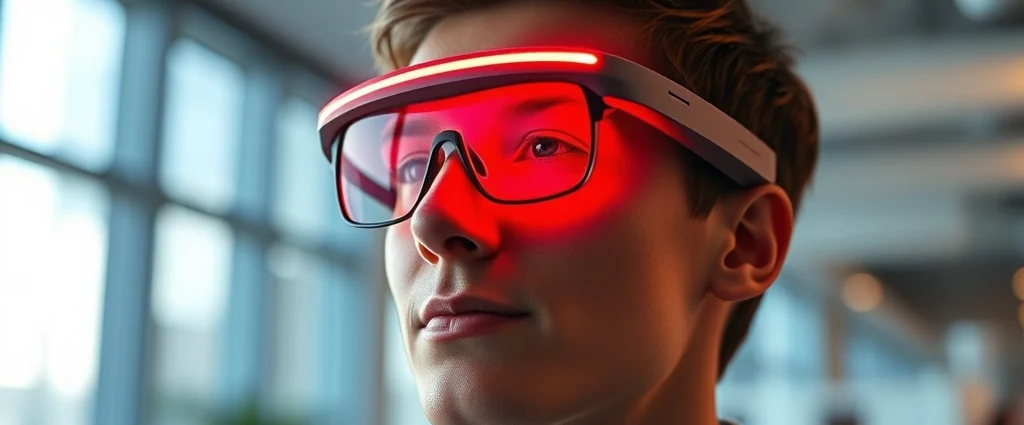
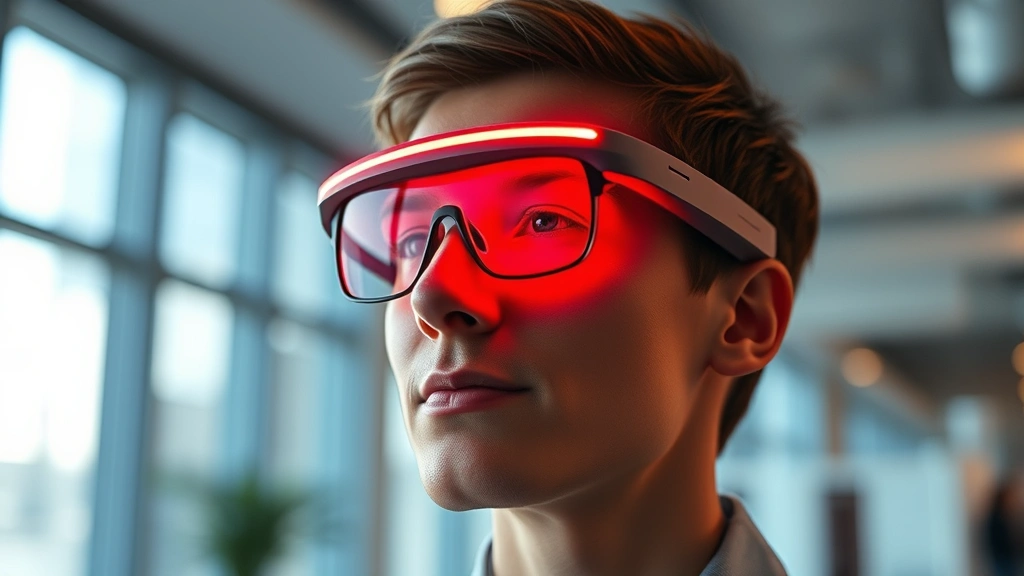
Red light therapy glasses have emerged as one of the most innovative wellness tools in recent years, combining ancient light therapy principles with cutting-edge optical technology. These specialized eyewear devices emit specific wavelengths of red and near-infrared light directly to the eyes and surrounding facial tissues, promising benefits ranging from improved vision to enhanced cellular energy production. As interest in non-invasive health interventions grows, understanding how these glasses work and what science says about their effectiveness has become increasingly important for consumers seeking evidence-based wellness solutions.
The growing popularity of red light therapy glasses reflects a broader shift toward preventative health measures and biohacking. Unlike pharmaceutical interventions, these devices offer a non-invasive approach to addressing common health concerns, from digital eye strain to cognitive performance. However, separating marketing claims from scientific reality requires careful examination of the available research and expert perspectives on this emerging technology.

How Red Light Therapy Glasses Work
Red light therapy glasses operate on principles of photobiomodulation, a process where specific wavelengths of light interact with cellular structures to influence biological function. These devices typically emit light in the red spectrum (620-750 nanometers) and near-infrared range (750-1100 nanometers), wavelengths that penetrate skin and tissue more effectively than visible light. The primary target of this light therapy is the mitochondria, the energy-producing organelles within cells.
When light at these specific wavelengths reaches the mitochondria, it stimulates the enzyme cytochrome c oxidase within the electron transport chain. This stimulation enhances the production of adenosine triphosphate (ATP), the primary energy currency of cells. Increased ATP production theoretically leads to improved cellular function, reduced inflammation, and enhanced recovery processes throughout the body. The glasses are designed to deliver this light directly to the eyes and surrounding tissues, where it can be absorbed and utilized by billions of cells.
The optical design of quality red light therapy glasses is crucial to their effectiveness. Devices must deliver appropriate wavelengths at therapeutic intensities without causing photochemical damage. Advanced models include adjustable intensity settings and timer functions to ensure users receive optimal doses. Some premium versions incorporate additional wavelengths in the far-infrared spectrum or combine red light with other therapeutic modalities for enhanced benefits. Understanding how these red light therapy benefits extend beyond vision helps consumers appreciate the comprehensive nature of this technology.
Scientific Evidence and Research
The scientific foundation for red light therapy has grown substantially over the past two decades. Research published in leading journals demonstrates measurable effects of photobiomodulation on various biological systems. A comprehensive review in Photomedicine and Laser Surgery examined hundreds of studies on light therapy applications, finding consistent evidence for cellular energy improvement and reduced inflammatory markers across multiple tissue types.
However, when examining red light therapy glasses specifically, the research landscape becomes more nuanced. While general photobiomodulation research is robust, studies specifically investigating glasses-based delivery systems are more limited. Most evidence comes from laboratory studies, animal models, and small human trials rather than large-scale randomized controlled trials. This distinction is important because delivery method, wavelength precision, and intensity all influence therapeutic outcomes.
Research from institutions including Harvard Medical School’s Wellman Center for Photomedicine has established that red and near-infrared wavelengths do penetrate tissue effectively and do influence mitochondrial function. Studies examining photobiomodulation for age-related macular degeneration and other eye conditions have shown promising preliminary results. Additionally, research on cognitive function and light exposure patterns suggests that light therapy may influence circadian rhythms and cognitive performance, though mechanisms specific to glasses-based delivery require further investigation.
The quality of evidence varies significantly between different claimed benefits. Some applications, such as circadian rhythm regulation and general cellular energy enhancement, have stronger foundational research. Other claims, particularly those related to specific disease treatment or dramatic vision improvement, require more rigorous clinical validation. Consumers should approach marketing claims critically and look for peer-reviewed publications in reputable journals rather than relying solely on manufacturer testimonials.
Benefits for Eye Health and Vision
One of the most compelling applications of red light therapy glasses involves eye health and vision optimization. The retina contains high concentrations of mitochondria, making it particularly responsive to photobiomodulation. Research suggests that enhanced cellular energy in retinal tissue may support improved visual function and protect against age-related degeneration.
Studies examining light therapy for age-related macular degeneration (AMD) have shown encouraging results. A 2017 Nature study demonstrated that specific wavelengths of light could improve visual function in AMD patients when applied appropriately. The mechanism appears to involve stimulation of mitochondrial function in retinal pigment epithelial cells, which support photoreceptor health. For individuals experiencing early-stage vision decline, red light therapy glasses may offer a non-invasive intervention worth exploring alongside conventional eye care.
Digital eye strain, affecting millions of people in our screen-dominated world, represents another potential application area. The constant blue light exposure from digital devices can disrupt circadian rhythms and create eye fatigue. Some evidence suggests that red light exposure may counterbalance blue light effects and reduce eye strain symptoms. Users report improvements in visual comfort and reduced fatigue when using these glasses, though systematic clinical trials remain limited.
The glasses also stimulate the production of tear film and support corneal health through enhanced cellular metabolism. For individuals with dry eye syndrome or corneal sensitivity, the combination of improved cellular function and reduced inflammation may provide symptomatic relief. However, these benefits appear to work best as part of a comprehensive eye care approach that includes proper hydration, screen breaks, and professional eye examinations.
Understanding how these benefits connect to broader therapy resources and wellness approaches helps individuals integrate red light therapy into their overall health strategy. The eyes serve as windows to systemic health, so supporting ocular function through evidence-based interventions contributes to overall wellbeing.
Cognitive and Performance Benefits
Beyond direct eye health applications, red light therapy glasses may influence cognitive function and mental performance through multiple mechanisms. The brain contains approximately 20% of the body’s mitochondria, and enhanced cellular energy production theoretically supports improved cognitive processing, memory formation, and mental clarity.
Research on light therapy and circadian rhythm regulation provides a scientific basis for potential cognitive benefits. Light exposure patterns significantly influence melatonin production, cortisol rhythms, and overall circadian alignment. Strategic use of red light therapy glasses, particularly in the morning or evening, may help optimize these rhythms, leading to improved sleep quality and daytime alertness. A study published in Sleep Health found that appropriately timed light exposure significantly improved sleep architecture and daytime cognitive performance in subjects with circadian misalignment.
Athletes and high-performance individuals have embraced red light therapy glasses as part of their optimization protocols. The enhanced cellular energy production may support faster recovery, improved reaction time, and sustained mental focus during demanding activities. Some research suggests that improved mitochondrial function supports sustained attention and reduces mental fatigue during cognitively demanding tasks. Users report subjective improvements in focus, motivation, and mental endurance, though objective measures of cognitive enhancement remain an area needing more rigorous research.
The connection between ocular light exposure and broader systemic effects appears mediated through intrinsically photosensitive retinal ganglion cells (ipRGCs), which contain melanopsin and communicate directly with the brain’s circadian centers. This pathway explains why light therapy targeting the eyes can influence sleep-wake cycles, mood regulation, and cognitive function independent of vision itself. For individuals struggling with seasonal affective disorder, shift work disorder, or general cognitive performance, these mechanisms suggest meaningful benefits from consistent red light therapy use.
Skin and Cellular Health Applications
While red light therapy glasses primarily target ocular and systemic tissues, the light they emit also reaches facial skin and underlying tissues, creating secondary benefits for skin health and appearance. Red and near-infrared wavelengths stimulate collagen production, increase blood flow, and reduce inflammation in facial tissues.
The mechanism involves enhanced ATP production in skin fibroblasts, the cells responsible for collagen synthesis. Increased cellular energy allows these cells to produce collagen more efficiently, potentially reducing the appearance of fine lines and improving skin texture and tone. Additionally, improved blood circulation delivers more oxygen and nutrients to skin tissue while removing metabolic waste products more effectively. This combination creates visible improvements in skin health, luminosity, and overall appearance.
Research on red light therapy for skin conditions including acne, rosacea, and wound healing demonstrates consistent benefits across multiple studies. The anti-inflammatory effects prove particularly valuable for individuals with inflammatory skin conditions. Unlike pharmaceutical treatments, red light therapy offers a non-invasive approach with minimal side effects. Regular use of red light therapy glasses may provide cumulative benefits for skin health that become increasingly apparent over weeks and months of consistent application.
The cellular benefits extend beyond skin to include improved vascular function and reduced systemic inflammation. These systemic effects support overall health and may contribute to improved energy levels, faster recovery from exercise, and enhanced immune function. Understanding these broader benefits helps explain why users often report feeling better overall, not just experiencing localized improvements in vision or skin appearance.
Choosing the Right Device
With numerous red light therapy glasses options available, selecting an appropriate device requires understanding key technical specifications and quality indicators. Not all red light therapy glasses deliver equivalent therapeutic benefits, and device quality significantly influences outcomes.
Critical specifications include wavelength precision, irradiance levels (measured in milliwatts per square centimeter), and treatment duration settings. High-quality devices emit light in the proven therapeutic ranges: 600-700 nanometers for red light and 700-1100 nanometers for near-infrared light. The device should provide adequate irradiance to stimulate cellular effects without causing photochemical damage. Reputable manufacturers provide detailed specifications and have conducted testing to validate their devices’ output characteristics.
Build quality and optical design matter considerably. Premium glasses utilize precision optics that deliver light effectively to the eyes and surrounding tissues while minimizing light loss or uneven distribution. Comfort features including adjustable fit, lightweight construction, and ergonomic design influence compliance and long-term use. Devices should include safety features such as automatic shutoff timers and intensity controls to prevent overuse.
When evaluating devices, look for manufacturers who provide peer-reviewed research supporting their specific product, publish detailed technical specifications, and offer transparent information about wavelengths and irradiance levels. Be cautious of devices making extravagant health claims unsupported by research or of manufacturers unwilling to provide technical specifications. Consulting with healthcare providers familiar with photobiomodulation can help identify devices most likely to deliver meaningful results for your specific health goals.
The investment in quality devices pays dividends through superior therapeutic delivery and long-term reliability. Budget options may deliver suboptimal wavelengths or insufficient irradiance, reducing effectiveness. Understanding the connection between therapy costs and quality outcomes helps justify investment in premium red light therapy glasses as a long-term wellness tool.
Safety Considerations and Side Effects
Red light therapy glasses are generally considered safe when used appropriately, with minimal adverse effects reported in the scientific literature. However, understanding safety considerations ensures optimal outcomes and prevents potential issues.
The primary safety concern involves excessive light exposure. While red and near-infrared wavelengths don’t carry the mutagenic risk of ultraviolet light, excessive exposure could theoretically cause photochemical damage or disrupt normal cellular signaling. Manufacturers recommend specific treatment durations and intensities, and users should follow these guidelines carefully. Starting with shorter sessions and gradually increasing duration allows the body to adapt to light therapy safely.
Individuals with certain medical conditions should exercise caution or consult healthcare providers before using red light therapy glasses. People with light-sensitive conditions, those taking photosensitizing medications, or individuals with a history of eye disease should seek professional guidance. Pregnant women, though not absolutely contraindicated, should consult their healthcare provider before beginning light therapy. Individuals with bipolar disorder should be particularly cautious, as light therapy can influence mood regulation.
Some users report temporary mild side effects including eye strain, headaches, or slight nausea when first using red light therapy glasses. These effects typically resolve within a few days as the body adapts. Starting with lower intensities and shorter sessions minimizes these adaptation effects. If adverse effects persist or worsen, discontinuing use and consulting a healthcare provider is advisable.
The eyes are sensitive organs, and any device delivering light directly to them warrants careful consideration. Quality devices include safety features such as automatic shutoff timers and intensity controls to prevent overuse. Never look directly into high-intensity light sources, and ensure devices are used according to manufacturer instructions. When in doubt, consulting with an optometrist or ophthalmologist before beginning red light therapy provides valuable professional guidance.
Integration with Other Therapies
Red light therapy glasses work most effectively when integrated into a comprehensive wellness approach addressing multiple aspects of health. Understanding how these devices complement other therapeutic modalities maximizes their benefits.
The relationship between red light therapy and physical recovery makes it particularly valuable for individuals undergoing physical therapy and rehabilitation. Enhanced cellular energy and reduced inflammation support faster recovery from injury and improved outcomes from therapeutic exercises. Athletes and individuals in rehabilitation programs increasingly incorporate red light therapy as an adjunctive treatment supporting primary therapy goals.
Red light therapy glasses also complement other light-based interventions and circadian rhythm optimization strategies. Combining strategic red light exposure with blue light reduction in the evening creates a powerful approach to circadian alignment and sleep optimization. Using red light therapy glasses in the morning supports alertness and proper circadian phase, while avoiding blue light in the evening allows natural melatonin production.
For individuals interested in occupational therapy and functional health optimization, red light therapy glasses integrate naturally into broader wellness protocols. The devices support vision function, cognitive performance, and cellular health simultaneously, addressing multiple health domains through a single intervention. This efficiency makes them particularly attractive for busy individuals seeking to maximize health benefits with minimal time investment.
Nutritional support for mitochondrial function amplifies red light therapy benefits. Compounds including CoQ10, L-carnitine, and B vitamins support ATP production and cellular energy metabolism. Combining red light therapy with strategic nutritional support creates synergistic effects exceeding either intervention alone. Similarly, exercise and movement practices enhance the benefits of red light therapy by stimulating mitochondrial biogenesis and improving circulation.
Sleep optimization represents another critical complementary strategy. Red light therapy supports sleep quality through circadian rhythm regulation, but combining this with sleep hygiene practices, consistent sleep schedules, and appropriate sleep environment creates comprehensive sleep support. The combination of improved sleep and enhanced cellular energy produces cumulative benefits for cognitive function, immune health, and overall vitality.
Mental health and stress management also benefit from integrated approaches including red light therapy. The mood-regulating effects of light exposure combine with meditation, mindfulness, and other stress-reduction practices to create powerful psychological benefits. For individuals exploring comprehensive therapeutic approaches to wellness, red light therapy glasses offer a valuable tool fitting naturally into broader health strategies.
Frequently Asked Questions
How long does it take to see results from red light therapy glasses?
Timeline for results varies depending on the specific benefit being pursued and individual factors. Some users report improvements in eye strain and mental clarity within days of consistent use. Cumulative benefits such as skin appearance improvements and enhanced cognitive function typically become noticeable over 2-4 weeks of regular use. Conditions like age-related macular degeneration may require months of consistent treatment before measurable improvements appear. Consistency matters more than intensity; daily use of appropriate duration produces better results than occasional intensive sessions.
Can red light therapy glasses replace conventional eye care?
Red light therapy glasses serve as a complementary tool supporting eye health but should not replace conventional eye care including regular eye examinations and treatment of diagnosed eye conditions. A comprehensive eye care approach includes professional eye exams, appropriate corrective lenses if needed, and evidence-based treatment for specific eye diseases. Red light therapy glasses enhance these conventional approaches rather than substituting for them. Consulting with an optometrist or ophthalmologist ensures red light therapy integrates appropriately with your overall eye care strategy.
What wavelengths are most therapeutic?
Research indicates that wavelengths between 600-1100 nanometers produce therapeutic effects, with particular efficacy in the 630-680 nanometer range (red light) and 780-860 nanometer range (near-infrared light). These ranges penetrate tissue effectively and demonstrate strong mitochondrial stimulation. High-quality devices specify their exact wavelengths and irradiance levels. Devices emitting light outside these established ranges or refusing to provide wavelength specifications should be approached with caution, as they may not deliver therapeutic benefits.
How often should I use red light therapy glasses?
Recommended usage varies by device specifications and individual health goals. Most manufacturers suggest 10-30 minutes daily, though some protocols recommend 3-5 sessions weekly. Starting conservatively with 10-minute daily sessions allows your body to adapt while minimizing potential side effects. Gradually increasing duration and frequency based on tolerance and response optimizes benefits. Consistency matters more than duration; daily moderate use produces better results than occasional intensive sessions. Listen to your body and adjust frequency based on how you feel.
Are there any contraindications with medications?
Certain medications increase photosensitivity and may interact unfavorably with red light therapy. These include some antibiotics, anti-inflammatory medications, and psychiatric drugs. If you take medications regularly, consulting with your healthcare provider before beginning red light therapy glasses is advisable. They can review your specific medications and advise whether red light therapy is appropriate for you. Being transparent with healthcare providers about all treatments you’re using ensures comprehensive, safe care.
Can children use red light therapy glasses?
Limited research exists specifically examining red light therapy glasses in children. While red and near-infrared light appears safe, children’s eyes are still developing and may respond differently to light therapy than adult eyes. Consulting with a pediatric eye care professional before introducing red light therapy to children is essential. In some cases, professionals may recommend waiting until adolescence or adulthood when eyes have fully developed, or they may approve limited, supervised use if specific health benefits are anticipated.