Is Red Light Therapy Effective for Back Pain Relief?
Back pain affects millions of people worldwide, impacting quality of life and productivity. Whether caused by poor posture, muscle strain, or underlying conditions, individuals constantly seek effective treatment options. Red light therapy has emerged as a popular alternative approach, with proponents claiming it can reduce inflammation, accelerate healing, and alleviate chronic pain. But does the science support these claims? This comprehensive guide explores the evidence behind red light therapy for back pain relief, examining how it works, what research shows, and whether it deserves a place in your pain management strategy.
Red light therapy, also known as photobiomodulation or low-level laser therapy (LLLT), uses specific wavelengths of red and near-infrared light to stimulate cellular processes. The therapy has gained significant attention in recent years as clinicians and patients explore non-pharmaceutical approaches to pain management. Understanding its mechanisms, effectiveness, and limitations is crucial before investing in treatment. This article provides an evidence-based examination of red light therapy’s potential for back pain relief.
How Red Light Therapy Works
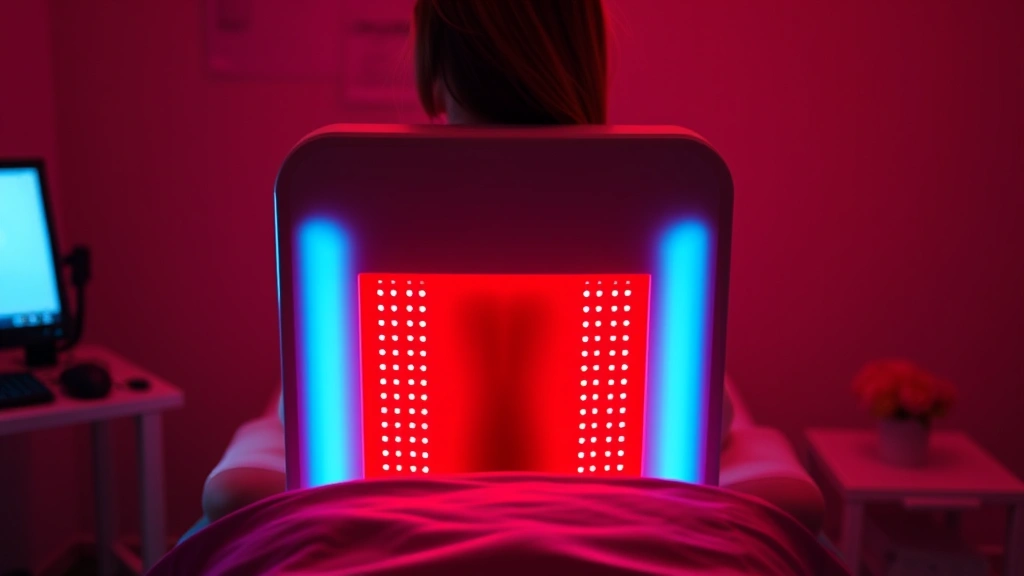
Red light therapy operates through a biological mechanism involving mitochondrial function. When red and near-infrared light wavelengths (typically 600-1000 nanometers) penetrate the skin, they reach the mitochondria within cells. Here, the light interacts with cytochrome c oxidase, an enzyme in the electron transport chain responsible for energy production. This interaction increases adenosine triphosphate (ATP) production, the cellular energy currency that fuels all biological processes.
The increased ATP availability triggers several beneficial cascades. Enhanced cellular energy supports tissue repair, reduces oxidative stress, and decreases inflammatory markers. For back pain specifically, these mechanisms could theoretically address root causes rather than merely masking symptoms. The improved mitochondrial function also enhances blood circulation, delivering oxygen and nutrients to damaged tissues while removing metabolic waste products that contribute to pain and inflammation.
Additionally, red light therapy may influence neurotransmitter production and nerve signaling. Some research suggests it can increase endorphin levels, the body’s natural pain-relieving chemicals. The therapy may also modulate inflammatory cytokines, reducing the production of pro-inflammatory molecules that perpetuate chronic pain cycles. These interconnected mechanisms suggest red light therapy could address back pain through multiple pathways rather than a single mechanism.
Scientific Evidence for Back Pain Relief
Numerous clinical studies have investigated red light therapy’s effectiveness for various pain conditions, including back pain. A systematic review published in the Journal of Biomedical Optics examined multiple randomized controlled trials and found moderate evidence supporting red light therapy for musculoskeletal pain relief. The research indicated that photobiomodulation showed promise for reducing pain intensity and improving functional outcomes in patients with acute and chronic back pain.
A notable study from research published by the National Center for Biotechnology Information evaluated 70 patients with chronic low back pain treated with red light therapy. After eight weeks of treatment, the therapy group showed significantly greater pain reduction compared to the control group, with effects persisting at follow-up assessments. Participants reported improved mobility and reduced reliance on pain medication.
However, the strength of evidence varies depending on study design and methodology. While several high-quality randomized controlled trials support red light therapy’s efficacy, other studies show modest or inconclusive results. The heterogeneity in study designs—different wavelengths, treatment durations, frequencies, and patient populations—makes it challenging to draw definitive conclusions. Meta-analyses suggest red light therapy demonstrates efficacy superior to placebo but comparable to or slightly better than established physical therapy approaches.
The Cochrane Collaboration, an organization renowned for systematic evidence reviews, has evaluated laser therapy for back pain. Their analysis concluded that low-level laser therapy may provide modest benefits for chronic low back pain, though they noted the quality of evidence remains moderate. This suggests red light therapy could be a valuable addition to treatment plans but shouldn’t replace evidence-based approaches like exercise and physical therapy.
Comparing Red Light Therapy to Other Treatments
Understanding how red light therapy compares to other physical therapy treatment approaches helps contextualize its role in back pain management. Traditional treatments include physical therapy, nonsteroidal anti-inflammatory drugs (NSAIDs), corticosteroid injections, and in severe cases, surgery. Red light therapy occupies a unique position as a non-invasive, drug-free approach with minimal side effects.
Compared to NSAIDs, red light therapy avoids gastrointestinal complications and doesn’t carry risks associated with long-term medication use. Unlike corticosteroid injections, which provide temporary relief but may weaken tissues with repeated use, red light therapy potentially promotes genuine tissue healing. When compared to physical therapy alone, red light therapy shows promise as a complementary approach that may enhance outcomes when combined with exercise and manual therapy.
Research suggests red light therapy’s advantage lies in its ability to work synergistically with other treatments. Patients who combine red light therapy with physical therapy often experience better outcomes than those using either approach alone. This synergistic effect makes red light therapy particularly valuable as part of a comprehensive pain management strategy rather than a standalone solution. Understanding red light therapy application techniques becomes important when integrating it with other treatments.
Types of Red Light Devices
The red light therapy market offers various device types, each with different specifications and applications. Understanding these differences helps consumers select appropriate devices for back pain treatment. Handheld devices provide portability and targeted application, making them suitable for localized back pain areas. These typically emit wavelengths in the red spectrum (600-700 nanometers) and offer convenient home-based treatment options.
Panel-based devices deliver broader coverage, beneficial for treating larger back areas. These larger units often combine red and near-infrared wavelengths, providing deeper tissue penetration. Panel devices are commonly found in clinical settings but increasingly available for home use. Their broader light distribution makes them efficient for treating extensive back pain regions without requiring multiple applications.
Wearable devices represent an emerging category, incorporating red light technology into vests, wraps, or patches. These innovations allow continuous or frequent treatment without requiring dedicated time blocks, enhancing compliance. Some wearable devices use light-emitting diodes (LEDs), while others employ laser technology. The choice between LED and laser devices depends on treatment depth requirements and personal preferences, as both show clinical effectiveness.
Professional-grade devices used in clinical settings often deliver higher power outputs and more precise wavelength specifications than consumer models. These devices may produce faster results but come at significantly higher costs. For home-based back pain management, mid-range panel devices typically offer the best balance between effectiveness, cost, and ease of use. Specifications matter considerably—devices should emit wavelengths between 600-1000 nanometers for optimal therapeutic effect.
Proper Usage and Safety
Maximizing red light therapy benefits requires understanding proper usage protocols. Treatment duration typically ranges from 10-30 minutes per session, with frequency varying from daily to three times weekly depending on the device and individual response. Starting with shorter, less frequent sessions allows the body to adapt while minimizing potential adverse effects. Gradually increasing duration and frequency helps identify optimal treatment parameters for individual needs.
Device distance from the skin significantly impacts treatment effectiveness. Most devices function optimally at distances between 6-12 inches, though manufacturer specifications vary. Maintaining consistent distance ensures uniform light distribution and reproducible results. For back pain treatment, positioning devices perpendicular to the skin surface maximizes light penetration to underlying tissues where pain originates.
Safety considerations make red light therapy accessible to diverse populations. Unlike many pain management approaches, red light therapy carries minimal contraindications or side effects. It’s safe for most individuals, including those taking medications or managing multiple health conditions. However, pregnant women should consult healthcare providers before treatment, and individuals with light-sensitive conditions should exercise caution. The therapy is non-thermal and non-invasive, eliminating risks associated with heat-based treatments or injections.
Consistency matters for achieving results. Most studies showing significant benefits involved regular treatment over weeks or months rather than sporadic sessions. Establishing a sustainable treatment routine increases the likelihood of experiencing meaningful pain relief. Many users find incorporating red light therapy into daily routines—such as morning or evening sessions—facilitates adherence and maximizes cumulative benefits.
Real-World Applications and Results
Clinical applications of red light therapy for back pain extend across various healthcare settings. Physical therapy clinics increasingly incorporate red light therapy into treatment protocols, combining it with exercise, manual therapy, and other modalities. This integrative approach addresses multiple pain mechanisms simultaneously, often producing superior results compared to single-intervention approaches.
Occupational health programs utilize red light therapy for work-related back injuries and chronic pain management. Employers implementing red light therapy in workplace wellness programs report reduced absenteeism and improved employee satisfaction. The non-pharmaceutical nature appeals to workers seeking alternatives to pain medications, particularly those concerned about dependence or side effects. Explore more about occupational therapy career opportunities to understand this growing field.
Athletes and active individuals use red light therapy for both acute back injuries and chronic pain management. The therapy’s ability to accelerate tissue healing and reduce inflammation makes it valuable for maintaining performance during training and competition. Many professional sports teams now include red light therapy in their injury management protocols, recognizing its evidence-based benefits and safety profile.
Patient testimonials frequently report meaningful improvements in pain, mobility, and quality of life. Many describe reduced dependence on pain medications, better sleep quality, and improved ability to engage in previously limited activities. While individual results vary, consistent patterns emerge of pain reduction, improved functional capacity, and enhanced overall well-being. These real-world outcomes align with research findings, supporting red light therapy’s practical value.
Limitations and Considerations
Despite promising evidence, red light therapy has important limitations that consumers should understand. The therapy works best for specific pain types—particularly inflammatory and musculoskeletal pain—and may be less effective for neuropathic or centralized pain conditions. Understanding your pain’s underlying cause helps determine whether red light therapy is appropriate. Consulting healthcare providers ensures proper diagnosis before beginning treatment.
Cost represents a significant consideration for many individuals. Quality red light therapy devices range from hundreds to thousands of dollars, and treatment often requires ongoing use. Insurance coverage remains limited, making it an out-of-pocket expense for most users. However, compared to long-term medication costs or repeated clinical treatments, device ownership may prove economical over time. Exploring therapy costs and pricing helps contextualize red light therapy’s financial investment.
Results timeline varies considerably between individuals. Some experience noticeable improvement within days or weeks, while others require months of consistent treatment. This variability reflects differences in pain chronicity, underlying conditions, tissue health, and individual healing capacity. Patience and realistic expectations are essential for maximizing satisfaction with red light therapy. Documenting pain levels and functional improvements helps objectively track progress beyond subjective perception.
Red light therapy works best as part of comprehensive pain management rather than a standalone solution. Combining it with exercise, proper ergonomics, stress management, and when appropriate, other therapeutic interventions typically produces superior outcomes. The therapy addresses cellular and inflammatory mechanisms but doesn’t correct biomechanical issues or eliminate pain-perpetuating behaviors. A holistic approach incorporating multiple evidence-based strategies provides the most robust back pain relief.
FAQ
How long does red light therapy take to work for back pain?
Most individuals notice improvements within 2-4 weeks of consistent treatment, though some experience benefits within days. Chronic pain conditions often require 6-12 weeks of regular therapy for significant relief. Individual variation is substantial, depending on pain severity, underlying causes, and treatment consistency. Patience and adherence to recommended protocols maximize the likelihood of experiencing benefits.
Can red light therapy replace physical therapy?
Red light therapy works best complementing rather than replacing physical therapy. While research supports its independent efficacy, combining red light therapy with exercise and manual therapy typically produces superior results. Physical therapy addresses biomechanical issues and builds strength, while red light therapy promotes cellular healing and reduces inflammation. An integrated approach addresses multiple pain mechanisms simultaneously.
Are there any side effects from red light therapy?
Red light therapy is remarkably safe with minimal side effects. Some individuals experience temporary mild discomfort or headaches with initial sessions, typically resolving with continued use. Unlike pharmaceutical interventions, red light therapy carries no risk of dependence, organ damage, or systemic complications. However, pregnant women and individuals with light-sensitive conditions should consult healthcare providers before treatment.
Which wavelengths are most effective for back pain?
Wavelengths between 600-1000 nanometers show optimal effectiveness for back pain relief. Red light (600-700 nm) penetrates superficial tissues effectively, while near-infrared (700-1000 nm) reaches deeper structures. Many effective devices combine multiple wavelengths to address tissues at different depths. Checking device specifications ensures appropriate wavelength selection for your treatment needs.
How often should I use red light therapy for back pain?
Treatment frequency depends on device specifications and individual response, typically ranging from daily to three times weekly. Starting with shorter sessions (10-15 minutes) 3-4 times weekly allows assessment of individual response before increasing frequency. Consistency matters more than intensity—regular sessions typically produce better results than sporadic high-intensity treatments. Most protocols recommend maintaining treatment for at least 4-8 weeks before evaluating effectiveness.
Is red light therapy covered by insurance?
Insurance coverage for red light therapy remains limited, with most policies excluding it as an unproven or investigational treatment. Some plans may cover therapy when prescribed by physicians in clinical settings, though coverage varies significantly. Check with your insurance provider regarding specific policies. Many individuals purchase devices for home use, treating it as a long-term wellness investment similar to exercise equipment.
Can red light therapy help with chronic back pain?
Yes, research specifically supports red light therapy’s effectiveness for chronic back pain. Studies show sustained benefits with consistent treatment, with many participants experiencing long-term pain reduction and improved functional capacity. The therapy’s ability to address inflammatory processes and promote tissue healing makes it particularly valuable for chronic conditions. Combining red light therapy with other chronic pain management strategies optimizes outcomes.