Does Red Light Therapy Aid Fat Loss? Expert Insights
Red light therapy has emerged as one of the most talked-about wellness interventions in recent years, with proponents claiming it can enhance everything from skin health to muscle recovery. Among these claims is the assertion that red light therapy can facilitate fat loss and improve body composition. But does the science support this? In this comprehensive guide, we’ll examine the current evidence, explore the mechanisms behind red light therapy’s potential effects on metabolism, and provide expert insights to help you understand whether this treatment deserves a place in your fat loss strategy.
The interest in red light therapy for weight management stems from its ability to penetrate skin tissue and stimulate cellular processes at the mitochondrial level. Unlike fad diets or unproven supplements, red light therapy operates through well-documented biological pathways. However, the question remains: is the evidence robust enough to recommend it as a primary tool for fat loss, or should it be considered a complementary approach alongside proven interventions like diet and exercise?
Understanding Red Light Therapy and How It Works
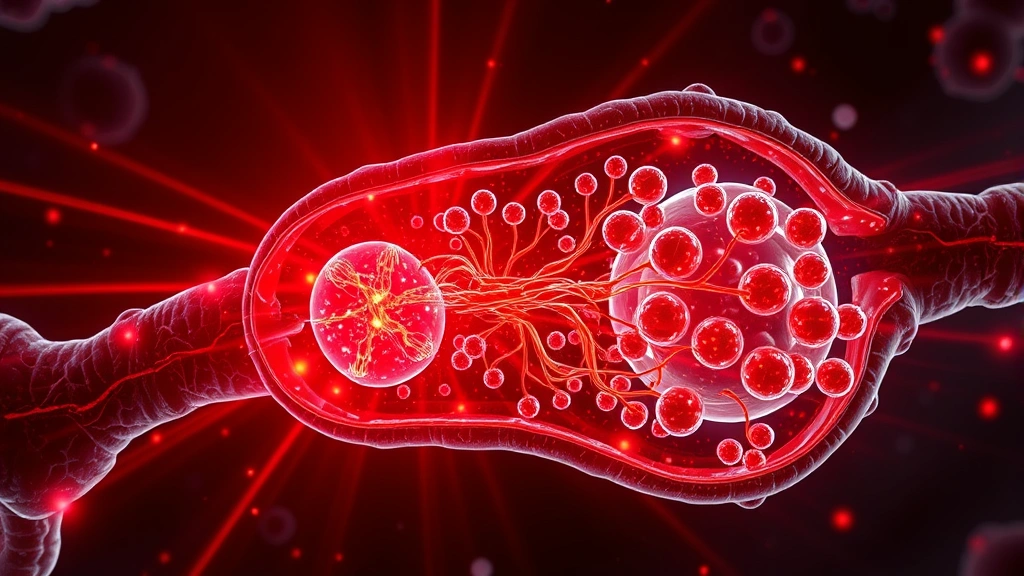
Red light therapy, also known as low-level laser therapy (LLLT) or photobiomodulation, involves exposing the body to wavelengths of light typically between 600 and 1000 nanometers. These wavelengths penetrate the skin and reach the mitochondria, the powerhouse of our cells. The primary target is an enzyme called cytochrome c oxidase, located in the mitochondrial electron transport chain.
When red and near-infrared light photons interact with this enzyme, they stimulate the production of adenosine triphosphate (ATP), the energy currency of cells. This increased ATP production theoretically enhances cellular function throughout the body. Beyond ATP production, red light therapy triggers various biological responses including increased blood flow, reduced inflammation, and activation of specific cellular signaling pathways.
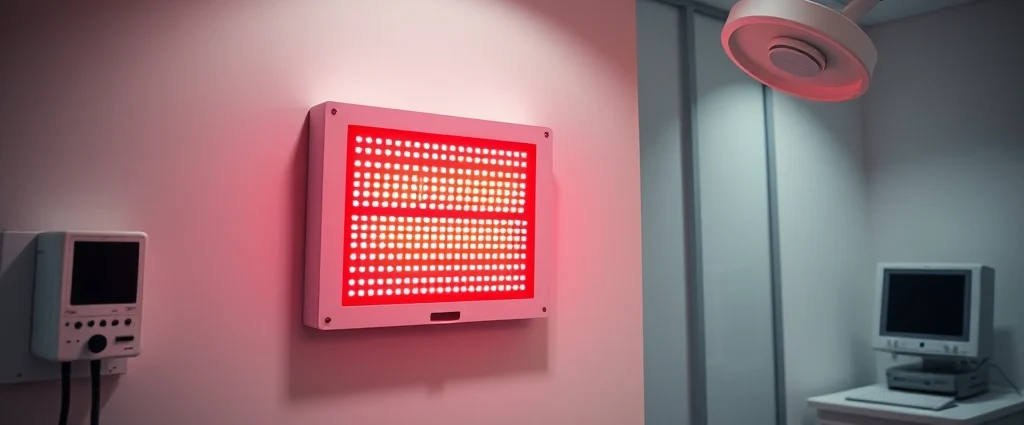
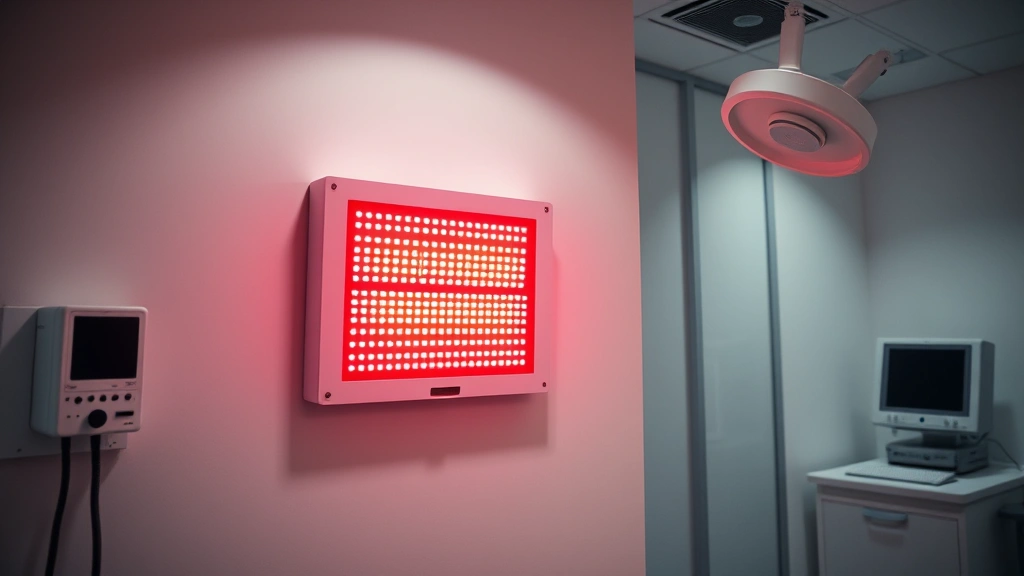
The therapy has been studied extensively for various applications, from wound healing to muscle recovery. The MindLift Daily Blog offers comprehensive therapy resources that cover various treatment modalities. Red light therapy devices range from small handheld units to full-body panels, with wavelengths and power outputs varying significantly across products. Understanding these technical specifications is crucial because not all devices deliver the same therapeutic dose.
For those interested in the broader therapeutic landscape, exploring physical therapy schools online can provide deeper insights into evidence-based treatment approaches. The scientific community increasingly recognizes photobiomodulation as a legitimate therapeutic intervention, though questions remain about its specific applications for weight management.
The Science Behind Red Light and Metabolism
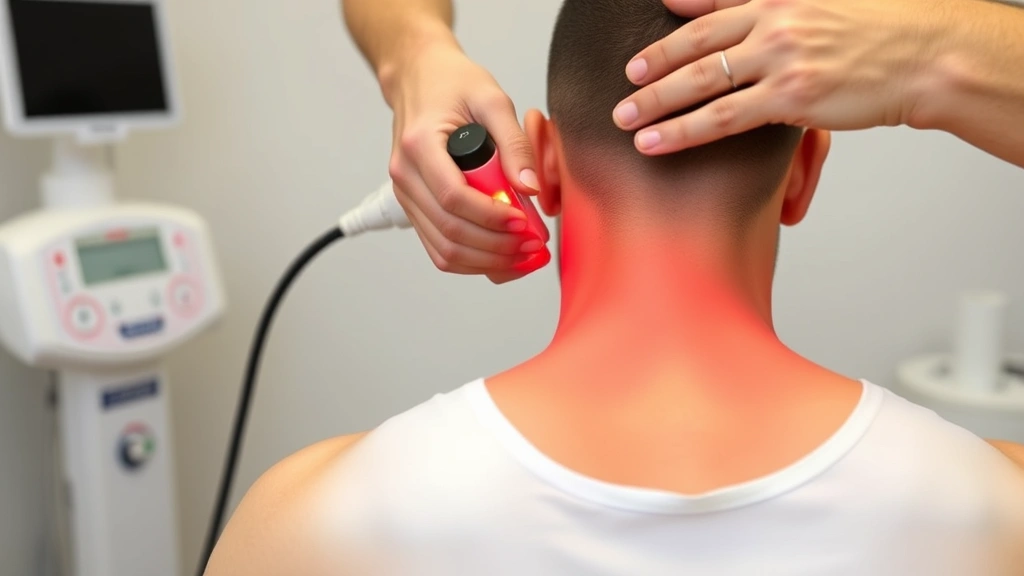
The metabolic effects of red light therapy operate through several interconnected pathways. The primary mechanism involves enhanced mitochondrial function, which directly impacts how efficiently your body converts nutrients into usable energy. When mitochondria operate more efficiently, cells require less energy to perform their functions, potentially reducing overall metabolic stress.
Research published in peer-reviewed journals has demonstrated that red light exposure increases mitochondrial ATP production. This enhanced energy availability can theoretically support metabolic processes, improve exercise performance, and potentially influence fat mobilization. A study examining photobiomodulation effects showed that treated tissues demonstrated increased oxidative metabolism and enhanced cellular respiration.
Beyond ATP production, red light therapy influences hormonal pathways relevant to fat loss. The therapy has been shown to affect adiponectin levels, a hormone that plays a crucial role in glucose metabolism and fatty acid oxidation. Additionally, red light may modulate cortisol levels and support thyroid function, both critical factors in body composition management.
The mechanism also extends to mitochondrial biogenesis, the process by which cells create new mitochondria. Enhanced mitochondrial density could theoretically improve metabolic capacity over time. Furthermore, red light therapy reduces oxidative stress and inflammation, conditions that often accompany obesity and metabolic dysfunction. By addressing these underlying issues, red light therapy might create a more favorable metabolic environment for fat loss.
Clinical Evidence for Fat Loss Benefits
When examining the clinical evidence for red light therapy and fat loss, the picture becomes more nuanced. While numerous studies demonstrate metabolic benefits, direct evidence linking red light therapy specifically to significant fat loss remains limited. Most research focuses on surrogate markers rather than actual body composition changes.
A notable study published in Lasers in Surgery and Medicine examined the effects of red light therapy on adipose tissue. Researchers found that photobiomodulation increased the mobilization of triglycerides from fat cells, suggesting enhanced lipolysis. However, mobilizing fat is only the first step; the body must then oxidize these fatty acids for actual weight loss to occur.
Other research has shown that red light therapy combined with exercise produces better results than exercise alone. In one study, participants receiving photobiomodulation alongside a training program demonstrated greater reductions in body fat percentage and improvements in muscle definition compared to the control group. This suggests red light therapy may be most effective as an adjunctive treatment.
Clinical trials examining red light therapy for metabolic health have produced encouraging results regarding insulin sensitivity and glucose metabolism. These improvements could indirectly support fat loss efforts by improving metabolic regulation. However, the effect sizes observed in most studies are modest, typically ranging from 5-15% improvements in measured parameters.
It’s important to note that many studies examining red light therapy employ small sample sizes and relatively short intervention periods. The red light therapy eye protection considerations become important when reviewing research protocols, as proper safety measures are essential in clinical investigations.
Red Light Therapy Mechanisms and Cellular Effects
Understanding the cellular mechanisms provides important context for evaluating red light therapy’s potential for fat loss. At the mitochondrial level, red light photons excite electrons in cytochrome c oxidase, facilitating electron transfer in the respiratory chain. This process increases the proton gradient, driving ATP synthase and producing more ATP molecules.
This enhanced ATP production has cascading effects throughout the cell. Cells with more available energy can perform their specialized functions more efficiently. For adipocytes (fat cells), this might mean more efficient fatty acid mobilization and oxidation. For muscle cells, it could enhance contraction force and recovery. For immune cells, it might improve inflammatory regulation.
Red light therapy also activates nuclear transcription factor kappa-light-chain-enhancer of activated B cells (NF-κB), a critical regulator of inflammatory responses. By modulating this pathway, photobiomodulation helps reduce chronic inflammation associated with obesity and metabolic disease. Chronic inflammation often impairs metabolic function and promotes fat storage, so reducing it could theoretically support fat loss efforts.
Additionally, red light exposure stimulates the production of reactive oxygen species (ROS) at low levels, which actually triggers adaptive responses that increase antioxidant defenses. This hormetic effect—where mild stress triggers beneficial adaptations—may explain some of red light therapy’s health benefits. The body’s response to this mild oxidative stimulus includes upregulation of mitochondrial biogenesis and enhanced antioxidant enzyme production.
The therapy also influences angiogenesis, the formation of new blood vessels. Improved blood flow to tissues enhances oxygen and nutrient delivery while facilitating the removal of metabolic waste products. For individuals attempting fat loss, improved circulation could enhance the delivery of hormones and nutrients necessary for mobilizing and oxidizing stored fat.
Comparing Red Light Therapy to Other Fat Loss Methods
To properly evaluate red light therapy’s role in fat loss, it’s helpful to compare it with established interventions. Traditional approaches like caloric restriction, exercise, and behavioral modification have decades of research supporting their effectiveness. These interventions produce measurable, often dramatic changes in body composition when properly implemented.
Red light therapy occupies a different position in the fat loss toolkit. While the evidence supporting its direct fat loss effects is modest, the research demonstrating its ability to enhance recovery, reduce inflammation, and improve metabolic parameters is more robust. This suggests red light therapy functions best as a complementary intervention rather than a primary fat loss method.
Compared to other emerging technologies like cryotherapy or electrical muscle stimulation, red light therapy has more extensive clinical research supporting its use. The body of evidence for photobiomodulation spans several decades and includes thousands of published studies examining various applications. This depth of research provides greater confidence in its safety profile and general efficacy.
When combined with exercise programs, red light therapy appears to offer additive benefits. Studies suggest that individuals using red light therapy alongside resistance training or cardiovascular exercise experience better results than those exercising without the intervention. The magnitude of additional benefit is typically modest—perhaps 10-20% greater improvements—but consistent across multiple studies.
For those interested in evidence-based therapeutic approaches, exploring occupational therapy online programs can provide frameworks for understanding how various interventions integrate into comprehensive wellness strategies. Professional education in therapeutic fields emphasizes the importance of multimodal approaches rather than relying on single interventions.
Optimal Usage Protocols and Safety Considerations
For red light therapy to be effective for fat loss support, proper protocol adherence is essential. Most research examining metabolic benefits employed specific wavelengths, typically in the 600-700 nanometer (red) and 800-1000 nanometer (near-infrared) ranges. Devices using wavelengths outside these ranges may not produce the same effects.
Power output (measured in milliwatts per square centimeter) also matters significantly. Studies showing metabolic benefits typically used devices delivering 10-50 mW/cm² of power. Lower-powered devices might not deliver sufficient photons to stimulate mitochondrial function effectively. Conversely, excessively high power outputs don’t necessarily produce better results and could potentially cause thermal damage.
Treatment duration and frequency recommendations vary across studies. Most effective protocols involve 10-30 minute sessions, three to five times per week. Some research suggests that consistency matters more than session length; regular, moderate-dose treatments appear more beneficial than sporadic high-dose sessions. A typical effective protocol might involve 20-minute sessions, four times weekly.
Distance from the treatment device matters as well. Most devices are designed to be used at specific distances, typically 3-6 inches from the skin surface. Using devices at incorrect distances reduces the effective dose reaching target tissues. Understanding your specific device’s specifications is crucial for achieving optimal results.
Safety considerations for red light therapy are generally favorable. The therapy is non-invasive, produces no ionizing radiation, and has minimal documented side effects when used appropriately. However, individuals with photosensitivity, those taking photosensitizing medications, or people with untreated thyroid conditions should consult healthcare providers before beginning treatment.
Eye safety deserves particular attention, as the eyes are sensitive to light exposure. While red and near-infrared light is generally considered safe for eyes, excessive exposure could potentially cause damage. Most protocols recommend either using eye protection or ensuring devices are positioned to avoid direct eye exposure. Those seeking detailed information on this topic can review comprehensive red light therapy eye protection guidance.
Expert Recommendations and Best Practices
Leading researchers in photobiomodulation generally agree that red light therapy shows promise for supporting metabolic health and potentially enhancing fat loss when combined with proven interventions. However, experts universally caution against viewing it as a standalone fat loss solution. The evidence simply doesn’t support using red light therapy alone to achieve significant weight loss.
Expert consensus suggests the following approach: red light therapy functions best as a complementary intervention integrated into a comprehensive fat loss strategy. This strategy should prioritize evidence-based fundamentals including adequate protein intake, resistance training, cardiovascular exercise, stress management, and quality sleep. Red light therapy can enhance these foundational interventions but cannot replace them.
For optimal results, experts recommend combining red light therapy with resistance training programs. The synergistic effects appear most pronounced when photobiomodulation enhances muscle recovery and adaptation following intense exercise. This combination may accelerate improvements in muscle definition, strength gains, and metabolic rate.
Nutritional approaches also complement red light therapy use. Some researchers suggest that red light therapy’s effects on mitochondrial function and fat mobilization work best when combined with nutritional strategies that support metabolic health. Adequate micronutrient intake, particularly antioxidants and B vitamins necessary for mitochondrial function, may enhance red light therapy’s benefits.
Expert recommendations also emphasize the importance of realistic expectations. While red light therapy can modestly improve metabolic parameters and support fat loss efforts, individuals should not expect dramatic body composition changes from this intervention alone. Those achieving significant fat loss through red light therapy are typically also maintaining disciplined exercise routines and nutritional practices.
Additionally, experts note that individual responses to red light therapy vary considerably. Factors including age, baseline metabolic health, genetic predisposition, and lifestyle factors influence how much benefit any given individual experiences. This variability underscores the importance of establishing objective measures before beginning treatment, allowing you to assess personal response.
For those interested in the broader therapeutic field and evidence-based practice, cognitive behavioral therapy approaches to anxiety management demonstrate how lifestyle factors including stress and sleep quality influence metabolic health. These interconnected factors must be addressed comprehensively for optimal fat loss outcomes.
Professional guidance remains valuable when implementing red light therapy for fat loss support. Working with healthcare providers familiar with photobiomodulation ensures proper protocol selection, monitoring for individual response, and integration with other treatment approaches. Those pursuing formal education in therapeutic fields, such as those found in speech therapy jobs and professional roles, learn to evaluate evidence systematically and recommend interventions based on scientific support.
FAQ
How much weight can I expect to lose using red light therapy?
Red light therapy alone typically produces minimal direct weight loss. However, when combined with exercise and proper nutrition, it may modestly enhance fat loss results—potentially 5-15% greater improvements than exercise alone. Realistic expectations involve viewing it as a complementary tool rather than a primary weight loss intervention.
How long does red light therapy take to show results?
Most studies examining red light therapy’s metabolic effects use intervention periods of 4-12 weeks. Some individuals report noticing improved recovery or energy within 2-3 weeks, while measurable changes in body composition typically require 8-12 weeks of consistent use combined with exercise and proper nutrition.
Is red light therapy safe for daily use?
Yes, red light therapy is generally safe for daily use when proper protocols are followed. Most research supports daily or near-daily treatment without significant adverse effects. However, excessive use doesn’t necessarily produce better results; consistent moderate-dose treatments appear optimal.
Can red light therapy replace exercise for fat loss?
No. While red light therapy enhances exercise benefits, it cannot replace physical activity for fat loss. Exercise remains the most effective intervention for improving body composition. Red light therapy should be viewed as an enhancement to exercise programs, not a substitute.
What wavelengths are most effective for metabolic benefits?
Research indicates that wavelengths between 600-700 nanometers (red light) and 800-1000 nanometers (near-infrared) are most effective for mitochondrial stimulation and metabolic benefits. Devices using wavelengths outside these ranges may not produce the same effects.
Should I combine red light therapy with other supplements?
Combining red light therapy with supplements supporting mitochondrial function (such as CoQ10, L-carnitine, or antioxidants) may enhance effects, though research specifically examining these combinations is limited. Always consult healthcare providers before combining treatments.
How does red light therapy compare to prescription weight loss medications?
Prescription weight loss medications typically produce more dramatic results than red light therapy, particularly regarding appetite suppression and metabolic rate increases. However, red light therapy offers a non-pharmaceutical alternative with excellent safety profile, making it suitable for those seeking to avoid medications.