
Prolozone Therapy: Can It Boost Mental Health?
Prolozone therapy has emerged as a controversial yet increasingly discussed treatment modality that combines prolotherapy principles with ozone therapy. While traditionally associated with musculoskeletal pain management and tissue regeneration, emerging discussions within integrative medicine communities suggest potential applications for mental health support. This comprehensive exploration examines the evidence, mechanisms, and realistic expectations surrounding prolozone therapy’s role in mental wellness.
Mental health treatment has historically relied on pharmaceutical interventions and psychotherapy. However, growing interest in regenerative medicine and holistic approaches has led practitioners and patients to investigate whether tissue-healing therapies might influence neurological function and psychological well-being. Understanding prolozone therapy’s actual mechanisms and limitations is essential for informed decision-making.

What Is Prolozone Therapy?
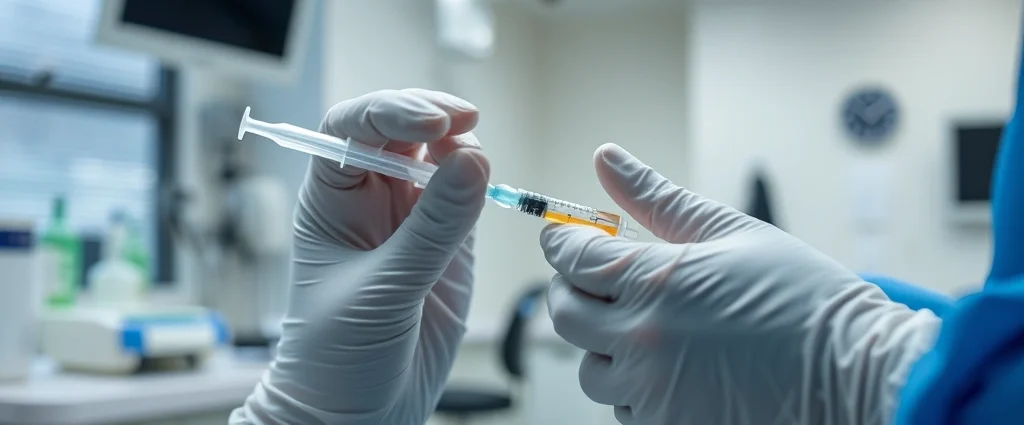
Prolozone therapy represents a hybrid treatment combining prolotherapy with ozone gas injection. Prolotherapy, also called proliferation therapy, involves injecting irritant solutions into ligaments, tendons, and joint spaces to stimulate the body’s natural healing response. Ozone therapy adds medical-grade ozone gas to this equation, theoretically enhancing the regenerative cascade.
The treatment typically targets areas of chronic pain, ligamentous laxity, or degenerative joint conditions. Practitioners inject a solution—often containing dextrose, lidocaine, and ozone—directly into affected tissues. The ozone component is said to increase oxygen availability and activate immune responses, though the scientific validation of these claims remains contested within mainstream medicine.
Unlike conventional mental health treatments such as therapy and physical therapy resources, prolozone operates through peripheral tissue stimulation rather than direct neurochemical modulation. This fundamental distinction is crucial when evaluating its potential mental health applications.

How Prolozone Therapy Works
The proposed mechanism of prolozone therapy involves a two-stage inflammatory response. First, the injected solution creates localized inflammation, signaling the body to initiate repair processes. Second, ozone theoretically enhances oxygen utilization at the cellular level, promoting collagen synthesis and tissue regeneration.
Prolotherapy’s established mechanism involves stimulating fibroblast proliferation—the cells responsible for collagen production. This process theoretically strengthens weakened connective tissues. However, the additional benefit of ozone remains scientifically uncertain. Research published in medical journals shows mixed results, with some studies indicating ozone’s antimicrobial properties while others question its regenerative claims.
From a neurological perspective, proponents suggest that reducing chronic pain signals from musculoskeletal tissues might secondarily improve mental health by decreasing pain-related stress responses. This indirect pathway differs significantly from treatments targeting neurotransmitter systems directly.
The Connection Between Physical Pain and Mental Health
The relationship between chronic pain and mental health is well-established in medical literature. Persistent pain conditions frequently co-occur with depression, anxiety, and other mood disorders. This connection operates through multiple pathways: neurochemical (shared neurotransmitter dysfunction), psychological (pain-related stress and hopelessness), and behavioral (reduced activity and social isolation).
If prolozone therapy successfully reduces chronic pain—a significant claim requiring robust evidence—it could theoretically improve mental health outcomes indirectly. Pain reduction alone has demonstrated positive effects on depression and anxiety symptoms in various populations. This possibility has generated interest among integrative medicine practitioners and patients seeking multifaceted treatment approaches.
However, this indirect mechanism differs substantially from therapies specifically designed to address mental health disorders. Someone with primary depression or anxiety disorder should not rely on pain-focused treatments as their primary intervention. Comprehensive mental health care, including evidence-based physical therapy education and training, remains essential.
Current Research on Prolozone and Mental Wellness
Scientific evidence specifically examining prolozone therapy’s effects on mental health is remarkably sparse. Most research focuses on musculoskeletal pain management, with limited and often low-quality studies. The PubMed database contains relatively few peer-reviewed studies on prolozone, and fewer still investigate psychological outcomes.
Available prolotherapy research shows modest evidence for pain reduction in certain conditions, particularly knee osteoarthritis and chronic tendon injuries. However, study quality varies considerably, with many trials lacking adequate control groups or blinding procedures. The addition of ozone introduces further complexity, as ozone therapy research itself remains controversial within mainstream medicine.
A critical gap exists between anecdotal reports of improved mood following prolozone treatment and rigorous scientific validation of this effect. Patient testimonials, while potentially meaningful on an individual level, cannot substitute for controlled clinical trials measuring mental health outcomes using standardized assessment tools.
Neuroinflammation and Mood Disorders
Recent neuroscience research has identified neuroinflammation—chronic immune activation within the central nervous system—as a potential contributor to depression, anxiety, and other psychiatric conditions. Elevated inflammatory markers appear in subsets of depressed patients, suggesting inflammation may play a mechanistic role in mood dysfunction.
Ozone proponents sometimes reference this research to suggest that ozone’s anti-inflammatory properties might benefit mental health. However, this argument contains logical leaps. Peripheral inflammation reduction does not necessarily translate to reduced neuroinflammation. The blood-brain barrier restricts direct access of many systemic factors to the central nervous system, limiting peripheral interventions’ direct neurological effects.
Research from the National Institutes of Health demonstrates that while systemic inflammation and neuroinflammation correlate in some conditions, peripheral treatments targeting inflammation do not reliably reduce brain-specific inflammation. Treatments specifically designed to modulate neuroinflammation—such as certain psychiatric medications or psychotherapies—operate through different mechanisms than peripheral tissue injections.
Safety Considerations and Risks
Prolozone therapy carries potential risks that must be considered carefully. Ozone is a reactive oxidative molecule that, while potentially beneficial in controlled contexts, can cause cellular damage at inappropriate doses or concentrations. Regulatory oversight of ozone therapy varies dramatically by jurisdiction, with some countries restricting its use entirely.
Risks associated with prolozone injections include infection, nerve damage, allergic reactions, and tissue damage from improper injection technique. The injectable solutions themselves may contain substances with limited safety documentation. Individuals with certain medical conditions—particularly those affecting immune function or taking anticoagulants—face additional risks.
Mental health patients deserve particular protection from unproven treatments, as psychiatric conditions themselves impair judgment and increase vulnerability to promising but unvalidated interventions. Someone experiencing severe depression or anxiety may be more susceptible to hopeful claims about new treatments, even those lacking scientific support.
Comprehensive evaluation by qualified healthcare providers is essential before pursuing prolozone therapy, especially for individuals managing mental health conditions. Discussing prolozone with both mental health professionals and physicians helps ensure informed decision-making.
Comparing Prolozone to Evidence-Based Mental Health Treatments
Evidence-based mental health treatments have undergone rigorous testing in randomized controlled trials. Cognitive-behavioral therapy, antidepressant medications, and other established interventions demonstrate measurable efficacy for depression, anxiety, PTSD, and other conditions. These treatments have identified mechanisms of action and understood side effect profiles.
In contrast, prolozone therapy lacks this evidence base for mental health applications. No randomized controlled trials have demonstrated prolozone’s efficacy for depression or anxiety. Clinical guidelines from major psychiatric organizations do not recommend prolozone as a mental health treatment. This distinction does not mean prolozone is necessarily ineffective, but rather that its effects remain unproven and unvalidated.
For individuals with concurrent chronic pain and mental health conditions, an integrated approach makes sense. Working with providers experienced in both physical therapy supplies and comprehensive treatment planning allows coordinated care addressing multiple health dimensions. However, this integration should include evidence-based mental health treatment as a foundation.
Integration with Conventional Therapy Approaches
Rather than replacing established mental health treatment, prolozone might theoretically complement comprehensive care in specific situations. A patient with both chronic pain and depression could benefit from addressing both conditions simultaneously through different mechanisms.
This integrative approach requires careful coordination. Mental health professionals should be aware of any adjunctive treatments patients pursue. Conversely, practitioners offering prolozone should understand that reducing pain alone may not adequately treat primary psychiatric conditions. Clear communication among all involved healthcare providers prevents conflicting advice and ensures patient safety.
Professional credentials matter significantly in this context. Practitioners offering prolozone should have appropriate medical training, licensing, and ongoing education. Look for board-certified physicians or nurse practitioners with specific training in interventional techniques rather than unlicensed practitioners making grand claims about mental health benefits.
Patients considering prolozone should ask critical questions: What evidence supports its use for my specific condition? What are realistic expectations? How does this fit into my overall mental health treatment plan? What are potential risks, and how will complications be managed? Honest practitioners welcome these questions and provide evidence-based answers.
Some integrative medical centers combine prolozone with other treatments like occupational therapy approaches and comprehensive therapy services, creating multidisciplinary treatment plans. This holistic approach can be valuable when all components have evidence support and clear practitioners.
The Role of Expectations and Placebo Effects
Placebo effects represent genuine neurobiological phenomena, not mere imagination. Expectations about treatment can activate real physiological responses, including pain reduction and mood improvement. This does not mean treatments with placebo effects are fraudulent, but it does mean distinguishing between placebo-mediated benefits and specific treatment effects becomes important.
Prolozone therapy’s mental health benefits, if they occur, may partially reflect placebo effects. The ritual of treatment, expectation of healing, and attention from healthcare providers all contribute to perceived improvement. While placebo effects have value, they differ from specific effects of the intervention itself.
Understanding this distinction matters for treatment selection. If someone’s mental health improves following prolozone primarily through placebo mechanisms, the same improvement might occur through other approaches—potentially safer, more economical, or better-supported by evidence.
FAQ
Is prolozone therapy FDA-approved for mental health treatment?
No. The FDA has not approved prolozone therapy for mental health conditions. While some components (like dextrose injections) have FDA approval for other purposes, prolozone specifically lacks FDA authorization for psychiatric applications. Practitioners offering prolozone for mental health operate in an unregulated, off-label context.
Can prolozone replace my antidepressant medication?
Absolutely not. Prolozone therapy should never replace evidence-based mental health treatment. If you are considering discontinuing psychiatric medication, discuss this only with your prescribing psychiatrist or physician. Abruptly stopping antidepressants can cause serious withdrawal symptoms and psychiatric decompensation.
What does scientific research say about ozone therapy for mood?
Research on ozone therapy for mood disorders is virtually nonexistent. Studies on ozone’s general properties show mixed results, with some indicating potential antimicrobial effects and others questioning safety at clinical doses. No credible evidence supports ozone specifically treating depression or anxiety.
Could prolozone help if I have both chronic pain and depression?
If prolozone effectively reduces chronic pain, pain reduction itself might improve mood symptoms indirectly. However, this represents only one component of comprehensive depression treatment. You would still need evidence-based mental health care including psychotherapy and potentially medication. Discuss this possibility with both your mental health provider and physician.
What questions should I ask before trying prolozone?
Ask about the practitioner’s credentials and specific training in prolozone administration. Request evidence from peer-reviewed research supporting treatment for your condition. Clarify realistic expectations, potential risks, and complications management. Ask whether they recommend prolozone as a replacement for or complement to conventional treatment. Trustworthy practitioners provide honest, evidence-based answers.
Are there safer alternatives for pain-related depression?
Yes. Physical therapy, cognitive-behavioral therapy, appropriate medication management, and other evidence-based approaches effectively address pain-related mood symptoms. These treatments have demonstrated efficacy and understood risk profiles. Discuss these options with your healthcare providers before pursuing unproven interventions.