Top Physical Therapy Programs in California: A Comprehensive Guide
California stands as a premier destination for aspiring physical therapists, offering some of the nation’s most prestigious and innovative physical therapy programs. The state’s diverse healthcare landscape, cutting-edge research facilities, and robust clinical training opportunities make it an ideal location for students pursuing careers in rehabilitation and patient care. Whether you’re interested in sports medicine, neurological rehabilitation, or orthopedic therapy, California’s institutions provide world-class education and hands-on experience that prepare graduates for successful careers in this rapidly growing field.
The demand for physical therapists in California continues to surge, driven by an aging population, increased sports participation, and growing awareness of preventive healthcare. Prospective students will discover that physical therapy major programs throughout the state emphasize evidence-based practice, patient-centered care, and professional development. This guide explores the top-ranked institutions, program characteristics, admission requirements, and career outcomes that make California an exceptional choice for physical therapy education.
Understanding Physical Therapy Education in California
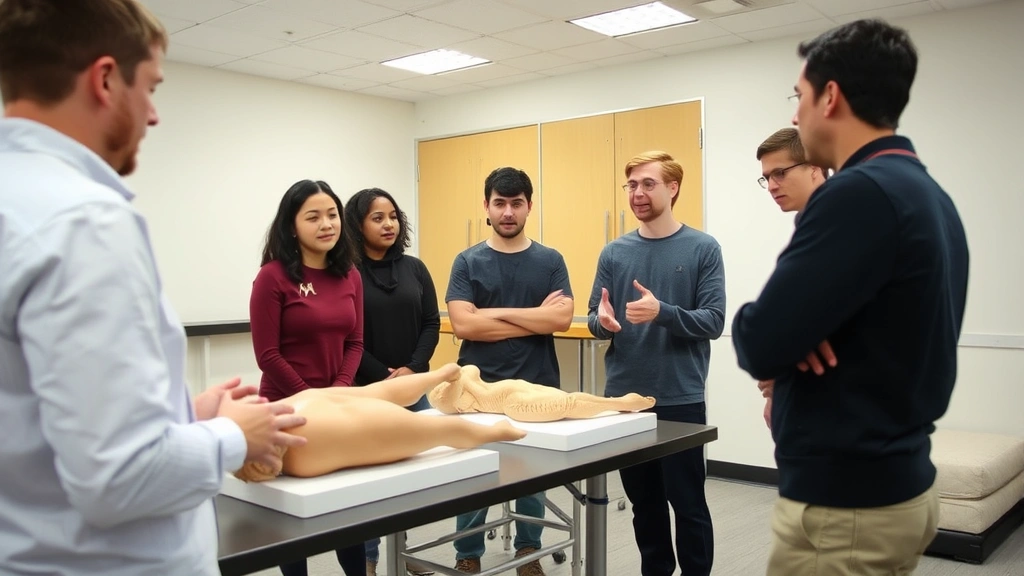
Physical therapy education in California has evolved significantly over the past two decades. Most programs now require a Doctor of Physical Therapy (DPT) degree, which represents a doctoral-level qualification essential for licensed practice. These programs typically span three years of intensive study, combining classroom instruction, laboratory work, and extensive clinical practice. California’s masters in physical therapy and doctoral programs are designed to equip students with comprehensive knowledge of human anatomy, physiology, biomechanics, and therapeutic intervention techniques.
The state’s physical therapy programs emphasize both theoretical knowledge and practical application. Students engage with current research methodologies, learning to evaluate evidence and implement best practices in clinical settings. The curriculum covers patient assessment, treatment planning, and intervention strategies for various conditions including musculoskeletal injuries, neurological disorders, cardiovascular conditions, and post-surgical rehabilitation. California institutions particularly focus on preparing students to work in diverse communities and address health disparities in underserved populations.
Many California programs incorporate interprofessional education, allowing physical therapy students to collaborate with nursing, occupational therapy, and other healthcare students. This approach mirrors real-world clinical environments where multidisciplinary teams work together to optimize patient outcomes. The state’s emphasis on innovation has led several programs to integrate emerging technologies like telehealth, virtual reality rehabilitation, and advanced diagnostic imaging into their curricula.

Top-Ranked Universities and Colleges
University of Southern California (USC) maintains one of California’s most prestigious physical therapy programs. Located in Los Angeles, USC’s DPT program consistently ranks among the nation’s top institutions. The program emphasizes research opportunities, clinical excellence, and leadership development. Students benefit from partnerships with multiple clinical sites throughout Southern California, including specialized facilities for sports medicine and neurological rehabilitation. USC’s faculty includes renowned researchers and clinicians who contribute to the advancement of physical therapy practice.
University of California, San Francisco (UCSF) offers an exceptional DPT program known for its research opportunities and community engagement. The San Francisco location provides access to diverse clinical training environments and patient populations. UCSF’s program emphasizes evidence-based practice and encourages students to participate in faculty research projects. The institution’s commitment to training physical therapists who serve underserved communities aligns with California’s healthcare needs.
Stanford University provides an innovative physical therapy program that integrates biomedical engineering, biomechanics, and advanced therapeutic techniques. Stanford’s location in Silicon Valley offers unique opportunities for students interested in technology-enhanced rehabilitation and digital health innovations. The program maintains strong connections with leading healthcare systems and research institutions throughout Northern California.
Loma Linda University operates a comprehensive DPT program with a strong emphasis on patient care, professional ethics, and community service. Located in San Bernardino County, Loma Linda’s program serves a diverse student population and maintains extensive clinical partnerships throughout Southern California. The institution’s values-based approach to healthcare education distinguishes it among California’s physical therapy programs.
California State University Programs offer more accessible entry points for students seeking quality physical therapy education. Several CSU campuses host CAPTE-accredited DPT programs that maintain high standards while serving broader student populations. These programs often feature competitive tuition rates and strong connections to regional healthcare systems.
Accreditation and Program Standards
All legitimate physical therapy programs in California must maintain accreditation from the Commission on Accreditation in Physical Therapy Education (CAPTE). This accreditation ensures programs meet rigorous standards for curriculum content, faculty qualifications, clinical training, and student outcomes. When researching therapy resources and articles, students should verify that programs hold current CAPTE accreditation status.
CAPTE accreditation requires programs to demonstrate competency in specific educational outcomes. These include understanding of human anatomy and physiology, movement science, patient examination and evaluation, intervention planning and implementation, and professional practice standards. Programs must also ensure adequate clinical education experiences that expose students to diverse patient populations and healthcare settings. California programs typically exceed minimum accreditation standards, offering enhanced learning opportunities and specialized tracks.
The California Physical Therapy Board regulates the profession and establishes licensing requirements. Graduates from accredited programs who pass the National Physical Therapy Examination (NPTE) and meet California-specific requirements become licensed to practice independently. The state’s regulatory framework ensures public protection while supporting professional development and specialization.
Clinical Training and Internships
Clinical education represents a crucial component of California’s physical therapy programs, typically comprising 24-30 weeks of full-time clinical experience. Students complete clinical internships at various facilities including hospitals, rehabilitation centers, sports medicine clinics, skilled nursing facilities, and private practices. California’s diverse healthcare landscape provides exposure to varied patient populations and treatment settings.
Many programs facilitate clinical placements at prestigious institutions and specialized clinics. Students might train at facilities focused on sports medicine, working with athletes and active individuals. Others gain experience in neurological rehabilitation, treating patients with stroke, spinal cord injury, or Parkinson’s disease. Orthopedic clinics provide intensive training in musculoskeletal conditions, while pediatric settings expose students to child development and family-centered care approaches.
The clinical education component directly supports setting therapy goals and understanding evidence-based treatment planning. Clinical instructors mentor students in patient assessment, treatment modification, and professional communication. This hands-on experience builds clinical reasoning skills essential for independent practice and specialization in specific areas of physical therapy.
California programs increasingly emphasize telehealth training, recognizing the growing importance of remote patient care delivery. Students learn to conduct virtual assessments, provide remote instruction for home exercise programs, and utilize technology to enhance patient engagement and outcomes. This preparation aligns with evolving healthcare delivery models and expands career opportunities in various settings.
Admission Requirements and Prerequisites
Admission to California’s physical therapy programs is highly competitive, with most institutions requiring strong academic credentials and clinical experience. Typical prerequisites include courses in biology, chemistry, physics, anatomy, physiology, and exercise science. Many programs require 200-500 hours of direct observation or work experience in physical therapy settings, allowing applicants to confirm their commitment to the profession and gain practical insights.
Standardized test scores, typically from the Graduate Record Examination (GRE), are required by most California programs. Competitive applicants typically achieve scores in the 50th percentile or higher. However, some institutions are moving toward test-optional policies, recognizing that standardized tests may not fully capture applicant potential. Professional schools evaluate applicants holistically, considering academic performance, clinical experience, volunteer work, leadership experiences, and personal attributes.
Personal statements and letters of recommendation carry significant weight in admissions decisions. Applicants should articulate clear motivations for pursuing physical therapy and demonstrate understanding of the profession’s scope and challenges. References from clinical supervisors, academic mentors, or healthcare professionals provide valuable insights into applicant work ethic, interpersonal skills, and potential for success in graduate studies.
California programs increasingly prioritize diversity and inclusion, actively recruiting students from underrepresented backgrounds. Many institutions offer pipeline programs, mentoring, and financial support for students from disadvantaged backgrounds. This commitment reflects the profession’s recognition that diverse workforces better serve diverse patient populations and enhance healthcare equity.
Specializations and Concentrations
California’s physical therapy programs offer numerous specialization opportunities allowing students to develop expertise in specific practice areas. Sports medicine and athletic training specializations prepare graduates to work with athletes and active individuals, addressing acute injuries and optimizing performance. These tracks often include coursework in sports injury prevention, advanced manual therapy techniques, and rehabilitation progression for return-to-sport.
Neurological rehabilitation concentrations focus on treating patients with central nervous system disorders including stroke, traumatic brain injury, multiple sclerosis, and Parkinson’s disease. Students learn specialized assessment techniques, movement re-education strategies, and evidence-based interventions for neuroplasticity and functional recovery.
Pediatric physical therapy specializations prepare graduates to work with infants, children, and adolescents. These programs emphasize normal child development, congenital conditions, and pediatric-specific interventions. Students gain experience in early intervention programs, school-based therapy, and family-centered care approaches.
Orthopedic specialization provides in-depth training in musculoskeletal conditions affecting joints, bones, and soft tissues. Advanced manual therapy techniques, imaging interpretation, and post-operative rehabilitation form core components. Many programs include certifications in manual therapy or movement assessment systems.
Geriatric and aging-related specializations address the unique needs of older adults. Students learn about age-related physiological changes, fall prevention, balance training, and functional mobility enhancement. Given California’s aging population, these specializations prepare graduates for growing career opportunities.
Additional specialization areas include physical therapy month highlighted specialties such as cardiovascular and pulmonary rehabilitation, pelvic floor dysfunction, hand therapy, and occupational health. Some programs offer occupational therapy month coordinated curricula allowing dual certification in complementary disciplines.
Career Outcomes and Licensing
Graduates from California’s accredited physical therapy programs are well-positioned for successful careers in diverse healthcare settings. Employment opportunities span hospitals, rehabilitation facilities, sports medicine clinics, private practices, schools, and community health centers. California’s strong healthcare infrastructure and large population create robust job markets for licensed physical therapists.
The National Physical Therapy Examination (NPTE) represents the critical licensing milestone. This comprehensive examination assesses clinical knowledge, decision-making abilities, and professional judgment. California programs maintain high NPTE pass rates, typically exceeding national averages. Most graduates pass the examination on their first attempt, particularly those who engage actively in exam preparation and clinical learning.
According to the U.S. Bureau of Labor Statistics, physical therapist employment is projected to grow significantly in coming decades. California’s aging population and emphasis on preventive healthcare drive this demand. Graduates can expect competitive salaries, with experienced physical therapists earning substantial incomes, particularly in specialized practices or management positions.
Continuing education and professional development are essential for maintaining licensure and advancing careers. California physical therapists must complete continuing education hours to renew licenses. Many graduates pursue board certification in specialty areas through the American Board of Physical Therapy Specialties (ABPTS), enhancing credentials and career prospects. Advanced credentials include certifications in manual therapy, sports physical therapy, neurological rehabilitation, and other specialized areas.
Leadership and entrepreneurial opportunities abound for California physical therapists. Many graduates establish private practices, develop innovative rehabilitation programs, or move into administrative and management roles. Some pursue academic careers, conducting research and educating future generations of physical therapists. Others specialize in consulting, healthcare policy, or international development work.
FAQ
What is the typical duration of a DPT program in California?
Most Doctor of Physical Therapy (DPT) programs in California require three years of full-time study. The curriculum typically includes two years of didactic coursework and laboratory instruction, followed by one year or more of clinical internships. Some programs offer alternative scheduling options including part-time tracks that extend the duration to four years.
How much does physical therapy education cost in California?
Tuition varies significantly among California institutions. Private universities like USC, Stanford, and UCSF typically charge $40,000-$60,000 annually, with total program costs reaching $120,000-$200,000. California State University programs generally cost $10,000-$25,000 annually. Most students utilize financial aid including federal loans, scholarships, and graduate assistantships to manage educational expenses.
What GPA do I need for admission to California physical therapy programs?
Competitive applicants typically maintain GPAs of 3.5 or higher, particularly in prerequisite science courses. However, most programs evaluate GPAs in context with other factors including GRE scores, clinical experience, and personal attributes. Some institutions weight recent coursework more heavily, allowing applicants to demonstrate improvement over time.
Can I work while pursuing a DPT degree in California?
Most DPT programs are full-time, intensive programs that require substantial time commitment to coursework, laboratory work, and clinical education. Part-time employment during the first year may be possible for some students, but clinical internships typically preclude employment during later program years. Many students work summers between program years to supplement income and gain clinical experience.
What are the licensing requirements after graduation?
California graduates must pass the National Physical Therapy Examination (NPTE) and apply for state licensure through the California Physical Therapy Board. Requirements include graduation from an accredited DPT program, passing the NPTE, and meeting specific California requirements. The state does not require additional state-specific examinations, though some applicants may pursue optional certifications in specialized areas.
Are there scholarship opportunities for physical therapy students in California?
Yes, numerous scholarships and financial aid opportunities are available. Many California universities offer merit-based scholarships, need-based aid, and graduate assistantships. Professional organizations, community foundations, and healthcare systems also sponsor scholarships for physical therapy students. Federal loan programs including Stafford loans and Graduate PLUS loans provide additional funding options.
What specializations are most in-demand in California?
Geriatric and aging-related specializations are increasingly in-demand given California’s aging population. Sports medicine, neurological rehabilitation, and orthopedic specializations also offer strong employment opportunities. Emerging specializations in telehealth and digital rehabilitation are creating new career pathways as healthcare delivery evolves.