
Is Virtual Therapy Effective? Expert Insights on Net Therapy and Digital Mental Health
The landscape of mental health treatment has undergone a dramatic transformation over the past decade. Virtual therapy, commonly referred to as net therapy or teletherapy, has emerged as a legitimate and increasingly popular alternative to traditional in-person sessions. As more people seek accessible mental health support, the question of whether virtual therapy delivers comparable results to conventional therapy has become critically important for patients, practitioners, and policymakers alike.
This comprehensive guide explores the effectiveness of virtual therapy through evidence-based research, expert perspectives, and practical considerations. Whether you’re considering online counseling for yourself or exploring therapy resources and information, understanding the efficacy of digital mental health platforms is essential for making informed decisions about your care.
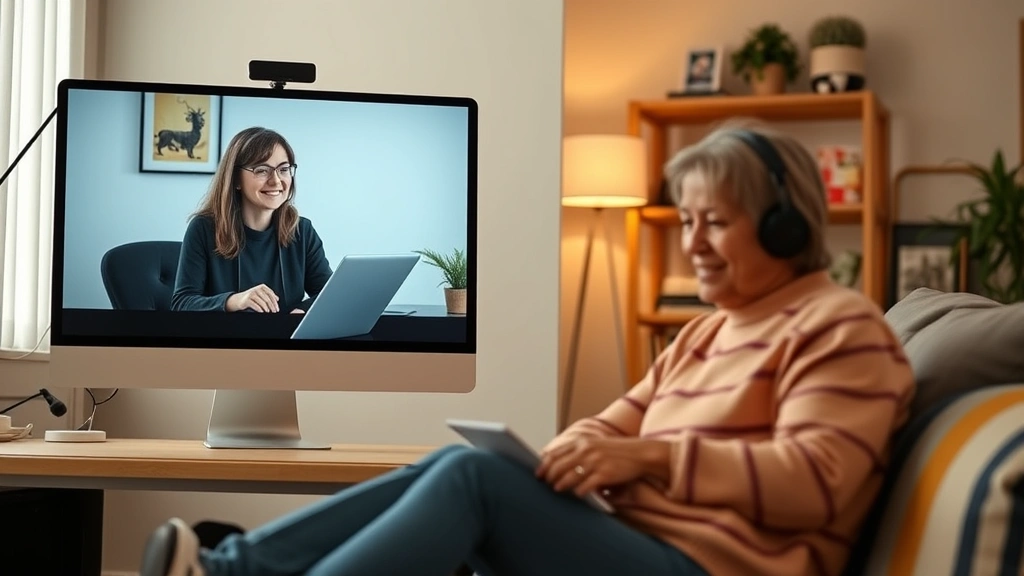
What is Virtual Therapy and How Does It Work?
Virtual therapy encompasses any mental health treatment delivered through digital platforms rather than face-to-face interactions. This includes video conferencing sessions with licensed therapists, chat-based counseling, mobile applications with therapeutic features, and hybrid models combining multiple delivery methods. Net therapy has become an umbrella term for these digitally-enabled psychological interventions.
The mechanics of virtual therapy are straightforward yet sophisticated. A patient schedules an appointment through a secure platform, logs in at the designated time, and connects with their therapist via video, phone, or text. The therapist conducts the session much like an in-person appointment, utilizing evidence-based therapeutic techniques adapted for the digital environment. Advanced encryption and HIPAA-compliant platforms ensure patient privacy and data security, addressing one of the primary concerns about online mental health services.
Virtual therapy platforms range from large-scale teletherapy companies to independent practitioners offering flexible pricing and cost options. Some platforms specialize in specific conditions like anxiety or depression, while others provide general mental health support accessible to anyone seeking professional help.

The Research Behind Virtual Therapy Effectiveness
Extensive research has examined the efficacy of virtual therapy across multiple mental health conditions. A landmark meta-analysis published in JAMA Psychiatry found that telehealth psychiatric interventions produced clinical outcomes comparable to in-person care for depression, anxiety disorders, and other common mental health conditions. The American Psychological Association has recognized telepsychology as an effective treatment modality when conducted by qualified professionals.
Studies investigating cognitive-behavioral therapy (CBT) delivered virtually demonstrate effectiveness rates equivalent to traditional CBT. Research from the American Psychological Association confirms that therapeutic alliance—the relationship between therapist and client—can develop effectively through digital channels. This finding contradicts earlier assumptions that the screen-based format would inevitably compromise treatment outcomes.
Specific condition research reveals promising results: virtual therapy for panic disorder showed 60-70% remission rates matching in-person treatment; depression studies indicate similar response rates across modalities; and anxiety interventions delivered online produced durable long-term improvements. These findings suggest that the delivery method matters less than the quality of the therapeutic relationship and the appropriateness of the intervention for the individual’s condition.
A comprehensive review in Psychological Services examined 100+ randomized controlled trials and found no significant difference in treatment effectiveness between virtual and traditional therapy across diverse populations. However, researchers noted that certain factors influence outcomes: patient preference for the modality, technological comfort, and the specific condition being treated all impact efficacy.
Comparing Virtual Therapy to In-Person Treatment
While research demonstrates comparable effectiveness, direct comparisons reveal nuanced differences. Virtual therapy excels in accessibility and convenience, eliminating geographical barriers and reducing wait times. Patients in rural areas or those with mobility limitations can access specialized therapists previously unavailable to them. This democratization of mental health care represents a significant advancement in the field.
In-person therapy maintains certain advantages, particularly for severe mental health crises, complex trauma, or conditions requiring careful observation and nonverbal cue interpretation. Therapists can more readily assess safety concerns during face-to-face sessions and respond immediately to acute distress. Additionally, some individuals prefer the structured environment and perceived gravitas of an office setting.
The therapeutic alliance—arguably the strongest predictor of treatment success—can develop effectively through both modalities, though some research suggests it may take slightly longer to establish virtually. Experienced therapists adapt their techniques to maximize connection through digital channels, using video conferencing features strategically and maintaining consistent engagement patterns.
For those exploring various therapeutic modalities, understanding how virtual options compare to specialized treatments like physical therapy treatment or speech therapy services helps inform comprehensive treatment planning.
Key Advantages of Net Therapy
Accessibility and Convenience represent the most compelling advantages of virtual therapy. Patients can attend sessions from home, eliminating commute time and geographical constraints. This proves particularly valuable for individuals with demanding work schedules, childcare responsibilities, or physical disabilities that complicate travel.
Cost-Effectiveness makes therapy more affordable for many people. Virtual sessions often cost less than in-person appointments because therapists reduce overhead expenses. Additionally, reduced transportation costs and time away from work decrease the financial burden of seeking mental health care.
Reduced Stigma encourages individuals hesitant about visiting a therapist’s office to seek help. Attending sessions privately from home removes the anxiety some people experience about being seen entering a mental health clinic or therapist’s office.
Greater Therapist Selection allows patients to find specialists matching their specific needs regardless of local availability. Someone seeking trauma-informed therapy for complex PTSD can connect with experts nationwide rather than settling for available local practitioners.
Flexibility and Continuity enable patients to maintain therapeutic relationships despite relocations, travel, or temporary disruptions. A therapist-client pair can continue working together even when circumstances change, supporting consistent long-term care.
Comfort and Familiar Environment can enhance therapeutic openness for some individuals. Being in a comfortable, known space sometimes facilitates deeper emotional disclosure compared to an unfamiliar office setting.
Limitations and Challenges
Despite substantial advantages, virtual therapy presents legitimate limitations. Technology Barriers exclude individuals without reliable internet access, appropriate devices, or technological literacy. Rural populations, elderly individuals, and economically disadvantaged communities may lack adequate infrastructure for consistent virtual sessions.
Reduced Nonverbal Communication affects the therapist’s ability to observe body language, facial expressions, and physical cues that inform clinical assessment. While video conferencing captures significant nonverbal information, it doesn’t equal in-person observation.
Privacy Concerns arise when patients lack private spaces for sessions. Shared living situations, workplace environments, or public locations compromise confidentiality and client comfort. Additionally, data security concerns—while addressed through encryption and compliance—remain a consideration for privacy-conscious individuals.
Crisis Management Limitations present genuine challenges. Virtual therapists cannot physically intervene during acute crises, though they can contact emergency services and coordinate immediate support. Patients experiencing severe suicidality or self-harm impulses may require in-person crisis intervention.
Therapeutic Relationship Development may proceed more slowly through digital channels for some individuals. The screen-based format, while adequate for many, can feel impersonal or create psychological distance for others.
Regulatory and Licensing Complexities complicate virtual therapy delivery across state lines. Therapists face restrictions regarding which states allow them to practice, potentially limiting patient options.
Best Practices for Virtual Therapy Success
Maximizing virtual therapy effectiveness requires intentional strategies from both therapist and client. Optimize Your Environment by creating a private, quiet space free from distractions. Ensure adequate lighting so the therapist can see your face clearly, and minimize background noise. These environmental factors significantly impact session quality and therapeutic focus.
Test Technology Beforehand by logging into the platform early, checking camera and microphone function, and confirming internet connection stability. Technical difficulties disrupt therapeutic momentum and waste valuable session time.
Establish Consistent Routines by scheduling sessions at predictable times. This regularity strengthens therapeutic structure and helps your brain prepare for emotional processing work.
Communicate Openly with Your Therapist about any difficulties with the virtual format. Experienced practitioners adjust their approach based on feedback, potentially shifting to phone sessions, increasing session frequency, or modifying techniques to enhance effectiveness.
Minimize Distractions during sessions by silencing notifications, informing household members of your appointment, and putting devices on silent. Full engagement with your therapist maximizes therapeutic benefit.
Maintain Physical Comfort by sitting in an ergonomic position with appropriate lighting and temperature. Physical discomfort during sessions diverts attention from therapeutic work.
Special Considerations for Different Therapy Types
Virtual therapy effectiveness varies across therapeutic modalities and conditions. Cognitive-Behavioral Therapy (CBT) translates exceptionally well to virtual formats. The structured, skill-based nature of CBT—teaching specific techniques for managing thoughts, emotions, and behaviors—doesn’t require in-person proximity. Research consistently shows CBT delivered virtually produces outcomes equivalent to in-person CBT.
Psychodynamic and Psychoanalytic Therapy may face greater challenges in virtual settings. These approaches emphasize subtle transference dynamics and nonverbal communication patterns that some practitioners argue are better observed in person. However, skilled practitioners successfully adapt these modalities for digital delivery.
Exposure Therapy for anxiety disorders requires careful consideration. While imaginal exposure (visualizing feared scenarios) works well virtually, in vivo exposure (confronting real-world situations) requires the patient to practice independently between sessions. Therapists can guide and support this work through virtual consultations.
Couples and Family Therapy can occur virtually with modifications. While in-person sessions sometimes feel more grounded for relationship work, virtual couples therapy shows comparable effectiveness when both partners participate fully and maintain engagement.
Trauma-Focused Therapy requires special attention to safety and pacing. Virtual trauma therapy works effectively for many patients, though some therapists prefer in-person sessions for initial trauma processing to better monitor physiological responses and provide immediate grounding techniques.
For those seeking specialized therapeutic approaches, exploring how different modalities integrate with virtual delivery—much like understanding how complementary therapies complement traditional care—helps create comprehensive treatment plans.
The Future of Digital Mental Health
The trajectory of virtual therapy points toward increasingly sophisticated digital mental health ecosystems. Artificial Intelligence Integration
Research published in Nature Digital Medicine explores machine learning applications for predicting treatment response and personalizing interventions. These advances could optimize therapy matching and improve outcomes across populations.
Virtual Reality Exposure Therapy represents an exciting frontier. Immersive VR environments enable controlled exposure experiences for phobias, PTSD, and anxiety disorders, combining the precision of virtual delivery with enhanced engagement. Early research suggests VR-based interventions produce superior outcomes for certain conditions.
Wearable Technology Integration allows therapists to monitor biometric data—heart rate variability, sleep patterns, activity levels—informing real-time clinical decision-making. This continuous data stream enables more responsive, personalized care.
Hybrid Care Models will likely become standard practice. Combining periodic in-person sessions with frequent virtual appointments optimizes accessibility while maintaining the benefits of face-to-face therapeutic contact. This flexible approach accommodates diverse patient preferences and needs.
Expanded Accessibility through multilingual platforms, culturally tailored interventions, and services designed specifically for underserved populations will democratize mental health care further. The Substance Abuse and Mental Health Services Administration increasingly supports virtual delivery as a means to address mental health disparities.
For those interested in mental health careers, the growth of virtual therapy expands opportunities in mental health and therapy professions, including specialized roles in digital health delivery and teletherapy platform development.
FAQ
Is virtual therapy as effective as in-person therapy?
Research demonstrates that virtual therapy produces comparable clinical outcomes to in-person therapy for most common mental health conditions including depression, anxiety, and PTSD. Effectiveness depends more on the quality of the therapeutic relationship and appropriateness of treatment than the delivery modality. However, certain severe conditions or crisis situations may benefit from in-person evaluation and intervention.
What conditions work best with virtual therapy?
Virtual therapy proves particularly effective for anxiety disorders, depression, obsessive-compulsive disorder, and mild-to-moderate PTSD. Cognitive-behavioral therapy delivered virtually shows especially strong outcomes. Conditions requiring immediate crisis intervention or complex medical monitoring may benefit from in-person care, though virtual therapists can coordinate emergency services when needed.
How do I know if virtual therapy is right for me?
Consider virtual therapy if you have reliable internet access, a private space for sessions, comfort with technology, and preference for convenience and accessibility. You might prefer in-person therapy if you struggle with technology, lack privacy at home, have severe symptoms requiring crisis intervention, or simply feel more comfortable with face-to-face interaction. Many people benefit from trying virtual therapy before deciding.
What should I look for in a virtual therapy platform?
Prioritize platforms with licensed, credentialed therapists; strong privacy protections and HIPAA compliance; secure video conferencing technology; and transparent credentials verification. Read reviews, confirm insurance acceptance if relevant, and ensure the platform offers therapist matching options. Start with a consultation call to assess therapeutic fit before committing to ongoing care.
Can virtual therapy help with crisis situations?
Virtual therapists can provide crisis support, safety planning, and coordination with emergency services. However, if you’re experiencing acute suicidality, severe self-harm urges, or psychotic symptoms, immediately contact emergency services (911 in the US) or go to an emergency room. Virtual therapy complements but doesn’t replace emergency mental health intervention for acute crises.
How much does virtual therapy typically cost?
Virtual therapy costs generally range from $60-$250 per session, often lower than in-person therapy. Many platforms offer subscription models ($30-$100 monthly for messaging-based counseling) or accept insurance. For detailed pricing information and insurance coverage, explore comprehensive therapy cost guides for your area and condition.
Is my privacy protected during virtual therapy sessions?
Reputable virtual therapy platforms use end-to-end encryption, comply with HIPAA regulations, and maintain strict confidentiality standards. However, your responsibility includes using secure internet connections, not sharing login credentials, and ensuring privacy in your physical location. Verify platform security certifications before starting therapy.
Can I switch from virtual to in-person therapy?
Absolutely. Many therapists offer both modalities and can transition you between them. Alternatively, you can continue with your virtual therapist while supplementing with occasional in-person sessions with specialists. A hybrid approach often provides optimal flexibility and access to specialized expertise.