NAD IV Therapy: Potential Side Effects & Benefits
NAD (nicotinamide adenine dinucleotide) IV therapy has emerged as a cutting-edge wellness treatment gaining significant attention in both mainstream medicine and alternative health circles. This intravenous therapy delivers NAD+ directly into the bloodstream, bypassing the digestive system to maximize bioavailability and cellular absorption. As more individuals explore therapy resources and information to optimize their health, understanding both the potential benefits and side effects of NAD IV therapy becomes increasingly important for informed decision-making.
NAD+ is a coenzyme found in every cell of the human body, playing a crucial role in energy production, DNA repair, and cellular metabolism. Proponents of NAD IV therapy suggest it can enhance cognitive function, boost energy levels, support addiction recovery, and promote healthy aging. However, like any medical intervention, NAD IV therapy comes with potential side effects that deserve careful consideration. This comprehensive guide explores the scientific evidence, benefits, risks, and important safety considerations surrounding NAD IV therapy.

What is NAD IV Therapy?
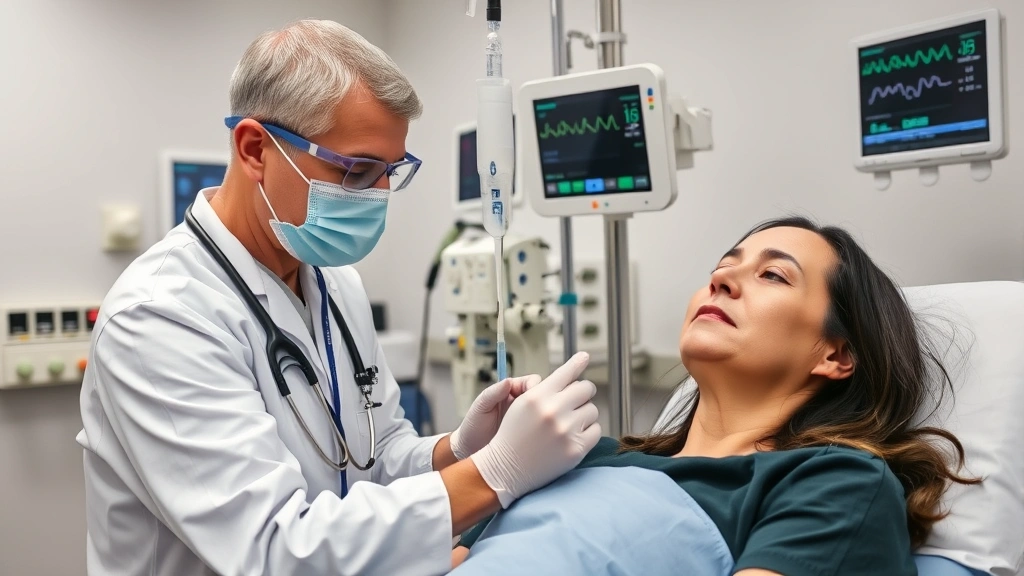
NAD IV therapy is an intravenous infusion containing nicotinamide adenine dinucleotide, a critical molecule present in all living cells. Unlike oral supplements, which must pass through the digestive system and face significant absorption challenges, IV therapy delivers NAD+ directly into the bloodstream where it can immediately reach cells throughout the body. The typical NAD IV therapy session involves infusing a solution containing NAD+ along with supportive vitamins and minerals over a period ranging from 2 to 4 hours, depending on the specific protocol and dosage.
The therapy has roots in both conventional and regenerative medicine, with practitioners claiming it addresses fundamental cellular dysfunction. NAD+ levels naturally decline with age, with studies suggesting a significant decrease by the time individuals reach their 50s and beyond. This age-related decline has led researchers and clinicians to investigate whether replenishing NAD+ through IV therapy might reverse or slow certain aging processes and age-related conditions.
NAD IV therapy gained particular prominence in addiction medicine, where some treatment facilities incorporate it into comprehensive recovery programs. The theory suggests that boosting NAD+ levels may help restore proper neurochemical balance and support the body’s natural detoxification processes during withdrawal and recovery phases.

How NAD IV Therapy Works
Understanding the mechanism of NAD IV therapy requires knowledge of NAD+’s fundamental role in cellular biology. NAD+ functions as an electron carrier in the mitochondria, the powerhouse of cells, facilitating the conversion of nutrients into ATP (adenosine triphosphate), which is the universal energy currency of cells. When NAD+ levels are depleted, cellular energy production becomes compromised, potentially contributing to fatigue, cognitive decline, and accelerated aging.
The IV delivery method bypasses first-pass hepatic metabolism, meaning the NAD+ reaches systemic circulation without being significantly metabolized by the liver before reaching target tissues. This direct delivery theoretically allows for higher circulating concentrations of NAD+ than oral supplementation can achieve. The infusion typically contains NAD+ along with B vitamins, amino acids, and electrolytes that support cellular function and optimize the therapeutic environment.
Once in the bloodstream, NAD+ enters cells and participates in numerous enzymatic reactions. It serves as a substrate for sirtuins, a family of proteins involved in cellular stress resistance and longevity. NAD+ also participates in DNA repair mechanisms, helping cells maintain genomic integrity and prevent mutations associated with cancer and aging. Additionally, NAD+ influences circadian rhythm regulation, metabolic rate, and immune function through its role in various signaling pathways.
Potential Benefits of NAD IV Therapy
Proponents of NAD IV therapy cite numerous potential health benefits supported by varying levels of scientific evidence. One of the most researched applications involves addiction recovery support, where some treatment programs report improved withdrawal symptoms and reduced cravings when NAD IV therapy is incorporated into comprehensive treatment protocols. While research in this area continues, preliminary studies suggest promise for alcohol, opioid, and other substance dependencies.
Many individuals report enhanced mental clarity and cognitive function following NAD IV therapy sessions. The mechanism likely involves improved mitochondrial function in neural tissue, potentially enhancing neurotransmitter synthesis and synaptic plasticity. Some users describe improvements in focus, memory, and overall mental performance lasting days or weeks after treatment.
Energy and fatigue reduction represent another commonly reported benefit. By optimizing cellular energy production through enhanced mitochondrial function, NAD IV therapy may help individuals struggling with chronic fatigue, fibromyalgia, or general low energy states. Athletes and active individuals sometimes use NAD IV therapy to support recovery and performance.
The anti-aging potential of NAD IV therapy has generated significant interest, as NAD+ supports sirtuin activation and DNA repair mechanisms implicated in longevity. Some researchers propose that maintaining optimal NAD+ levels throughout life might slow cellular aging processes and reduce age-related disease risk. However, human longevity studies remain limited.
Additional reported benefits include mood improvement, support for chronic pain conditions, immune system enhancement, and metabolic optimization. Some practitioners claim NAD IV therapy supports athletic performance, recovery from intense training, and endurance capacity, though robust clinical evidence for these applications remains limited.
Common Side Effects
While NAD IV therapy is generally considered safe by proponents, several common side effects occur with notable frequency. Understanding these helps patients prepare appropriately and distinguish normal reactions from concerning complications.
Flushing and skin reactions represent the most frequently reported side effects. Many patients experience facial flushing, warmth, or redness during or shortly after NAD IV infusion. This typically resolves within minutes to hours and reflects the physiological effects of NAD+ on blood vessel dilation. The sensation is usually mild but can feel uncomfortable for some individuals.
Nausea and gastrointestinal discomfort occur in a substantial portion of patients. The intensity varies considerably, ranging from mild queasiness to more pronounced nausea. Slowing the infusion rate typically reduces these symptoms, which is why experienced practitioners often adjust infusion speed based on patient tolerance. Nausea usually resolves once the infusion concludes.
Fatigue and lethargy paradoxically occur in some patients despite NAD IV therapy’s purported energy-boosting effects. Some individuals report feeling tired or slightly sedated during or after treatment. This temporary fatigue typically resolves within hours to days.
Muscle aches and joint discomfort have been reported by some patients, occasionally described as a temporary worsening of existing pain conditions. These symptoms generally resolve relatively quickly as the body adjusts to increased NAD+ availability.
Headaches affect some individuals undergoing NAD IV therapy, ranging from mild to moderate intensity. These typically resolve with standard pain management and hydration, and often diminish with subsequent treatments as the body adapts.
Injection site reactions including bruising, soreness, or mild inflammation at the IV insertion point occur occasionally, particularly with repeated treatments. Proper IV placement technique and site care minimize these complications.
Serious Adverse Reactions
While uncommon, serious adverse reactions to NAD IV therapy warrant careful consideration and medical supervision. Patients should understand warning signs requiring immediate medical attention.
Allergic reactions, though rare, represent the most serious potential complication. Symptoms might include difficulty breathing, throat tightness, severe rash, or anaphylaxis. Individuals with known sensitivities to niacin or other formula components should avoid NAD IV therapy or undergo testing before treatment.
Thrombophlebitis, inflammation of the vein used for infusion, can occur with any IV therapy. Signs include redness, warmth, swelling, or pain along the vein tract. While usually mild and self-limiting, severe cases require medical intervention.
Infection at the injection site represents a risk with any intravenous procedure. Proper sterile technique during administration is essential to prevent bacterial contamination. Signs of infection include increasing pain, swelling, warmth, or drainage at the site.
Systemic reactions including fever, chills, or generalized malaise occasionally occur and might indicate infection or contamination of the infusion solution. Such symptoms warrant immediate medical evaluation.
Electrolyte imbalances could theoretically result from IV therapy, particularly in individuals with kidney dysfunction or those receiving frequent treatments. Monitoring electrolyte levels becomes important for patients undergoing regular NAD IV therapy.
Cardiovascular effects including irregular heartbeat or chest discomfort have been rarely reported. Individuals with pre-existing cardiac conditions require careful medical evaluation before pursuing NAD IV therapy.
Who Should Avoid NAD IV Therapy
Certain populations face elevated risks from NAD IV therapy and should avoid treatment or pursue it only under close medical supervision. Individuals with severe kidney disease may struggle to process and eliminate excess NAD+ and supporting compounds, leading to dangerous accumulation. Those with liver disease face similar concerns regarding metabolic processing of infusion components.
People with history of niacin sensitivity or allergies to niacin-containing compounds should avoid NAD IV therapy, as the treatment is essentially a high-dose niacin infusion. Those with active infections should postpone treatment until the infection resolves, as IV therapy might complicate immune response.
Pregnant and breastfeeding women should consult medical providers before considering NAD IV therapy, as safety data in these populations remains limited. Individuals taking certain medications, particularly those affecting blood clotting or cardiovascular function, may face contraindications requiring medical evaluation.
Those with uncontrolled hypertension should exercise caution, as NAD IV therapy might affect blood pressure regulation. Individuals with gout or elevated uric acid levels may experience exacerbation of symptoms, as niacin can increase uric acid levels.
People with bipolar disorder or other conditions where niacin metabolism is altered should avoid NAD IV therapy without medical supervision. Additionally, those with active substance use disorders require careful medical screening, even though NAD IV therapy is sometimes used in addiction treatment settings, because the appropriate clinical context and monitoring are essential.
Safety and Best Practices
Maximizing safety when considering NAD IV therapy requires thorough medical evaluation and selection of qualified practitioners. Before pursuing treatment, individuals should undergo comprehensive blood work assessing kidney function, liver function, electrolyte balance, and baseline health status. This screening identifies potential contraindications and establishes baseline values for comparison after treatment.
Choosing a qualified healthcare provider is paramount. NAD IV therapy should be administered by licensed medical professionals in sterile clinical environments. Practitioners should have extensive IV therapy experience, proper training in NAD IV protocols, and ability to manage potential complications. Understanding therapy costs helps patients make informed financial decisions, as NAD IV therapy typically requires multiple sessions ranging from $500 to $2,500 per infusion depending on dosage and location.
During initial consultation, discuss realistic expectations regarding benefits and timeline. Some individuals report benefits after single treatments, while others require multiple sessions before noticing effects. Practitioners should provide clear information about potential side effects and warning signs requiring immediate medical attention.
Hydration before and after treatment optimizes outcomes and may reduce side effect severity. Consuming adequate water helps support the body’s processing of NAD+ and infusion components. Some practitioners recommend specific nutritional protocols before treatment to enhance results.
Start with lower dosages and slower infusion rates, particularly for first-time patients. This conservative approach allows monitoring of individual tolerance and side effect profiles. Subsequent treatments can be adjusted based on response and tolerance.
Maintain detailed records of treatment responses, side effects, and perceived benefits. This documentation helps practitioners refine protocols and allows patients to track patterns and long-term outcomes. Discuss any concerning symptoms immediately with the treating provider rather than waiting for follow-up appointments.
For individuals pursuing NAD IV therapy for addiction recovery support, it should complement comprehensive treatment including therapy, counseling, and behavioral interventions rather than serving as a standalone treatment. Consult addiction medicine specialists regarding integration of NAD IV therapy into overall recovery protocols, as physical therapy treatment approaches demonstrate the importance of multimodal therapeutic strategies.
Research continues regarding optimal NAD IV therapy protocols, appropriate patient populations, and long-term safety profiles. Stay informed about emerging evidence by consulting reputable medical sources and discussing new findings with healthcare providers. The scientific understanding of NAD IV therapy continues evolving as more research accumulates.
FAQ
Is NAD IV therapy FDA approved?
NAD IV therapy is not specifically FDA-approved as a treatment for any particular condition. However, the components used in NAD IV infusions are FDA-approved compounds. Practitioners use these approved compounds in off-label applications based on clinical experience and emerging research. This means NAD IV therapy operates in a regulatory gray area requiring careful provider selection and informed patient consent.
How many NAD IV therapy sessions are typically needed?
Treatment protocols vary considerably depending on intended outcomes and individual response. Some individuals report benefits after single sessions, while others follow protocols involving 10 or more treatments. Typical programs might involve 2-4 infusions weekly for several weeks. Discuss specific protocols and expected treatment duration with qualified practitioners during consultation.
Can NAD IV therapy interact with medications?
Potential interactions exist between NAD IV therapy and certain medications, particularly those affecting blood pressure, blood clotting, or cardiovascular function. Individuals taking medications should disclose complete medication lists to treating providers before pursuing NAD IV therapy. Medical professionals can assess interaction risks and adjust treatment protocols accordingly.
How long do NAD IV therapy benefits last?
Duration of benefits varies significantly among individuals. Some report effects lasting several days to weeks after treatment, while others describe more transient benefits. Factors influencing duration include baseline NAD+ levels, age, overall health status, and individual metabolism. Regular treatments may be necessary to maintain perceived benefits.
Is NAD IV therapy covered by insurance?
Most insurance plans do not cover NAD IV therapy, as it remains classified as an experimental or elective treatment lacking robust FDA approval for specific medical conditions. Patients should expect out-of-pocket costs and investigate whether practitioners offer payment plans or package discounts for multiple treatments.
What is the difference between NAD IV therapy and oral NAD supplements?
IV delivery bypasses the digestive system and first-pass hepatic metabolism, theoretically achieving higher circulating NAD+ concentrations than oral supplements. Oral supplements face significant bioavailability challenges, with most NAD+ being broken down during digestion. However, research comparing clinical outcomes between IV and oral approaches remains limited, and some individuals may achieve satisfactory results with oral supplementation at lower cost.
Can NAD IV therapy help with specific conditions?
While practitioners claim benefits for numerous conditions including addiction recovery, chronic fatigue, cognitive decline, and aging-related issues, robust clinical evidence remains strongest for addiction support applications. For other conditions, evidence remains more preliminary. Discuss specific health goals with medical providers to assess whether NAD IV therapy represents an appropriate treatment option.