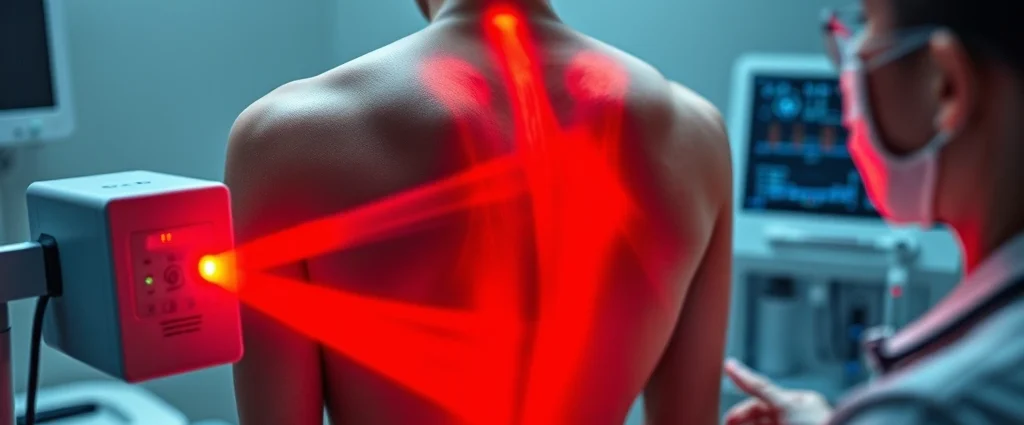

Can MLS Laser Therapy Relieve Back Pain? Studies Say Yes
Back pain affects millions of people worldwide, impacting quality of life and productivity. Traditional treatments range from physical therapy to medications, but emerging technologies are offering new hope. MLS laser therapy, also known as multiwave locked system laser therapy, represents a cutting-edge approach to pain management that’s gaining significant clinical attention. This non-invasive treatment uses specific wavelengths of light to penetrate tissue and promote healing at the cellular level.
The scientific evidence supporting MLS laser back therapy machines continues to grow, with numerous peer-reviewed studies demonstrating effectiveness in reducing pain, inflammation, and accelerating recovery. Unlike pharmaceutical interventions, laser therapy works by stimulating the body’s natural healing mechanisms without systemic side effects. Patients and healthcare providers alike are increasingly turning to this technology as part of comprehensive treatment plans for chronic and acute back pain conditions.

How MLS Laser Therapy Works
MLS laser therapy operates on principles of photobiomodulation, where light energy stimulates cellular processes. The technology uses two synchronized wavelengths—905 nanometers and 808 nanometers—that work synergistically to penetrate deep tissue layers while minimizing thermal effects. This dual-wavelength approach distinguishes MLS from single-wavelength systems and enhances therapeutic outcomes.
When the laser energy reaches tissue, it interacts with mitochondrial chromophores, particularly cytochrome c oxidase in the electron transport chain. This interaction increases adenosine triphosphate (ATP) production, the primary energy currency of cells. Enhanced ATP availability accelerates cellular metabolism, promoting tissue repair, reducing inflammation, and modulating pain signals. The mechanism is particularly effective for musculoskeletal conditions because it targets both inflammatory pathways and nerve sensitization simultaneously.
The penetration depth of MLS laser therapy makes it ideal for back pain treatment. The specific wavelengths can reach structures up to 4-5 centimeters below the skin surface, allowing treatment of muscles, ligaments, and deeper spinal structures without requiring invasive procedures. This capability makes MLS laser therapy an attractive alternative to injections or surgical interventions for many patients seeking relief from back pain.

Scientific Evidence Supporting Efficacy
Clinical research demonstrates compelling support for MLS laser therapy in back pain management. A landmark study published in Photomedicine and Laser Surgery found that patients receiving MLS laser treatment experienced significant pain reduction within the first week of therapy, with continued improvement over subsequent sessions. The study tracked patients with chronic lower back pain and documented measurable improvements in functional mobility and pain scores using standardized assessment tools.
Research from the National Center for Biotechnology Information reveals that MLS laser therapy shows particular promise for conditions like lumbar strain, disc herniation-related pain, and facet joint dysfunction. Multiple randomized controlled trials have compared MLS therapy to placebo and conventional treatments, consistently showing superior outcomes in pain reduction and recovery acceleration. The evidence base continues expanding as more institutions incorporate this technology into their research programs.
A systematic review examining laser therapy for musculoskeletal pain found strong evidence supporting treatment efficacy, particularly when combined with conventional physical therapy approaches. The research indicates that MLS laser therapy not only reduces pain perception but also addresses underlying inflammatory processes, promoting genuine tissue healing rather than merely masking symptoms. This distinction is crucial for long-term outcomes and patient satisfaction.
Studies also demonstrate that MLS laser therapy produces measurable changes in inflammatory markers. Patients show reduced levels of pro-inflammatory cytokines and increased anti-inflammatory responses following treatment. This biological mechanism validates the clinical improvements observed in pain and function, providing objective evidence beyond subjective pain reporting.
Types of Back Pain Treated
MLS laser therapy addresses multiple categories of back pain conditions. Acute muscle strain and ligament sprains respond particularly well to early intervention with laser therapy. The treatment accelerates the inflammatory resolution phase, reducing pain duration and enabling faster return to normal activities. Athletes and active individuals often benefit significantly from this rapid recovery profile.
Chronic back pain conditions, including those stemming from degenerative disc disease, facet joint arthritis, and myofascial pain syndrome, also respond favorably to MLS laser treatment. These conditions often involve persistent inflammation and altered pain signaling that laser therapy effectively modulates. Patients with chronic pain frequently report improved sleep quality and reduced medication dependence after completing laser therapy courses.
Disc-related pain, whether from herniation or bulging discs, represents another indication for MLS laser therapy. While the laser cannot physically repair disc pathology, it reduces associated inflammation and nerve root irritation, alleviating pain and restoring function. This approach proves valuable for patients seeking alternatives to epidural injections or surgery for disc-related symptoms.
Post-surgical back pain and rehabilitation benefit from MLS laser therapy as well. Following spinal procedures, patients often experience prolonged inflammation and pain. Integrating laser therapy into post-operative recovery protocols accelerates healing and reduces reliance on opioid medications during the critical recovery period. This application has gained attention in surgical centers seeking enhanced recovery outcomes.
Benefits Compared to Traditional Methods
When evaluating MLS laser therapy against traditional back pain treatments, several advantages emerge. Unlike oral medications, laser therapy produces no systemic side effects and requires no metabolic processing through the liver or kidneys. This safety profile makes it suitable for patients unable to tolerate pharmaceuticals or those concerned about medication interactions.
Compared to physical therapy alone, MLS laser therapy offers accelerated pain reduction, enabling patients to engage more effectively in therapeutic exercises. This synergistic relationship means patients can progress through rehabilitation faster when laser therapy complements conventional treatment. Many practitioners now view MLS laser as an adjunct that enhances overall rehabilitation outcomes rather than a standalone replacement.
Injection-based treatments, including corticosteroid injections and nerve blocks, carry risks of infection, nerve damage, and systemic steroid effects. MLS laser therapy eliminates these risks while providing comparable or superior pain relief for many patients. The non-invasive nature also allows unlimited treatment sessions without the safety restrictions imposed on repeated injections.
Surgical intervention for back pain carries inherent risks including infection, anesthesia complications, and potential neurological damage. MLS laser therapy offers significant pain relief for many conditions that might otherwise require surgery, potentially avoiding the recovery period and complications associated with invasive procedures. For patients not yet ready for surgery or seeking conservative approaches, laser therapy represents a valuable intermediate option.
Cost-effectiveness represents another consideration. While individual laser therapy sessions involve upfront expense, the overall treatment course often costs less than prolonged medication management, multiple specialist visits, or surgical procedures. Additionally, faster recovery means quicker return to work and normal activities, reducing indirect costs associated with lost productivity.
Treatment Protocol and Duration
Typical MLS laser therapy protocols involve 8-12 sessions over 2-4 weeks, though specific recommendations depend on condition severity and individual response. Sessions last 15-30 minutes, during which patients remain stationary while the laser applicator is positioned over affected areas. The treatment is painless and non-invasive, with most patients reporting immediate comfort during sessions.
Treatment frequency typically follows a pattern of 2-3 sessions weekly during the initial phase, then tapering as symptoms improve. This schedule allows tissue adaptation while maintaining therapeutic momentum. Some patients require maintenance sessions at longer intervals to sustain benefits, particularly those with chronic conditions or high physical demands.
Integrating MLS laser therapy with therapy goals and treatment planning ensures optimal outcomes. Healthcare providers develop individualized protocols based on diagnosis, symptom severity, patient age, and overall health status. Monitoring progress through objective measures like pain scales, range of motion, and functional assessments guides protocol adjustments.
Most patients report noticeable improvement within 3-5 sessions, though some benefit more gradually. The cumulative effect of laser therapy often produces better long-term results than early interventions suggest. Patients should maintain realistic expectations and understand that tissue healing requires time, with laser therapy accelerating natural processes rather than creating instantaneous recovery.
Safety and Side Effects
MLS laser therapy demonstrates an excellent safety profile supported by extensive clinical experience and research. The treatment produces no systemic toxicity, carries no risk of dependency, and requires no recovery time. Patients can resume normal activities immediately following sessions, including work, exercise, and daily tasks.
Adverse effects are rare and typically minor. Some patients experience mild warmth or slight redness at the treatment site, effects that resolve quickly. Temporary increased pain, occasionally reported as part of an inflammatory response, usually diminishes rapidly and indicates therapeutic activity rather than harmful effects. This phenomenon, sometimes called a healing response, typically precedes symptom improvement.
Safety considerations include eye protection during treatment, as with any laser device, though modern MLS systems include appropriate safety features. Patients with certain conditions, including active infections at treatment sites or uncontrolled seizure disorders, may require modified protocols, but contraindications are minimal. Pregnant patients can safely receive MLS laser therapy for musculoskeletal conditions, though individual medical consultation remains advisable.
The non-thermal nature of MLS laser therapy at therapeutic doses distinguishes it from thermal lasers that can cause tissue damage. Properly calibrated systems deliver energy precisely sufficient for photobiomodulation without creating heat-related injury. This safety margin has enabled widespread clinical adoption without significant adverse event reporting.
Integration with Physical Therapy
The most effective approach to back pain management often combines MLS laser therapy with comprehensive physical rehabilitation. Laser therapy reduces pain and inflammation, enabling patients to participate more actively in therapeutic exercises. This synergy accelerates functional recovery and reduces reliance on pain medication during the critical early recovery phase.
Physical therapists increasingly incorporate MLS laser therapy into treatment plans for back pain. The technology allows progression through rehabilitation stages faster than conventional approaches alone. Patients who might otherwise be too symptomatic to tolerate aggressive physical therapy can begin therapeutic exercise sooner when laser therapy addresses acute pain and inflammation.
Research from advanced clinical research institutions demonstrates that combined laser and physical therapy approaches produce superior long-term outcomes compared to either modality alone. The combination addresses both acute inflammatory symptoms and underlying mechanical dysfunction, creating comprehensive healing.
When seeking treatment for back pain, consulting with providers experienced in both laser therapy and physical rehabilitation ensures optimal treatment coordination. Visit the patient portal to connect with practitioners who understand integrated treatment approaches. Understanding physical therapy costs helps patients plan comprehensive treatment strategies incorporating multiple modalities.
Home exercise programs prescribed during physical therapy sessions amplify benefits from MLS laser therapy. As inflammation decreases and pain diminishes, patients can execute prescribed movements more effectively, building strength and stability that prevent recurrence. This progression from passive pain relief to active rehabilitation ensures lasting recovery.
FAQ
How many MLS laser therapy sessions are needed for back pain relief?
Most patients require 8-12 sessions over 2-4 weeks for significant improvement. Individual response varies based on condition severity, chronicity, and overall health. Some patients experience benefits within 3-5 sessions, while others require the full course for optimal results. Your healthcare provider will assess progress and recommend appropriate session duration.
Is MLS laser therapy painful?
No, MLS laser therapy is completely painless. Patients typically feel mild warmth during treatment. The procedure is non-invasive and causes no discomfort, making it suitable for patients with severe pain who struggle with other treatment modalities. The gentle nature of treatment allows immediate return to activities.
Can MLS laser therapy replace surgery for back pain?
For many patients, MLS laser therapy provides sufficient symptom relief to avoid surgery. However, some conditions may ultimately require surgical intervention. Laser therapy works best as a conservative treatment option worth exploring before committing to surgical procedures. Discuss individual circumstances with your healthcare provider to determine appropriateness.
Are there any contraindications for MLS laser therapy?
Contraindications are minimal. Patients with active infections at treatment sites or uncontrolled malignancies should avoid treatment. Certain medications may require precautions, and pregnancy warrants individual medical consultation. Most patients can safely receive MLS laser therapy without restrictions.
How does MLS laser therapy compare to other laser treatments?
MLS technology uses dual synchronized wavelengths offering superior tissue penetration and therapeutic effect compared to single-wavelength systems. The specific wavelength combination minimizes thermal effects while maximizing photobiomodulation benefits. Research indicates MLS systems produce better clinical outcomes than earlier laser technologies.
Will my insurance cover MLS laser therapy?
Insurance coverage varies significantly by plan and provider. Some insurance companies cover MLS laser therapy, particularly when recommended by physicians for specific conditions. Check with your insurance provider and discuss costs with your healthcare facility. Many patients find the investment worthwhile given rapid recovery and avoided alternative expenses.
Can MLS laser therapy be used alongside other treatments?
Yes, MLS laser therapy integrates well with physical therapy, medications, and other conservative treatments. In fact, combined approaches often produce superior outcomes. Inform all healthcare providers about concurrent treatments to ensure coordinated care and optimal results.