Top Master’s Programs in Occupational Therapy 2023
Pursuing a master’s of occupational therapy represents a significant investment in your professional future within the healthcare field. As occupational therapy continues to evolve and expand into specialized practice areas, advanced education has become increasingly valuable for practitioners seeking leadership roles, specialized credentials, and enhanced career opportunities. The right program can provide you with cutting-edge clinical knowledge, research experience, and networking connections that define your career trajectory.
Selecting among the best master’s programs requires careful consideration of accreditation status, faculty expertise, clinical training opportunities, and alignment with your professional goals. Whether you’re interested in pediatric rehabilitation, mental health services, or emerging practice areas, understanding what distinguishes top-tier programs helps ensure you receive world-class education that positions you as a leader in occupational therapy.
What Makes an Elite Occupational Therapy Master’s Program
The distinction between exceptional and average master’s programs in occupational therapy hinges on several critical factors. Accreditation by the Accreditation Council for Occupational Therapy Education (ACOTE) serves as the foundational requirement, ensuring programs meet rigorous standards for curriculum quality, faculty credentials, and clinical training. However, top-tier programs exceed baseline requirements significantly.
Elite programs demonstrate strong research output with faculty actively publishing in peer-reviewed journals and securing federal funding for occupational therapy research. This research culture translates into enhanced learning experiences where students engage with evidence-based practice at the highest levels. Faculty mentorship becomes more meaningful when educators are actively contributing to the discipline’s knowledge base.
The quality of clinical partnerships and fieldwork placements distinguishes exceptional programs. Leading institutions maintain relationships with prestigious healthcare systems, specialty clinics, and innovative practice settings. These partnerships ensure students complete their required 24 weeks of Level II fieldwork in environments reflecting contemporary practice standards and emerging specialization areas.
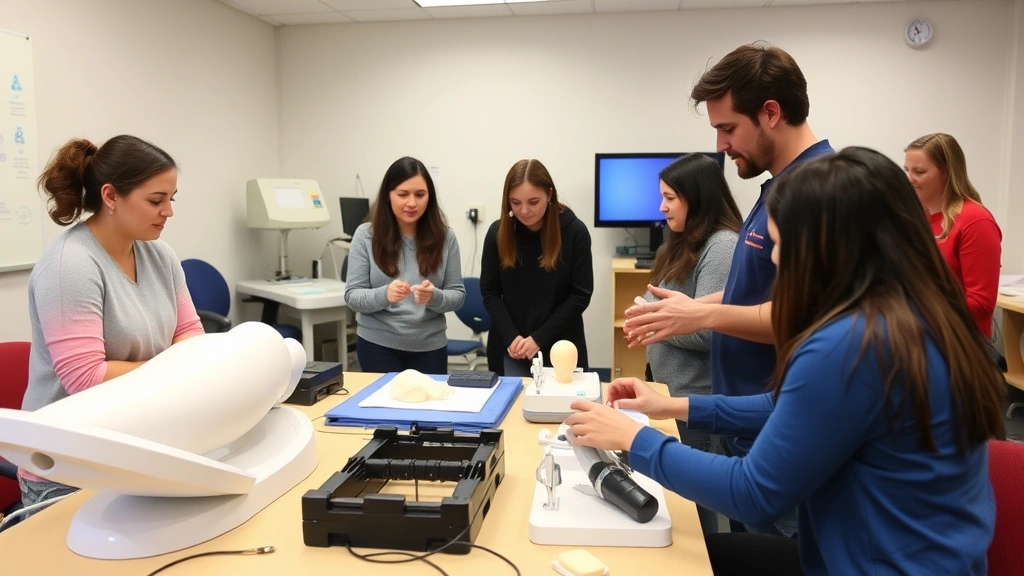
Additionally, top programs invest in advanced technology and simulation laboratories where students practice assessment techniques, therapeutic interventions, and adaptive equipment modifications before working with actual clients. This bridges the theory-to-practice gap effectively. Programs offering interprofessional education with physical therapy, speech-language pathology, and other healthcare disciplines prepare graduates for collaborative practice environments increasingly common in modern healthcare delivery.
Top-Ranked Programs by Region
Northeast Region: Boston University, New York University, and the University of Pittsburgh consistently rank among America’s premier occupational therapy programs. Boston University’s program emphasizes evidence-based practice and offers specialized tracks in pediatric rehabilitation and mental health. NYU’s location in Manhattan provides unparalleled access to diverse clinical settings and urban healthcare challenges. The University of Pittsburgh program excels in research training with substantial opportunities for graduate assistantships supporting faculty investigations.
The University of New Hampshire and Tufts University also maintain excellent reputations in the Northeast, with Tufts particularly recognized for its emphasis on social justice and community-based practice approaches. These programs prepare graduates to address health disparities and work effectively with underserved populations.
Midwest Region: Washington University in St. Louis, University of Illinois Chicago, and University of Minnesota represent outstanding options in the Midwest. Washington University’s program is nationally recognized for its doctoral-level training and strong research culture. The university’s location in St. Louis provides access to diverse clinical populations and established partnerships with major medical centers.
University of Minnesota’s program emphasizes innovation in occupational therapy practice with strong connections to the Mayo Clinic system. This partnership provides students with exceptional clinical training opportunities in a world-renowned healthcare institution. University of Illinois Chicago focuses on urban health and serves a diverse student population reflecting the communities they’ll serve professionally.
West Coast: University of Southern California, University of Washington, and University of California San Diego lead West Coast occupational therapy education. USC’s program is renowned for its research emphasis and connections to entertainment and sports medicine specializations. The university’s location provides unique opportunities for students interested in ergonomics and occupational health in entertainment industries.
University of Washington serves a five-state region and emphasizes rural health and underserved populations. Their program prepares graduates to practice effectively in diverse geographic and socioeconomic contexts. UC San Diego offers strong programs in neurological rehabilitation and aging services, reflecting the region’s demographic characteristics and healthcare needs.
Southern Region: Texas Woman’s University, Baylor University, and Duquesne University maintain excellent reputations in the South. Texas Woman’s University operates one of the largest occupational therapy programs in the nation with multiple campus locations. Baylor’s program emphasizes Christian values and community service while maintaining rigorous academic standards. These programs often offer specialization options in pediatric practice and school-based occupational therapy.
Program Specializations and Focus Areas
Modern master’s programs in occupational therapy offer increasingly specialized educational pathways. Pediatric occupational therapy specialization focuses on child development, school-based practice, and family-centered intervention approaches. Students learn to address sensory processing disorders, developmental delays, and educational accommodations. This specialization connects directly to physical therapy treatment approaches for conditions like cerebral palsy through interprofessional collaboration.
Mental health and psychosocial occupational therapy prepares graduates to work with individuals experiencing psychiatric conditions, substance use disorders, and trauma. These specializations emphasize recovery-oriented practice, peer support integration, and community mental health approaches. Graduates pursue careers in community mental health centers, psychiatric hospitals, and private practice.
Gerontological occupational therapy addresses the needs of aging populations through fall prevention programs, cognitive rehabilitation, and environmental modifications. With America’s aging population expanding rapidly, this specialization offers strong career prospects. Programs emphasize person-centered care, advance directives, and end-of-life considerations alongside clinical rehabilitation techniques.
Hand therapy and upper extremity specialization attracts graduates interested in orthopedic rehabilitation and industrial medicine. These programs often include additional certification pathways toward becoming a Certified Hand Therapist (CHT). Students develop advanced assessment and treatment skills for complex hand injuries and conditions.
Emerging specializations include occupational health and ergonomics, driving and community mobility assessment, and autism spectrum disorder services. Progressive programs continually develop offerings reflecting changing practice demands and evolving client needs.
Admission Requirements and Expectations
Master’s programs in occupational therapy maintain rigorous admission standards reflecting the profession’s clinical and educational demands. Most programs require a bachelor’s degree from an accredited institution with a minimum GPA typically between 3.0 and 3.5. Prerequisite coursework usually includes biology, chemistry, anatomy, physiology, psychology, and statistics. Some programs require organic chemistry, human development, and social sciences courses.
The Graduate Record Examination (GRE) remains required by most programs, though some leading institutions have adopted test-optional policies. Strong GRE scores demonstrate academic preparation, particularly quantitative and verbal reasoning skills essential for graduate-level study.
Clinical experience serves as a critical admission factor. Applicants should accumulate 200-500 hours of observation or volunteer experience in occupational therapy settings. This exposure demonstrates genuine professional commitment and provides realistic understanding of practice demands. Programs particularly value applicants who’ve worked with diverse populations and varied practice settings.
Personal statements and letters of recommendation reveal applicants’ motivation, professional values, and interpersonal strengths. Strong recommendations from occupational therapy practitioners, academic advisors, or employers carry particular weight. Personal statements should articulate specific career goals, relevant experiences, and alignment with program mission.
Many programs conduct interviews with prospective students to assess communication skills, critical thinking abilities, and professional demeanor. Interview performance significantly influences admission decisions. Applicants should prepare examples demonstrating problem-solving abilities, cultural competence, and commitment to client-centered practice.
Cost, Funding, and Financial Aid
Master’s programs in occupational therapy represent substantial financial investment, with tuition ranging from $30,000 to $120,000 depending on program type and institution. Private universities typically charge higher tuition than public institutions, though program quality varies independently of cost. Two-year full-time programs average $60,000-$100,000 in total tuition before additional expenses.
Understanding therapy cost information and educational financing options helps manage this significant expense. Most institutions offer federal student loans through the Free Application for Federal Student Aid (FAFSA). Graduate students typically qualify for unsubsidized loans with higher borrowing limits than undergraduate programs.
Graduate assistantships provide valuable funding opportunities while building professional experience. Assistantships in research, teaching, or clinical settings often include tuition remission plus stipends. These positions typically require 10-20 hours weekly work alongside full-time study. Securing assistantships significantly reduces out-of-pocket costs while providing mentorship from faculty researchers.
Scholarships and grants from professional organizations, foundations, and universities help qualified applicants. The American Occupational Therapy Association (AOTA) offers scholarships for students demonstrating financial need, academic excellence, or commitment to underserved populations. State and regional occupational therapy associations frequently provide additional funding.
Employer sponsorship represents another funding pathway. Healthcare systems, rehabilitation facilities, and schools sometimes sponsor promising employees’ graduate education in exchange for post-graduation employment commitments. This arrangement benefits both employers and students while reducing educational debt.

Career Outcomes and Professional Development
Graduates from top master’s programs in occupational therapy enjoy diverse career pathways and competitive salaries. According to the Bureau of Labor Statistics, occupational therapists earn median annual wages exceeding $86,000, with experienced practitioners and specialists earning substantially more.
Advanced education positions graduates for leadership and administrative roles within healthcare organizations, educational institutions, and community agencies. Many pursue positions as clinical directors, program managers, or department heads where they influence organizational policy and practice standards. These roles combine clinical expertise with business acumen and human resource management.
Research and academic careers become accessible with master’s-level training, particularly from programs emphasizing research methodology and evidence generation. Graduates pursue doctoral studies in occupational therapy, public health, or related disciplines, eventually establishing independent research programs investigating occupational therapy interventions and outcomes.
Specialization credentials enhance career prospects significantly. Graduates pursue board certification in specialty areas through the American Board for Certification in Occupational Therapy (ABCOT). Certifications in pediatric practice, gerontology, mental health, and hand therapy command premium salaries and expanded practice opportunities. Learning about occupational therapy jobs helps identify specialization areas with strong employment demand.
Entrepreneurship and private practice represent increasingly attractive options for master’s-prepared occupational therapists. Advanced education provides knowledge for developing specialized services, managing small businesses, and serving niche markets. Many graduates establish ergonomic consulting firms, specialized rehabilitation clinics, or teletherapy practices.
International opportunities expand for graduates from prestigious programs. Many pursue positions with international humanitarian organizations, global health initiatives, or overseas educational institutions. Master’s credentials facilitate work across borders and in diverse healthcare systems.
Continuing professional development remains essential throughout occupational therapy careers. Top programs instill commitment to lifelong learning and evidence-based practice updates. Graduates frequently pursue additional certifications, specialized training, and advanced degrees as their careers progress.
The American Occupational Therapy Association provides resources for continuing education, professional networking, and career development. Active AOTA involvement connects graduates with peers, facilitates knowledge sharing, and supports professional growth throughout their careers.
FAQ
How long does a master’s degree in occupational therapy take?
Most master’s programs require two years of full-time study. Some accelerated programs compress coursework into 18 months, while part-time options extend to three years. The curriculum includes classroom instruction, laboratory work, research projects, and 24 weeks of clinical fieldwork experiences.
Can I practice as an occupational therapist with only a master’s degree?
Yes, master’s degrees in occupational therapy meet educational requirements for licensure in all U.S. states. Graduates must pass the Occupational Therapy National Board Exam (OTNB) and meet state-specific licensing requirements. However, some advanced specializations require additional certification beyond the master’s degree.
What’s the difference between a master’s and doctoral program in occupational therapy?
Doctoral programs (OTD) require additional coursework, typically extending to three years, with emphasis on leadership, evidence generation, and advanced practice. Master’s programs focus primarily on clinical competency and foundational research literacy. Both prepare graduates for clinical practice, but doctoral programs provide additional preparation for academic careers and specialized practice.
Are occupational therapy master’s programs competitive?
Yes, top-ranked programs receive hundreds of applications for limited seats. Strong prerequisite grades, competitive GRE scores, substantial clinical experience, and compelling personal statements significantly enhance admission prospects. However, numerous high-quality programs accept students with varying academic profiles.
Can I specialize during my master’s program?
Many programs offer specialization tracks or elective sequences focusing on specific practice areas. However, specialization depth typically requires post-graduation certification programs or additional education. Master’s programs provide foundational knowledge in specialization areas, with deeper expertise developed through practice experience and continuing education.
What career settings employ master’s-prepared occupational therapists?
Graduates work in hospitals, rehabilitation facilities, schools, community mental health centers, private practices, home health agencies, assisted living facilities, corporate wellness programs, and research institutions. The breadth of practice settings reflects occupational therapy’s diverse applications across lifespan and populations. Exploring therapy resources and information provides additional career guidance.
How important is program location for occupational therapy education?
Program location significantly influences clinical training opportunities, professional networking, and post-graduation employment prospects. Urban locations typically provide diverse practice settings and specialized healthcare facilities. Rural programs emphasize community health and underserved population services. Consider location alignment with your career goals and preferred practice environments.