
Can Ink Therapy Boost Mental Health? Experts Weigh In
The intersection of art, self-expression, and mental wellness has long fascinated researchers and practitioners alike. In recent years, a growing body of evidence suggests that ink therapy—particularly through tattooing—may offer surprising psychological benefits beyond mere aesthetic appeal. What was once viewed primarily as a form of rebellion or artistic expression is now being examined through a clinical lens by mental health professionals, neuroscientists, and psychologists seeking to understand how this ancient practice might contribute to emotional healing and psychological resilience.
Ink therapy encompasses various practices, from traditional tattooing to therapeutic ink-based art activities designed specifically for mental health treatment. As stigma surrounding both tattoos and mental health continues to diminish, more individuals are exploring how the act of getting inked—whether through professional tattoos or guided therapeutic drawing—can serve as a catalyst for personal transformation, emotional processing, and improved overall wellbeing. This comprehensive exploration examines the scientific evidence, expert perspectives, and practical applications of ink therapy in modern mental health care.
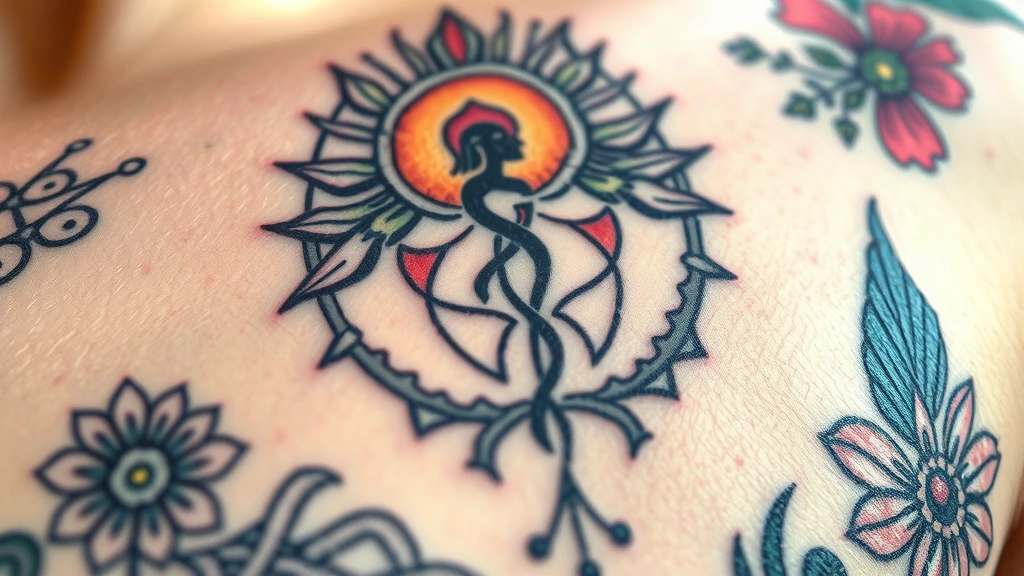
Understanding Ink Therapy and Its Origins
Ink therapy represents a modern therapeutic approach rooted in ancient traditions. Tattooing has existed across cultures for thousands of years, serving spiritual, ceremonial, and protective purposes long before becoming a contemporary form of self-expression. In traditional practices, tattoos marked rites of passage, conveyed social status, provided spiritual protection, and told personal narratives through visual symbolism.
The therapeutic application of ink therapy has evolved significantly, particularly in the last two decades. Mental health practitioners began recognizing that the tattooing process itself—combined with the permanence and personal significance of the resulting artwork—could facilitate psychological benefits. Unlike conventional talk therapy, ink therapy engages multiple sensory and cognitive systems simultaneously, creating a unique pathway for emotional processing and healing.
Therapeutic ink activities can take several forms: professional therapeutic tattoos designed in collaboration with mental health professionals, guided ink-based art sessions in clinical settings, and self-directed artistic expression using ink as a medium. Each approach offers distinct advantages depending on individual needs and therapeutic goals. The MindLift Daily Blog provides comprehensive therapy resources that can complement understanding of emerging therapeutic modalities like ink therapy.
Modern ink therapy distinguishes itself from casual tattooing through intentionality, professional collaboration, and therapeutic framework. When someone pursues ink therapy specifically for mental health, the process typically involves deliberate design choices reflecting personal healing journeys, trauma recovery, or emotional milestones. This intentionality transforms what might otherwise be purely aesthetic into a profoundly therapeutic experience.

The Neuroscience Behind Ink-Based Healing
Understanding why ink therapy might boost mental health requires examining the neurobiological mechanisms activated during the process. Research from neuroscientists at institutions studying pain, creativity, and emotional regulation has illuminated fascinating connections between tattoo experiences and brain function.
The tattooing process activates the body’s stress response system, triggering release of endorphins—natural opioid-like chemicals that produce feelings of euphoria and pain relief. This endorphin release, sometimes called a “runner’s high,” contributes to the positive emotional state many individuals report during and after tattooing. Beyond immediate endorphin production, the controlled stress of tattooing may strengthen the body’s ability to regulate stress responses more generally, potentially building resilience against anxiety and depression.
The creative component of designing meaningful ink artwork engages the brain’s default mode network, a system associated with self-referential thinking, autobiographical memory, and meaning-making. When individuals work with tattoo artists to design pieces reflecting their personal narratives, they activate neural networks involved in identity formation and emotional processing. This creative engagement appears to facilitate deeper psychological integration of experiences and emotions.
Neuroimaging studies have demonstrated that engaging in creative activities like art-making produces measurable changes in brain regions associated with emotional regulation, stress reduction, and reward processing. The combination of creativity, mild stress, and personal significance in ink therapy creates a neurobiologically optimal environment for therapeutic benefit.
Additionally, the permanence of tattoos engages cognitive and emotional systems differently than temporary art forms. The brain recognizes permanent marks as significant, allocating greater cognitive resources and emotional weight to their meaning. This neurological weighting may amplify the therapeutic effects compared to non-permanent artistic expression.
Mental Health Benefits Supported by Research
Emerging research has documented several mental health benefits associated with ink therapy and therapeutic tattooing. A study published in the Body Image journal examined how tattoos relate to self-esteem and body image perception. Researchers found that individuals who received therapeutic tattoos, particularly those designed to cover scars or mark recovery milestones, reported significant improvements in body image satisfaction and reduced body-related shame.
Trauma survivors have reported particular benefit from ink therapy. When individuals who have experienced physical or emotional trauma design tattoos representing their healing journey, they often describe profound psychological shifts. The act of reclaiming their body through intentional marking can reverse feelings of powerlessness and facilitate post-traumatic growth. Therapy for breakups and emotional recovery shares similar principles of processing difficult experiences and moving forward with renewed identity.
Research on creative expression and mental health, conducted by institutions including the American Psychological Association, consistently demonstrates that engaging in artistic activities reduces anxiety and depression symptoms. Ink therapy combines this established benefit of creative expression with the unique neurobiological effects of the tattooing process itself.
Studies examining ritual and meaning-making in healing processes have found that activities perceived as significant and intentional produce superior mental health outcomes compared to passive treatments. Ink therapy inherently embodies these qualities—it requires active participation, carries significant personal meaning, and creates permanent reminders of resilience and identity.
Mental health professionals working with individuals suffering from anxiety disorders have observed that the focused attention required during tattooing can produce a meditative state similar to mindfulness practices. This state appears to interrupt rumination patterns and provide temporary relief from anxious thoughts, with benefits often extending beyond the immediate session.
Ink Therapy in Clinical Settings
Progressive mental health clinics and therapeutic practices have begun incorporating ink-based activities into formal treatment protocols. Unlike amateur tattooing, clinical ink therapy occurs within structured therapeutic frameworks with trained professionals monitoring psychological processes and outcomes.
In clinical settings, ink therapy typically begins with assessment and goal-setting. Therapists work with clients to identify what they hope to express, process, or commemorate through ink. This collaborative design phase itself holds therapeutic value, requiring clients to articulate internal experiences and translate them into visual symbolism. The conversation between therapist and client during this process often facilitates insight and emotional clarity.
Some clinics employ therapeutic ink-based art activities as adjuncts to traditional talk therapy. Clients might engage in guided ink drawing or painting sessions designed to externalize internal emotional states, process trauma memories, or explore identity questions. These activities bypass some of the resistance that verbal processing alone might encounter, allowing individuals to access and express emotions that feel difficult to verbalize.
Professional tattoo artists increasingly collaborate with mental health practitioners to create therapeutic tattoos. These partnerships ensure that artistic vision aligns with therapeutic goals while maintaining clinical safety and ethical standards. Some tattoo artists specialize in trauma-informed practice, understanding how their work contributes to healing and developing expertise in working with vulnerable populations.
The clinical application of ink therapy requires careful consideration of individual readiness, contraindications, and potential complications. Mental health professionals assess whether ink therapy aligns with each client’s needs, preferences, and psychological state. Individuals in acute crisis or experiencing severe psychiatric symptoms might benefit more from stabilization before pursuing ink therapy.
Personal Expression and Identity Formation
One of the most significant psychological mechanisms through which ink therapy supports mental health involves identity formation and personal expression. Humans possess fundamental needs to express themselves authentically and develop coherent sense of self. Ink therapy directly addresses these needs by creating permanent, visible expressions of identity.
For individuals navigating complex identity questions—whether related to cultural heritage, gender identity, personal values, or life philosophy—ink therapy provides a concrete method for claiming and asserting identity. The permanent nature of tattoos signals commitment and authenticity, both to oneself and to others. This public declaration of identity often strengthens internal sense of self and reduces cognitive dissonance between internal experience and external presentation.
Individuals recovering from experiences that damaged their sense of self—such as abuse, assault, or chronic illness—frequently report that therapeutic tattoos facilitate identity reconstruction. By intentionally marking their bodies with symbols of strength, survival, or values, they reclaim agency over their physical selves and rewrite narratives that trauma had imposed.
The symbolic language of tattoos allows for sophisticated and nuanced self-expression. A single tattoo can simultaneously commemorate loss, celebrate survival, express cultural identity, and assert personal values. This multivalent symbolism enables individuals to communicate complex internal experiences in ways that feel authentic and meaningful.
Research on occupational therapy and identity development demonstrates that engaging in meaningful, self-directed activities strengthens psychological wellbeing and sense of agency. Ink therapy embodies these principles by placing clients in active roles as collaborators in creating meaningful permanent marks on their bodies.
Potential Risks and Considerations
While ink therapy offers significant potential benefits, mental health professionals emphasize the importance of understanding and mitigating associated risks. Like any therapeutic intervention, ink therapy is not universally appropriate and requires careful assessment and contraindication screening.
Physical health considerations include infection risk, allergic reactions to tattoo ink, and complications from the tattooing process itself. Individuals with compromised immune systems, bleeding disorders, or certain skin conditions may face elevated physical risks. Additionally, the permanence of tattoos means that individuals must genuinely accept the permanent nature of the mark—impulsive decisions made during emotional crises may lead to regret.
Psychological contraindications warrant careful consideration. Individuals currently experiencing acute suicidal ideation, severe psychotic symptoms, or extreme emotional dysregulation may benefit more from stabilization before pursuing ink therapy. The decision to get a therapeutic tattoo should emerge from a place of genuine healing intention rather than desperate crisis response.
Tattoo regret represents a legitimate concern, though research suggests that regret rates are lower when tattoos result from intentional therapeutic processes rather than impulsive decisions. Discussing potential future identity changes, life transitions, and evolving perspectives helps clients make decisions they can sustain long-term.
The quality and safety of the tattoo artist significantly impacts both physical and psychological outcomes. Seeking artists with appropriate training, sterile equipment, and ideally some understanding of trauma-informed practice ensures safer experiences. Unsterile or unprofessional tattooing can introduce infections and create negative experiences that undermine therapeutic benefits.
Additionally, individuals should recognize that ink therapy complements but does not replace comprehensive mental health treatment. Someone struggling with major depression or anxiety disorder should pursue evidence-based treatments like therapy and medication alongside any consideration of ink therapy, not instead of them.
Expert Recommendations and Best Practices
Mental health professionals and researchers who have studied ink therapy offer several evidence-informed recommendations for individuals considering this approach to mental wellness.
First, establish clear therapeutic intention. The most beneficial ink therapy experiences emerge from deliberate intention and alignment with genuine healing goals. Before pursuing a therapeutic tattoo, spend time reflecting on what you hope to express, process, or commemorate. Discuss these intentions with a mental health professional who can help clarify goals and assess appropriateness.
Second, collaborate with informed professionals. Whether working with a therapist familiar with ink therapy or a tattoo artist with trauma-informed training, professional collaboration enhances outcomes. These professionals can help ensure that design choices align with therapeutic goals and that the experience unfolds safely and meaningfully.
Third, allow adequate time for design and reflection. The design process itself holds therapeutic value. Rather than rushing into getting inked, allow time to develop designs thoughtfully, reflect on their meaning, and ensure genuine readiness. Many experts recommend waiting at least several weeks between deciding on a therapeutic tattoo and actually receiving it.
Fourth, consider placement and visibility carefully. The visibility of tattoos affects how they function psychologically and socially. Some individuals find empowerment in visible tattoos that publicly assert identity or mark survival. Others prefer more private placements that serve personal psychological functions without necessarily broadcasting their meaning. Consider your own preferences and social context when deciding placement.
Fifth, integrate ink therapy within comprehensive mental health care. View ink therapy as a potential complement to other evidence-based treatments like therapy, medication when appropriate, and lifestyle practices. Ink therapy works best as part of a holistic approach to mental health rather than as a standalone intervention.
Sixth, prepare for potential emotional responses. The tattooing experience itself and the subsequent weeks of healing can trigger unexpected emotional responses, including grief, catharsis, or processing of trauma memories. Mental health support during this period can help you integrate these experiences meaningfully.
Researchers at institutions studying trauma recovery and creative healing continue investigating optimal applications of ink therapy. Emerging evidence suggests that combining ink therapy with specific therapeutic modalities—such as trauma-focused cognitive behavioral therapy or acceptance and commitment therapy—may produce superior outcomes for particular populations.
The field continues evolving, with increasing numbers of mental health professionals receiving training in trauma-informed practices that can inform how they support clients considering ink therapy. As stigma surrounding tattoos continues to decrease and evidence accumulates, ink therapy will likely become more formally integrated into mainstream mental health practice.
Frequently Asked Questions
Is ink therapy appropriate for everyone?
Ink therapy is not universally appropriate. Individuals with certain medical conditions, active severe psychiatric symptoms, or those unable to genuinely consent should avoid it. A mental health professional can help assess individual appropriateness based on specific circumstances and needs.
Can I pursue ink therapy if I’m not already in traditional therapy?
While not absolutely required, working with a mental health professional during ink therapy significantly enhances safety and outcomes. A therapist can help clarify intentions, process emotions that arise, and integrate the experience within comprehensive mental health care.
How do I find a trauma-informed tattoo artist?
Research local tattoo artists, read reviews, and ask directly about their experience working with individuals pursuing therapeutic tattoos. Many artists are willing to discuss their approach, training, and how they support clients emotionally during the process.
What if I regret my therapeutic tattoo?
While regret rates are lower with intentional therapeutic tattoos, removal or cover-up options exist if needed. Discussing potential future changes during the design process helps ensure decisions you can sustain long-term. Some individuals find that initial regret fades as they continue processing and integrating the experience.
Can ink therapy help with specific mental health conditions?
Research suggests particular benefits for trauma survivors, individuals with body image concerns, and those navigating identity questions. However, ink therapy should complement rather than replace evidence-based treatments for conditions like depression, anxiety, or bipolar disorder.
How long does the psychological benefit of a therapeutic tattoo last?
The permanence of tattoos means that psychological benefits can persist indefinitely. Many individuals report that viewing their therapeutic tattoo continues providing emotional support, serving as a tangible reminder of resilience, survival, or identity years after receiving it.
Is there scientific evidence supporting ink therapy?
While research specifically on therapeutic tattooing remains limited, substantial evidence supports the mental health benefits of creative expression, ritual practices, and identity affirmation. Research institutions including various academic centers are actively studying creative healing modalities, with ink therapy receiving increased research attention.