
Can Gene Therapy Cure Sanfilippo? Latest Insights
Sanfilippo syndrome, also known as mucopolysaccharidosis type III (MPS III), represents one of the most devastating lysosomal storage disorders affecting children worldwide. This rare genetic condition causes progressive neurological deterioration, behavioral changes, and cognitive decline, typically beginning in early childhood and leading to severe disability by the teenage years. For decades, families facing this diagnosis encountered limited treatment options and an uncertain prognosis. However, recent advances in gene therapy research have sparked genuine hope that curative treatments may finally be within reach.
The emergence of gene therapy as a potential cure for Sanfilippo syndrome marks a significant turning point in rare disease treatment. Several clinical trials are currently underway, with preliminary results showing promising outcomes in halting or slowing disease progression. This comprehensive guide explores the latest insights into gene therapy for Sanfilippo syndrome, examining current treatment approaches, clinical trial data, and what families can realistically expect from these groundbreaking interventions.
Understanding Sanfilippo Syndrome
Sanfilippo syndrome is caused by mutations in genes responsible for producing enzymes that break down heparan sulfate, a complex sugar molecule found throughout the body. When these enzymes are deficient or absent, heparan sulfate accumulates in cells, particularly in the brain and nervous system. This accumulation triggers progressive neurological damage, behavioral problems, sleep disturbances, and cognitive decline.
The syndrome exists in four subtypes (A, B, C, and D), each caused by deficiency in a different enzyme. Type A is the most common and typically the most severe, while Type B generally progresses more slowly. Children with Sanfilippo typically develop normally during their first few years of life, but between ages 2 and 6, symptoms become apparent. Progressive cognitive decline, hyperactivity, aggression, and loss of previously acquired skills characterize the middle childhood years. By adolescence, most affected individuals require full-time care.
The impact on families extends far beyond medical challenges. Parents and caregivers face emotional, financial, and physical burdens as they navigate a condition with no established cure. This reality has made the development of effective treatments a critical priority for the medical and research communities.

How Gene Therapy Works
Gene therapy operates on a straightforward principle: delivering functional copies of defective genes into patient cells to restore normal enzyme production. For Sanfilippo syndrome, the goal is to introduce healthy genes that encode the missing or deficient enzyme, allowing cells to resume normal heparan sulfate metabolism.
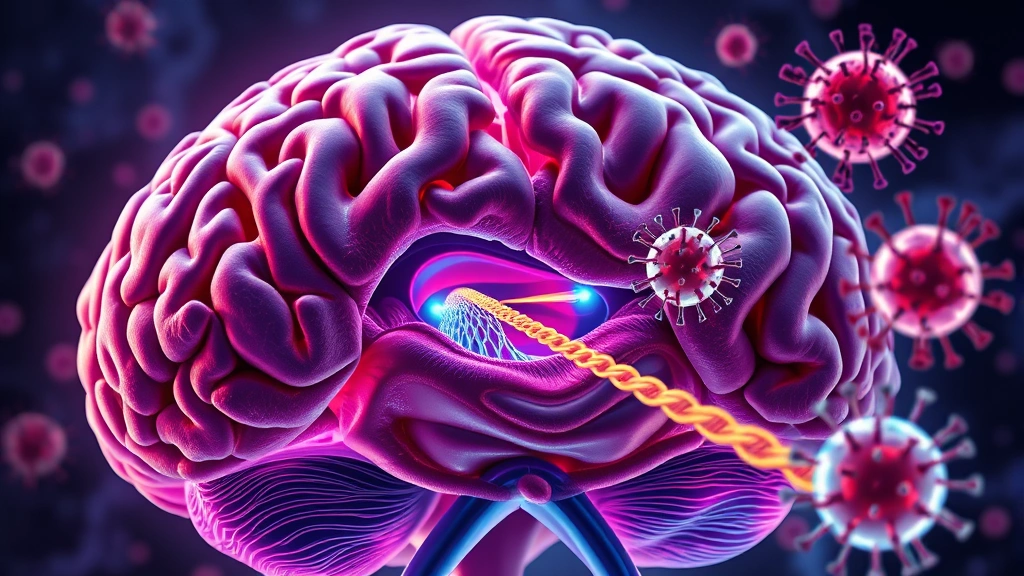
The process involves several key steps. First, researchers select or engineer a delivery vector—typically a modified virus that can enter cells without causing disease. This vector is designed to carry the therapeutic gene safely into target cells. The virus crosses the blood-brain barrier, a critical requirement since Sanfilippo primarily affects the central nervous system. Once inside cells, the gene integrates into the cellular machinery and begins producing the missing enzyme. Over time, accumulated heparan sulfate is broken down, and cells return to normal function.
Different delivery systems exist, each with advantages and limitations. Adeno-associated viruses (AAVs) are popular choices due to their small size, ability to cross the blood-brain barrier, and relatively low immunogenicity. Larger vectors like lentiviruses offer greater carrying capacity but face greater immune challenges. The choice of delivery system significantly influences treatment efficacy and safety profiles.
Several therapy resources and information sources provide detailed explanations of gene therapy mechanisms. Understanding these mechanisms helps families grasp how treatments might benefit their children and what to expect during clinical trials.
Current Clinical Trials and Results
Multiple pharmaceutical companies and research institutions are actively developing gene therapies for Sanfilippo syndrome. Leading research organizations have contributed to accelerating this progress through collaborative efforts and funding initiatives.
Sangamo Therapeutics’ SB-913 represents one of the most advanced programs for Type A Sanfilippo. Early clinical trial data showed encouraging results, with treated patients demonstrating stabilization of cognitive decline and improvements in behavioral symptoms. Some children showed measurable reductions in heparan sulfate levels in cerebrospinal fluid, indicating successful enzyme delivery to the central nervous system.
Lysogene’s LYS-SAF302 targets Type C Sanfilippo and has shown promising results in early-stage trials. Treated patients exhibited slowed disease progression and improved behavioral outcomes compared to historical controls. The company reported that enzyme activity increased significantly in treated individuals, suggesting effective gene expression.
Abeona Therapeutics is developing ABO-102 for Type B Sanfilippo, with clinical data demonstrating enzyme activity restoration and disease stabilization in trial participants. These early results provide substantial evidence that gene therapy can effectively deliver therapeutic genes to the brain and produce functional enzymes.
It’s important to note that while these results are encouraging, they represent early-stage data. Most trials enrolled small patient populations, and long-term safety and efficacy data are still being collected. Regulatory approval requires substantial evidence of sustained benefit and acceptable safety profiles, which typically takes several additional years of study.
Families interested in physical therapy for kids should understand that gene therapy complements rather than replaces supportive care. Physical and occupational interventions remain essential components of comprehensive treatment.
Types of Gene Therapy Approaches
Researchers are pursuing multiple gene therapy strategies for Sanfilippo syndrome, each with distinct mechanisms and potential advantages.
In vivo gene therapy involves direct administration of therapeutic vectors into patients’ bodies, typically through intravenous infusion. The vector circulates through the bloodstream, crosses the blood-brain barrier, and delivers genes directly to affected cells. This approach offers the advantage of treating the disease at its source but requires careful vector design to minimize immune responses and ensure adequate brain penetration.
Ex vivo gene therapy uses a different strategy: removing cells from patients, modifying them in the laboratory to contain functional genes, and then reintroducing the corrected cells. Hematopoietic stem cell gene therapy follows this approach, modifying bone marrow cells before transplantation. While more complex logistically, this method allows for precise control of genetic modifications and potentially reduces systemic immune challenges.
Gene editing approaches represent an emerging frontier. Technologies like CRISPR-Cas9 could theoretically correct the genetic mutations causing Sanfilippo directly, rather than simply supplementing deficient enzymes. However, delivering gene-editing machinery to brain cells and ensuring accurate, safe editing remain significant technical challenges.
Combination therapies are also being explored. Some researchers are investigating whether combining gene therapy with substrate reduction therapy—drugs that decrease heparan sulfate production—might enhance treatment outcomes. This multi-pronged approach could potentially achieve better disease control than single-modality treatment.
Understanding these different approaches helps families appreciate the diversity of research efforts underway and recognize that multiple pathways to treatment are being actively pursued.
Challenges and Limitations
Despite promising early results, significant challenges remain before gene therapy becomes a widely available cure for Sanfilippo syndrome.
Blood-brain barrier penetration represents perhaps the most critical challenge. The brain is protected by specialized barriers that prevent most large molecules from entering. While current vectors can cross these barriers, efficiency remains suboptimal in many cases. Improving brain penetration while maintaining safety remains an active area of research.
Immune responses pose another substantial challenge. Even modified viral vectors can trigger immune reactions that limit treatment efficacy or cause adverse effects. Some patients develop neutralizing antibodies against the vector, preventing successful gene delivery. Managing immune responses while maintaining therapeutic benefit requires careful clinical monitoring and potentially additional interventions.
Long-term durability remains uncertain for most current approaches. Some gene therapies provide permanent benefits because genes integrate into the genome, but others may require repeated administrations as vector-delivered genes are gradually diluted during cell division. Understanding long-term durability will require years of follow-up data from treated patients.
Disease stage considerations significantly impact treatment outcomes. Early intervention before extensive neurological damage occurs appears to offer superior results compared to treatment in advanced disease stages. This reality underscores the importance of early diagnosis and rapid access to treatment once approved.
Manufacturing and cost challenges are also substantial. Gene therapies are exceptionally expensive to develop and manufacture. Current estimates suggest costs could exceed one million dollars per patient, creating significant access and affordability challenges even after regulatory approval.
Families seeking occupational therapy for kids should understand that these supportive interventions remain critical while gene therapy approaches are still being refined and tested.
Future Outlook and Timeline
The trajectory toward approved gene therapy treatments for Sanfilippo syndrome is becoming increasingly clear, though timelines remain uncertain.
Based on current clinical trial progress, realistic expectations suggest that the first gene therapy approvals for Sanfilippo could occur within 3-5 years, pending successful completion of ongoing Phase II and Phase III trials. Regulatory agencies like the FDA and EMA have expedited review pathways for orphan diseases and breakthrough therapies, potentially accelerating approval timelines for promising candidates.
Type A Sanfilippo appears most likely to receive approval first, given the advanced stage of several clinical programs targeting this subtype. Type B and Type C therapies may follow within 1-2 years after the initial approval. Type D, being the rarest subtype, may take longer to develop treatments, though research efforts are underway.
Research institutions and biotechnology companies continue to refine gene therapy approaches. Advanced research collaborations are exploring improvements in vector design, delivery mechanisms, and combination treatment strategies. These ongoing refinements suggest that treatments reaching patients in coming years will likely be more effective and safer than current experimental versions.
Beyond gene therapy, complementary approaches are also advancing. Substrate reduction therapies, enzyme replacement therapies, and other treatments targeting different aspects of Sanfilippo pathology may eventually be used alongside gene therapy for enhanced outcomes. A multi-modal treatment approach may ultimately prove most effective for maximizing patient benefits.
Families should remain informed about trial progress through resources like ClinicalTrials.gov, which maintains comprehensive information about ongoing studies. Many trials actively recruit participants, and families may have opportunities to access experimental treatments while contributing to critical research data.
Supportive Care During Treatment
While gene therapy offers hope for disease modification, comprehensive supportive care remains essential throughout treatment and beyond. Therapy for teens near me resources can help families locate local support services that complement medical treatment.
Physical therapy helps maintain mobility and muscle function as the disease progresses. Regular exercise prevents contractures, maintains cardiovascular health, and supports overall well-being. Occupational therapy addresses activities of daily living, helping children maintain independence and quality of life for as long as possible.
Speech and language therapy becomes increasingly important as cognitive decline affects communication abilities. Early intervention helps preserve communication skills and develops alternative communication methods as needed. This support extends beyond childhood into the teenage years and beyond.
Behavioral management strategies address the hyperactivity, aggression, and behavioral changes characteristic of Sanfilippo. Behavioral therapies, medication management, and environmental modifications work together to support children and reduce caregiver stress.
Educational support ensures children receive appropriate accommodations and services as their cognitive abilities change. Working with schools to develop individualized education plans (IEPs) helps children maintain engagement with peers and learning for as long as possible.
Nutritional support addresses feeding difficulties and metabolic changes that accompany disease progression. Dietitians specializing in metabolic disorders can optimize nutrition to support overall health and treatment outcomes.
Sleep management is particularly important in Sanfilippo, as sleep disturbances are common. Behavioral interventions, sleep hygiene strategies, and sometimes medication help improve sleep quality, benefiting both children and caregivers.
Mental health support for families cannot be overlooked. Counseling, support groups, and mental health services help parents and siblings cope with the emotional challenges of navigating a progressive genetic disorder. Organizations dedicated to Sanfilippo syndrome provide invaluable peer support and resources.
Understanding does therapy work in the context of Sanfilippo requires recognizing that supportive therapies may not halt disease progression but significantly improve quality of life and functional abilities. When combined with emerging gene therapies, comprehensive supportive care provides the best possible outcomes.
FAQ
What is the current cure rate for Sanfilippo syndrome with gene therapy?
Gene therapy is not yet an approved cure for Sanfilippo syndrome. Current clinical trials show promise in slowing or stabilizing disease progression rather than achieving complete cure. Early data indicates that treated patients experience improved outcomes compared to historical disease trajectories, but long-term cure rates will only be determined after years of follow-up data are collected from treated patients.
At what age should gene therapy be administered?
Current clinical evidence suggests that earlier intervention produces better outcomes. Most trials target children diagnosed before significant neurological damage has occurred, typically in the 2-6 year age range. Treatment before extensive cognitive decline offers the best potential for preserving brain function and developmental progress. However, researchers are also investigating whether treatment in older children might provide benefit.
How much will gene therapy for Sanfilippo cost?
Gene therapies for rare genetic disorders typically cost between $500,000 and $2 million per patient. Sanfilippo gene therapy will likely fall within this range, though exact pricing depends on manufacturing costs, regulatory requirements, and company strategies. Insurance coverage and patient assistance programs will be critical for ensuring access. Advocacy organizations are working to address affordability challenges.
Are there clinical trials currently enrolling patients?
Yes, multiple clinical trials for Sanfilippo gene therapy are actively enrolling participants. ClinicalTrials.gov provides current information on available trials, eligibility criteria, and enrollment status. Families should consult with their child’s physician about whether trial participation might be appropriate for their specific situation.
What happens if gene therapy doesn’t work for my child?
If gene therapy proves ineffective or unavailable, supportive care remains the standard approach. Physical therapy, occupational therapy, speech therapy, behavioral management, and other interventions help maintain quality of life and functional abilities. Families should work with multidisciplinary teams experienced in rare genetic disorders to optimize supportive care. Participation in research studies also helps advance understanding of disease mechanisms and treatment approaches.
Can gene therapy reverse existing brain damage from Sanfilippo?
Current evidence suggests gene therapy works best by preventing further damage rather than reversing existing neurological damage. Early intervention before extensive brain damage occurs appears to offer the best outcomes. However, some accumulated damage may be partially reversible if enzyme activity is restored and heparan sulfate is metabolized. This remains an active area of research.
How long will gene therapy treatment last?
The durability of gene therapy depends on the specific approach used. In vivo gene therapy using integrating vectors may provide lifelong benefit, while non-integrating approaches might require periodic retreatment. Current trials are still determining long-term durability, and this information will become clearer as treated patients are followed over many years.