
Mindfulness vs. Stress: What Experts Recommend
The modern world moves at an unprecedented pace, leaving millions struggling with chronic stress that impacts their physical health, mental clarity, and overall quality of life. Mindfulness has emerged as a powerful counterforce to this epidemic, offering scientifically-backed techniques that help individuals regain control over their stress responses. Unlike temporary fixes or avoidance strategies, mindfulness addresses the root causes of stress by reshaping how we perceive and react to challenging situations.
Understanding the relationship between mindfulness and stress management requires examining what experts have discovered through decades of research. From neuroscientists studying brain activity to clinical psychologists working with patients, the evidence consistently shows that regular mindfulness practice produces measurable reductions in stress hormones, anxiety symptoms, and overall psychological distress. This comprehensive guide explores what the science reveals about these two opposing forces and provides actionable recommendations from leading experts in mental health and wellness.
Understanding Stress: The Modern Health Crisis
Stress has become the defining health challenge of our era. The American Psychological Association reports that chronic stress contributes to nearly every major disease, including heart disease, diabetes, depression, and autoimmune conditions. When we experience stress, our bodies activate the fight-or-flight response—a survival mechanism that floods the system with cortisol and adrenaline. While this response was essential for our ancestors facing physical threats, modern stressors like work deadlines, financial uncertainty, and information overload trigger the same intense physiological reactions without requiring physical action.
The consequences of prolonged stress activation are severe. Elevated cortisol levels suppress immune function, impair memory formation, and promote inflammation throughout the body. Many people develop maladaptive coping mechanisms—excessive caffeine consumption, poor sleep habits, emotional eating, or substance use—that temporarily mask stress symptoms while actually amplifying underlying problems. This cycle perpetuates itself, creating a vicious pattern where stress management becomes increasingly difficult without intervention.
Interestingly, stress itself isn’t inherently negative. Acute stress in appropriate doses can enhance performance and motivation. The problem emerges when stress becomes chronic and unmanaged, overwhelming our natural recovery mechanisms. This is where mindfulness practices offer a transformative alternative to traditional stress management approaches.

What is Mindfulness and How It Works
Mindfulness is the practice of maintaining non-judgmental awareness of the present moment. Rooted in Buddhist meditation traditions but now secularized and extensively researched, mindfulness involves deliberately directing attention to what’s happening right now—your breath, bodily sensations, thoughts, and emotions—without trying to change or evaluate the experience. Rather than fighting against stress or denying its existence, mindfulness teaches us to observe stress with curiosity and compassion.
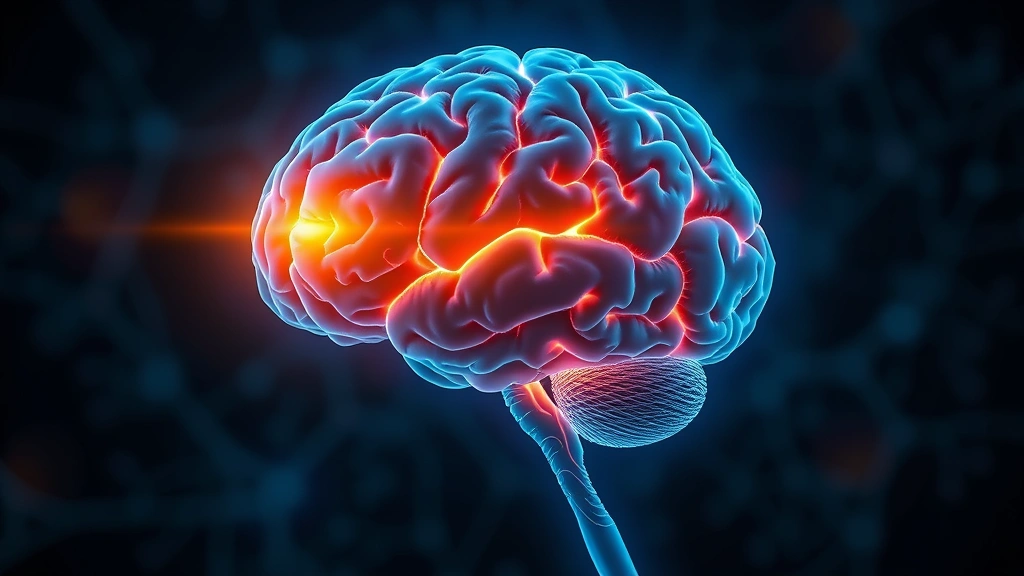
The mechanism behind mindfulness’s effectiveness involves several interconnected neurological processes. When we practice mindfulness, we strengthen the prefrontal cortex—the brain region responsible for rational thinking, emotional regulation, and executive function. Simultaneously, we reduce reactivity in the amygdala, the brain’s alarm system that triggers fear and stress responses. This neurological rebalancing doesn’t eliminate stress from our lives, but it fundamentally changes how our brains process and respond to stressful stimuli.
One crucial aspect of mindfulness is developing what researchers call “psychological flexibility”—the ability to acknowledge difficult thoughts and emotions while still choosing values-aligned actions. Someone practicing mindfulness might notice anxious thoughts about an upcoming presentation, recognize the discomfort without judgment, and proceed with preparation regardless. This differs dramatically from either suppressing the anxiety or being controlled by it.
The practice also activates the parasympathetic nervous system, often called the “rest and digest” response. This counterbalances the sympathetic activation of stress, lowering heart rate, blood pressure, and inflammatory markers while enhancing digestive and immune function. Regular mindfulness practice essentially trains your nervous system to return to baseline more efficiently after stress exposure.
Scientific Evidence Supporting Mindfulness
Research published in JAMA Psychiatry demonstrates that mindfulness-based stress reduction (MBSR) produces outcomes comparable to pharmaceutical interventions for anxiety disorders. A landmark study from Johns Hopkins University analyzed over 19,000 meditation studies and found strong evidence that mindfulness meditation improves anxiety, depression, and pain. The effect sizes were moderate but consistent across diverse populations.
Neuroimaging studies reveal tangible structural changes in the brains of regular meditators. Research in Frontiers in Human Neuroscience shows increased gray matter density in the hippocampus and prefrontal regions while observing decreased gray matter in the amygdala. These changes correlate directly with reduced anxiety and improved emotional regulation. Remarkably, these brain changes occur within eight weeks of consistent practice, suggesting that mindfulness offers relatively rapid neurological benefits.
The stress-reducing effects of mindfulness extend to measurable changes in biomarkers. Studies consistently demonstrate reduced cortisol levels, lower inflammatory markers like C-reactive protein, decreased blood pressure, and improved heart rate variability in regular practitioners. These aren’t subjective improvements—they’re objective physiological changes that medical professionals can measure and verify.
Importantly, mindfulness benefits extend across diverse populations. Research has validated mindfulness interventions for corporate employees, healthcare workers, students, chronic pain patients, cancer survivors, and individuals with PTSD. This universality suggests that mindfulness addresses fundamental aspects of human stress processing rather than working only for specific conditions.
Expert-Recommended Mindfulness Techniques
Leading mindfulness researchers and clinicians recommend several evidence-based techniques for stress management. The most fundamental practice is focused attention meditation, where you direct attention to a single anchor—typically the breath—and gently return attention whenever the mind wanders. Jon Kabat-Zinn, founder of the Mindfulness-Based Stress Reduction program at the University of Massachusetts Medical School, emphasizes that this simple practice forms the foundation for all mindfulness work.
Another widely recommended approach is body scan meditation, where you systematically move attention through different body regions, noticing sensations without judgment. This technique proves particularly valuable for individuals who experience stress as physical tension. By developing awareness of where stress manifests in your body, you create opportunities to release tension before it accumulates into chronic patterns.
Loving-kindness meditation addresses stress by cultivating compassion toward yourself and others. Research from the Stanford Center for Compassion and Altruism Research and Education demonstrates that loving-kindness practice reduces self-criticism and increases emotional resilience. Many people internalize their stress, blaming themselves for their anxiety or struggles. This practice counteracts that destructive pattern by fostering self-compassion.
Mindful breathing exercises like box breathing—inhaling for four counts, holding for four, exhaling for four, holding for four—provide immediate stress relief by directly activating the parasympathetic nervous system. These techniques require no special equipment and can be practiced anywhere, making them ideal for managing acute stress in real-time situations.
Walking meditation combines mindfulness with gentle movement, offering benefits for people who find sitting meditation challenging. By focusing on the sensations of each step, the feeling of air on your skin, and the sounds around you, walking meditation provides stress relief while maintaining physical activity.
Experts also recommend mindful eating as a practical stress-management tool. By slowing down and fully experiencing your food—noticing flavors, textures, and satiety cues—you activate the parasympathetic nervous system during meals. This counteracts the rushed, stressed eating patterns that characterize modern life and often contribute to additional health problems.
Integrating Mindfulness Into Daily Life
Understanding mindfulness intellectually differs vastly from establishing a consistent practice. Experts emphasize that integration requires deliberate habit formation. Starting with just five to ten minutes daily proves more sustainable than attempting ambitious 45-minute sessions that create guilt when missed. Setting effective therapy goals applies equally to mindfulness practice—specific, measurable objectives work better than vague intentions.
Creating a dedicated practice space, even a small corner of your bedroom, signals to your brain that this time is reserved for mindfulness. Consistency matters more than duration, so practicing ten minutes daily outweighs occasional hour-long sessions. Many practitioners find that meditating immediately after waking or before bed creates natural anchor points in their daily routine.
Technology offers both support and distraction for mindfulness practice. Apps like Headspace and Calm provide guided meditations for various needs and skill levels, while reminders help establish consistent practice. However, excessive reliance on apps can paradoxically increase stress through notification overload. The most effective approach combines guided practice initially with gradual development of independent practice skills.
Informal mindfulness—bringing present-moment awareness to everyday activities—extends benefits throughout your day. Whether you’re showering, commuting, or doing household chores, you can practice mindfulness by fully engaging your senses with what you’re doing. This transforms routine activities into stress-reducing practices, multiplying the benefits of your formal meditation sessions.
Workplace stress often peaks during high-pressure periods, making brief mindfulness practices particularly valuable during the workday. Taking three conscious breaths before a meeting, practicing body awareness during lunch, or using the transition between tasks as a mindfulness opportunity all contribute to sustained stress management without requiring extended time away from work.
Common Misconceptions About Mindfulness
Despite growing scientific support, several misconceptions prevent people from exploring mindfulness. The most pervasive myth is that mindfulness requires emptying your mind of all thoughts. In reality, mindfulness involves noticing thoughts without judgment or attachment. Experienced practitioners still experience thoughts; they’ve simply changed their relationship with those thoughts. This distinction is crucial because the impossible goal of thought elimination creates frustration that discourages practice.
Another misconception is that mindfulness is inherently spiritual or religious. While mindfulness has roots in Buddhist traditions, the secular mindfulness practiced in clinical settings, corporate environments, and research studies operates independently of any spiritual framework. You can practice mindfulness as a purely neurological and psychological intervention without any religious or philosophical beliefs.
Some people believe they’re “too stressed” or “too busy” for mindfulness practice. Paradoxically, people experiencing high stress derive the most benefit from mindfulness. The practice doesn’t require additional time—it involves redirecting attention during time you’re already spending. Even five minutes produces measurable benefits, and research shows that people who claim they’re “too busy” often discover that mindfulness actually increases their available time by improving focus and reducing rumination.
There’s also a misconception that mindfulness provides permanent stress elimination. Instead, mindfulness improves your capacity to manage stress when it arises. Life inevitably includes stressors, but mindfulness practice ensures that stress triggers your recovery mechanisms rather than launching you into chronic activation. This is fundamentally different from eliminating stress entirely, which isn’t possible or desirable in a meaningful life.
Some worry that mindfulness practice might reduce motivation or drive. Research contradicts this concern—mindfulness actually enhances performance by reducing anxiety that interferes with execution. Athletes, performers, and high-achievers increasingly use mindfulness to optimize their performance under pressure rather than diminishing their ambition.
When to Seek Professional Help
While mindfulness offers powerful benefits for stress management, certain situations warrant professional support. If you experience persistent anxiety, depression, or intrusive thoughts that interfere with daily functioning despite consistent mindfulness practice, consulting a mental health professional becomes important. Therapy resources and information can guide you toward appropriate professional support.
Individuals with trauma histories sometimes experience distressing reactions during meditation—flashbacks, panic, or dissociation. In these cases, trauma-informed therapy approaches like EMDR or trauma-focused cognitive behavioral therapy often need to precede or accompany mindfulness practice. A qualified therapist can determine the appropriate sequencing and intensity of mindfulness work for your situation.
If stress manifests primarily through physical symptoms—chronic pain, headaches, or digestive issues—exploring whether underlying medical conditions require attention proves essential. Red light therapy and other therapeutic modalities might complement mindfulness practice depending on your specific health situation. Professional assessment ensures you’re addressing all relevant factors.
Sleep disruption related to stress often requires multi-pronged approaches. While mindfulness helps regulate the nervous system, persistent insomnia might benefit from sleep-specific cognitive behavioral therapy (CBT-I) alongside mindfulness practice. Similarly, if substance use developed as a stress-coping mechanism, addiction treatment specialists should guide your recovery process.
For career-related stress, consulting with professionals who understand occupational health can prove valuable. Occupational therapy careers represent one avenue of professional support for managing work-related stress and building healthier professional environments. The combination of personal mindfulness practice and professional guidance often produces the most sustainable results.
Frequently Asked Questions
How long does it take to experience benefits from mindfulness practice?
Research shows measurable stress reduction within two to four weeks of consistent daily practice, even at short durations. However, more substantial neurological changes and deeper stress resilience typically develop over eight to twelve weeks. Individual variation exists based on practice consistency, prior meditation experience, and the severity of stress being managed.
Can mindfulness replace medication for anxiety or depression?
Mindfulness shows effectiveness comparable to medication for mild to moderate anxiety, but this doesn’t mean it should universally replace psychiatric medication. The decision requires individual assessment with a mental health professional considering symptom severity, personal history, and preference. Many people benefit from combining mindfulness with medication, particularly for severe conditions.
What’s the difference between mindfulness and relaxation?
While related, these differ fundamentally. Relaxation aims to reduce physical tension and achieve a calm state, while mindfulness involves non-judgmental awareness of whatever arises, including discomfort. Relaxation might temporarily ease stress, but mindfulness develops lasting capacity to manage stress by changing your relationship with difficult experiences.
Is mindfulness effective for work-related stress?
Yes, extensively. Corporate mindfulness programs consistently reduce employee stress, improve focus, decrease burnout, and enhance job satisfaction. The ability to maintain present-moment awareness during high-pressure work situations prevents rumination and supports better decision-making. Many organizations now offer mindfulness training as part of employee wellness initiatives.
Can children and teenagers benefit from mindfulness?
Absolutely. Research demonstrates that school-based mindfulness programs reduce anxiety and depression in adolescents while improving academic performance. Children as young as five can practice simple mindfulness techniques. Age-appropriate modifications ensure that mindfulness becomes accessible and engaging for younger populations experiencing stress.
What if I can’t stop my mind from wandering during meditation?
Mind-wandering is completely normal and actually represents the practice working correctly. Mindfulness isn’t about preventing thoughts; it’s about noticing when your mind wanders and gently returning attention without judgment. Each time you notice distraction and redirect, you’re strengthening the neurological pathways that support stress management.