
Is Mindfulness Effective? Latest Research Insights
Mindfulness has become one of the most studied psychological interventions in recent decades, with millions of people worldwide incorporating meditation and present-moment awareness practices into their daily routines. Yet despite its widespread popularity, a critical question persists: does mindfulness actually work? The answer, supported by emerging research, is nuanced and depends significantly on how we measure effectiveness, the specific mindfulness techniques employed, and individual differences in practice.
The scientific community has invested substantial resources into understanding mindfulness efficacy, with thousands of peer-reviewed studies examining its effects on mental health, cognitive function, physical wellbeing, and emotional regulation. This comprehensive body of research reveals both impressive benefits and important limitations that challenge some of the more exaggerated claims often made in popular media.
What the Latest Research Shows About Mindfulness
Recent meta-analyses and systematic reviews provide compelling evidence that mindfulness-based interventions produce measurable benefits for various psychological conditions. A landmark study published in JAMA Psychiatry demonstrated that mindfulness meditation programs show effectiveness comparable to traditional pharmacological treatments for anxiety disorders, with effect sizes ranging from moderate to large across multiple studies.
The research landscape has evolved significantly since mindfulness entered mainstream psychology. Contemporary studies employ more rigorous methodologies than earlier investigations, incorporating active control groups, blinded assessments, and longer follow-up periods. These improved research designs have generally supported—though sometimes moderated—earlier claims about mindfulness effectiveness.
Key findings from recent research include:
- Anxiety reduction: Consistent evidence shows mindfulness reduces anxiety symptoms, with effects maintained at six-month and twelve-month follow-ups
- Depression improvement: Mindfulness-based cognitive therapy demonstrates efficacy for preventing depressive relapse, particularly in individuals with recurrent depression
- Pain management: Chronic pain patients show significant improvements in pain-related disability and psychological distress following mindfulness interventions
- Sleep quality: Mindfulness programs improve sleep onset, duration, and quality in both clinical and non-clinical populations
- Emotional regulation: Practitioners demonstrate enhanced ability to modulate emotional responses and maintain equanimity during stressful situations
However, effect sizes vary considerably depending on the specific condition, intervention duration, and population studied. Some conditions show robust benefits while others demonstrate more modest improvements.

Neurobiological Mechanisms Behind Mindfulness
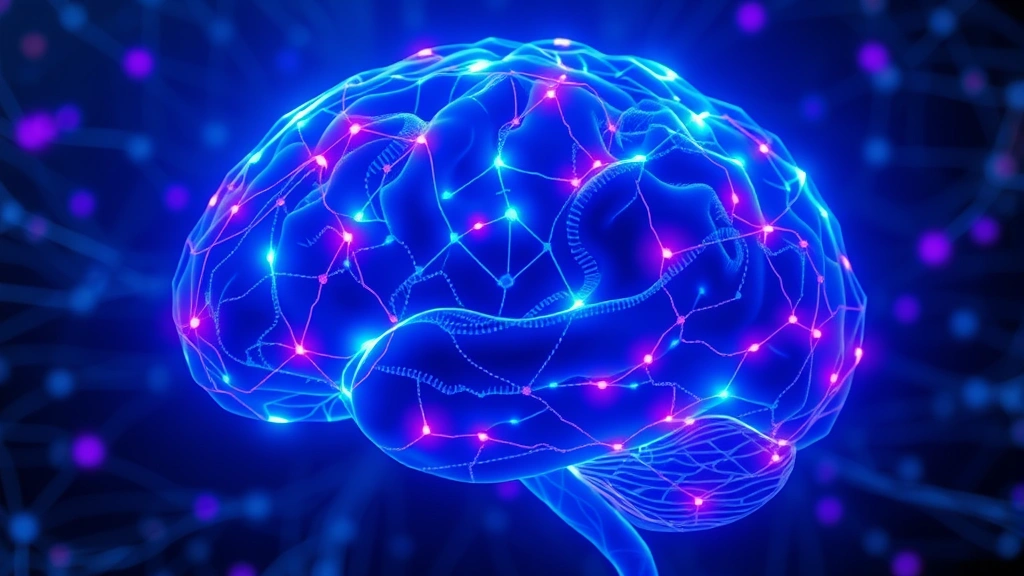
Understanding how mindfulness produces its effects requires examining the neurological changes that occur with regular practice. Functional and structural neuroimaging studies reveal that mindfulness meditation activates and strengthens specific brain regions while modulating activity in others.
Research using fMRI and PET imaging demonstrates that mindfulness practitioners show:
- Increased gray matter density in the prefrontal cortex, associated with emotional regulation and decision-making
- Structural changes in the amygdala, the brain’s emotional processing center, corresponding with reduced reactivity to emotional stimuli
- Enhanced connectivity between the default mode network and executive control networks, improving self-referential thinking patterns
- Reduced activity in brain regions associated with mind-wandering and rumination
- Increased activation of parasympathetic nervous system pathways, promoting relaxation responses
These neurobiological changes provide mechanistic explanations for the psychological benefits observed in behavioral studies. The brain’s neuroplasticity—its ability to reorganize and form new neural connections—appears central to how mindfulness creates lasting improvements in mental health. Studies show that even relatively brief mindfulness training, as little as eight weeks, produces measurable neuroanatomical changes.
The relationship between brain changes and clinical outcomes remains an active area of investigation, with researchers working to establish which neurobiological modifications most directly contribute to symptom improvement.
Mindfulness for Mental Health Conditions
Different mental health conditions respond variably to mindfulness interventions, and understanding these differential effects is crucial for appropriate clinical application. The effectiveness of mindfulness also depends on whether it’s used as a standalone treatment or combined with other therapeutic approaches, such as those described in our comprehensive guide to therapy effectiveness.
Anxiety Disorders: Mindfulness-based stress reduction (MBSR) and mindfulness-based cognitive therapy (MBCT) show strong efficacy for generalized anxiety disorder, social anxiety, and panic disorder. The American Psychological Association recognizes mindfulness-based interventions as evidence-based treatments for anxiety conditions, though outcomes vary among individuals.
Depression: MBCT was originally developed specifically for depression relapse prevention and demonstrates robust effects in this application. For acute depression treatment, mindfulness shows modest but meaningful benefits, often working synergistically with cognitive-behavioral approaches. The practice appears particularly effective when combined with pharmacotherapy.
Post-Traumatic Stress Disorder: While mindfulness shows promise for PTSD, some research suggests that certain mindfulness practices may initially increase distress in trauma survivors due to increased awareness of traumatic memories. Trauma-sensitive mindfulness approaches, delivered by trained clinicians, appear more effective than standard mindfulness protocols for this population.
Substance Use Disorders: Mindfulness-based relapse prevention demonstrates efficacy for reducing substance use and cravings. The increased awareness and non-judgmental observation of urges that mindfulness cultivates helps individuals respond more skillfully to triggers.
Chronic Pain: Mindfulness-based pain management shows consistent effectiveness, helping patients reduce pain-related suffering and improve functioning. This represents one of the most robust areas of mindfulness research, with effects comparable to other established pain management approaches.
For those seeking professional support, our therapy resources and articles provide additional information about integrating mindfulness with professional mental health treatment.
Limitations and Criticisms of Mindfulness Research
Despite substantial evidence supporting mindfulness effectiveness, the research literature contains important limitations that warrant critical examination. Understanding these constraints helps establish realistic expectations about mindfulness benefits.
Methodological Challenges: Many early mindfulness studies suffered from inadequate control conditions, small sample sizes, and lack of blinding. While recent research has improved methodologically, some published studies still employ designs that limit causal inference. The difficulty of creating appropriate placebo conditions for meditation interventions presents ongoing challenges.
Publication Bias: Studies showing positive mindfulness effects may be more likely to be published than those showing null results, potentially inflating estimates of effectiveness in the published literature. Researchers have documented this publication bias in mindfulness research, suggesting that true effect sizes may be somewhat smaller than meta-analytic estimates suggest.
Individual Variability: Mindfulness doesn’t benefit everyone equally. Some individuals show minimal or no response to mindfulness interventions, and research has not reliably identified predictors of who will respond well. Genetic factors, baseline neuroticism, previous meditation experience, and motivation all appear to influence outcomes.
Adverse Effects: While mindfulness is generally safe, emerging research documents that some practitioners experience adverse effects including increased anxiety, dissociation, depersonalization, and exacerbation of existing psychiatric symptoms. These effects occur more commonly than previously recognized, particularly in individuals with trauma histories or certain psychiatric conditions.
Long-term Outcomes: While many studies demonstrate short-term benefits, fewer investigations track long-term outcomes beyond one year. The sustainability of mindfulness benefits without ongoing practice remains incompletely understood.
Reporting Standards: Variability in how mindfulness interventions are described and how outcomes are measured complicates comparison across studies and meta-analyses. The field has made progress developing standardized reporting guidelines, but inconsistency remains problematic.
Practical Applications and Effectiveness Factors
For individuals considering mindfulness practice, research identifies several factors that influence whether the practice will prove effective. Understanding these factors allows for more strategic implementation and realistic expectation-setting.
Practice Duration and Consistency: Research consistently demonstrates dose-response relationships for mindfulness, with more frequent practice generally producing greater benefits. Formal daily practice of 20-45 minutes appears more effective than occasional practice, though even brief daily meditation shows measurable effects. Consistency matters more than duration—regular short practice outperforms sporadic longer sessions.
Quality of Instruction: The expertise and training of mindfulness instructors significantly influences outcomes. Programs delivered by experienced, well-trained instructors produce superior results compared to self-directed practice from books or apps, particularly for clinical populations. This parallels findings in other therapeutic domains, where therapist competence substantially affects treatment outcomes.
Individual Characteristics: Motivation, expectations, and psychological readiness influence mindfulness effectiveness. Individuals approaching mindfulness with realistic expectations and genuine motivation show better outcomes than those expecting dramatic transformations. Age, baseline anxiety levels, and prior meditation experience also influence how quickly individuals benefit from practice.
Integration with Daily Life: Mindfulness practice appears most effective when individuals actively integrate present-moment awareness into daily activities, not merely during formal meditation sessions. Informal practice—bringing mindful attention to routine activities—enhances outcomes beyond formal meditation alone.
Supplementary Support: For clinical populations, mindfulness works optimally when combined with other evidence-based interventions. Mindfulness plus cognitive-behavioral therapy produces superior outcomes to mindfulness alone for many conditions. Professional guidance from therapists experienced in integrating mindfulness with other therapeutic approaches can enhance effectiveness.
For those in specific geographic areas seeking professional support, resources like couples therapy services and family therapy in specific regions often incorporate mindfulness-based approaches into comprehensive treatment plans.
Mindfulness Compared to Other Interventions
To properly evaluate mindfulness effectiveness, research increasingly compares it directly to other established interventions. These comparative studies provide valuable context for understanding where mindfulness fits within the broader therapeutic landscape.
When compared to cognitive-behavioral therapy (CBT), mindfulness shows comparable effectiveness for anxiety and depression in many studies, though effect sizes sometimes favor CBT for specific anxiety disorders like social anxiety. The two approaches may work through different mechanisms—CBT through changing thought patterns and behavioral modification, mindfulness through changing relationship to thoughts—suggesting they might complement each other effectively.
Compared to pharmacological treatments, mindfulness demonstrates effects generally equivalent to antidepressant and anti-anxiety medications for mild to moderate conditions. However, for severe depression or acute anxiety crises, medications often produce faster symptom relief. Many treatment guidelines recommend combining mindfulness with pharmacotherapy rather than viewing them as competing alternatives.
Versus exercise and other lifestyle interventions, mindfulness shows comparable benefits for many psychological conditions. Exercise sometimes demonstrates superior effects for depression, while mindfulness may be more portable and accessible for individuals with physical limitations.
The most robust evidence suggests mindfulness works best as part of a comprehensive treatment approach rather than as a standalone intervention for clinical disorders. For non-clinical populations seeking stress reduction and wellbeing enhancement, mindfulness demonstrates clear benefits with minimal downside risk.
FAQ
How long does it take to see benefits from mindfulness practice?
Research shows that some individuals notice benefits within the first week of practice, though more substantial improvements typically emerge within 4-8 weeks of consistent daily practice. Most formal mindfulness programs involve 8-week curricula, which appears sufficient for meaningful change in many individuals. However, continued practice over months and years produces additional benefits, suggesting mindfulness involves a gradual, ongoing process of change rather than a quick fix.
Is mindfulness effective for everyone?
While mindfulness benefits many people, it doesn’t work equally well for everyone. Individual differences in motivation, baseline neuroticism, trauma history, and other factors influence outcomes. Some individuals experience minimal benefits despite consistent practice, while others show dramatic improvements. Research has not reliably identified in advance who will respond well to mindfulness, making it somewhat trial-and-error to determine personal effectiveness.
Can mindfulness replace medication for anxiety and depression?
For mild to moderate anxiety and depression, mindfulness can sometimes replace medication, though this decision requires professional guidance. For severe conditions, particularly severe depression with suicidal ideation, medications typically provide faster and more reliable symptom relief. Most evidence supports combining mindfulness with other treatments rather than viewing them as alternatives. Any decisions about medication changes should involve consultation with qualified healthcare providers.
What are the risks or downsides of mindfulness practice?
While generally safe, mindfulness can produce adverse effects in some individuals, including increased anxiety, dissociation, depersonalization, and exacerbation of trauma symptoms. These effects occur more commonly than previously recognized, particularly in individuals with trauma histories or certain psychiatric conditions. Starting with shorter practice periods, working with experienced instructors, and seeking professional guidance if adverse effects emerge can mitigate these risks.
Is there an optimal amount of mindfulness practice?
Research suggests a dose-response relationship, with more practice generally producing greater benefits, but with diminishing returns. Daily practice of 20-45 minutes appears optimal for most purposes, though even 10-15 minutes daily shows benefits. Consistency matters more than duration—daily brief practice outperforms occasional longer sessions. Beyond a certain point, additional practice produces minimal incremental benefits, making practice duration a matter of individual preference and lifestyle integration.
How does mindfulness compare to other stress-reduction techniques?
Mindfulness shows comparable effectiveness to other stress-reduction approaches including progressive muscle relaxation, breathing exercises, and guided imagery. The optimal choice depends on individual preferences, accessibility, and specific goals. Some people find mindfulness more naturally suited to their temperament, while others respond better to more structured or physical approaches. Integrative approaches combining multiple techniques often prove most effective for comprehensive wellbeing.