Follistatin Gene Therapy: A New Hope for Muscle Health?
Muscle wasting and degenerative muscle diseases affect millions worldwide, limiting mobility and quality of life. Traditional treatment approaches often focus on symptom management rather than addressing the underlying biological mechanisms that govern muscle growth and maintenance. Follistatin gene therapy represents a paradigm shift in regenerative medicine, offering a potentially transformative approach to restoring muscle function and combating age-related muscle decline.
This emerging therapeutic strategy leverages molecular biology to enhance the body’s natural muscle-building capacity. By introducing follistatin—a powerful myostatin inhibitor—into muscle tissue, researchers are exploring ways to unlock significant muscle growth potential. Early preclinical and clinical evidence suggests this approach could revolutionize treatment for muscular dystrophies, sarcopenia, and other muscle-wasting conditions. Understanding how follistatin gene therapy works, its current applications, and its limitations is essential for anyone interested in cutting-edge muscle health interventions.
What Is Follistatin and How Does It Work?
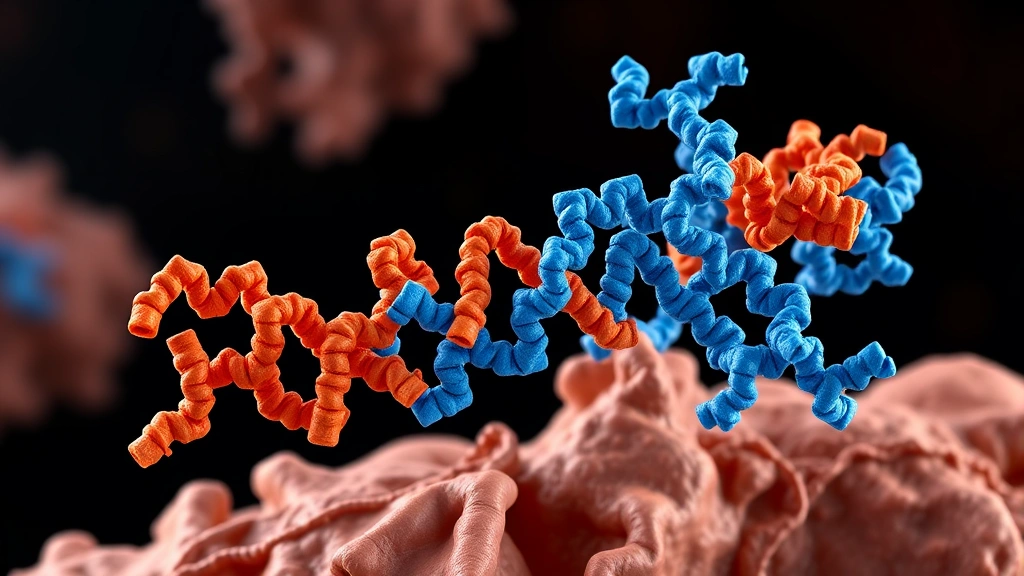
Follistatin is a naturally occurring protein that plays a crucial regulatory role in muscle physiology. Originally discovered in follicular fluid, this glycoprotein functions as a potent antagonist of myostatin, a growth factor that acts as a brake on muscle development. In normal circumstances, myostatin limits how much muscle tissue the body can build, serving as a biological governor on muscle growth.
When follistatin is introduced into muscle tissue through gene therapy, it binds to myostatin molecules, effectively neutralizing them. This neutralization removes the inhibitory signal, allowing muscle satellite cells to proliferate and differentiate into mature muscle fibers more readily. The result is enhanced protein synthesis and muscle hypertrophy—the enlargement and strengthening of existing muscle tissue. This mechanism operates independently of exercise, though combining physical therapy approaches with gene therapy may yield synergistic benefits.
The protein also influences other growth pathways, including those mediated by activin and bone morphogenetic proteins (BMPs). These secondary effects contribute to the comprehensive muscle-building potential of follistatin therapy. Understanding these molecular interactions is essential for optimizing therapeutic outcomes and predicting potential off-target effects.

The Science Behind Myostatin Inhibition
Myostatin, also known as growth differentiation factor 8 (GDF-8), was identified in the 1990s as a key negative regulator of skeletal muscle mass. This discovery emerged from studying the Belgian Blue cattle breed, which exhibited remarkable muscle hypertrophy due to a natural myostatin mutation. Researchers recognized that eliminating myostatin signaling could produce dramatic increases in muscle size and strength.
The myostatin pathway operates through a complex signaling cascade involving the activin type II receptors (ActR2A and ActR2B). When myostatin binds to these receptors on muscle cells, it triggers intracellular signaling through SMAD proteins, ultimately suppressing genes that promote muscle growth while activating genes that promote muscle breakdown. By introducing follistatin, which acts as a ligand trap for myostatin, this inhibitory cascade is interrupted.
Research from leading institutions has demonstrated that follistatin can increase muscle mass by 20-30% in preclinical models without apparent adverse effects on muscle quality or function. Studies published in peer-reviewed journals show that treated animals maintain normal muscle architecture and contractile function while achieving substantially greater muscle volume.
The elegance of this approach lies in its specificity. Unlike systemic treatments that might affect multiple organ systems, local muscle delivery of follistatin primarily targets skeletal muscle tissue, minimizing systemic exposure and potential off-target effects. This localized approach distinguishes follistatin gene therapy from traditional pharmaceutical interventions and positions it as a potentially safer alternative for muscle-wasting conditions.
Current Clinical Applications and Research
Follistatin gene therapy is currently being investigated for multiple muscle-wasting conditions, representing one of the most promising areas in regenerative medicine. The first human trial, conducted by researchers at the University of Pennsylvania, focused on patients with inclusion body myositis (IBM), a progressive muscle disease characterized by selective weakness and atrophy.
Initial results from this phase 1 clinical trial demonstrated safety and preliminary efficacy, with treated patients showing improvements in muscle strength and function over the 12-month follow-up period. Participants received a single intramuscular injection of an adeno-associated virus (AAV) vector carrying the follistatin gene, which then produced follistatin protein within the muscle tissue.
Beyond inclusion body myositis, follistatin gene therapy shows promise for:
- Duchenne muscular dystrophy (DMD)—a severe genetic disorder affecting young males
- Limb-girdle muscular dystrophies—a group of inherited conditions affecting shoulder and hip muscles
- Sarcopenia—age-related muscle loss affecting quality of life in older adults
- Spinal muscular atrophy (SMA)—a genetic neuromuscular disorder
- Post-stroke muscle rehabilitation—assisting recovery of paralyzed limbs
Complementary therapeutic approaches, such as red light therapy for back pain, may work synergistically with gene therapy to optimize recovery outcomes, though more research is needed to establish these combinations formally.
Multiple pharmaceutical companies and research institutions are advancing follistatin-based therapies through the development pipeline. These efforts represent significant investment in understanding how to optimize delivery, dosing, and duration of effect to maximize therapeutic benefit while minimizing risks.
Safety Considerations and Potential Risks
While follistatin gene therapy shows considerable promise, important safety considerations must be addressed before widespread clinical implementation. The most significant concern involves the potential for excessive muscle growth if follistatin expression remains elevated indefinitely or spreads beyond the intended muscle tissue.
Excessive myostatin inhibition could theoretically lead to uncontrolled muscle hypertrophy, resulting in muscle that is larger but potentially weaker or prone to injury. Additionally, myostatin appears to play roles in cardiac muscle regulation and metabolic homeostasis, raising questions about whether long-term systemic inhibition might produce unintended consequences.
Immune responses represent another critical safety consideration. The adeno-associated virus (AAV) vectors used to deliver the follistatin gene can trigger innate and adaptive immune responses, potentially limiting therapeutic duration or causing adverse reactions. Researchers are actively developing improved vector designs and immunosuppressive strategies to mitigate these risks.
Long-term safety data remain limited, as most human trials have followed patients for only 12-24 months. Potential delayed effects—including malignant transformation, fibrosis, or metabolic dysregulation—cannot be definitively excluded without extended follow-up. This uncertainty necessitates careful patient selection and rigorous monitoring protocols.
The concept of therapy cost and accessibility also intersects with safety considerations, as these advanced treatments will likely be expensive, potentially limiting availability to wealthy patients and raising ethical questions about equitable access to transformative therapies.
Comparing Gene Therapy to Traditional Approaches
Traditional approaches to muscle-wasting diseases typically emphasize symptom management, physical rehabilitation, and nutritional optimization. Physical therapy remains a cornerstone of treatment, helping patients maintain function and slow progressive decline. However, these approaches address consequences rather than root causes of muscle degeneration.
Pharmacological interventions for muscle diseases are limited. Corticosteroids provide modest benefits in some muscular dystrophies but carry significant adverse effects with long-term use. Enzyme replacement therapies exist for certain genetic muscle diseases but are extremely expensive and of limited efficacy. Gene therapies like follistatin offer the potential to address fundamental biological mechanisms driving muscle loss.
The comparative advantages of follistatin gene therapy include:
- Mechanistic targeting—directly addresses myostatin-mediated inhibition of muscle growth
- Durable effects—single or limited treatments may produce long-lasting benefits
- Localized action—intramuscular delivery minimizes systemic exposure
- Synergistic potential—can be combined with rehabilitation and other therapies
- Broad applicability—relevant to multiple muscle-wasting conditions
However, gene therapy also carries unique challenges. The irreversible nature of genetic modification raises concerns about unintended long-term consequences. The complexity of delivery systems and regulatory pathways creates high development costs. Current approaches require invasive intramuscular injection, limiting accessibility compared to oral medications.
Future Prospects and Ongoing Studies
The landscape of follistatin gene therapy continues to evolve rapidly, with multiple research directions promising to enhance efficacy and safety. Advances in molecular biology and vector engineering are enabling development of improved delivery systems that could eventually permit non-invasive administration.
Researchers are exploring several promising refinements:
- Inducible systems—developing switches that allow temporal control of follistatin expression, enabling researchers to titrate the degree of myostatin inhibition
- Tissue-specific targeting—engineering vectors that selectively transduce muscle tissue while avoiding off-target effects
- Combination therapies—investigating synergistic effects when follistatin gene therapy is combined with other muscle-promoting interventions
- Myostatin inhibition alternatives—exploring complementary approaches to block myostatin signaling through different mechanisms
- Systemic delivery approaches—developing methods to deliver follistatin systemically while maintaining safety
Ongoing clinical trials are expanding to include larger patient populations and longer follow-up periods. The National Institutes of Health continues supporting research that will clarify optimal patient selection criteria, dosing strategies, and long-term safety profiles.
Integration with other emerging therapies presents exciting opportunities. Combining follistatin gene therapy with comprehensive therapy resources and rehabilitation approaches may optimize outcomes for patients with muscle-wasting diseases. Additionally, understanding how follistatin works at the molecular level could inform development of small-molecule drugs that achieve similar effects through oral administration.
The field is also exploring whether follistatin gene therapy might benefit healthy individuals seeking to optimize muscle mass and strength. This raises important ethical questions about the distinction between therapeutic and enhancement uses of gene therapy, questions that society must address through informed policy discussions.
Frequently Asked Questions
What conditions can follistatin gene therapy treat?
Follistatin gene therapy is being investigated for inclusion body myositis, muscular dystrophies, sarcopenia, spinal muscular atrophy, and other muscle-wasting conditions. Current human trials focus primarily on neuromuscular diseases, though potential applications continue to expand as research progresses.
How is follistatin gene therapy administered?
Current approaches involve direct intramuscular injection of an adeno-associated virus (AAV) vector carrying the follistatin gene. The vector transduces muscle cells, which then produce follistatin protein. Researchers are exploring less invasive delivery methods for future applications.
Is follistatin gene therapy permanent?
The durability of effects depends on the delivery system used. AAV-mediated gene transfer typically produces long-lasting effects because muscle cells rarely divide, allowing sustained gene expression. However, the exact duration of benefit remains incompletely characterized in human patients.
What are the main risks of follistatin gene therapy?
Primary concerns include excessive muscle growth, immune responses to viral vectors, potential off-target effects on cardiac or metabolic function, and unknown long-term consequences. Careful patient selection and monitoring are essential to manage these risks.
How does follistatin compare to other muscle-building approaches?
Follistatin gene therapy addresses fundamental biological mechanisms driving muscle loss, potentially offering advantages over symptom-focused approaches. However, it carries unique risks associated with genetic modification and requires invasive administration compared to conventional treatments.
Will follistatin gene therapy be available soon?
While promising clinical trial results have emerged, follistatin gene therapy remains investigational. Regulatory approval likely requires additional safety and efficacy data. Timeline for widespread availability depends on ongoing trial outcomes and regulatory decisions.
Can healthy people use follistatin gene therapy for muscle enhancement?
Current clinical trials focus on patients with disease, and regulatory agencies have not approved follistatin gene therapy for enhancement purposes. Ethical and safety considerations make widespread non-therapeutic use unlikely in the near future, though this remains a subject of ongoing debate.