Can Mindfulness Improve Mental Health? Studies Explore the Science Behind the Practice
Mindfulness has emerged as one of the most researched wellness practices of the past two decades, with scientists and mental health professionals investigating its profound effects on psychological well-being. From reducing anxiety to alleviating depression symptoms, the evidence supporting mindfulness-based interventions continues to mount. This comprehensive exploration examines the scientific research, practical applications, and mechanisms through which mindfulness transforms mental health outcomes.
The intersection of ancient contemplative practices and modern neuroscience has created a powerful framework for understanding how present-moment awareness can fundamentally reshape our relationship with stress, emotions, and mental illness. Whether you’re exploring mindfulness for personal wellness or considering it as part of a broader therapeutic approach, understanding the research provides valuable context for its effectiveness.
Understanding Mindfulness and Mental Health
Mindfulness, defined as the intentional cultivation of non-judgmental awareness of present-moment experiences, has become a cornerstone of contemporary mental health treatment. Unlike passive relaxation or distraction, mindfulness involves active engagement with thoughts and feelings without attempting to change or suppress them. This fundamental distinction makes it a uniquely powerful tool for mental health improvement.
The relationship between mindfulness and mental health operates on multiple levels. Psychologically, mindfulness helps individuals develop metacognitive awareness—the ability to observe thoughts without identifying with them. This creates psychological distance from rumination patterns that typically perpetuate anxiety and depression. Biologically, mindfulness activates parasympathetic nervous system responses that counteract the stress-induced activation of the sympathetic nervous system.
Research from the American Psychological Association demonstrates that regular mindfulness practice correlates with measurable improvements in emotional regulation, attention span, and overall psychological resilience. The practice has moved from fringe wellness territory to mainstream clinical application, with numerous healthcare systems incorporating mindfulness-based interventions into standard treatment protocols.

Key Research Findings on Mental Health Benefits
Substantial empirical evidence supports mindfulness as an effective mental health intervention. A landmark meta-analysis published in JAMA Psychiatry examined 47 trials involving over 3,500 participants and found that mindfulness-based stress reduction produced clinical improvements comparable to antidepressant medication for anxiety and depression. This finding proved revolutionary, suggesting that behavioral interventions could match pharmaceutical outcomes for certain populations.
Studies conducted at major research institutions have identified specific mental health benefits:
- Anxiety reduction: Mindfulness-based cognitive therapy (MBCT) demonstrates significant reductions in generalized anxiety disorder symptoms, with effects maintained at 12-month follow-up periods.
- Depression management: Individuals with recurrent depression who completed mindfulness-based interventions showed substantially lower relapse rates compared to standard care alone.
- Stress resilience: Mindfulness practitioners exhibit lower cortisol levels, reduced inflammatory markers, and improved cardiovascular health metrics.
- Emotional regulation: Enhanced capacity to manage intense emotions without behavioral dysregulation or avoidance coping strategies.
- Sleep quality: Improvements in insomnia severity and sleep architecture, particularly through body-scan meditation practices.
The National Center for Biotechnology Information has published extensive literature documenting these outcomes across diverse populations, from college students managing academic stress to clinical populations with severe mental illness. These findings suggest that mindfulness benefits extend across the mental health spectrum.
Neurobiological Mechanisms Behind Mindfulness
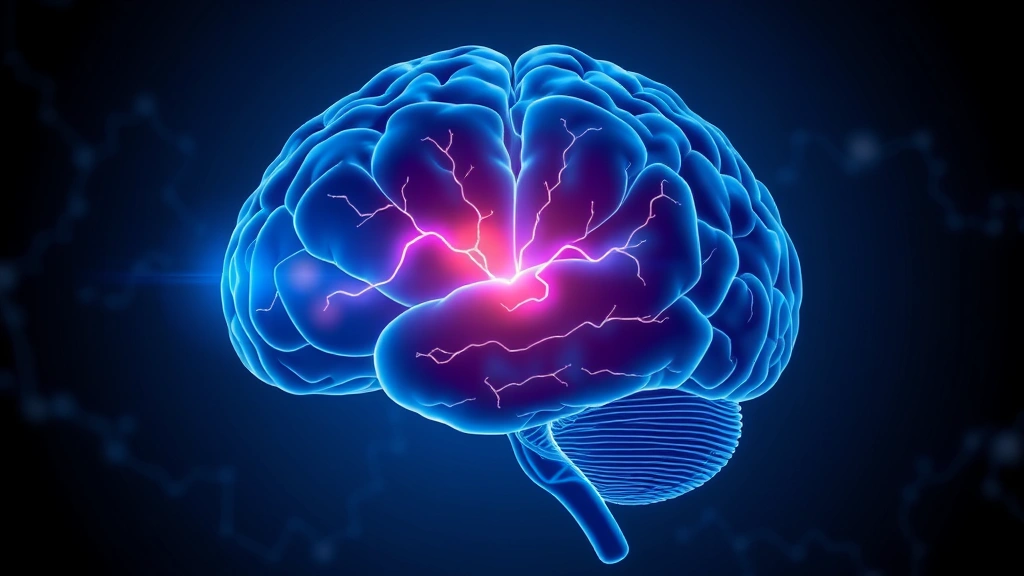
Understanding how mindfulness produces mental health improvements requires examining the neurobiological changes that occur with consistent practice. Advanced neuroimaging studies reveal that mindfulness meditation physically alters brain structure and function in ways that directly support mental health.
The prefrontal cortex, responsible for executive function, emotional regulation, and self-awareness, shows increased gray matter density in long-term mindfulness practitioners. Simultaneously, the amygdala—the brain’s threat-detection center that becomes hyperactive in anxiety and trauma—demonstrates reduced volume and decreased reactivity. This neuroplastic remodeling essentially strengthens the brain regions supporting calm awareness while dampening those driving reactive fear responses.
The default mode network (DMN), a set of interconnected brain regions active during self-referential thinking and mind-wandering, shows decreased activity during mindfulness practice. Overactivity in the DMN correlates strongly with depression, anxiety, and rumination. By training attention away from automatic self-referential processing, mindfulness practitioners literally rewire their brain’s default state toward greater well-being.
Additionally, mindfulness enhances communication between the prefrontal cortex and amygdala, effectively giving the rational brain greater regulatory control over emotional reactions. This neural integration supports the psychological distance from distressing thoughts that characterizes effective mindfulness practice.
Mindfulness for Anxiety and Depression
Anxiety and depression represent the most prevalent mental health conditions, affecting millions globally. Both conditions involve characteristic patterns of thought—worry rumination for anxiety, negative self-referential thinking for depression—that perpetuate psychological suffering. Mindfulness interventions specifically target these thought patterns through distinct mechanisms.
For anxiety disorders, mindfulness reduces the tendency toward anticipatory worry and future-focused catastrophizing. By anchoring attention in present-moment sensory experience, individuals interrupt the anxiety cycle that feeds on imagined future threats. Research demonstrates that eight weeks of mindfulness-based stress reduction produces clinically significant anxiety reduction in 60-70% of participants with generalized anxiety disorder.
Depression treatment through mindfulness operates differently, targeting the rumination and emotional avoidance that maintain depressive episodes. Mindfulness-based cognitive therapy combines traditional cognitive therapy elements with mindfulness practices, teaching individuals to recognize early depression warning signs and respond with mindful awareness rather than avoidance or rumination intensification. Studies show relapse prevention rates of 50% or greater for individuals with recurrent depression who complete MBCT programs.
The effectiveness extends to comorbid anxiety-depression presentations, which represent the most common mental health presentations. A single intervention addressing both conditions simultaneously offers significant practical and economic advantages compared to condition-specific treatments.
For individuals exploring comprehensive mental health approaches, understanding therapy goals and objectives within mindfulness-based frameworks can clarify treatment expectations and outcomes.
Clinical Applications and Therapeutic Integration
Mental health professionals increasingly integrate mindfulness into standard clinical practice, recognizing its synergistic effects with traditional therapeutic approaches. Rather than replacing evidence-based treatments, mindfulness enhances their effectiveness while providing additional benefits.
Mindfulness-based cognitive therapy (MBCT) combines cognitive therapy’s thought-challenging techniques with mindfulness meditation, creating a comprehensive approach particularly effective for depression relapse prevention. Dialectical behavior therapy (DBT), the gold-standard treatment for borderline personality disorder, incorporates mindfulness as one of four key skill modules. Acceptance and commitment therapy (ACT) uses mindfulness to help clients develop psychological flexibility and values-aligned living.
Clinical integration extends beyond mental illness treatment to prevention and wellness promotion. Many healthcare systems now offer mindfulness programs for patients with chronic medical conditions, recognizing that psychological well-being directly impacts physical health outcomes. Mindfulness-based stress reduction programs have become standard offerings in hospitals, clinics, and community mental health centers.
The Mind and Life Institute continues pioneering research into mindfulness mechanisms and clinical applications, fostering collaboration between neuroscientists, psychologists, and contemplative practitioners. This interdisciplinary approach has elevated mindfulness from cultural curiosity to evidence-based clinical intervention.
For parents interested in developing mindfulness skills in their children, exploring approaches like physical therapy for kids and occupational therapy for kids can provide integrated developmental support alongside mindfulness practices.
Mindfulness Across Different Age Groups
Mindfulness benefits span the entire lifespan, though specific applications and delivery methods adapt to developmental stages. Research demonstrates effectiveness and safety across pediatric, adolescent, adult, and geriatric populations.
Children and Adolescents: School-based mindfulness programs improve attention, emotional regulation, and academic performance while reducing anxiety and behavioral problems. Children as young as five can learn basic mindfulness techniques through games and storytelling. Adolescents benefit particularly from mindfulness interventions targeting the emotional intensity and identity formation challenges characteristic of teenage development. Speech therapy for toddlers and early intervention programs increasingly incorporate mindfulness elements.
Adults: Working-age adults benefit from mindfulness for stress management, workplace performance, and relationship satisfaction. Many organizations implement workplace mindfulness programs recognizing productivity and employee wellness benefits. Adult mindfulness practitioners report improved focus, emotional intelligence, and life satisfaction.
Older Adults: Mindfulness interventions address age-specific challenges including grief, cognitive decline concerns, and reduced social engagement. Research shows mindfulness improves psychological well-being, sleep quality, and even cognitive function in aging populations. The practice’s emphasis on present-moment awareness proves particularly valuable for individuals with memory concerns.
Across all age groups, consistent practice produces the most robust benefits, though even brief interventions show measurable effects on stress reduction and mood improvement.
Practical Implementation Strategies
Translating mindfulness research into personal practice requires understanding practical implementation approaches. Numerous evidence-based formats exist, allowing individuals to select methods matching their preferences and lifestyle.
Formal Meditation Practice: Structured meditation sessions, typically 10-45 minutes, form the cornerstone of mindfulness development. Common formats include focused attention meditation (concentrating on breath or body sensations), open monitoring meditation (observing all arising mental and physical phenomena), and loving-kindness meditation (cultivating compassion). Research indicates 20-30 minutes daily produces optimal mental health benefits, though even five minutes shows measurable effects.
Informal Mindfulness: Integrating present-moment awareness into daily activities—mindful eating, walking, listening, and routine task engagement—extends mindfulness benefits throughout the day. This approach proves particularly valuable for individuals struggling with formal meditation commitment.
Structured Programs: Eight-week mindfulness-based stress reduction (MBSR) programs and mindfulness-based cognitive therapy courses provide professional guidance, peer support, and structured progression. These programs typically combine daily meditation practice with psychoeducation and group discussion.
Digital Resources: Meditation apps, online courses, and virtual instruction have democratized mindfulness access. Research indicates app-based programs produce benefits comparable to in-person instruction for many users, particularly with adequate guidance and practice commitment.
Accessing comprehensive therapy resources and information through specialized platforms can support successful mindfulness implementation and integration with other therapeutic approaches.
Professional Guidance: Working with mindfulness-trained therapists, meditation teachers, or health coaches provides personalized instruction, troubleshooting, and accountability. Professional guidance proves particularly valuable for individuals with severe mental illness or trauma histories requiring clinical oversight.
Successful implementation typically involves starting with realistic practice commitments, gradually extending duration and frequency as the practice becomes established. Consistency matters more than duration—daily brief practice produces better outcomes than occasional extended sessions.
FAQ
How quickly does mindfulness improve mental health?
Research shows measurable improvements in stress and mood within two to four weeks of consistent daily practice. More substantial clinical improvements typically emerge within eight to twelve weeks. However, individual timelines vary based on practice frequency, meditation experience, and baseline mental health status. Some individuals report immediate benefits after single sessions, while others require several weeks before noticing changes.
Can mindfulness replace psychiatric medication?
While mindfulness produces mental health benefits comparable to antidepressants for some anxiety and depression cases, it should not automatically replace medication without professional guidance. Many individuals benefit from combined approaches integrating mindfulness with pharmacological treatment. Medication decisions require consultation with qualified mental health professionals who can assess individual circumstances, symptom severity, and treatment history.
What’s the difference between mindfulness and meditation?
Meditation represents a specific practice technique for cultivating mindfulness, while mindfulness encompasses both formal meditation practice and informal present-moment awareness integrated throughout daily life. All meditation involves mindfulness, but not all mindfulness requires formal meditation—individuals can develop mindful awareness through daily activities.
Does mindfulness work for severe mental illness?
Research supports mindfulness benefits for serious mental illnesses including schizophrenia, bipolar disorder, and severe depression, though typically as a complement to standard psychiatric treatment rather than replacement. Mindfulness-based interventions for psychosis (MBP) and adapted programs for serious mental illness show promising outcomes. Professional guidance remains essential for severe conditions.
How do I start a mindfulness practice?
Begin with five to ten minutes daily of focused attention meditation, concentrating on breath sensations. Use guided audio recordings from established programs like MBSR to learn proper technique. Consistency matters more than duration—daily brief practice outperforms occasional extended sessions. Consider professional instruction through apps, local programs, or therapists to ensure proper technique and troubleshoot challenges.
Is mindfulness effective for trauma and PTSD?
Research on trauma-sensitive mindfulness shows benefits for PTSD and trauma recovery, though standard mindfulness requires modification for trauma populations. Trauma-sensitive approaches emphasize choice, control, and present-moment grounding rather than internal focus that might trigger flashbacks. Professional guidance from trauma-informed practitioners proves essential for safe implementation.