
Is Mindfulness Effective for Depression? Expert Insights and Evidence-Based Research
Depression remains one of the most prevalent mental health conditions worldwide, affecting millions of individuals across all demographics. While traditional pharmaceutical interventions and psychotherapy have long been the cornerstone of depression treatment, an increasing body of research suggests that mindfulness-based approaches offer significant therapeutic benefits. This comprehensive exploration examines the scientific evidence supporting mindfulness as a complementary and sometimes standalone treatment for depression, drawing on expert insights and rigorous clinical research.
Mindfulness, defined as the practice of maintaining present-moment awareness without judgment, has gained considerable traction in clinical psychology over the past two decades. Unlike passive relaxation techniques, mindfulness actively engages individuals in observing their thoughts, emotions, and physical sensations with curiosity rather than resistance. For those struggling with depression, this approach can interrupt the rumination cycles and negative thought patterns that perpetuate depressive episodes, offering a pathway toward sustained emotional well-being.
Understanding Mindfulness and Its Mechanisms
Mindfulness operates through several interconnected psychological mechanisms that directly counteract depressive symptoms. The practice involves cultivating awareness of automatic thoughts without becoming entangled in them—a process known as cognitive defusion. When depression takes hold, the mind often becomes trapped in repetitive negative narratives about worthlessness, hopelessness, and failure. Mindfulness creates psychological distance from these thoughts, allowing individuals to recognize them as mental events rather than absolute truths.
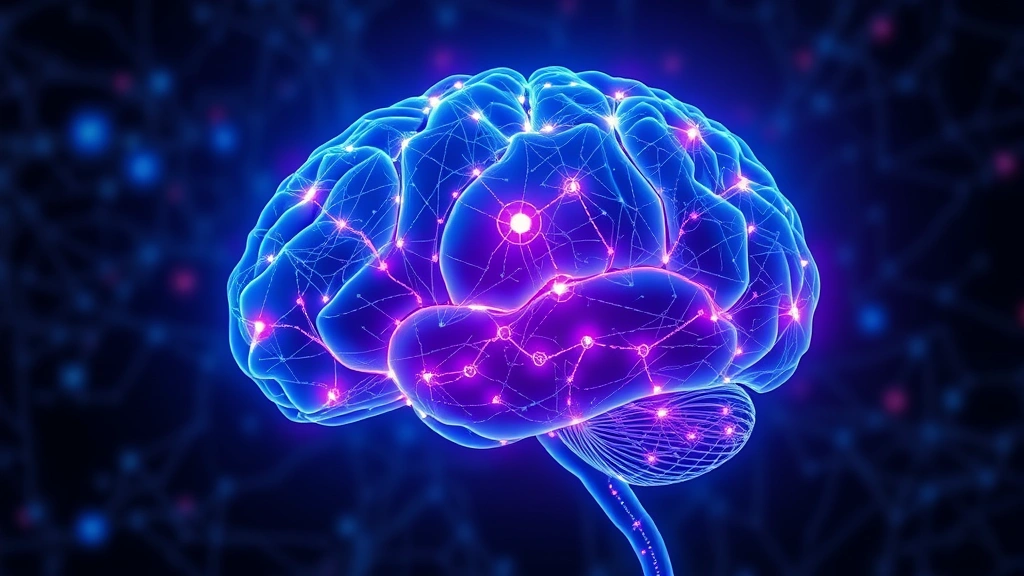
Research from the American Psychological Association indicates that mindfulness strengthens neural pathways associated with emotional regulation and self-awareness while reducing activity in brain regions linked to rumination and self-referential thinking. The anterior cingulate cortex and prefrontal cortex—areas crucial for emotional control and decision-making—show enhanced functioning in individuals who regularly practice mindfulness. Additionally, mindfulness reduces activity in the default mode network, a brain system that becomes hyperactive during depressive rumination.
The practice also addresses the physiological components of depression by activating the parasympathetic nervous system, which promotes the body’s relaxation response. Through mindful breathing and body awareness, individuals can interrupt the stress-response cycle that maintains depressive symptoms. This mind-body connection proves particularly valuable for those experiencing the physical manifestations of depression, including fatigue, sleep disturbances, and chronic pain.

Scientific Evidence for Mindfulness-Based Depression Treatment
The empirical foundation supporting mindfulness for depression has grown substantially over the past fifteen years. Multiple randomized controlled trials and meta-analyses demonstrate clinically significant reductions in depressive symptoms among participants who engage in structured mindfulness interventions. A landmark study published in JAMA Psychiatry compared mindfulness-based cognitive therapy with antidepressant medication in preventing depressive relapse, finding comparable efficacy rates between the two approaches.
The National Institute of Health and Care Excellence (NICE) in the United Kingdom has formally recommended mindfulness-based cognitive therapy as a first-line treatment for preventing depressive relapse in individuals with recurrent depression. This endorsement reflects decades of accumulated evidence demonstrating the intervention’s effectiveness across diverse populations. Furthermore, the National Institute of Mental Health acknowledges mindfulness-based interventions as evidence-supported treatments with robust research backing.
Effect sizes from comprehensive meta-analyses indicate that mindfulness interventions produce moderate to large reductions in depressive symptoms, with benefits comparable to cognitive-behavioral therapy for many individuals. Importantly, these benefits appear to persist long after the formal intervention concludes, suggesting that mindfulness cultivates lasting psychological skills rather than providing temporary symptom relief.
Mindfulness-Based Cognitive Therapy (MBCT)
Mindfulness-Based Cognitive Therapy represents a structured integration of mindfulness practices with cognitive-behavioral principles, specifically designed to prevent depressive relapse. Developed by Zindel Segal, Mark Williams, and John Teasdale, MBCT combines eight weeks of intensive mindfulness training with cognitive therapy techniques that address the thought patterns maintaining depression.
The MBCT protocol typically involves weekly two-hour group sessions supplemented with daily home practice. Participants learn formal meditation practices including body scan meditation, sitting meditation, and mindful movement, alongside informal practices that integrate mindfulness into daily activities. The cognitive component helps participants recognize early warning signs of depressive relapse and respond with mindful awareness rather than habitual rumination.
Research specifically examining MBCT demonstrates remarkable efficacy for preventing depressive recurrence. In individuals with three or more previous depressive episodes, MBCT reduced the relapse rate by approximately fifty percent compared to treatment as usual. This makes MBCT particularly valuable for those with chronic or recurrent depression who struggle with the cycling pattern of remission and relapse. Many individuals find that combining MBCT with complementary therapeutic approaches, such as speech therapy near me for those with comorbid communication challenges, creates a comprehensive treatment plan.
Mindfulness-Based Stress Reduction (MBSR)
While originally developed for chronic pain management, Mindfulness-Based Stress Reduction has demonstrated significant benefits for depression, particularly when depression co-occurs with anxiety or stress-related conditions. MBSR follows an eight-week curriculum emphasizing formal meditation practices, body awareness, and gentle yoga movements integrated with psychoeducation about stress and emotion regulation.
The MBSR framework proves accessible to diverse populations and settings, from hospital-based programs to community mental health centers. Its emphasis on stress reduction addresses a key maintaining factor in depression, as chronic stress perpetuates depressive symptoms through multiple biological and psychological pathways. Individuals completing MBSR report not only reduced depressive symptoms but also improved overall well-being, enhanced emotional resilience, and greater life satisfaction.
MBSR’s effectiveness appears particularly pronounced for depression accompanied by high stress, anxiety, or medical comorbidities. The program’s inclusive approach and non-pathologizing framework make it appealing to individuals hesitant about traditional mental health treatment. Furthermore, the group-based format fosters social connection and mutual support, addressing the social isolation that frequently accompanies depression.
Integration with Traditional Therapy
While mindfulness demonstrates standalone effectiveness, experts increasingly recommend integrating mindfulness with established therapeutic modalities for optimal outcomes. Cognitive-behavioral therapy combined with mindfulness addresses both automatic negative thoughts and the underlying patterns of rumination that maintain depression. This integrated approach leverages the cognitive restructuring techniques of CBT alongside the acceptance and present-moment focus of mindfulness.
Psychodynamic therapy enriched with mindfulness practices helps individuals explore the unconscious patterns and relational dynamics contributing to depression while developing greater emotional awareness and self-compassion. Acceptance and Commitment Therapy explicitly incorporates mindfulness as a core component, using acceptance of difficult emotions alongside commitment to valued living as pathways out of depression.
For individuals seeking comprehensive depression treatment, exploring options like how much is therapy alongside mindfulness-based options allows for informed decision-making about treatment combinations. Many therapists now integrate brief mindfulness practices into traditional psychotherapy sessions, recognizing that even short periods of mindful awareness can enhance therapeutic work. Additionally, those with communication-related challenges might benefit from exploring physical therapy treatment for cerebral palsy or other integrated therapeutic services, as depression frequently co-occurs with various medical and neurological conditions.
Practical Implementation and Accessibility
One of mindfulness’s greatest advantages lies in its accessibility and adaptability across diverse contexts and populations. Unlike medications requiring prescriptions or therapy requiring regular appointments with specialists, mindfulness practices can be initiated independently through numerous free and low-cost resources. Mobile applications, online courses, and books provide guided instruction in mindfulness techniques, democratizing access to these evidence-based practices.
For individuals beginning a mindfulness practice, starting with brief daily sessions—even five to ten minutes—establishes foundational skills before progressing to longer meditations. Body scan meditation, requiring minimal instruction and no special equipment, offers an excellent entry point for depression sufferers who may struggle with motivation or concentration. Mindful walking, eating, and listening integrate mindfulness into everyday activities, making the practice sustainable across various life circumstances.
Group-based mindfulness programs, available through MindLift Daily Blog – Therapy Resources and Information and community mental health centers, provide structured learning alongside social support. These programs often cost substantially less than individual psychotherapy while delivering comparable benefits for many participants. Furthermore, workplace mindfulness programs increasingly offer employees access to evidence-based depression prevention and treatment resources.
For those seeking professional guidance, mindfulness-trained therapists can tailor practices to individual needs and preferences. Some individuals respond best to silent meditation, while others prefer guided practices, movement-based approaches, or informal mindfulness integrated into conversation. This flexibility ensures that mindfulness interventions can be adapted for individuals with varying learning styles, physical capabilities, and personal preferences.
Limitations and Considerations
Despite substantial evidence supporting mindfulness for depression, important limitations and contextual factors warrant consideration. Mindfulness proves less effective as a standalone treatment for severe depression accompanied by psychotic features, acute suicidality, or severe functional impairment. In these situations, pharmacological intervention and intensive professional support take priority, with mindfulness serving as a complementary approach once acute symptoms stabilize.
Some individuals, particularly those with trauma histories or certain anxiety disorders, may experience paradoxical worsening of symptoms during meditation practice. The inward focus of mindfulness can occasionally intensify intrusive thoughts or distressing bodily sensations in vulnerable individuals. Trauma-sensitive mindfulness approaches and careful professional guidance help mitigate these risks, but highlight the importance of individualized assessment before recommending mindfulness as a primary intervention.
Additionally, mindfulness requires sustained practice and motivation to produce lasting benefits. The initial enthusiasm for beginning a meditation practice frequently wanes as individuals encounter the challenges inherent in developing a consistent practice. Depression itself, characterized by anhedonia and reduced motivation, can make initiating and maintaining mindfulness practice particularly challenging. Professional support and structured programs significantly increase adherence rates compared to self-directed practice.
Cultural and religious considerations also merit attention, as mindfulness derives from Buddhist traditions and may feel incongruent with certain belief systems. Secular adaptations of mindfulness address this concern, but practitioners should ensure that any mindfulness approach aligns with their values and worldview. Individuals interested in exploring comprehensive mental health services might also consider occupational therapy jobs and career opportunities in mental health fields, supporting the broader ecosystem of depression treatment.
Furthermore, access disparities persist, as formal mindfulness-based programs remain unavailable or unaffordable for many individuals, particularly in underserved communities. While digital resources expand accessibility, the digital divide and varying health literacy levels mean that some populations face continued barriers to mindfulness interventions. Research examining culturally adapted mindfulness approaches and community-based implementation models continues to address these equity concerns.
FAQ
How quickly does mindfulness help with depression?
Most individuals begin noticing subtle shifts in mood and thought patterns within two to four weeks of consistent practice. However, more substantial symptom reduction typically requires eight to twelve weeks of regular engagement. The timeline varies considerably based on depression severity, practice consistency, and individual responsiveness to mindfulness.
Can mindfulness replace antidepressant medication?
For some individuals with mild to moderate depression, mindfulness-based interventions demonstrate efficacy comparable to medication. However, for severe depression or individuals with specific medical circumstances, medication often remains necessary. The decision should involve collaborative discussion with qualified mental health and medical professionals considering individual factors, depression severity, and treatment response history.
What is the best mindfulness practice for depression?
Research indicates that body scan meditation and loving-kindness meditation show particular promise for depression. However, the best practice is ultimately the one that an individual will consistently engage with. Experimenting with various approaches—silent meditation, guided practices, movement-based mindfulness, and informal techniques—helps identify the most resonant practice for each person.
Is mindfulness helpful for treatment-resistant depression?
For depression that hasn’t responded adequately to standard treatments, mindfulness offers a different neurobiological pathway that may prove beneficial. Some individuals with treatment-resistant depression respond well to mindfulness-based approaches, particularly when integrated with other interventions. However, treatment-resistant depression often requires specialized professional assessment and potentially medication adjustments or alternative somatic treatments.
How does mindfulness compare to cognitive-behavioral therapy for depression?
Both mindfulness-based interventions and cognitive-behavioral therapy demonstrate strong empirical support for depression treatment. Research suggests comparable efficacy, with some individuals responding better to one approach than the other. Many contemporary treatments integrate both modalities, leveraging the cognitive restructuring of CBT alongside the acceptance and present-moment focus of mindfulness for enhanced outcomes.