
Can Mindfulness Improve Mental Health? Studies Say Yes
Mindfulness has emerged as one of the most researched and evidence-based approaches to mental health in recent decades. What was once considered an alternative wellness practice is now supported by rigorous scientific studies, neuroimaging research, and clinical trials conducted at leading universities and medical institutions worldwide. The question is no longer whether mindfulness works, but rather how to implement it effectively for different mental health conditions and populations.
The convergence of ancient contemplative practices with modern neuroscience has created a powerful framework for understanding how mindfulness directly impacts brain function, emotional regulation, and psychological well-being. Major healthcare organizations, including the National Institutes of Health and the American Psychological Association, now recognize mindfulness-based interventions as evidence-based treatments for anxiety, depression, chronic pain, and stress-related disorders. This comprehensive guide explores the scientific evidence behind mindfulness and its profound effects on mental health.
Understanding Mindfulness and Its Core Principles
Mindfulness is the practice of maintaining present-moment awareness with a non-judgmental, accepting attitude toward thoughts, feelings, and bodily sensations. Unlike meditation, which can have various spiritual or religious dimensions, mindfulness is a secular, accessible practice that anyone can learn regardless of their background or beliefs. The core principle involves observing your internal experiences—thoughts, emotions, physical sensations—without trying to change them, suppress them, or attach meaning to them.
This fundamental shift in how we relate to our mental experiences represents a departure from the typical human tendency to ruminate about the past or worry about the future. Most people spend significant portions of their day lost in thought, replaying conversations, anticipating problems, or engaging in worry cycles that generate anxiety and stress. Mindfulness interrupts this automatic pattern by anchoring attention to the present moment, where most people discover that things are actually manageable and safe.
The practice typically involves simple techniques such as focused breathing, body scanning, mindful walking, or observing thoughts without judgment. What makes mindfulness particularly powerful is its accessibility—it requires no special equipment, no specific location, and can be practiced for just a few minutes daily to yield measurable benefits. Research shows that even brief mindfulness practices, when done consistently, produce significant improvements in mental health outcomes.

The Neuroscience Behind Mindfulness
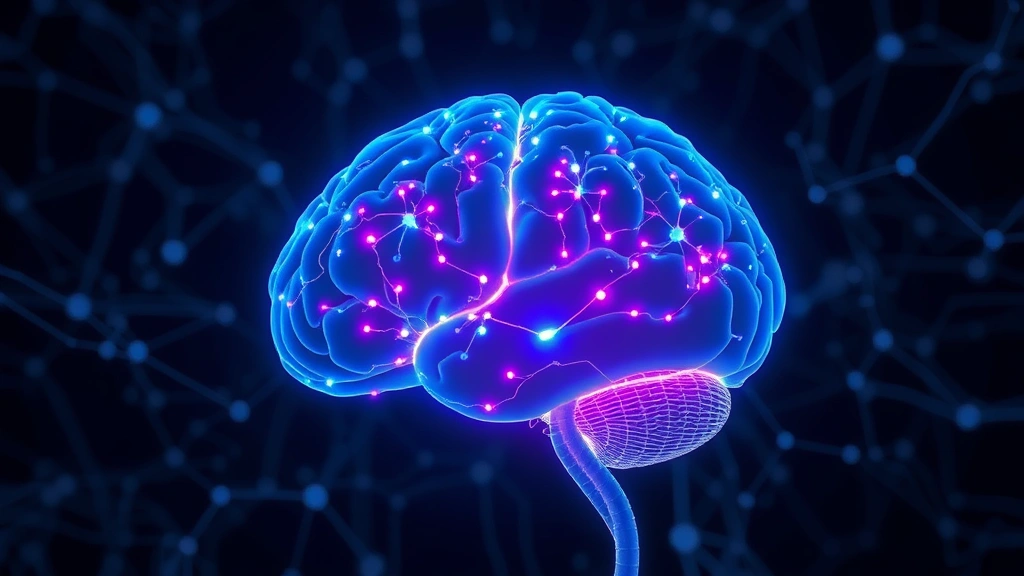
Advanced neuroimaging studies using functional MRI (fMRI) have revealed that mindfulness practice produces measurable changes in brain structure and function. Research published in Nature Communications demonstrates that regular mindfulness practice increases gray matter density in the prefrontal cortex, the brain region responsible for executive function, emotional regulation, and decision-making.
One of the most significant discoveries involves the default mode network (DMN), a set of interconnected brain regions that activate when the mind wanders or engages in self-referential thinking. Excessive DMN activity is associated with depression, anxiety, and rumination. Studies show that mindfulness practitioners develop greater ability to deactivate the DMN during meditation and maintain this improved regulation during daily life. This neural change translates directly into reduced rumination and decreased depressive symptoms.
The amygdala, the brain’s threat-detection and fear-processing center, also shows measurable changes with mindfulness practice. Research indicates that consistent meditation reduces amygdala reactivity and decreases its volume, leading to lower baseline anxiety levels and improved stress response. Simultaneously, mindfulness strengthens connections between the prefrontal cortex and amygdala, enhancing the brain’s ability to regulate emotional responses consciously.
Additionally, mindfulness increases activity in the insula, a region involved in interoception—the ability to sense internal bodily states. This enhanced body awareness helps individuals recognize early signs of stress, anxiety, or emotional dysregulation before they escalate into full-blown episodes. For those seeking comprehensive mental health support, understanding how therapy for teens near me incorporates mindfulness-based approaches can be valuable, especially for younger populations.
Mindfulness for Anxiety and Stress Management
Anxiety disorders represent one of the most common mental health conditions, affecting millions of people worldwide. Traditional treatments include cognitive-behavioral therapy and pharmaceutical interventions, but mindfulness-based stress reduction (MBSR) has emerged as an equally effective alternative or complementary approach. A landmark study published by JAMA Psychiatry found that MBSR produced comparable anxiety reduction to prescription antidepressants in patients with generalized anxiety disorder.
The mechanism through which mindfulness reduces anxiety involves changing the relationship with anxious thoughts rather than eliminating them. Anxiety typically involves identifying thoughts as threats and attempting to escape or control them, which paradoxically intensifies anxiety. Mindfulness teaches individuals to observe anxious thoughts as mental events without inherent truth or danger, allowing them to pass naturally without triggering the stress response.
For acute stress situations, mindfulness provides practical tools for immediate regulation. Techniques such as focused breathing and body scanning activate the parasympathetic nervous system, the body’s natural relaxation response. This physiological shift counteracts the fight-flight-freeze response triggered by stress, reducing cortisol levels and promoting a sense of calm. Many individuals find that regular mindfulness practice creates a buffering effect against daily stressors, so that situations that previously would have triggered significant anxiety become more manageable.
Those interested in comprehensive stress management approaches should explore resources on MindLift Daily Blog for therapy resources and articles that discuss integrated treatment approaches combining mindfulness with other evidence-based interventions.
Depression, Mindfulness, and Cognitive Patterns
Depression involves not just sadness but a pervasive pattern of negative thinking, reduced motivation, and disconnection from present-moment experience. Mindfulness-based cognitive therapy (MBCT), developed specifically to prevent depression relapse, combines mindfulness meditation with cognitive therapy principles. Research demonstrates that MBCT reduces depression relapse rates by approximately 50% in individuals with recurrent depression.
The depressive mind tends to become fused with negative thoughts, treating them as absolute truths about oneself and the world. A depressed person might think “I’m a failure” and experience this as an objective fact rather than a temporary mental event. Mindfulness creates what researchers call cognitive defusion—the ability to observe thoughts as mental phenomena rather than facts. This shift alone can significantly reduce depressive symptoms because much of depression’s power comes from the believability and persistence of negative thoughts.
Furthermore, depression involves a tendency to withdraw from present-moment engagement, ruminating about past failures or hopelessness about the future. Mindfulness explicitly trains the mind to return to present-moment experience, where individuals often discover activities, relationships, and sensations that provide meaning and pleasure. This reconnection with the present moment counteracts the temporal distortion characteristic of depression.
The neurological changes from mindfulness practice also directly benefit depressed individuals. By reducing default mode network overactivity and increasing prefrontal cortex function, mindfulness addresses the neural patterns underlying depression. Studies show that mindfulness practice produces antidepressant effects comparable to medication in many cases, with the added benefit of building lasting psychological skills.
Mindfulness and Emotional Regulation
Emotional regulation—the ability to experience emotions while maintaining adaptive functioning—represents a core skill for mental health. Many mental health conditions involve dysregulation, where emotions feel overwhelming and lead to problematic coping behaviors. Mindfulness develops emotional regulation through several interconnected mechanisms.
First, mindfulness increases emotional awareness. Many people operate on autopilot, reacting to emotions without consciously recognizing them. Through body scanning and mindful observation, individuals develop granular awareness of emotional states, noticing subtle shifts in mood and identifying triggers. This awareness is the essential first step toward regulation.
Second, mindfulness reduces emotional reactivity. Rather than automatically acting on emotional impulses, mindfulness creates space between stimulus and response. When someone feels anger, frustration, or sadness, mindfulness allows them to observe these emotions without immediately acting on them. This gap—what researchers call response flexibility—enables more conscious, values-aligned choices.
Third, mindfulness facilitates emotional acceptance. Rather than fighting emotions or trying to suppress them, mindfulness encourages acknowledging emotions as temporary experiences. This acceptance paradoxically reduces emotional intensity because resistance and struggle typically amplify emotional suffering. When someone can sit with sadness without judgment, the sadness often naturally decreases.
For individuals with specific challenges like speech development concerns, exploring how mindfulness integrates with therapeutic approaches like those found through speech therapy near me can provide comprehensive support for overall well-being, as emotional regulation directly impacts communication confidence and effectiveness.
Research-Backed Mindfulness Programs
Several standardized mindfulness programs have undergone rigorous scientific evaluation and demonstrated consistent benefits. Mindfulness-Based Stress Reduction (MBSR), developed at the University of Massachusetts Medical School, represents the most extensively researched program. The original 8-week program includes daily meditation practice, body scanning, and mindful movement, with thousands of peer-reviewed studies documenting its effectiveness for anxiety, depression, chronic pain, and general well-being.
Mindfulness-Based Cognitive Therapy (MBCT) specifically targets depression relapse prevention and has expanded to address anxiety disorders, substance abuse, and eating disorders. MBCT integrates mindfulness meditation with cognitive therapy concepts, making it particularly effective for individuals with thought-pattern-based disorders.
Dialectical Behavior Therapy (DBT), originally developed for borderline personality disorder, incorporates mindfulness as a core skill. The mindfulness component focuses on acceptance and change, helping individuals balance radical acceptance of current reality with committed action toward valued goals.
Acceptance and Commitment Therapy (ACT) uses mindfulness to help individuals accept uncomfortable thoughts and feelings while committing to actions aligned with their values. Research shows ACT effectiveness for anxiety, depression, chronic pain, and numerous other conditions. The American Psychological Association provides comprehensive information on evidence-based mindfulness interventions.
Beyond formal programs, workplace mindfulness initiatives, school-based mindfulness curricula, and app-based mindfulness training have all demonstrated measurable benefits. The democratization of mindfulness through technology makes these evidence-based practices accessible to broader populations.
Integrating Mindfulness with Professional Therapy
While mindfulness offers powerful benefits as a standalone practice, it works synergistically with professional mental health treatment. Therapists increasingly incorporate mindfulness into various therapeutic modalities because it enhances treatment outcomes and provides clients with practical skills they can use independently.
For individuals working with therapists on specific issues, mindfulness complements treatment by increasing self-awareness, reducing emotional reactivity, and creating the psychological flexibility necessary for behavioral change. Someone working on anxiety in therapy benefits from mindfulness practice between sessions because it directly applies therapeutic principles to real-world situations.
The combination of professional therapy and mindfulness practice proves particularly effective for complex presentations. A person with depression might benefit from cognitive therapy to address thought patterns combined with mindfulness to reduce rumination and increase present-moment engagement. Someone with trauma history might use trauma-focused therapy to process experiences while using mindfulness to regulate the nervous system and reduce hypervigilance.
For those exploring specialized therapeutic support, resources like physical therapy treatment for cerebral palsy demonstrate how different therapeutic approaches address specific conditions, and mindfulness can enhance overall treatment efficacy across various interventions. Similarly, those interested in therapeutic career paths should explore occupational therapy jobs to understand how professionals integrate mindfulness into comprehensive treatment approaches.
Mental health professionals increasingly recommend that clients establish a regular mindfulness practice as part of their treatment plan. Even 10-15 minutes daily produces measurable benefits, and this consistency often matters more than duration. Many therapists provide guided meditation recordings or recommend apps to support client practice between sessions.
The integration of mindfulness with professional treatment also addresses the reality that therapy alone, while valuable, doesn’t provide the continuous skill-building that daily practice offers. Mindfulness becomes a portable skill that individuals can apply whenever they encounter stress, anxiety, or emotional challenges, reducing dependence on professional support for managing everyday difficulties while maintaining the deeper work therapy provides.
FAQ
How long does it take mindfulness to improve mental health?
Research shows that measurable benefits typically emerge within 8 weeks of consistent daily practice, though some individuals report improvements within days or weeks. The most substantial neurological changes develop over months and years of practice. Importantly, benefits accumulate gradually—starting with increased awareness, progressing to improved emotional regulation, and eventually establishing lasting changes in how the brain processes emotions and stress. Consistency matters more than duration; 10 minutes daily produces better results than occasional longer sessions.
Can mindfulness replace psychiatric medication?
Mindfulness can be an effective alternative or complement to medication for many people, but this decision requires careful consideration with a healthcare provider. Research shows mindfulness produces effects comparable to antidepressants for depression and anxiety in many cases. However, severe mental health conditions may require medication as a foundation, with mindfulness enhancing treatment. Never discontinue psychiatric medication without professional guidance. The optimal approach often combines mindfulness with appropriate medication and therapy based on individual circumstances and condition severity.
What if I can’t quiet my mind during meditation?
A busy mind during meditation is completely normal and doesn’t indicate failure. Mindfulness isn’t about achieving a blank mind but rather noticing when the mind wanders and gently returning attention to the present moment. Each time you notice your mind has wandered and redirect it, you’re successfully practicing mindfulness. This redirection is the actual exercise, similar to how lifting weights involves the effort of lifting, not achieving a weightless state. Many people find their minds feel busier initially because they’re becoming more aware of their typical thought patterns.
Is mindfulness suitable for everyone?
Mindfulness benefits most people, but certain considerations apply. Individuals with active psychosis or severe dissociation should approach mindfulness carefully under professional guidance, as focusing internal attention might intensify symptoms. People with significant trauma histories benefit from trauma-informed approaches to mindfulness. Generally, mindfulness proves safe and beneficial across age groups, from children to older adults, though techniques adapt to developmental stages. Anyone with concerns should discuss mindfulness practice with their healthcare provider.
How does mindfulness differ from meditation?
Mindfulness is a specific quality of attention—present-moment awareness without judgment—that can be practiced formally through meditation or informally throughout daily life. Meditation is a formal practice that cultivates mindfulness, but mindfulness can also be applied to eating, walking, listening, or any daily activity. You can meditate without being mindful if your mind constantly wanders without awareness, and you can be mindful without formal meditation by bringing present-moment attention to daily activities. Most people benefit from combining formal meditation practice with informal mindfulness throughout their day.
What’s the best time of day to practice mindfulness?
Morning practice often works well because the mind tends to be calmer and less influenced by the day’s accumulated stress, making it easier to establish consistent habits. However, the best time is whenever you’ll actually practice consistently. Some people prefer evening practice to wind down, while others find midday practice refreshes their mental state. Experimenting with different times helps identify what fits your schedule and when you experience the most benefit. Even brief practice is more valuable than waiting for the perfect time, so prioritizing consistency over timing typically produces better results.