Does Mindfulness Improve Mental Health? Studies Confirm
Mindfulness has become one of the most researched and discussed approaches to mental health in recent decades. As stress, anxiety, and depression continue to affect millions worldwide, people are increasingly turning to mindfulness-based interventions as a complement to traditional therapy and treatment methods. But does the science actually support these claims? The evidence is compelling: numerous peer-reviewed studies demonstrate that mindfulness practices can significantly improve mental health outcomes across diverse populations.
The growing body of research on mindfulness reveals measurable improvements in anxiety reduction, depression symptom relief, emotional regulation, and overall psychological well-being. These findings have prompted major healthcare institutions, mental health professionals, and even insurance companies to recognize mindfulness as a legitimate therapeutic intervention. Whether you’re exploring mindfulness as a standalone practice or considering it alongside professional mental health services, understanding the scientific evidence can help you make informed decisions about your mental wellness journey.

What is Mindfulness and How Does It Work
Mindfulness is the practice of maintaining moment-to-moment awareness of our thoughts, feelings, bodily sensations, and surrounding environment without judgment. Rather than trying to change or suppress what we experience, mindfulness encourages us to observe our mental and emotional states with curiosity and acceptance. This ancient practice, rooted in Buddhist meditation traditions, has been adapted into secular therapeutic frameworks that modern psychology and neuroscience can study and validate.
The mechanism behind mindfulness’s effectiveness lies in how it affects our brain’s stress response system. When we practice mindfulness, we activate the parasympathetic nervous system—the body’s natural calming response—which counteracts the sympathetic nervous system’s fight-or-flight activation. Brain imaging studies show that regular mindfulness practice strengthens neural connections in areas associated with emotional regulation, self-awareness, and attention control while reducing activity in the brain’s default mode network, which is often hyperactive in anxiety and depression.
Unlike passive relaxation, mindfulness requires active engagement with present-moment experience. This distinction is important: you’re not trying to achieve a particular state or escape negative thoughts, but rather developing a different relationship with your thoughts and emotions. This shift in perspective—from being controlled by anxious thoughts to observing them as temporary mental events—represents a fundamental change in how the mind processes stress and emotional challenges.

Scientific Evidence Supporting Mindfulness Benefits
The scientific validation of mindfulness has accelerated dramatically over the past two decades. A landmark meta-analysis published in JAMA Internal Medicine reviewed 47 trials involving over 3,500 participants and found that mindfulness meditation programs showed moderate evidence of improving anxiety and depression. The researchers noted that mindfulness interventions demonstrated effectiveness comparable to pharmaceutical treatments for anxiety and depression in many cases.
The National Institutes of Health has funded extensive research on mindfulness-based stress reduction (MBSR) and mindfulness-based cognitive therapy (MBCT), two evidence-based programs that have become gold standards in therapeutic settings. These structured programs, typically lasting 8-10 weeks with regular sessions and daily practice requirements, show robust improvements in participants’ mental health metrics. Studies demonstrate that mindfulness practitioners experience reduced cortisol levels (the primary stress hormone), improved heart rate variability, and enhanced immune function—objective biological markers of improved mental and physical health.
Research from leading universities including Stanford University’s Psychology Department and the University of Massachusetts Medical School has documented how mindfulness affects brain structure itself. Neuroimaging studies reveal that eight weeks of mindfulness practice increases gray matter concentration in brain regions associated with learning, memory, and emotional regulation. These structural changes correlate directly with participants’ reported improvements in well-being and stress reduction.
One particularly compelling finding involves the default mode network (DMN), a set of brain regions active during mind-wandering and self-referential thinking. Overactivity in the DMN is associated with rumination, anxiety, and depression. Mindfulness practice reduces DMN activity and strengthens connections between the DMN and regions involved in attention and emotional regulation, effectively retraining the brain to spend less time in worry and more time in present-moment awareness.
Mindfulness for Anxiety and Stress Reduction
Anxiety disorders affect approximately 40 million American adults annually, yet only about one-third receive treatment. Mindfulness-based interventions offer a non-pharmacological approach that addresses anxiety at its root by changing how the mind processes threatening information and uncertainty. Research demonstrates that mindfulness reduces both the frequency and intensity of anxious thoughts while decreasing the physical symptoms of anxiety like rapid heartbeat and muscle tension.
A randomized controlled trial published in JAMA Psychiatry compared mindfulness-based stress reduction with escitalopram (a common anti-anxiety medication) and found them equally effective for treating generalized anxiety disorder. This finding is significant because it validates mindfulness as a legitimate first-line treatment option, particularly for individuals who prefer non-pharmaceutical approaches or experience side effects from medications.
The mechanism by which mindfulness reduces anxiety involves what researchers call “decentering”—the ability to view anxious thoughts as mental events rather than facts about reality or predictions of the future. Someone with anxiety might think, “I’m going to fail this presentation,” and believe this thought reflects actual danger. Through mindfulness training, the same person learns to observe the thought as a mental event: “I’m having the thought that I might fail.” This subtle shift dramatically reduces the emotional impact and physiological stress response triggered by the thought.
Workplace stress and burnout represent major public health concerns, and mindfulness-based programs have proven effective in these contexts. Studies of healthcare workers, teachers, and corporate employees show that regular mindfulness practice reduces stress markers, improves job satisfaction, and decreases burnout symptoms. When combined with professional mental health support, mindfulness creates a comprehensive approach to managing occupational stress.
Depression Management Through Mindfulness Practice
Depression differs from sadness in its persistence, pervasiveness, and the way it distorts thinking patterns. Mindfulness-based cognitive therapy (MBCT), originally developed to prevent depression relapse, combines cognitive therapy techniques with mindfulness meditation. Research shows MBCT reduces depression recurrence rates by approximately 50% in people with recurrent depression, making it one of the most effective preventive interventions available.
The cognitive patterns underlying depression often involve rumination—repetitive, negative thinking about past failures, losses, or inadequacies. Mindfulness directly counteracts rumination by training attention toward present-moment experience rather than past regrets or future worries. Neuroimaging studies show that mindfulness practice reduces activity in brain regions associated with self-referential thinking and rumination, while strengthening networks involved in present-moment awareness.
For individuals experiencing depression, mindfulness offers several advantages over thought suppression strategies. Trying to force away depressive thoughts often backfires through a phenomenon called the “rebound effect”—suppressed thoughts become more intrusive and powerful. Mindfulness takes a different approach: rather than fighting depression, you observe it with gentle curiosity, which paradoxically allows depressive symptoms to lose their grip. This acceptance-based approach aligns with modern therapeutic frameworks like Acceptance and Commitment Therapy (ACT) and Dialectical Behavior Therapy (DBT).
Long-term studies of mindfulness practitioners show sustained improvements in mood, life satisfaction, and resilience. These benefits often increase over time as people develop deeper meditation skills and integrate mindfulness into daily life. The practice appears to create lasting changes in how the brain processes emotional information, making individuals more resistant to future depressive episodes.
Mindfulness-Based Interventions in Clinical Settings
Mindfulness-based stress reduction (MBSR) is the most widely researched mindfulness program and serves as the model for many clinical applications. Developed by Jon Kabat-Zinn at the University of Massachusetts Medical School, MBSR consists of eight weekly two-hour group sessions plus a full-day retreat. Participants learn body scan meditation, sitting meditation, and mindful movement (yoga), with daily 45-minute home practice assignments.
Clinical settings have integrated mindfulness into treatment for various mental health conditions including post-traumatic stress disorder (PTSD), obsessive-compulsive disorder (OCD), eating disorders, and substance use disorders. The American Psychological Association recognizes mindfulness-based interventions as empirically supported treatments for anxiety and depression, placing them among the most rigorously tested psychological interventions.
Hospitals and mental health clinics across North America have established mindfulness programs as standard components of treatment. The Veterans Affairs healthcare system, serving millions of veterans with high rates of PTSD and depression, has extensively integrated mindfulness-based interventions. Veterans completing MBSR programs show significant improvements in PTSD symptoms, sleep quality, and overall functioning. This application demonstrates mindfulness’s effectiveness even in severe, treatment-resistant conditions.
Insurance companies have begun covering mindfulness-based programs, recognizing their cost-effectiveness. Mindfulness interventions reduce healthcare utilization, decrease medication requirements, and improve outcomes compared to standard care alone. This economic validation reflects the growing recognition of mindfulness as a legitimate clinical intervention worthy of insurance reimbursement.
Integrating Mindfulness with Professional Mental Health Care
While mindfulness shows impressive benefits as a standalone practice, it works synergistically with professional mental health treatment. Many therapists now incorporate mindfulness into evidence-based treatments like cognitive-behavioral therapy (CBT), dialectical behavior therapy (DBT), and acceptance and commitment therapy (ACT). This integration creates more comprehensive treatment that addresses both thought patterns and present-moment awareness.
If you’re considering whether therapy works, mindfulness represents one of the most evidence-supported additions to traditional therapeutic approaches. Therapists trained in mindfulness-based cognitive therapy can teach clients to recognize depressive thought patterns while simultaneously practicing non-judgmental awareness. This dual approach addresses both the content of thoughts and the relationship to thoughts, creating more robust and lasting change.
For individuals seeking speech therapy or other specialized services, mindfulness can complement these treatments by reducing anxiety associated with communication challenges and improving focus during therapeutic sessions. Mindfulness practices enhance the effectiveness of any therapeutic intervention by increasing present-moment attention and emotional regulation.
Professional mental health providers at MindLift Daily and similar therapy resource centers increasingly recommend mindfulness as part of comprehensive treatment plans. The combination of professional guidance, targeted mindfulness practice, and ongoing therapy creates optimal conditions for mental health improvement. This integrated approach acknowledges that different people benefit from different therapeutic modalities, and mindfulness serves as a powerful tool within a broader treatment framework.
When considering therapy costs and treatment options, mindfulness-based programs often provide excellent value. An eight-week MBSR program typically costs $300-600, substantially less than weekly therapy sessions, yet produces comparable outcomes for anxiety and depression in research studies. Many people use mindfulness as a maintenance tool after completing therapy, reducing long-term mental healthcare expenses while maintaining psychological well-being.
Getting Started with Mindfulness Practices
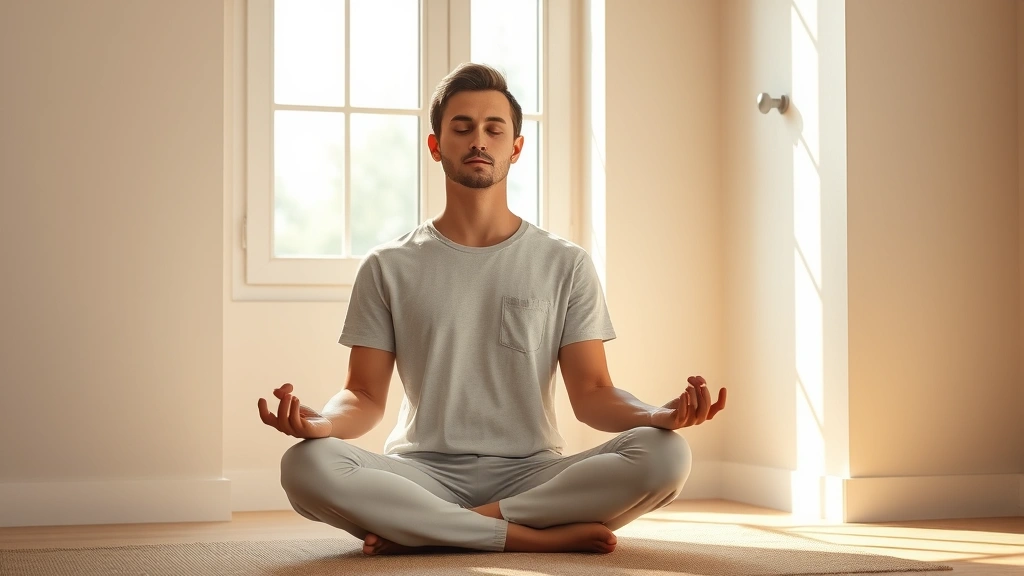
Beginning a mindfulness practice requires no special equipment, training, or previous experience. The simplest entry point is mindful breathing: sit comfortably, close your eyes, and focus attention on the sensation of breath moving in and out of your body. When your mind wanders—which it inevitably will—gently redirect attention back to the breath without self-criticism. Start with just five minutes daily and gradually increase duration as the practice becomes more natural.
Body scan meditation represents another accessible starting point. Lie down comfortably and systematically bring attention through different body regions, noticing sensations without trying to change them. This practice develops interoceptive awareness (sensitivity to internal bodily states) while inducing deep relaxation. Many people find body scans particularly helpful for falling asleep or managing chronic pain.
Mindful movement practices like gentle yoga or tai chi combine physical activity with mindfulness, making them appealing for people who struggle with sitting meditation. Walking meditation—slowly walking while focusing on the sensations of each step—offers another engaging alternative. The key is finding a practice format that resonates with your preferences and lifestyle.
Numerous apps and online resources provide guided meditations for beginners. Platforms like Insight Timer, Calm, and 10% Happier offer free and premium content for various experience levels. Local meditation centers and yoga studios often provide beginner-friendly classes. For more structured learning, formal MBSR or MBCT programs taught by certified instructors provide comprehensive training and community support.
Consistency matters more than duration. Research shows that regular short practice sessions (even 10-15 minutes daily) produce better results than occasional longer sessions. The brain changes associated with mindfulness appear gradually with consistent practice, typically becoming noticeable after 4-8 weeks. Many practitioners experience initial benefits like reduced anxiety or better sleep within days, while deeper changes in mood and resilience develop over months and years.
If you have severe mental health conditions, mindfulness should complement rather than replace professional treatment. Consider working with a therapist who understands both your specific condition and mindfulness practices. For conditions like bipolar disorder or psychosis, mindfulness requires careful adaptation and professional guidance. Your mental health provider can help determine whether mindfulness is appropriate for your situation and how to integrate it with other treatments.
Frequently Asked Questions
How quickly does mindfulness improve mental health?
Many people notice initial benefits like reduced anxiety or improved sleep within days or weeks of starting a mindfulness practice. More substantial improvements in depression, emotional regulation, and overall well-being typically emerge after 4-8 weeks of consistent practice. Long-term practitioners experience continued benefits that often increase over months and years. Individual responses vary based on practice consistency, meditation experience, and the specific mental health condition being addressed.
Is mindfulness effective for severe anxiety and depression?
Research demonstrates that mindfulness-based interventions produce moderate to large effect sizes for anxiety and depression, with effectiveness comparable to medication and standard therapy in many studies. However, severe cases often require professional mental health treatment, and mindfulness works best when integrated with therapy or medication rather than used as a sole treatment. Always consult with a mental health professional before replacing prescribed treatments with mindfulness alone.
Can mindfulness replace psychiatric medication?
While mindfulness shows effectiveness comparable to some medications for mild to moderate anxiety and depression, this doesn’t mean it can replace medication for everyone. Medication decisions should be made in consultation with psychiatrists who understand your specific condition, symptom severity, and medical history. Many people benefit from combining mindfulness with medication, which often produces better outcomes than either approach alone. Never stop psychiatric medication without professional guidance.
How much daily practice is necessary for mental health benefits?
Research suggests that 10-20 minutes of daily mindfulness practice produces measurable benefits for mental health. However, even shorter practices (5-10 minutes) show benefits when practiced consistently. The key factor is regularity rather than duration. More extensive practice (30+ minutes daily) may produce greater benefits, but consistency matters more than length. Formal practice should ideally be complemented by informal mindfulness—bringing moment-to-moment awareness to daily activities like eating, walking, or interacting with others.
What if I find meditation difficult or my mind won’t quiet?
A common misconception is that meditation requires a quiet, blank mind. In reality, mindfulness involves noticing your mind’s activity—including racing thoughts, distractions, and restlessness—without judgment. If your mind feels busy during meditation, that’s normal and actually provides valuable practice in redirecting attention. Many people find guided meditations easier than silent meditation. Movement-based practices like mindful walking or yoga may feel more natural. Consistency matters more than perfect meditation; even difficult practice sessions provide benefits.
Is mindfulness appropriate for children and adolescents?
Research supports mindfulness for children and teenagers, with benefits including improved attention, emotional regulation, and reduced anxiety and depression symptoms. School-based mindfulness programs show promising results for student well-being and academic performance. Practices should be age-appropriate—younger children benefit from shorter sessions (5-10 minutes) and playful approaches, while adolescents can engage with standard practices. Parents and teachers should introduce mindfulness positively without pressure, allowing children to develop their own relationship with the practice.