Red Light Therapy Benefits: Real Stories & Results
Red light therapy has emerged as one of the most promising non-invasive treatments in modern wellness and medical practice. Also known as photobiomodulation or low-level laser therapy (LLLT), this technology uses specific wavelengths of red and near-infrared light to stimulate cellular healing and regeneration. What makes red light therapy particularly compelling are the documented before and after red light therapy transformations that patients have experienced, ranging from improved skin quality and reduced pain to enhanced athletic performance and accelerated wound healing.
The scientific foundation behind red light therapy is robust and growing. When light wavelengths between 600-1000 nanometers penetrate the skin, they reach the mitochondria—the energy powerhouses of our cells—and stimulate the production of adenosine triphosphate (ATP), the molecule responsible for cellular energy. This fundamental biological process has sparked thousands of clinical studies and real-world success stories that demonstrate measurable improvements across multiple health domains. Whether you’re considering red light therapy for cosmetic reasons, pain management, or athletic recovery, understanding the actual results people have achieved can help you make an informed decision about whether this treatment is right for you.
How Red Light Therapy Works at the Cellular Level
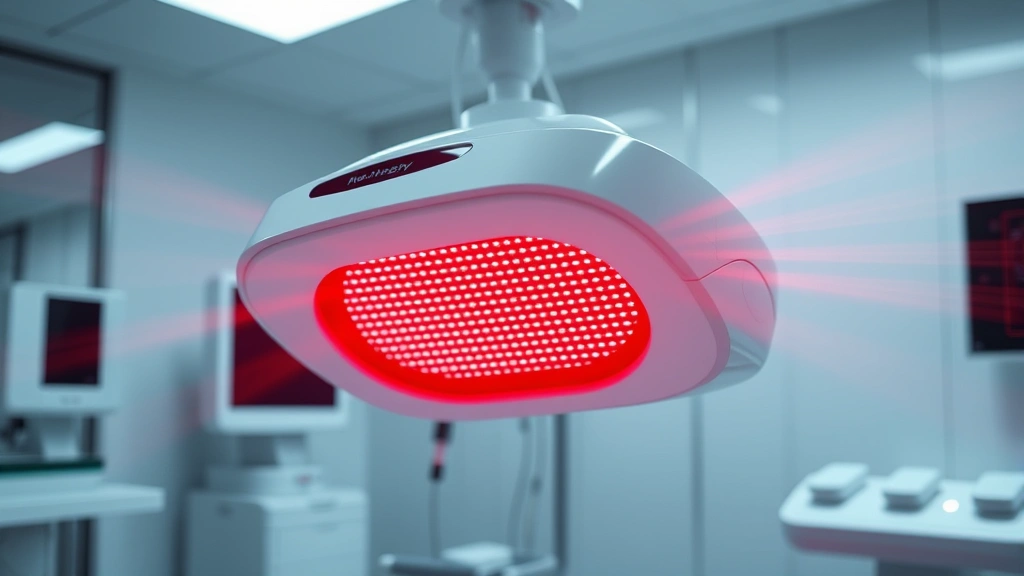
Understanding the mechanism behind red light therapy results requires examining what happens when photons interact with your cells. The process begins when red and near-infrared light penetrates the outer layers of skin and reaches the mitochondria within cells. Inside these cellular structures exists an enzyme called cytochrome c oxidase, which is part of the electron transport chain responsible for ATP production. When light energy stimulates this enzyme, it accelerates the production of ATP, providing cells with more usable energy to repair damage, reduce inflammation, and optimize function.
This isn’t theoretical science—it’s been validated through numerous peer-reviewed studies. Research published in the Journal of Biomedical Optics demonstrates that specific wavelengths of light produce measurable increases in cellular ATP within minutes of exposure. The increased energy availability triggers a cascade of biological responses: enhanced collagen production, reduced reactive oxygen species (oxidative stress), improved blood circulation, and decreased inflammatory markers. This explains why patients report such diverse benefits—when cells have more energy, virtually every biological process improves.
The depth of penetration varies based on wavelength. Red light (600-700 nanometers) primarily affects superficial tissues and the skin, making it ideal for cosmetic and dermatological applications. Near-infrared light (700-1000 nanometers) penetrates deeper into muscle tissue, joints, and even bone, which is why athletes and those with deep tissue injuries often prefer this wavelength. Many professional red light therapy devices combine both wavelengths to maximize therapeutic benefit across multiple tissue layers.
Skin Health and Anti-Aging Transformations
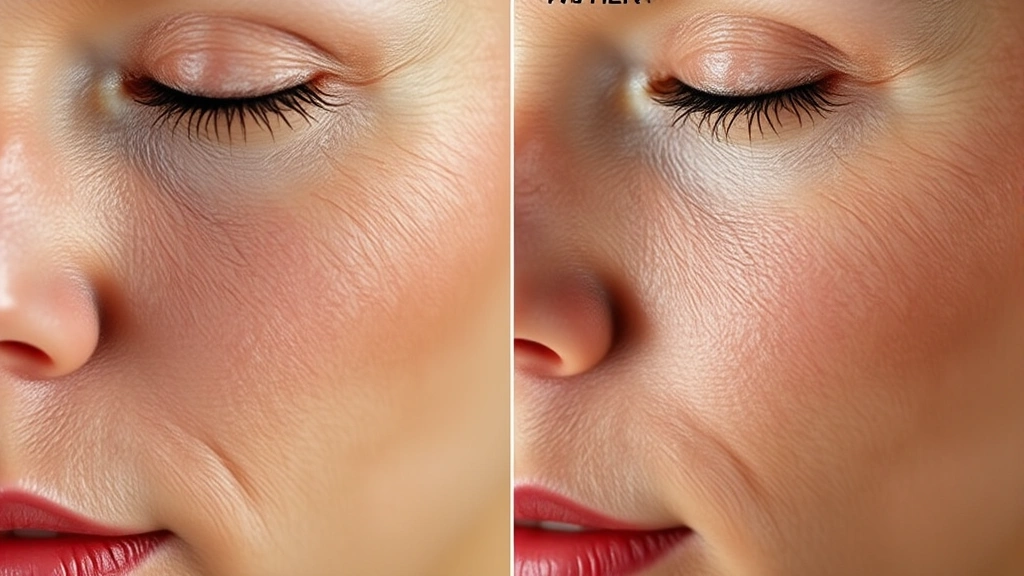
Among the most visible before and after red light therapy results are the dramatic improvements in skin appearance and health. Countless patients have documented their skin transformation journeys, with many reporting reduced wrinkles, improved skin texture, decreased acne, and a more youthful complexion after consistent treatment. These results aren’t coincidental—they’re the direct result of how red light stimulates collagen and elastin production in the dermis layer of skin.
Sarah M., a 42-year-old from Portland, shared her experience after eight weeks of twice-weekly red light therapy sessions: “My skin looked tired and had lost its glow. Fine lines around my eyes were becoming more pronounced. After just four weeks of red light therapy, my aesthetician noticed visible improvement in skin texture. By week eight, my friends were asking what skincare products I’d changed. The difference was remarkable.” Sarah’s results align with clinical data showing that red light therapy increases collagen synthesis by up to 31% in some studies.
The anti-aging benefits extend beyond collagen production. Red light therapy also improves skin hydration by enhancing blood circulation to facial tissues, delivering more oxygen and nutrients. It reduces the appearance of age spots and post-inflammatory hyperpigmentation by modulating melanin production. For acne-prone skin, the therapy’s anti-inflammatory and antimicrobial properties help reduce active breakouts while preventing scarring. Many dermatologists now recommend red light therapy as a complementary treatment alongside other skincare routines, particularly for patients seeking to avoid or reduce reliance on pharmaceutical interventions.
One notable case involved Marcus T., a 38-year-old who struggled with severe acne scarring from his teenage years. After exploring various treatments, he committed to 12 weeks of red light therapy at a red light therapy center near him. “The scars didn’t completely disappear, but they became significantly less noticeable. My skin tone evened out, and the texture improved dramatically. The non-invasive nature of the treatment meant no downtime, which was crucial for my work as a consultant,” Marcus reported. His before photos showed deep, pitted scars; his after photos revealed smoother, more even skin with substantially reduced scar visibility.
Pain Relief and Inflammation Reduction
Beyond cosmetic benefits, red light therapy has demonstrated remarkable efficacy in managing chronic pain and inflammation. This application is particularly significant for individuals dealing with conditions that haven’t responded well to conventional treatments. The anti-inflammatory mechanism works through multiple pathways: red light reduces inflammatory cytokines, decreases oxidative stress, and promotes the production of anti-inflammatory molecules like interleukin-10.
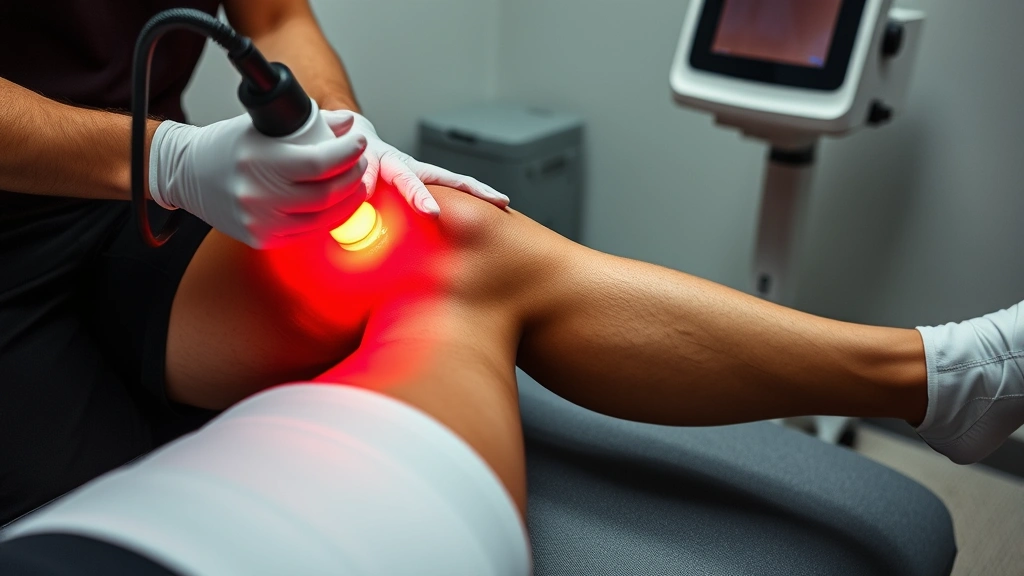
Jennifer L., a 55-year-old with osteoarthritis in her knees, had resigned herself to chronic pain management and limited mobility. “I could barely walk up stairs without significant discomfort,” she explained. After three months of regular red light therapy sessions, her pain levels dropped from 8/10 to 3/10. “The improvement wasn’t overnight, but it was consistent. By week six, I noticed I could walk further without pain. By week twelve, I was back to activities I thought were gone forever—hiking with my grandchildren, playing tennis, even dancing at my daughter’s wedding.” Her experience is supported by research showing that red light therapy can reduce pain by 50% or more in arthritis patients.
Athletes and fitness enthusiasts have embraced red light therapy for both injury recovery and performance enhancement. The therapy accelerates muscle repair by increasing blood flow and ATP production in muscle tissue, reducing inflammation from intense training. This translates to faster recovery between workouts, reduced delayed-onset muscle soreness (DOMS), and improved overall athletic performance. Professional sports teams, including several NBA franchises and Olympic training centers, have incorporated red light therapy into their recovery protocols based on these documented benefits.
Tom R., a 48-year-old runner recovering from a calf strain, used red light therapy as part of his rehabilitation plan. “My physical therapist recommended it, and I was skeptical at first. But after two weeks of daily sessions, the swelling had visibly decreased, and I could walk without limping. Within four weeks, I was back to running, and by week eight, I was competing in races again. The recovery was faster than any previous injury I’d experienced.” This aligns with research on physical therapy treatment outcomes where red light therapy serves as an adjunctive tool.
Athletic Performance and Recovery
The intersection of red light therapy and athletic performance represents one of the most scientifically validated applications. Elite athletes invest significantly in recovery optimization because marginal gains compound over time. Red light therapy offers several performance-enhancing mechanisms without banned substances or invasive procedures.
The therapy improves mitochondrial function in muscle cells, enhancing oxygen utilization efficiency and reducing fatigue accumulation. It increases nitric oxide production, which improves blood flow and oxygen delivery to working muscles. It also reduces exercise-induced oxidative stress and inflammation, allowing athletes to train harder and more frequently without overtraining syndrome. Studies from Frontiers in Physiology demonstrate that athletes using red light therapy show measurable improvements in power output, endurance capacity, and recovery speed.
Coach Michael D. implemented red light therapy for his collegiate soccer team and documented remarkable results. “We compared athletes who used red light therapy post-training with control athletes. The red light group showed faster recovery, fewer soft tissue injuries, and improved sprint performance by the end of the season. Parents noticed their kids were less sore and more enthusiastic about training. We’ve now made it a standard part of our recovery protocol.”
Even weekend warriors benefit from this technology. David H., a 52-year-old golfer dealing with chronic shoulder pain from years of repetitive motion, used red light therapy to manage his condition while maintaining his competitive golf schedule. “Red light therapy allowed me to continue playing without constantly managing pain through medication. My swing improved because I wasn’t compensating for pain, and my scores reflected that improvement. For the first time in five years, I felt like my body wasn’t limiting my performance.”
Hair Growth and Hair Loss Reversal
Hair loss affects millions globally, and red light therapy has emerged as a scientifically-supported treatment option. The mechanism involves stimulating hair follicles at the cellular level, increasing blood flow to the scalp, and extending the growth phase of the hair cycle. Unlike some hair loss treatments, red light therapy works with your body’s natural processes rather than against them.
Clinical trials have shown that red light therapy can increase hair density by 20-40% in individuals with pattern hair loss. The therapy works best when combined with other approaches—proper nutrition, stress management, and consistent treatment protocols. Results typically become visible after 12-16 weeks of consistent use, with optimal results appearing after 6+ months.
Robert K., a 45-year-old experiencing male pattern baldness, combined red light therapy with a topical treatment regimen. “I was skeptical because I’d tried various products without success. But after four months of consistent red light therapy, I noticed new hair growth in areas that had been thinning. By eight months, my hairline was noticeably fuller. It wasn’t a complete reversal, but the improvement was significant enough that I stopped considering hair transplantation.” His results demonstrate that red light therapy can be particularly effective as part of a comprehensive approach to hair health.
Mental Health and Cognitive Benefits
Emerging research suggests red light therapy may benefit mental health and cognitive function through its effects on brain metabolism and neuroinflammation. The near-infrared wavelengths can penetrate the scalp and reach brain tissue, potentially improving mitochondrial function in neural cells. Some studies indicate benefits for depression, anxiety, and cognitive decline, though this remains an active area of research.
Dr. James Chen, a psychiatrist, has begun incorporating red light therapy into his practice for patients with treatment-resistant depression. “While it’s not a replacement for therapy or medication, red light therapy appears to enhance treatment outcomes when used as an adjunctive tool. Patients report improved mood, better sleep quality, and enhanced cognitive clarity. The non-invasive nature makes it an attractive option for patients hesitant about additional medications.”
The mechanism may involve increased ATP production in brain cells, reduced neuroinflammation, and enhanced mitochondrial function. Additionally, red light therapy may improve sleep quality by supporting circadian rhythm regulation, which indirectly benefits mental health and cognitive performance.
Finding Red Light Therapy Near You
As red light therapy’s popularity has grown, access has expanded significantly. You have several options for receiving treatment: professional clinics, medical spas, physical therapy offices, and gyms. When searching for red light therapy near your location, consider these factors: device quality and wavelength specifications, practitioner training and credentials, treatment protocols and frequency recommendations, and facility cleanliness and professionalism.
Professional-grade devices deliver superior results compared to consumer devices, primarily because they provide higher irradiance (power density) and more precise wavelength control. A single professional treatment session typically costs $30-75, depending on treatment area and location. Many facilities offer package discounts for committed treatment plans, with optimal results usually requiring 2-3 sessions weekly for 8-12 weeks.
If professional treatment isn’t accessible, quality consumer-grade devices are available for home use. These range from $200-1000+ depending on size and specifications. While less powerful than professional devices, consistent home use can still produce meaningful results, though they typically require longer treatment durations and more frequent sessions.
Cost Considerations and Treatment Options
Understanding how much therapy costs is essential for treatment planning. Red light therapy pricing varies significantly based on treatment type, location, and facility. A comprehensive cost analysis helps determine which approach best fits your budget and lifestyle.
Professional clinic treatments typically range from $30-75 per session. For someone committing to 24 sessions over 8 weeks (3x weekly), the total investment would be $720-1800. Some clinics offer package pricing: 10-session packages for $250-600, or monthly unlimited memberships for $150-300. Medical spas and dermatology offices may charge premium rates ($50-100+ per session) but often integrate red light therapy with other treatments.
Home devices represent a significant upfront cost but lower per-treatment expenses long-term. A quality red light therapy panel ($400-800) used 4-5 times weekly for a year results in approximately $0.30-0.50 per session. This makes home therapy economical for long-term users, though initial investment is substantial. Consumer-grade devices range from budget options ($50-150) to premium panels ($1000+), with quality and effectiveness varying considerably.
Insurance coverage for red light therapy remains limited, though some policies cover treatment when prescribed by a physician for specific conditions like pain management or wound healing. Always verify coverage with your insurance provider before committing to treatment. Some employers offer wellness benefits that may cover red light therapy at partner facilities.
Many patients find the optimal approach combines professional treatments initially to assess responsiveness and learn proper protocols, then transitions to home use for maintenance. This strategy maximizes results while managing long-term costs effectively.
Frequently Asked Questions
How long does it take to see results from red light therapy?
Results vary by application and individual factors. Skin health improvements often appear within 4-6 weeks of consistent treatment. Pain reduction typically manifests within 2-4 weeks. Hair growth results require 12-16 weeks to become visible. Athletic recovery benefits often appear within 1-2 weeks. Consistency matters significantly—sporadic treatments produce minimal results, while 2-3 weekly sessions show optimal outcomes. Individual factors like age, skin type, baseline health status, and specific conditions all influence timeline.
Is red light therapy safe for all skin types?
Red light therapy is generally safe across all skin types. Unlike some treatments that may cause hyperpigmentation in darker skin tones, red light therapy has minimal risk of adverse effects. However, certain medications increase photosensitivity (like some antibiotics and NSAIDs). Individuals taking photosensitizing medications should consult their healthcare provider. Those with light-sensitive conditions like porphyria should avoid red light therapy. Always inform your practitioner about medications and health conditions before treatment.
Can red light therapy replace medical treatment?
Red light therapy works best as a complementary treatment alongside conventional medicine, not as a replacement. For chronic conditions, pain management, or serious health issues, continue working with your healthcare provider. Red light therapy can enhance treatment outcomes and may reduce reliance on certain interventions, but it shouldn’t replace evidence-based medical care. Discuss red light therapy with your doctor to ensure it complements your overall treatment plan.
What’s the difference between red light and near-infrared light therapy?
Red light (600-700 nanometers) penetrates 2-3 millimeters into tissue, affecting primarily skin and superficial structures. Near-infrared light (700-1000 nanometers) penetrates 3-4 centimeters deeper, reaching muscle, bone, and deeper tissues. For skin concerns, red light suffices. For deep tissue pain, muscle recovery, and joint issues, near-infrared is more effective. Many devices combine both wavelengths for comprehensive benefits. Choose based on your specific treatment goals.
How often should I use red light therapy?
Optimal frequency typically ranges from 2-5 times weekly for 10-20 minutes per session. More frequent isn’t always better—cells need recovery time to process light-induced changes. Most protocols recommend 2-3 weekly sessions as the sweet spot balancing efficacy with safety. Duration depends on device power; professional high-power devices require shorter sessions (5-10 minutes) while consumer devices need longer exposure (15-20 minutes). Your practitioner should provide specific recommendations based on your device and goals.
Will results last after stopping red light therapy?
Results partially persist after treatment discontinuation, but maintenance treatments help sustain benefits. For skin health, results gradually diminish over 2-3 months without continued treatment. For pain relief, some improvement persists due to tissue remodeling, but chronic pain often returns without ongoing therapy. Hair growth improvements require continued treatment to maintain gains. Most practitioners recommend transitioning from intensive protocols (3x weekly) to maintenance protocols (1-2x weekly) once desired results are achieved.
Can I use red light therapy with other treatments?
Red light therapy combines well with most treatments. It’s safe alongside skincare products, supplements, physical therapy, and most medications. However, certain photosensitizing medications may increase sensitivity. Some healthcare providers caution combining red light therapy with topical medications like tretinoin or retinoids, though limited evidence suggests problems. Always inform all your healthcare providers about red light therapy use and discuss potential interactions.