

Can Physical Therapy Boost Mindfulness? Expert Insights
The intersection of physical rehabilitation and mental wellness has become increasingly compelling in modern healthcare. Many patients undergoing therapy and wellness resources report unexpected psychological benefits alongside their physical recovery. This phenomenon raises an important question: can the structured, body-focused work of physical therapy genuinely enhance mindfulness and mental clarity?
Recent clinical observations and emerging research suggest that physical therapy may indeed cultivate deeper mindfulness when approached with intentional awareness. Unlike passive treatments, active physical therapy requires sustained attention to bodily sensations, movement patterns, and breathing—core elements of mindfulness practice. The therapeutic relationship between therapist and patient, combined with the deliberate focus required during rehabilitation, creates an ideal environment for developing present-moment awareness.
This comprehensive exploration examines how physical therapy mechanisms align with mindfulness principles, supported by expert insights and scientific evidence. We’ll investigate the neurological pathways involved, practical applications, and how professionals integrate these approaches to maximize patient outcomes.
Understanding the Mind-Body Connection in Physical Therapy
Physical therapy fundamentally operates on the principle that the body and mind are inseparably linked. This holistic perspective has ancient roots but gained scientific validation through modern neuroscience research. When therapists work with patients on movement patterns, muscle engagement, and postural awareness, they’re simultaneously activating neural networks associated with self-awareness and emotional regulation.
The concept of embodied cognition—the idea that cognitive processes are deeply rooted in the body’s interactions with the world—underpins this connection. During physical therapy sessions, patients must consciously attend to sensations they normally ignore: muscle tension, joint position, breathing patterns, and proprioceptive feedback. This mandatory attention creates a natural gateway to mindfulness, as the mind becomes anchored in present-moment bodily experience rather than ruminating about past injuries or future anxieties.
Research from institutions like the American Psychological Association demonstrates that body-focused interventions significantly reduce anxiety and depression symptoms. Physical therapy shares similar mechanisms with established somatic therapies, which explicitly use bodily awareness as a pathway to psychological healing. When patients engage in physical therapy for headaches, for instance, they often discover that tension patterns correlate with stress and emotional states—a revelation that naturally encourages mindful observation of the mind-body relationship.
Proprioceptive awareness—the sense of where your body exists in space—becomes heightened during rehabilitation. This heightened proprioception is essentially a form of embodied mindfulness, where the nervous system recalibrates its relationship with movement and sensation. Therapists working with patients on range-of-motion exercises, balance training, or functional movement patterns are simultaneously training the brain to maintain focused attention on internal bodily signals.
How Physical Therapy Cultivates Present-Moment Awareness
Mindfulness is fundamentally about experiencing the present moment without judgment. Physical therapy inherently demands this quality of attention. When a patient performs a therapeutic exercise, they cannot simultaneously worry about work deadlines or ruminate about past mistakes—the body’s feedback demands immediate, undivided attention.
During a typical session, a therapist might guide a patient through movements while directing attention to specific sensations: "Notice the stretch in your hamstring. Observe how your core engages as you lift. Feel your weight distributing through your feet." This guided attention is virtually identical to mindfulness meditation instruction, except the focus object is the moving body rather than the breath alone. The patient learns to observe sensations without judgment—a pain signal isn’t "bad," it’s simply information about current capacity and healing progress.
The repetitive nature of therapeutic exercise also supports mindfulness development. Unlike goal-oriented gym workouts focused on external metrics, physical therapy emphasizes quality of movement and internal awareness. Performing the same exercise multiple times with conscious attention builds what researchers call "mindful repetition," where routine actions become opportunities for deeper presence rather than autopilot behavior.
The therapeutic relationship itself facilitates mindfulness. A skilled therapist provides a judgment-free environment where patients can safely explore their physical and emotional responses to movement. This acceptance mirrors the non-judgmental stance central to mindfulness practice. Patients learn that their body’s signals—including pain, fatigue, or emotional responses—deserve compassionate attention rather than resistance or avoidance.
Additionally, physical therapy often requires patients to confront limiting beliefs about their capabilities. As they gradually expand their range of motion or strength, they witness direct evidence of change and progress. This experiential learning reinforces the mindfulness principle that present-moment engagement creates positive transformation, rather than rumination or worry about imagined limitations.

Neurological Mechanisms Behind Therapy-Induced Mindfulness
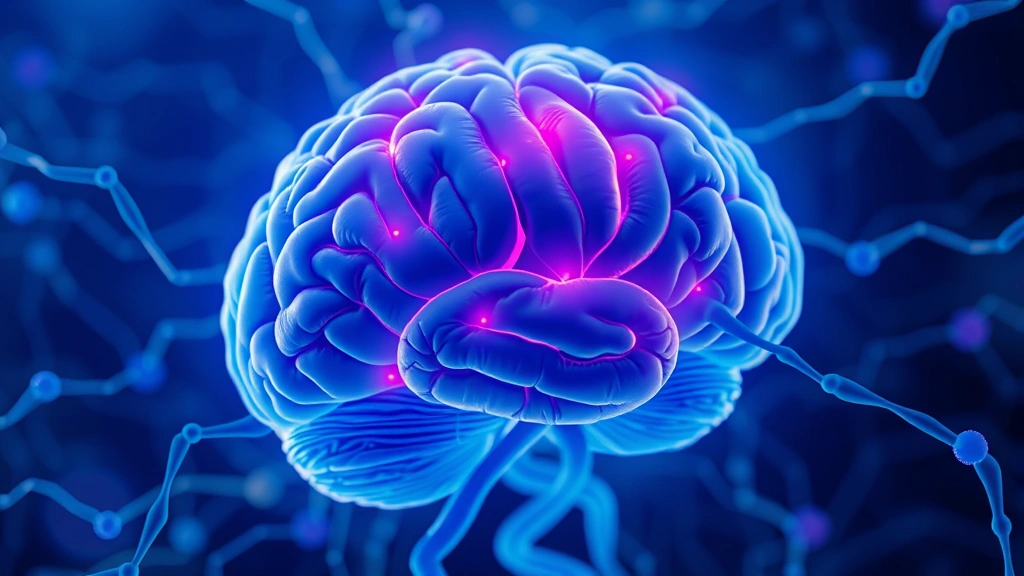
The neuroscience underlying the physical therapy-mindfulness connection reveals sophisticated brain mechanisms. When patients engage in focused movement with conscious attention, they activate the default mode network (DMN)—the brain region responsible for self-referential thinking and mind-wandering. Paradoxically, mindfulness practice, including movement-based mindfulness, actually reduces DMN activity, quieting the mind’s tendency toward rumination.
Research published by Nature Neuroscience demonstrates that sustained attention to bodily sensations strengthens connections between the insula (which processes bodily awareness) and the prefrontal cortex (responsible for executive function and emotional regulation). Physical therapy naturally strengthens these neural pathways, creating lasting improvements in emotional resilience and stress management.
The vagus nerve, which extends from the brainstem through the body, plays a crucial role in this process. Certain physical therapy movements—particularly those involving breathing integration, gentle stretching, and rhythmic motion—activate the parasympathetic nervous system through vagal stimulation. This physiological shift creates the calm, grounded state associated with mindfulness meditation. Patients literally feel the difference in their nervous system state, making the mind-body connection tangible and undeniable.
Neuroplasticity—the brain’s ability to reorganize and form new neural connections—enables these changes to become permanent with consistent practice. Each therapy session reinforces neural patterns associated with present-moment awareness, body trust, and emotional regulation. Over time, patients develop what neuroscientists call an "enhanced interoceptive awareness," meaning they become naturally more attuned to internal bodily signals, a hallmark of mindfulness.
Mirror neurons also contribute to this process. When therapists model mindful movement and present-moment awareness, patients’ mirror neuron systems activate, allowing them to internalize these patterns neurologically. This explains why working with a skilled, present therapist produces different results than following exercise videos alone—the human connection and demonstrated awareness create neural resonance.
The hippocampus, essential for memory formation and emotional processing, also benefits from movement-based mindfulness. Physical therapy that integrates mindful awareness has been shown to increase hippocampal volume in some studies, suggesting structural brain changes that support better emotional regulation and stress resilience.
Practical Applications for Enhanced Wellness
Integrating mindfulness principles into physical therapy requires intentional modification of standard rehabilitation protocols. Forward-thinking clinics are implementing several evidence-based strategies to maximize mindfulness cultivation during treatment.
Breathwork Integration: Therapists increasingly guide patients to synchronize breathing with movement. Rather than holding breath during difficult exercises, patients learn to inhale during easier phases and exhale during challenging movements. This coordination anchors attention to the present moment while optimizing muscle activation and reducing unnecessary tension.
Body Scanning During Sessions: Before beginning active exercises, therapists guide patients through brief body scans—systematically bringing attention through different body regions. This practice establishes the foundation for mindful movement, helping patients recognize baseline tension patterns and emotional holding.
Pain Reframing: Rather than viewing pain solely as something to eliminate, mindfulness-integrated physical therapy teaches patients to observe pain sensations with curiosity. This doesn’t mean ignoring pain signals, but rather developing a different relationship with discomfort. Patients learn to distinguish between pain indicating harm versus pain signaling therapeutic challenge. This reframing reduces fear-avoidance patterns that often prolong recovery.
For those exploring complementary mental health approaches, understanding how cognitive behavioral therapy for generalized anxiety disorder works alongside physical interventions provides additional perspective on integrated treatment approaches.
Mindful Movement Protocols: Some clinics adopt slow, deliberate movement patterns reminiscent of tai chi or yoga. These approaches maintain therapeutic effectiveness while emphasizing quality over quantity, naturally promoting present-moment awareness throughout the session.
Environmental Optimization: Creating calm, distraction-free therapy spaces supports mindfulness development. Soft lighting, minimal noise, and comfortable temperatures reduce environmental stimuli competing for attention, allowing patients to maintain focus on internal sensations.
Self-Awareness Journaling: Therapists increasingly recommend that patients journal about their physical therapy experiences, noting not just exercises performed but emotional responses, sensations observed, and insights gained. This practice extends mindfulness beyond the therapy session into daily life, reinforcing neural patterns of body awareness.
For those dealing with trauma-related conditions, exploring therapy for narcissistic abuse alongside physical rehabilitation can address both psychological and somatic dimensions of healing, as trauma often manifests as physical tension and disconnection from bodily sensations.
Expert Recommendations and Integration Strategies
Leading physical therapists and mindfulness researchers offer consistent recommendations for maximizing the mindfulness benefits of rehabilitation. Dr. James Doyle, a prominent physical medicine specialist, emphasizes that "the quality of attention during therapy matters more than the quantity of exercises performed." This principle shifts focus from rushing through prescribed movements to engaging deeply with each motion.
Professional organizations increasingly recognize this integration. The American Physical Therapy Association has begun incorporating mindfulness training into continuing education requirements, acknowledging the evidence base for this integrated approach. Therapists trained in both disciplines report superior patient outcomes across multiple measures: faster recovery times, reduced pain perception, improved emotional wellbeing, and better long-term adherence to home exercise programs.
For career professionals in this field, exploring occupational therapy assistant jobs near me can reveal positions specifically emphasizing mind-body integration and holistic patient care approaches.
Creating a Personal Practice: Experts recommend that patients extend mindfulness beyond scheduled therapy sessions through daily practice. Even ten minutes of mindful movement—walking slowly, stretching deliberately, or performing prescribed exercises with full attention—maintains neural activation and reinforces therapeutic gains. This home practice becomes especially crucial during recovery phases when formal therapy sessions decrease in frequency.
Measuring Subjective Experience: Rather than focusing exclusively on objective metrics like range of motion or strength gains, mindfulness-integrated physical therapy values subjective reports of body awareness, emotional state, and quality of life. Therapists increasingly use validated scales measuring interoceptive awareness and psychological wellbeing alongside traditional rehabilitation measures.
Collaborative Care Models: The most successful outcomes emerge when physical therapists collaborate with mental health professionals. A patient working with a therapist on couples therapy or other psychological treatment benefits from coordinated messaging about mind-body integration, creating reinforcing patterns across multiple treatment modalities.
Personalized Pacing: Expert therapists recognize that mindfulness cannot be forced. Rather than imposing rigid protocols, skilled practitioners adjust their approach based on individual patient readiness and capacity. Some patients naturally gravitate toward mindfulness integration, while others require gentle introduction to these concepts. Honoring this variation increases acceptance and effectiveness.
Long-Term Integration: The ultimate goal extends beyond recovery from acute injury. Mindfulness-enhanced physical therapy cultivates lifelong patterns of body awareness, stress management, and self-care. Patients who develop these capacities during rehabilitation often maintain them through ongoing movement practices—yoga, tai chi, walking, or continued therapeutic exercise—that sustain both physical and mental health.
Research from the National Center for Biotechnology Information shows that patients who maintain mindful movement practices post-rehabilitation demonstrate significantly lower rates of re-injury and superior long-term functional outcomes compared to those who simply complete prescribed exercises without mindfulness integration.
FAQ
How long does it take to experience mindfulness benefits from physical therapy?
Most patients report noticing increased body awareness within 3-5 sessions when working with therapists who explicitly integrate mindfulness principles. However, deeper shifts in stress resilience and emotional regulation typically develop over 8-12 weeks of consistent practice. The timeline varies based on individual factors including prior meditation experience, injury severity, and daily practice engagement.
Can physical therapy replace meditation for developing mindfulness?
Physical therapy can significantly enhance mindfulness, but most experts recommend combining both approaches for optimal results. Meditation develops mental clarity and attention regulation, while physical therapy develops embodied awareness and nervous system resilience. Together, they create complementary benefits that exceed what either approach alone provides.
What types of physical therapy conditions benefit most from mindfulness integration?
Chronic pain conditions, anxiety-related physical tension, post-traumatic stress with somatic components, and conditions involving movement avoidance respond particularly well to mindfulness-integrated approaches. However, virtually all physical therapy patients benefit from increased present-moment awareness during treatment.
How do I find a physical therapist trained in mindfulness integration?
Look for therapists with credentials in mindfulness-based interventions, somatic therapy training, or those explicitly mentioning mind-body approaches in their practice descriptions. Professional organizations like the American Physical Therapy Association maintain directories of specialists in integrative approaches. Asking potential therapists about their mindfulness training directly provides clarity on their expertise.
Is mindfulness-integrated physical therapy appropriate for all ages?
Yes, mindfulness-integrated physical therapy can be adapted for all age groups from pediatric to geriatric populations. Therapists adjust language, pacing, and concepts to match developmental stages and cognitive abilities, making these approaches universally accessible.
Can mindfulness help with physical therapy compliance?
Absolutely. Patients who develop mindfulness during therapy sessions report significantly higher adherence to home exercise programs. The enhanced body awareness and reduced pain perception make exercises feel less burdensome and more intrinsically rewarding, naturally increasing compliance and long-term success.