

Is Mindfulness Effective in Physical Therapy? Insights
Mindfulness has become increasingly integrated into modern healthcare practices, and physical therapy is no exception. Patients recovering from injuries, managing chronic pain, or working toward rehabilitation goals are discovering that combining mindfulness techniques with traditional physical therapy can enhance outcomes and accelerate healing. This comprehensive guide explores the evidence behind mindfulness in physical therapy, its applications, and how practitioners in Staten Island and beyond are leveraging these techniques to transform patient care.
The intersection of mental and physical health has never been more relevant. When patients engage in mindfulness practices during physical therapy sessions, they develop greater body awareness, reduce anxiety about their condition, and build resilience against pain perception. Understanding how mindfulness works alongside conventional therapy protocols can help patients make informed decisions about their rehabilitation journey.
What Is Mindfulness and How Does It Work?
Mindfulness is the practice of maintaining present-moment awareness without judgment, a concept rooted in Buddhist meditation traditions but now supported by extensive Western scientific research. In the context of physical therapy, mindfulness involves patients becoming consciously aware of their body sensations, movements, and emotional responses during rehabilitation exercises.
The mechanism behind mindfulness effectiveness operates through several pathways. When individuals practice mindfulness, they activate the parasympathetic nervous system, which promotes relaxation and recovery. This physiological shift reduces muscle tension, decreases cortisol levels, and creates an optimal environment for tissue healing. Additionally, mindfulness helps patients develop what researchers call interoceptive awareness—the ability to accurately perceive internal bodily sensations—which is crucial for proper movement patterns and injury prevention.
Unlike distraction-based coping strategies, mindfulness encourages patients to observe their pain or discomfort with curiosity rather than resistance. This fundamental shift in perspective can dramatically alter how the brain processes pain signals, potentially reducing the perceived intensity of discomfort during therapy sessions.

The Science Behind Mindfulness in Physical Therapy
Numerous peer-reviewed studies demonstrate mindfulness’s effectiveness in physical therapy contexts. Research published in the Journal of Pain Research shows that mindfulness-based interventions reduce chronic pain intensity by an average of 20-30% and improve functional mobility in patients recovering from orthopedic injuries.
A landmark study from JAMA Network examining mindfulness-based stress reduction (MBSR) found that participants experienced significant improvements in pain catastrophizing—the tendency to anticipate worst-case scenarios about pain. This reduction in catastrophizing directly correlates with better therapy adherence and faster recovery timelines. The research indicates that mindfulness literally changes brain structure in regions associated with pain processing, including the anterior cingulate cortex and the insula.
Neuroimaging studies reveal that regular mindfulness practice increases gray matter density in areas responsible for emotional regulation and self-awareness. These neuroplastic changes mean that patients who incorporate mindfulness into their therapy regimen develop lasting improvements in their ability to manage discomfort and maintain motivation throughout rehabilitation.
The American Psychological Association recognizes mindfulness as an evidence-based practice for managing various conditions, including chronic pain and anxiety disorders that often accompany physical injuries. This scientific validation has led major healthcare institutions to integrate mindfulness training into their physical therapy programs.
Key Benefits for Rehabilitation Patients
Patients undergoing physical therapy benefit from mindfulness in multiple measurable ways. First, mindfulness significantly improves exercise adherence. When patients practice mindfulness during their therapy sessions, they become more engaged with the work, developing intrinsic motivation rather than relying solely on external pressure to complete exercises. This heightened engagement translates to better long-term outcomes.
Second, mindfulness reduces anxiety and fear-avoidance behaviors that often hinder recovery. Many patients develop anticipatory anxiety about their therapy sessions, worried that exercises will increase pain or cause re-injury. Mindfulness helps patients distinguish between actual tissue damage and the anxiety-amplified sensation of discomfort, enabling them to progress through rehabilitation with greater confidence.
Third, mindfulness enhances proprioception and kinesthetic awareness. Patients who practice mindfulness develop superior understanding of their body position in space and movement quality. This improved body awareness directly translates to better exercise form, more efficient movement patterns, and reduced re-injury risk. Physical therapists consistently report that mindful patients demonstrate faster motor learning and better retention of corrective movement strategies.
Fourth, mindfulness promotes faster recovery from delayed-onset muscle soreness (DOMS) and post-exercise inflammation. The parasympathetic activation triggered by mindfulness accelerates the body’s natural healing processes, meaning patients experience less soreness and can progress their therapy intensity more rapidly.
Practical Mindfulness Techniques in Physical Therapy
Effective mindfulness in physical therapy takes many forms. Body scan meditation is one of the most practical techniques, where patients systematically bring awareness to different body regions during or between therapy sessions. This practice enhances interoceptive awareness and helps patients identify areas of tension or restriction that might otherwise go unnoticed.
Breathing-based mindfulness is another cornerstone technique. Practitioners teach patients to use controlled breathing patterns to modulate their nervous system response. Techniques like box breathing (inhaling for four counts, holding for four, exhaling for four, holding for four) can be performed during therapy exercises to reduce pain perception and maintain calm focus.
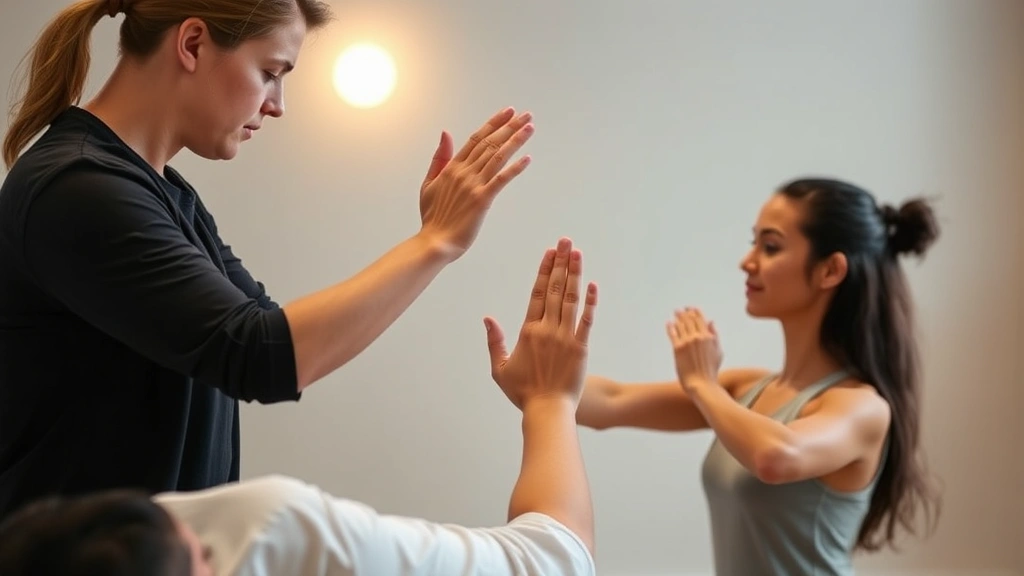
Movement-based mindfulness, or mindful movement, involves performing therapy exercises with complete present-moment attention. Rather than mechanically completing repetitions, patients focus on the sensation of muscles contracting, joints moving, and their breathing synchronizing with movement. This transforms routine exercises into powerful mind-body interventions.
Many physical therapy clinics now incorporate guided mindfulness sessions at the beginning of appointments. These typically last 5-10 minutes and prepare patients mentally and physiologically for their therapy work. Some clinics use recorded audio guides, while others have therapists lead sessions directly.
Mindfulness for Chronic Pain Management
Chronic pain presents unique challenges in physical therapy, as patients often develop complex relationships with their discomfort. Mindfulness-based cognitive therapy (MBCT) has proven particularly effective for chronic pain patients. Unlike traditional pain management approaches that focus on eliminating pain, MBCT helps patients change their relationship with persistent pain, reducing suffering even when pain sensations remain.
The distinction between pain and suffering is crucial. Pain is a sensory experience; suffering is the emotional and cognitive interpretation of that sensation. Mindfulness allows patients to observe pain sensations without the layer of catastrophic thinking, anxiety, and avoidance that typically amplifies suffering. Research shows this shift can reduce functional disability by 30-40% in chronic pain populations.
For patients with conditions like fibromyalgia, persistent low back pain, or post-surgical pain syndrome, mindfulness provides tools to manage their condition without escalating medication dependence. This is particularly important given the CDC’s guidelines on opioid use, which emphasize non-pharmacological pain management strategies.
When integrated with physical therapy, mindfulness helps chronic pain patients gradually increase their activity levels without triggering fear-avoidance cycles. Patients learn to distinguish between pain that signals tissue damage (requiring caution) and pain that simply reflects sensitized nervous system activity (which improves with gradual activity increase).
Integration with Traditional Therapy Approaches
Mindfulness works synergistically with established physical therapy methodologies. When combined with manual therapy techniques like soft tissue mobilization or joint mobilization, mindfulness helps patients relax their muscles more completely, allowing therapists to work more effectively. Patients who are mentally calm and present tend to have reduced muscle guarding, enabling deeper, more therapeutic tissue work.
Mindfulness also enhances the effectiveness of therapeutic exercise protocols. Whether a patient is working through a post-operative rehabilitation program, recovering from a sports injury, or managing degenerative joint disease, adding mindfulness to their exercise regimen amplifies results. Studies show that mindful exercise produces greater strength gains and functional improvements compared to identical exercises performed without mindfulness.
The integration doesn’t require specialized training or equipment. Physical therapists can incorporate mindfulness principles into existing treatment protocols by encouraging patients to focus on the sensations of movement, maintain present-moment awareness, and breathe consciously during exercises. Many therapists find that simply cueing patients to “notice the sensation of your muscles working” or “feel your foot connecting with the ground” activates mindfulness without requiring formal meditation instruction.
For those seeking online physical therapy schools or advanced training, modern curriculum increasingly includes mindfulness-based interventions. This reflects the growing recognition that comprehensive physical therapy requires attention to both physical and psychological dimensions of healing.
Physical Therapy Options in Staten Island
Staten Island residents have access to numerous physical therapy clinics, and an increasing number now incorporate mindfulness into their treatment offerings. When seeking physical therapy Staten Island services, patients should look for clinics that recognize the mind-body connection in rehabilitation.
Progressive physical therapy practices in the Staten Island area recognize that effective rehabilitation addresses both tissue healing and psychological factors affecting recovery. Some clinics employ therapists trained in mindfulness-based interventions or employ occupational therapists who integrate mindfulness with functional rehabilitation.
When evaluating physical therapy options, patients should ask whether clinics offer mindfulness-based components, whether therapists have training in pain neuroscience education, and whether treatment protocols address anxiety and pain catastrophizing. These indicators suggest a clinic uses evidence-based, comprehensive approaches to rehabilitation.
The cost of physical therapy varies, but mindfulness-integrated approaches typically don’t increase expenses significantly. Understanding physical therapy pricing helps patients budget for their rehabilitation. Additionally, knowing more about therapy costs in general provides valuable context for treatment planning.
For those interested in the educational foundation of these practices, exploring therapy resources and professional development in this field reveals how mindfulness is transforming rehabilitation science. Some professionals combine mindfulness training with approaches like cognitive-behavioral therapy to address both physical and psychological aspects of recovery.
FAQ
How long does it take to see benefits from mindfulness in physical therapy?
Most patients notice improvements within 2-4 weeks of consistent mindfulness practice. Some benefits, like reduced anxiety during therapy sessions, appear immediately. However, deeper neuroplastic changes and significant pain reduction typically require 8-12 weeks of regular practice. Consistency matters more than duration—brief daily practice proves more effective than occasional lengthy sessions.
Can mindfulness replace traditional physical therapy?
No. Mindfulness is most effective when integrated with conventional physical therapy. While mindfulness helps optimize the psychological and physiological conditions for healing, it doesn’t address structural issues like muscle weakness, joint stiffness, or movement dysfunction that require hands-on therapy and exercise. The combination of both approaches produces superior outcomes compared to either alone.
Is mindfulness appropriate for all physical therapy patients?
Mindfulness benefits most patients, but some modifications may be necessary. Patients with certain psychiatric conditions, severe dissociation, or active trauma may need adapted approaches or therapist guidance. Physical therapists should screen for contraindications and potentially collaborate with mental health professionals when appropriate.
What is the difference between mindfulness and relaxation techniques?
While relaxation aims to achieve a calm state, mindfulness focuses on present-moment awareness without judgment. Relaxation is passive; mindfulness is active observation. In physical therapy, mindfulness often produces relaxation as a byproduct, but the primary goal is developing conscious awareness of bodily sensations and movement patterns.
Do I need to meditate outside of therapy sessions for mindfulness to work?
While formal meditation practice enhances results, it’s not strictly necessary. Patients can develop mindfulness during therapy sessions through guided practice and exercises performed with full attention. However, those who practice mindfulness outside sessions through meditation or mindful movement (like yoga or tai chi) typically experience greater benefits and faster recovery.
How do physical therapists receive training in mindfulness-based interventions?
Many physical therapists pursue continuing education certifications in mindfulness-based stress reduction, pain neuroscience education, or specialized pain management courses. Some complete formal mindfulness teacher training programs. As the field evolves, more physical therapy educational programs are incorporating mindfulness principles into their core curriculum.