

Is Mindfulness Therapy Effective? Expert Insights and Evidence-Based Analysis
Mindfulness therapy has emerged as one of the most researched and widely adopted therapeutic approaches in modern mental health care. Combining ancient meditation practices with contemporary psychological science, mindfulness-based interventions have demonstrated remarkable efficacy across numerous clinical populations. Whether you’re considering this approach for anxiety, depression, chronic pain, or general wellness, understanding the scientific evidence behind mindfulness therapy is essential for making informed decisions about your mental health journey.
The integration of mindfulness into clinical practice represents a significant shift in how healthcare professionals approach treatment. From therapists to occupational therapy assistant positions, practitioners across disciplines now incorporate mindfulness techniques into their treatment protocols. This article explores the robust research supporting mindfulness therapy, examines its applications across various conditions, and provides expert insights on maximizing therapeutic outcomes.
What Is Mindfulness Therapy?
Mindfulness therapy represents a structured approach to cultivating present-moment awareness without judgment. Unlike traditional talk therapy, which often focuses on analyzing past events or future concerns, mindfulness therapy trains individuals to observe their thoughts, emotions, and physical sensations as they occur. This non-judgmental observation creates psychological distance from distressing mental patterns, reducing their emotional impact.
The foundation of mindfulness therapy draws from Mindfulness-Based Stress Reduction (MBSR), developed by Jon Kabat-Zinn at the University of Massachusetts Medical Center in 1979. MBSR combines meditation, body awareness, and yoga to help participants develop a different relationship with stress and pain. Since its inception, numerous variations have emerged, including Mindfulness-Based Cognitive Therapy (MBCT), Acceptance and Commitment Therapy (ACT), and Dialectical Behavior Therapy (DBT).
Healthcare professionals, including those pursuing a physical therapy assistant certification, increasingly recognize mindfulness as complementary to traditional therapeutic modalities. The practice encompasses various techniques: focused attention meditation, body scans, mindful breathing, and loving-kindness meditation. Each technique serves specific therapeutic purposes, making mindfulness a versatile tool in clinical settings.

Scientific Evidence Supporting Mindfulness
The scientific validation of mindfulness therapy comes from decades of rigorous research. Meta-analyses published in JAMA Psychiatry have demonstrated that mindfulness-based interventions produce moderate to large effect sizes for anxiety, depression, and pain conditions. These findings rival outcomes from conventional treatments, sometimes with fewer side effects.
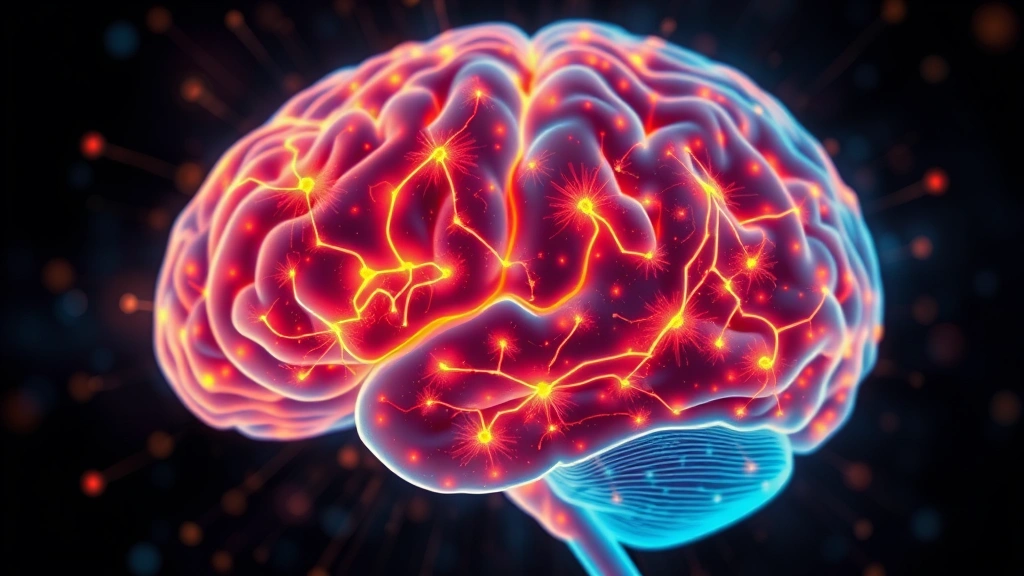
Neuroimaging studies reveal how mindfulness physically alters brain structure and function. Regular meditation practice increases gray matter density in the prefrontal cortex, the region responsible for emotional regulation and executive function. Simultaneously, mindfulness reduces activity in the amygdala, the brain’s threat-detection center, lowering baseline anxiety levels. Research published in Frontiers in Human Neuroscience shows these changes occur within eight weeks of consistent practice.
The American Psychological Association has recognized mindfulness as an evidence-based treatment, endorsing its use for specific conditions. Clinical trials consistently demonstrate superior outcomes when mindfulness combines with conventional therapy compared to standard treatment alone. These findings have prompted major medical institutions, including the Mayo Clinic and Cleveland Clinic, to incorporate mindfulness programs into their treatment protocols.
Beyond mental health, mindfulness therapy addresses physical health outcomes. Studies show measurable improvements in immune function, blood pressure, heart rate variability, and inflammatory markers. This mind-body connection validates the holistic approach healthcare providers take when integrating mindfulness into comprehensive treatment plans.
Mindfulness for Anxiety and Depression
Anxiety disorders and depression represent the most common mental health conditions, affecting millions globally. Mindfulness-Based Cognitive Therapy specifically targets these conditions by interrupting the rumination cycles that perpetuate depressive episodes and anxiety spirals. Rather than fighting anxious thoughts, MBCT teaches individuals to observe them with curiosity rather than judgment.
Research demonstrates that mindfulness reduces relapse rates in depression significantly. Participants completing MBCT show relapse rates comparable to maintenance antidepressant medication, with some studies indicating superior long-term outcomes. The mechanism involves developing metacognitive awareness—the ability to observe one’s thinking patterns without identifying with them. This creates psychological flexibility, allowing individuals to respond to challenges rather than react automatically.
For anxiety disorders, mindfulness addresses the core problem: the struggle against anxiety itself. Paradoxically, accepting anxious thoughts and bodily sensations, rather than attempting to eliminate them, reduces their intensity and frequency. Individuals learn that thoughts are transient mental events, not facts requiring action. This distinction proves transformative for generalized anxiety, social anxiety, and panic disorder sufferers.
The effectiveness extends to work-related stress and burnout. Healthcare professionals, including those in speech therapy career paths, report significant stress reduction following mindfulness training. Regular practice enhances emotional resilience, enabling professionals to maintain compassion and engagement despite demanding work environments.
Chronic Pain Management Through Mindfulness
Chronic pain affects over 100 million Americans annually, creating enormous healthcare burdens. Traditional pain management often relies on pharmaceuticals, which carry addiction risks and diminishing efficacy over time. Mindfulness-Based Stress Reduction emerged partly to address this crisis, offering non-pharmacological pain management strategies.
The distinction between pain and suffering proves crucial here. Pain represents the sensory experience; suffering encompasses the emotional and cognitive reactions to pain. Mindfulness targets suffering specifically. By changing the relationship with pain—observing sensations without resistance or catastrophic interpretation—individuals often experience significant relief despite unchanged pain levels.
Research on conditions like fibromyalgia, chronic back pain, and arthritis demonstrates consistent benefits. Participants report reduced pain intensity, improved functional capacity, and decreased pain medication dependence. These outcomes make mindfulness particularly valuable alongside conventional treatments like red light therapy for back pain and physical rehabilitation.
Physical therapists increasingly recommend mindfulness for pain management. The practice complements physical therapy by reducing muscle tension driven by pain-related anxiety. When individuals stop bracing against pain, muscle tightness decreases, improving treatment outcomes and functional recovery.
Mindfulness in Professional Healthcare Settings
Healthcare institutions worldwide have integrated mindfulness into clinical practice. Hospitals offer mindfulness programs for patients undergoing surgery, chemotherapy, and chronic disease management. Staff wellness programs utilizing mindfulness reduce burnout and improve patient satisfaction scores.
Professionals pursuing careers in therapeutic fields, such as obtaining a physical therapy assistant certification, benefit from understanding mindfulness principles. Therapists who practice mindfulness demonstrate greater empathy, improved clinical decision-making, and better therapeutic relationships. The practice cultivates the presence and attunement essential for effective treatment.
Mental health professionals recognize mindfulness as foundational to modern therapy. Therapists trained in mindfulness-based approaches report improved treatment outcomes across diagnoses. The non-judgmental stance mindfulness cultivates translates directly into therapeutic presence, helping clients feel genuinely heard and understood. This therapeutic alliance strengthens treatment efficacy considerably.
Organizations like the Center for Mindfulness at University of Massachusetts Medical School train healthcare providers in evidence-based mindfulness instruction. These certifications ensure practitioners deliver scientifically validated interventions. The professionalization of mindfulness instruction distinguishes evidence-based programs from wellness trends lacking scientific support.
Implementing Mindfulness in Your Wellness Routine
Beginning a mindfulness practice requires minimal resources but consistent commitment. Start with brief sessions—even five to ten minutes daily produces measurable benefits. Numerous apps provide guided meditations, though many people prefer working with qualified instructors initially to establish proper technique.
Formal meditation practices form the foundation, but informal mindfulness proves equally valuable. Mindful eating, walking, and listening integrate present-moment awareness into daily activities. These informal practices build mindfulness capacity throughout the day, not just during designated meditation periods.
For those addressing specific challenges like therapy for breakups, combining mindfulness with professional support optimizes outcomes. Therapists trained in mindfulness-based approaches can tailor practices to individual needs and circumstances. This personalized approach proves more effective than generic meditation apps for complex emotional situations.
Consistency matters more than duration. Research shows that daily practice, even for brief periods, produces superior outcomes compared to occasional longer sessions. Establishing a regular practice schedule—ideally at the same time daily—builds habit formation and ensures sustained benefits.
Tracking progress through journaling or symptom monitoring helps maintain motivation. Many practitioners note improvements in sleep quality, emotional regulation, and stress resilience within two to four weeks of consistent practice. These tangible benefits reinforce commitment to ongoing practice.
Limitations and Considerations
While mindfulness therapy demonstrates remarkable efficacy, it’s not universally effective. Some individuals with severe trauma, active psychosis, or dissociative disorders may find meditation destabilizing without appropriate therapeutic support. Qualified practitioners screen for contraindications and modify approaches accordingly.
Mindfulness requires active participation and willingness to practice regularly. Individuals expecting passive symptom relief may experience disappointment. The practice demands effort, patience, and self-compassion—qualities that develop gradually through consistent engagement.
The commercialization of mindfulness sometimes dilutes authentic practice. Wellness trends promoting mindfulness without scientific basis undermine credibility. Seeking evidence-based programs through established institutions ensures receiving legitimate, research-supported interventions rather than superficial wellness trends.
Cultural and spiritual considerations matter too. Some individuals find meditation conflicts with their beliefs or backgrounds. Secular mindfulness-based cognitive therapy offers alternatives honoring diverse worldviews while maintaining clinical effectiveness. Professional therapists navigate these considerations thoughtfully.
Mindfulness works best as part of comprehensive treatment rather than a standalone solution for severe mental illness. Integrating mindfulness with psychotherapy, medication when appropriate, and lifestyle modifications creates synergistic benefits exceeding any single intervention. Healthcare providers from therapy resources and information sites emphasize this integrated approach.
FAQ
How long before mindfulness therapy shows results?
Research indicates measurable improvements typically emerge within two to four weeks of consistent daily practice. However, neurological changes occur within eight weeks, and deeper psychological shifts develop over months and years. Individual timelines vary based on practice consistency, starting baseline, and specific conditions treated.
Can mindfulness replace medication for depression or anxiety?
Mindfulness demonstrates comparable efficacy to antidepressant medication for some individuals, but replacement decisions require professional guidance. Many people benefit most from combined approaches: medication stabilizing acute symptoms while mindfulness develops long-term resilience. Never discontinue psychiatric medication without consulting your prescribing physician.
What’s the difference between mindfulness and meditation?
Meditation represents a formal practice technique—structured periods of focused attention. Mindfulness encompasses both formal meditation and the cultivation of present-moment awareness throughout daily life. All meditation involves mindfulness, but mindfulness extends beyond formal meditation sessions.
Is mindfulness therapy effective for everyone?
While research supports mindfulness for most populations, certain conditions require modifications or alternative approaches. Individuals with severe trauma, active psychosis, or dissociative disorders should work with qualified mental health professionals to determine appropriateness. Most people, however, experience benefits from properly taught mindfulness practices.
How does mindfulness differ from positive thinking?
Positive thinking attempts to replace negative thoughts with positive ones. Mindfulness doesn’t judge thoughts as positive or negative; instead, it observes all thoughts without identification or resistance. This acceptance-based approach often proves more sustainable than forced positive thinking, which can feel inauthentic or suppressive.
Can I learn mindfulness from apps alone?
Apps provide valuable support and structure, but professional instruction, especially initially, offers significant advantages. Teachers provide personalized feedback, address individual challenges, and ensure proper technique development. Many people benefit from initial professional instruction followed by app-based maintenance practice.