Pet Therapy Benefits: What Experts Say
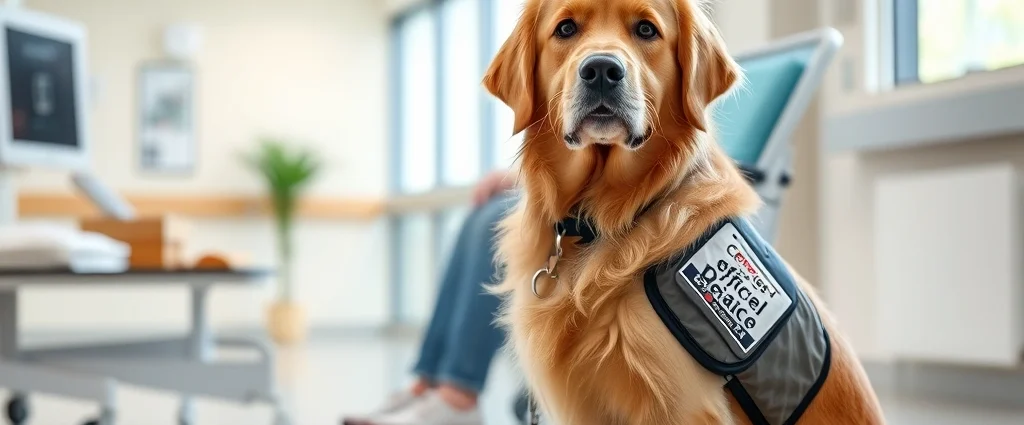
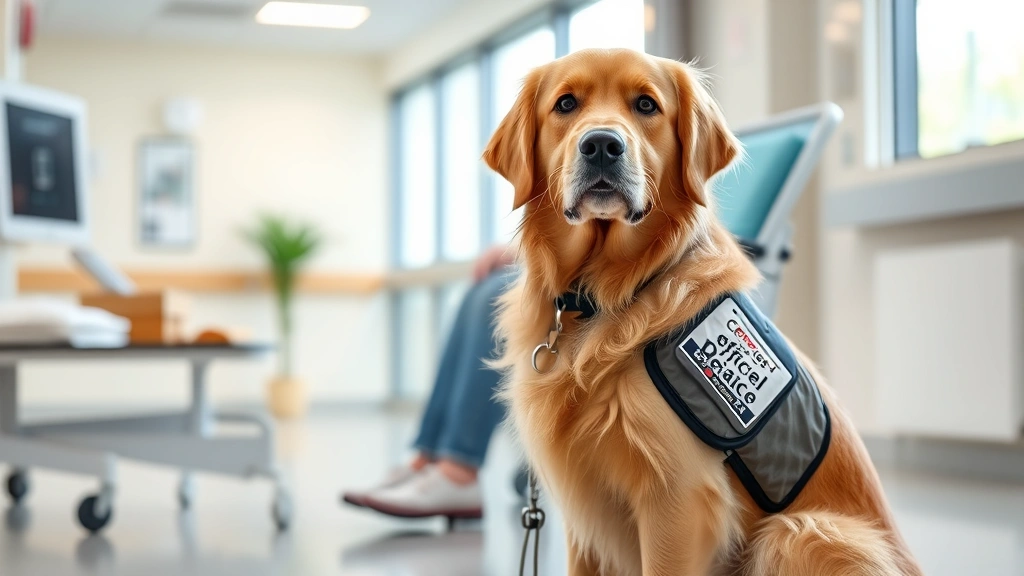
Pet therapy, also known as animal-assisted therapy (AAT), has emerged as a scientifically-backed therapeutic intervention that leverages the human-animal bond to improve mental, emotional, and physical health outcomes. From hospitals and nursing homes to mental health clinics and rehabilitation centers, trained therapy animals are making measurable differences in patient recovery and overall well-being. The growing body of research supporting pet therapy has prompted healthcare professionals and mental health experts to recognize it as a legitimate complementary treatment modality.
Whether you’re searching for pet therapy near me or simply curious about how animals can enhance traditional treatment approaches, understanding the evidence-based benefits is essential. This comprehensive guide explores what leading experts say about pet therapy, the science behind its effectiveness, and how to find qualified programs in your area.
How Pet Therapy Works: The Science Behind Animal-Assisted Healing
Pet therapy operates through multiple physiological and psychological mechanisms that create measurable health improvements. When individuals interact with therapy animals, their bodies release oxytocin—often called the “bonding hormone”—which reduces cortisol levels and decreases overall stress responses. Research from the American Psychological Association indicates that even brief interactions with animals can lower blood pressure, reduce heart rate, and activate the parasympathetic nervous system, which promotes relaxation and healing.
The neurobiological effects of pet therapy extend beyond temporary relaxation. Dr. James Griffin, a leading researcher in human-animal interactions, has documented how regular animal contact enhances emotional regulation and builds resilience. The non-judgmental presence of animals creates a safe space for individuals to process emotions and develop coping strategies. Unlike human interactions, pets don’t criticize, interrupt, or impose expectations, making them ideal therapeutic companions for individuals struggling with anxiety, depression, or trauma.
Animals also serve as powerful social catalysts. Therapy dogs, in particular, facilitate conversation and connection between individuals who might otherwise remain isolated. In community settings, a therapy animal becomes a bridge that reduces social barriers and increases opportunities for meaningful human interaction. This dual benefit—direct animal interaction combined with enhanced human connection—amplifies the overall therapeutic effect.

Mental Health Benefits of Pet Therapy
Mental health professionals increasingly recognize pet therapy as an effective adjunct to traditional therapy resources and treatment approaches. The evidence for psychological benefits is particularly strong for conditions including anxiety disorders, depression, post-traumatic stress disorder (PTSD), and autism spectrum disorders.
For individuals experiencing anxiety, the grounding effect of petting an animal or holding a therapy animal provides immediate sensory relief. The repetitive motion of stroking fur activates the body’s relaxation response, while the animal’s calm presence models emotional stability. Therapy animals are particularly valuable for individuals with social anxiety, as they provide a focal point for attention that alleviates pressure to maintain eye contact or engage in small talk.
Depression treatment often benefits significantly from pet therapy integration. The responsibility of caring for an animal, the unconditional companionship it provides, and the routine structure it creates all contribute to improved mood and motivation. Research published in Frontiers in Psychiatry demonstrates that individuals with depression who engage in regular pet therapy sessions show measurable improvements in depressive symptoms and increased engagement with other therapeutic interventions.
Veterans with PTSD have experienced particularly profound benefits from pet therapy, especially through programs like service dog training and equine therapy. The presence of a trained therapy animal helps veterans regulate their nervous systems, reduces nightmares and hypervigilance, and provides emotional grounding during moments of crisis. Organizations specializing in occupational therapy and wellness services increasingly incorporate animal-assisted components into their treatment protocols.
Children on the autism spectrum benefit from structured pet therapy in multiple ways. Animals help develop social skills, encourage communication, reduce anxiety in social situations, and provide tactile sensory input that many autistic individuals find organizing. The predictable, non-verbal nature of animal interaction often feels safer and more manageable than complex human social dynamics.
Physical Health Improvements Through Animal Interaction
Beyond mental health applications, pet therapy produces measurable improvements in physical health outcomes. Regular interaction with therapy animals has been shown to strengthen immune function, reduce inflammation markers, and improve cardiovascular health. Studies indicate that individuals who participate in pet therapy sessions experience lower blood pressure readings, reduced cholesterol levels, and decreased risk of cardiovascular disease.
Pain management represents another significant area where pet therapy demonstrates clinical effectiveness. Hospitalized patients who receive visits from therapy animals report reduced pain perception and require lower doses of pain medication. The distraction, comfort, and stress reduction provided by animal interaction creates a measurable analgesic effect. This benefit is particularly valuable in palliative care settings, where improving quality of life and emotional comfort is paramount.
Physical rehabilitation and recovery also accelerate with pet therapy integration. Patients recovering from surgery, stroke, or serious illness show increased motivation for physical therapy when animals are incorporated into treatment. A therapy dog in a physical therapy room encourages patients to engage more fully with exercises and maintain consistent attendance. The emotional lift animals provide translates into greater commitment to the hard work of physical recovery.
For individuals managing chronic conditions, pet therapy reduces the psychological burden of ongoing health challenges. The companionship and emotional support provided by therapy animals buffer against depression and anxiety that commonly accompany chronic illness. This improved mental state has cascading positive effects on overall health outcomes, medication compliance, and quality of life.
Pet Therapy in Clinical Settings
Healthcare institutions across the spectrum—from major medical centers to specialized rehabilitation facilities—have formally integrated pet therapy into their treatment protocols. Hospitals use therapy animals to support patients in intensive care units, oncology wards, and pediatric departments. The presence of a calm, trained animal in these high-stress environments provides comfort and emotional support to patients, families, and even healthcare staff.
Mental health treatment facilities increasingly employ animal-assisted therapy as a core component of their programs. Residential treatment centers for adolescents, addiction recovery programs, and psychiatric hospitals recognize that animals facilitate therapeutic breakthroughs that talk therapy alone may not achieve. The animal’s presence creates a more relaxed therapeutic environment where individuals feel safer exploring difficult emotions and experiences.
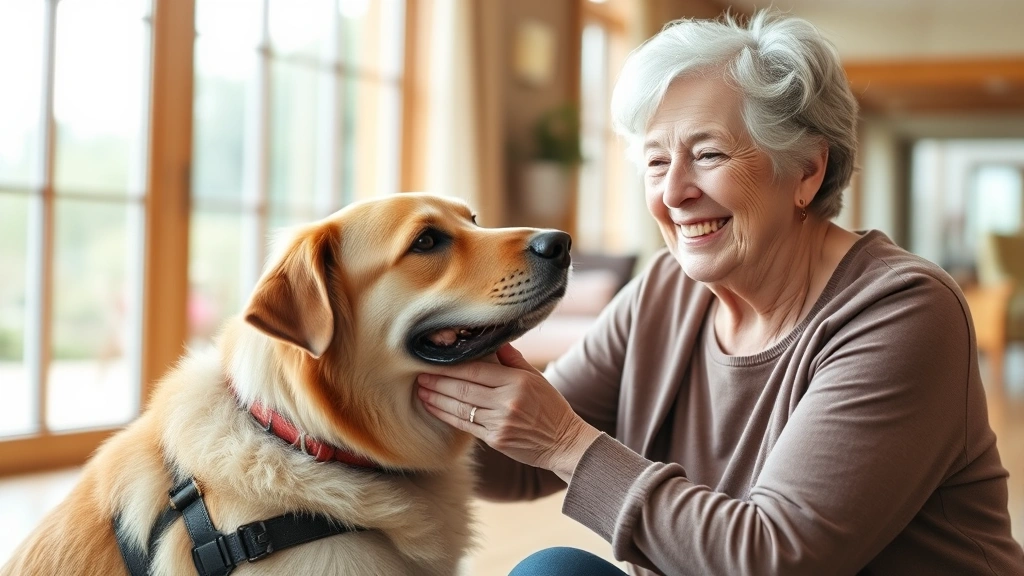
Nursing homes and assisted living facilities use pet therapy to combat isolation, depression, and cognitive decline in elderly residents. Regular visits from therapy animals provide sensory stimulation, encourage social engagement, and reduce behavioral symptoms in individuals with dementia. Family members often report that residents who are otherwise withdrawn become animated and engaged when a therapy animal visits.
Schools have begun implementing pet therapy programs to support student mental health and academic success. Therapy animals in school settings reduce test anxiety, provide emotional support during crisis situations, and create more inclusive environments for students with disabilities. Research demonstrates that the presence of calm animals in classrooms improves focus, reduces disruptive behavior, and enhances the overall learning environment.
Finding Pet Therapy Near You
Locating quality pet therapy services in your area requires understanding the different types of programs available and the qualifications that indicate legitimate, effective providers. Begin by contacting local hospitals, mental health clinics, and rehabilitation centers to ask about their animal-assisted therapy programs. Many major medical institutions have formal pet therapy initiatives with trained volunteer handlers and certified animals.
Mental health practices and therapists increasingly offer or recommend pet therapy as a complement to traditional treatment. When researching therapy cost and service options, specifically ask whether providers incorporate animal-assisted components or have partnerships with certified animal therapy programs. Some therapists may conduct sessions in environments where therapy animals are present, creating a more supportive therapeutic context.
Universities with psychology, social work, or veterinary medicine programs often operate animal-assisted therapy clinics that provide services to the community at reduced cost. These university-affiliated programs typically maintain the highest standards of animal welfare and handler training while offering accessible services to those with limited budgets.
Search online for “animal-assisted therapy” combined with your city or region. Look for programs affiliated with established organizations, transparent certification information, and clear descriptions of their therapeutic approach. Reading client testimonials and reviews provides valuable insight into program quality and effectiveness.
If you’re considering equine therapy specifically, contact local therapeutic riding centers or equine rehabilitation facilities. These programs require specialized facilities and expertise but offer unique benefits for trauma processing, emotional regulation, and physical rehabilitation that other modalities may not provide.
Certification and Qualified Practitioners
Understanding credentialing in pet therapy is essential for ensuring you receive services from qualified, ethical providers. The International Association of Animal Behavior Consultants (IAABC) and the Certification Council for Professional Dog Trainers (CCPDT) maintain rigorous standards for animal handlers. Look for providers whose animals have completed recognized certification programs through organizations like the Delta Society or Pet Partners.
Qualified pet therapy practitioners should demonstrate comprehensive knowledge of animal behavior, stress signals, and welfare requirements. Professional providers maintain detailed records of animal health, vaccination status, and behavioral assessments. They understand that the animal’s well-being is paramount and implement strict protocols preventing animal fatigue or stress during therapy sessions.
Therapists who integrate animal-assisted therapy should hold valid licenses in their respective fields—whether licensed professional counselor (LPC), licensed clinical social worker (LCSW), licensed marriage and family therapist (LMFT), or psychologist. The animal-assisted component should enhance their existing clinical expertise, not replace it. Ask providers about their training in both their primary therapeutic discipline and animal-assisted therapy specifically.
When evaluating programs, inquire about handler training requirements, animal selection criteria, and supervision protocols. Legitimate programs can articulate their evidence-based approach, describe how they measure outcomes, and explain how they ensure animal welfare throughout service delivery.
Cost Considerations for Pet Therapy Services
Understanding pet therapy costs helps you budget appropriately and identify accessible options. Costs vary significantly based on service type, provider credentials, location, and whether therapy is individual or group-based. When researching therapy cost structures, include pet therapy services in your overall mental health budget.
Individual pet therapy sessions with a licensed therapist typically range from $75 to $200 per session, comparable to standard therapy rates. Some insurance plans cover animal-assisted therapy when provided by licensed mental health professionals, particularly when documented as medically necessary. Always verify with your insurance provider whether your specific plan includes coverage.
Group pet therapy sessions cost considerably less per participant, often ranging from $20 to $50 per session. Community programs, hospital-based initiatives, and university-affiliated services frequently offer reduced rates or sliding scale options for individuals with limited financial resources. Volunteer-based programs sometimes offer free or donation-based pet therapy visits in healthcare settings.
Specialized programs like equine therapy or service dog training represent significant investments, often ranging from several hundred to several thousand dollars. However, many programs offer payment plans, scholarships, or grant funding for individuals with documented need. Organizations serving veterans, individuals with disabilities, and low-income populations frequently subsidize costs or provide free services.
When evaluating physical therapy and rehabilitation costs, consider whether animal-assisted components are included in your treatment plan. Many facilities bundle pet therapy into overall program costs without additional charges. Ask specifically about this when comparing providers and treatment options.
Special Populations and Pet Therapy Applications
Different populations benefit from tailored pet therapy approaches. Children benefit from structured, play-based interactions with therapy animals that support emotional development and social skill building. Adolescents respond well to programs that incorporate animals into evidence-based therapeutic modalities, providing a bridge to engagement with treatment. Adults utilize pet therapy across diverse contexts—from individual psychotherapy to group support programs to workplace wellness initiatives.
Elderly individuals experience profound benefits from pet therapy, particularly in addressing isolation and age-related depression. The intergenerational programs pairing young people with elderly residents for pet therapy visits create mutual benefit, reducing loneliness on both sides. Animals provide tactile stimulation, encourage reminiscence and storytelling, and give elderly individuals a sense of purpose through nurturing relationships.
First responders and military personnel have specialized needs that pet therapy addresses effectively. Programs specifically designed for trauma-exposed populations incorporate animals into evidence-based trauma treatment, helping individuals regulate their nervous systems and process difficult experiences. The non-threatening nature of animal interaction facilitates access to emotions that might otherwise remain defended against.
Individuals with developmental disabilities, intellectual disabilities, and sensory disabilities all benefit from customized pet therapy approaches. Therapy animals can be trained to respond to specific communication styles, provide grounding for individuals with sensory processing differences, and facilitate skill development in safe, low-pressure contexts.
FAQ
What types of animals are used in pet therapy?
Dogs represent the most common therapy animals due to their trainability, social responsiveness, and adaptability to various settings. Cats, rabbits, guinea pigs, and birds serve therapeutic functions in certain contexts. Equine therapy utilizes horses for specific trauma processing and emotional regulation work. Less commonly, dolphins, alpacas, and other animals participate in specialized programs. All therapy animals undergo rigorous behavioral assessment and training to ensure they remain calm, responsive, and safe in therapeutic environments.
Is pet therapy covered by insurance?
Coverage depends on your specific insurance plan and how services are documented. When provided by licensed mental health professionals as part of evidence-based treatment, pet therapy may qualify for coverage. Always contact your insurance provider with specific questions about your plan’s coverage. Some plans require pre-authorization or documentation of medical necessity. Out-of-pocket costs vary widely based on provider type and service delivery model.
How long does it take to see benefits from pet therapy?
Many individuals experience immediate calming effects during their first pet therapy session. However, sustained psychological and physical health improvements typically develop over multiple sessions. Most research indicates that meaningful changes in mood, anxiety levels, and coping skills emerge after 8-12 consistent sessions. Individual variation exists—some people respond more quickly while others require longer-term engagement to experience substantial benefits.
Can I use my own pet as a therapy animal?
While personal pets provide companionship and emotional support, certified therapy animals undergo specialized training and behavioral assessment that typical pets don’t receive. Therapy animals must remain calm in unfamiliar environments, tolerate handling from strangers, and respond consistently to handler cues. If you’re interested in training your own animal for therapy work, contact organizations like Pet Partners or the Delta Society for certification pathways and requirements.
What should I look for when choosing a pet therapy program?
Evaluate programs based on handler credentials, animal certifications, facility cleanliness and safety, clear therapeutic objectives, and measurable outcomes. Ask about animal welfare protocols, supervision practices, and how the program integrates with your overall treatment plan. Read reviews and testimonials, verify insurance acceptance, and ensure the program aligns with your specific therapeutic needs and goals.
Are there any contraindications or risks with pet therapy?
Pet therapy is generally safe for most individuals. However, people with severe animal phobias, certain allergies, or immunocompromised conditions should discuss pet therapy with their healthcare provider. Some individuals may experience anxiety initially if they lack positive animal exposure history. Proper screening, gradual exposure, and informed consent address these concerns. Legitimate programs assess contraindications and adapt services accordingly.