
How Can Park Sports Boost Mental Health? Insights from Physical Therapy
Park sports represent one of the most accessible and underutilized interventions for enhancing mental health and overall psychological well-being. Whether you’re engaging in casual basketball games, recreational soccer, or simply jogging through green spaces, the combination of physical activity and outdoor exposure creates a powerful synergy for mental health improvement. Research increasingly demonstrates that park sports activities transcend simple exercise—they function as a comprehensive therapeutic intervention that addresses anxiety, depression, stress, and cognitive decline.
The intersection of park sports and mental health has become a focal point for health professionals, including those trained in occupational therapy assistant programs who recognize movement as fundamental to holistic wellness. When individuals engage in structured sports within natural environments, they activate multiple pathways to psychological recovery and mental resilience. This comprehensive guide explores the evidence-based mechanisms, practical applications, and transformative potential of park sports for mental health enhancement.
The Science Behind Park Sports and Mental Wellness
Park sports leverage neurobiological mechanisms that directly influence mental health outcomes. When you engage in physical activity, your brain increases production of endorphins—neurotransmitters often called “feel-good” chemicals that reduce pain perception and elevate mood. Simultaneously, park sports reduce cortisol levels, the primary stress hormone that, when chronically elevated, contributes to anxiety disorders, depression, and cognitive impairment.
Research published in major psychological journals demonstrates that individuals who participate in regular park sports exhibit significantly lower rates of depression and anxiety compared to sedentary counterparts. The effect sizes are comparable to some pharmaceutical interventions, particularly for mild to moderate mental health conditions. A groundbreaking study from the Nature journal found that just 120 minutes of weekly nature-based physical activity produces measurable improvements in psychological well-being.
Beyond neurochemistry, park sports enhance executive function, working memory, and processing speed through increased cerebral blood flow and the growth of new neurons in the hippocampus—the brain region responsible for learning and memory formation. This cognitive enhancement contributes to improved emotional regulation and resilience against psychological stressors. Professionals studying occupational therapy online programs increasingly recognize these mechanisms as central to evidence-based practice.
Physical Activity as a Clinical Mental Health Intervention
The clinical significance of physical activity for mental health has reached a critical inflection point. Major psychiatric organizations, including the American Psychiatric Association, now recommend structured physical activity as a first-line intervention for depression and anxiety disorders. Park sports, specifically, offer advantages over gym-based exercise due to their accessibility, cost-effectiveness, and environmental enrichment.
The mechanism operates through multiple pathways: activation of the parasympathetic nervous system (promoting relaxation), reduction of inflammatory markers associated with depression, and enhancement of neuroplasticity. For individuals with clinical depression, park sports participation correlates with symptom reduction comparable to cognitive-behavioral therapy alone, and often more effective when combined with traditional therapeutic approaches.
Individuals pursuing occupational therapy courses learn that movement-based interventions address the fundamental occupational needs of humans—engagement in meaningful, purposeful activity. Park sports fulfill this requirement by combining purposeful movement with social engagement and environmental interaction. The dosage matters significantly: research indicates that 150 minutes of moderate-intensity park sports weekly produces optimal mental health benefits.
Anxiety disorders respond particularly well to park sports interventions. The combination of physical exertion and exposure to natural settings creates a form of exposure therapy while simultaneously reducing physiological anxiety markers. Individuals who engage in park sports demonstrate improved interoceptive awareness—the ability to perceive internal bodily states—which enhances emotional regulation and reduces panic-related symptoms.
Natural Environment Benefits Beyond Exercise
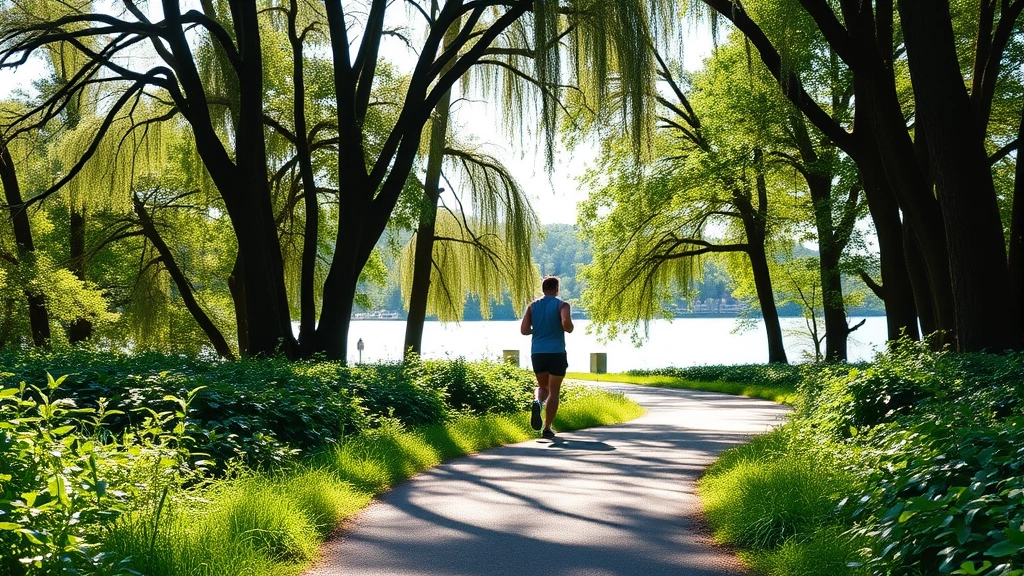
The environmental component of park sports provides benefits distinctly separate from exercise physiology. Exposure to natural settings reduces mental fatigue, restores attentional capacity, and promotes a state of relaxed alertness that facilitates psychological recovery. The Japanese concept of “shinrin-yoku” or forest bathing demonstrates that even passive exposure to natural environments reduces stress hormones and activates parasympathetic responses.
Green space exposure increases vitamin D production through sunlight exposure, which correlates directly with mood regulation and seasonal affective disorder prevention. The phytoncides—natural compounds released by plants—have documented immune-enhancing and stress-reducing properties. When combined with sports participation, these environmental factors create a multisensory therapeutic experience that exceeds the benefits of either component alone.
Natural environments also provide psychological restoration through what researchers call “soft fascination”—gentle engagement of attention that allows directed attention capacities to recover. This restoration process proves particularly valuable for individuals experiencing burnout, chronic stress, or attention-related difficulties. The natural soundscape of parks—bird calls, rustling leaves, water features—activates the parasympathetic nervous system more effectively than urban environments.
Professionals developing expertise through physical therapy for kids recognize that early exposure to nature-based movement establishes lifelong patterns of mental health management. Children who engage in park sports demonstrate enhanced emotional regulation, reduced behavioral difficulties, and improved academic performance compared to peers lacking nature exposure.
Social Connection and Community Impact
Park sports create inherently social environments that address one of the most significant risk factors for mental illness: social isolation and loneliness. The COVID-19 pandemic highlighted the devastating mental health consequences of isolation, while simultaneously demonstrating that outdoor group activities provided crucial psychological lifelines.
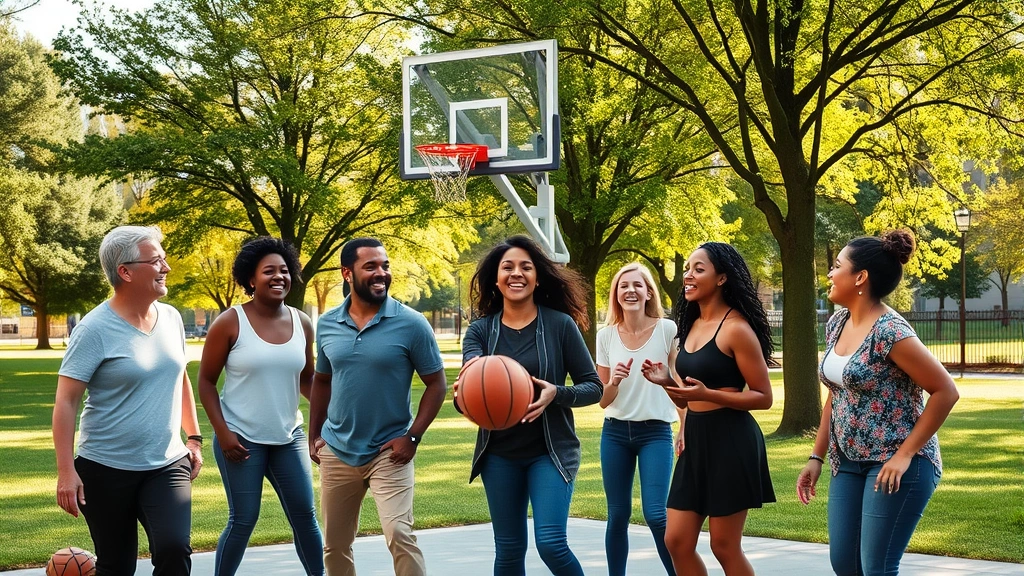
Team-based park sports—basketball, soccer, volleyball—create structured opportunities for social bonding, cooperation, and community belonging. These social connections activate the oxytocin system, often called the “bonding hormone,” which reduces anxiety, increases trust, and promotes prosocial behavior. The sense of belonging derived from sports communities provides protective factors against depression and suicide risk.
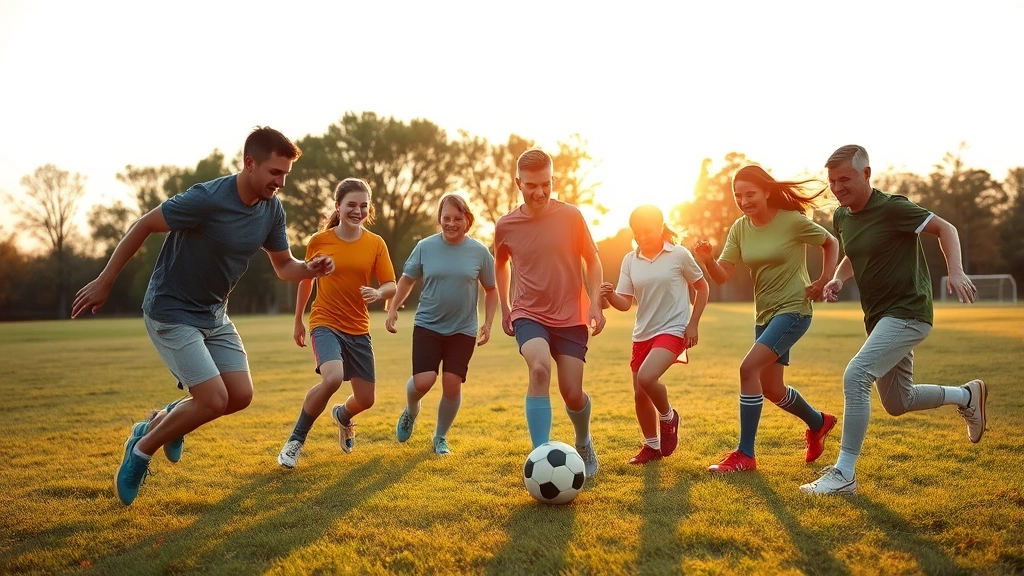
Intergenerational park sports create unique mental health benefits by facilitating connection across age groups. Older adults engaging in park sports with younger participants experience reduced isolation and cognitive decline, while younger individuals benefit from mentorship and wisdom transfer. This reciprocal relationship strengthens community cohesion and provides existential meaning—a crucial factor in psychological well-being.
The social accountability inherent in group sports participation enhances adherence and creates positive habit formation. Unlike solitary exercise, which requires sustained self-motivation, park sports leverage social commitment and group expectations to maintain consistent participation. This consistency produces cumulative mental health benefits that exceed sporadic intensive exercise.
Park Sports for Specific Mental Health Conditions
Research documents specific efficacy of park sports for particular mental health diagnoses. For major depressive disorder, park sports produce effect sizes comparable to antidepressant medications, with additional benefits of improved physical health and reduced medication side effects. The combination of behavioral activation, mood elevation from endorphins, and environmental restoration creates a comprehensive intervention.
Anxiety disorders, including generalized anxiety disorder and social anxiety disorder, respond dramatically to park sports participation. The exposure component—engaging in sports despite anxiety—functions as systematic desensitization while physical exertion metabolizes excess adrenaline and cortisol. Individuals with panic disorder particularly benefit from the interoceptive awareness development that park sports facilitate.
Post-traumatic stress disorder treatment increasingly incorporates park sports as an adjunctive intervention. The combination of physical activity and nature exposure reduces hyperarousal symptoms while the social component addresses isolation common in PTSD. Some trauma-informed practitioners specifically utilize park sports in therapeutic protocols, recognizing the body-based healing properties of movement in natural settings.
Attention-deficit/hyperactivity disorder management through park sports addresses both hyperactivity and inattention. The sustained physical engagement channels excess energy while natural environment exposure restores executive function and attentional capacity. Children with ADHD demonstrate significant behavioral improvements and reduced medication requirements when park sports participation increases.
Substance use disorder recovery programs increasingly incorporate park sports as part of comprehensive treatment. The endorphin production from exercise provides a healthier dopamine activation pathway while community connection addresses isolation drivers of relapse. The outdoor setting removes triggers present in traditional gym environments.
Integrating Park Sports into Therapeutic Practice
Mental health professionals, including those with expertise from speech therapy online programs and related disciplines, increasingly recognize park sports as evidence-based interventions warranting integration into treatment planning. Therapists can prescribe park sports participation with similar specificity to medication—recommending particular sports, frequency, duration, and social configurations to match individual client needs.
The prescription approach requires understanding individual preferences, physical capabilities, and psychological barriers to participation. A therapist might recommend team-based sports for isolated clients needing social connection, individual sports for those with social anxiety, or family-oriented activities for those with relational difficulties. The specificity of prescription enhances efficacy and adherence.
Documentation of park sports participation within clinical records establishes accountability and allows measurement of mental health outcomes. Therapists can assess changes in depression scales, anxiety inventories, and functional impairment measures concurrent with park sports engagement. This data-driven approach validates the intervention and informs treatment modifications.
Supervision and training for mental health professionals must include competency in prescribing and monitoring park sports interventions. Clinical training programs, including those offering therapy goals frameworks, should incorporate movement-based interventions as core curriculum. This represents a paradigm shift from viewing therapy as purely cognitive or talk-based toward recognition of embodied, environmental approaches.
Collaborative care models integrating park sports prove particularly effective. Psychiatrists can prescribe medication while therapists prescribe park sports, with primary care physicians monitoring overall health outcomes. This multidisciplinary approach addresses the biopsychosocial nature of mental illness comprehensively.
Practical Implementation Strategies
Initiating park sports participation requires addressing potential barriers and building sustainable habits. Initial barriers often include lack of confidence, uncertainty about available opportunities, or physical deconditioning. Strategies to overcome these include starting with low-intensity activities, attending beginner-friendly programs, or recruiting accountability partners.
Community resources facilitate park sports access: municipal recreation departments offer organized leagues and classes, community centers provide equipment and facilities, and social media groups connect individuals with similar interests. Websites like Meetup and local sports clubs provide structured entry points for participation. Many parks offer free or low-cost programming specifically designed for mental health benefits.
Habit formation requires consistency and integration into daily routines. Scheduling park sports at specific times, establishing pre-activity rituals, and tracking participation enhances adherence. Starting with modest commitments—even 20-30 minutes weekly—builds momentum toward the 150-minute weekly recommendation. Gradual progression prevents injury and burnout while establishing sustainable patterns.
Technology tools support consistent engagement: fitness trackers monitor activity, calendar reminders prompt participation, and community apps facilitate social connection. However, technology should enhance rather than replace the primary benefit of direct nature exposure and human interaction. The most effective approaches balance structure with flexibility, allowing adaptation to individual preferences and life circumstances.
Environmental optimization enhances benefits: parks with diverse landscapes, water features, and naturalistic settings provide greater restorative benefits than manicured facilities. Seasonal variation in park sports—water activities in summer, winter sports in cold climates—maintains engagement throughout the year while providing diverse physical and psychological stimulation.
FAQ
How quickly do mental health benefits from park sports appear?
Research demonstrates mood elevation within single sessions, with acute anxiety reduction occurring immediately after park sports participation. Sustained mental health improvements—reduced depression scores, decreased anxiety symptoms—typically emerge within 2-4 weeks of consistent participation. Optimal benefits accumulate over months and years, with continued improvements in emotional regulation and resilience.
What if I have physical limitations or disabilities?
Park sports adaptations accommodate virtually all physical capabilities. Wheelchair basketball, seated volleyball, and adaptive hiking programs provide full participation opportunities. Mental health benefits emerge regardless of intensity level; even modified activities provide neurochemical and environmental benefits. Consulting with physical therapy professionals ensures safe, effective adaptations.
Do park sports replace traditional mental health treatment?
Park sports function most effectively as complementary interventions rather than replacements for therapy or medication. For mild to moderate mental health conditions, park sports may provide sufficient treatment; for more severe conditions, integration with traditional approaches optimizes outcomes. Professional guidance determines appropriate treatment combinations for individual needs.
How does weather affect park sports mental health benefits?
Seasonal variations influence participation patterns but need not eliminate benefits. Winter park sports, indoor facilities, or weather-adjusted activities maintain engagement. Some research suggests that engaging in park sports during challenging weather provides enhanced psychological benefits through mastery experiences and expanded stress tolerance.
Can children benefit from park sports for mental health?
Children experience profound mental health benefits from park sports, with effects including improved mood, enhanced emotional regulation, reduced behavioral difficulties, and improved academic performance. Early establishment of park sports habits creates lifelong mental health management skills and reduces risk for adolescent and adult mental health disorders.
What specific sports provide greatest mental health benefits?
Research indicates that sports providing both physical intensity and social engagement—basketball, soccer, tennis, recreational running groups—deliver optimal benefits. However, individual preferences matter significantly; the most effective sport is the one you’ll consistently engage in. Personal enjoyment predicts adherence and sustained mental health benefits more reliably than sport type.