
How Does Mindfulness Aid Healing? Expert Insights
Mindfulness has emerged as a transformative complement to traditional therapeutic approaches, offering profound benefits for physical and mental recovery. Whether you’re recovering from an injury, managing chronic pain, or working through emotional trauma, the integration of mindfulness practices with professional care can accelerate healing and improve overall outcomes. This comprehensive guide explores the scientific evidence behind mindfulness-based healing and how practitioners like those at Pappas Physical Therapy incorporate these principles into patient care.
The intersection of mindfulness and healing represents a paradigm shift in how we approach rehabilitation and recovery. Rather than viewing the body and mind as separate entities, modern therapeutic practice recognizes the intricate connection between mental presence, emotional regulation, and physical restoration. Understanding these mechanisms can help you make informed decisions about your healing journey.

The Science Behind Mindfulness and Physical Healing
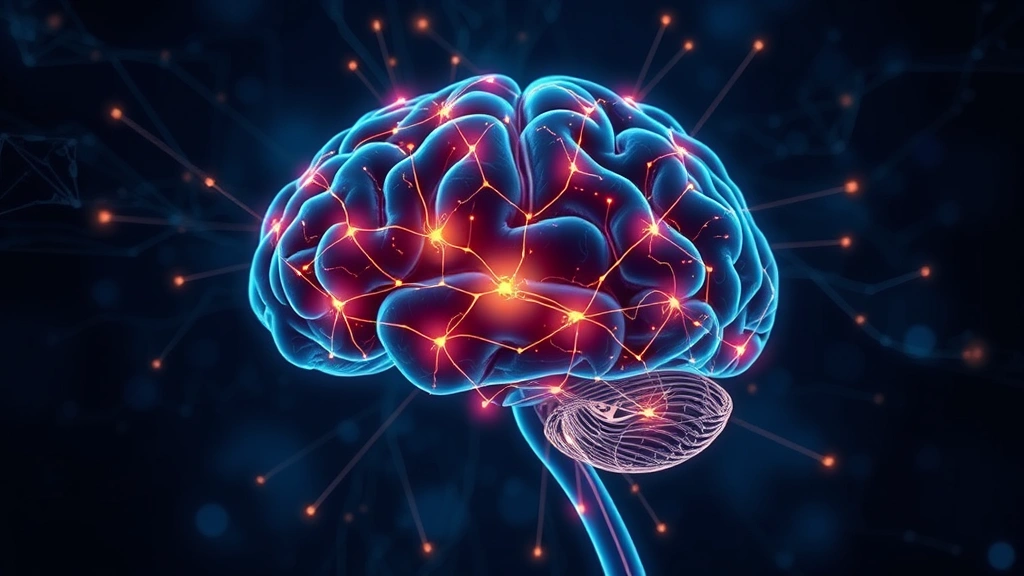
Mindfulness, defined as non-judgmental awareness of present-moment experiences, activates specific neural pathways that promote healing. Research from the National Institutes of Health demonstrates that regular mindfulness practice increases gray matter density in brain regions associated with learning, memory, and emotional regulation. When you engage in mindfulness, your brain releases neurotransmitters including serotonin and dopamine, which directly influence pain perception and mood.
The relaxation response triggered by mindfulness meditation counteracts the stress response, reducing cortisol levels that can impede healing. Chronic stress elevates inflammation markers in your body, slowing tissue repair and recovery. By practicing mindfulness, you create a physiological environment more conducive to healing. Studies show that patients who combine mindfulness with physical therapy treatment experience faster recovery times and better long-term outcomes.
Understanding the neurobiology of mindfulness helps explain why it’s becoming increasingly integrated into rehabilitation programs. The vagus nerve, which connects your brain to your body’s organs, responds positively to mindfulness practices. Activation of this nerve triggers parasympathetic nervous system responses that promote relaxation, reduce inflammation, and optimize healing processes.
How Mindfulness Reduces Pain Perception
Pain is not purely a physical sensation—it’s a complex experience involving sensory input, emotional interpretation, and cognitive processing. Mindfulness addresses pain at all three levels. When you practice mindfulness, you develop the ability to observe pain without immediately reacting to it emotionally. This separation between sensation and suffering is crucial for managing chronic pain conditions.
Research published in JAMA Internal Medicine found that mindfulness-based stress reduction programs were as effective as medication for certain pain conditions. The mechanism involves reframing your relationship with pain rather than trying to eliminate it entirely. Instead of fighting against discomfort, mindfulness teaches you to acknowledge it with curiosity and acceptance.
The anterior cingulate cortex, a brain region involved in pain perception, shows decreased activity in individuals who practice mindfulness regularly. Simultaneously, areas responsible for emotional regulation become more active. This neuroplasticity—the brain’s ability to rewire itself—means that consistent mindfulness practice literally changes how your brain processes pain signals. For patients undergoing physical therapy programs, this translates to improved pain management without increased medication dependence.
Mindfulness in Physical Therapy Practice
Progressive physical therapy clinics increasingly incorporate mindfulness into treatment protocols. Practitioners recognize that patients who maintain present-moment awareness during therapeutic exercises achieve better form, deeper muscle engagement, and more consistent adherence to home exercise programs. Mindfulness during physical therapy sessions enhances proprioception—your body’s awareness of its position in space—which is essential for proper movement patterns.
When you practice mindfulness during therapy, you become attuned to subtle sensations in your body. This heightened awareness helps you identify compensatory movement patterns that might slow recovery or create new problems. A skilled therapist can guide you to notice the difference between productive therapeutic sensation and pain that signals potential harm. This distinction is fundamental to safe, effective rehabilitation.
The integration of mindfulness with occupational therapy also proves valuable, particularly for patients recovering from injuries that affect daily functioning. By combining present-moment awareness with therapeutic exercises, patients develop stronger neural connections between intention and movement, facilitating faster functional recovery.
Professional therapists trained in mindfulness-based approaches often guide patients through body scans and breathing exercises at the beginning and end of sessions. These practices calm the nervous system, reduce muscle tension, and create a receptive state for therapeutic work. The result is increased treatment effectiveness and improved patient satisfaction.
Mental Health Benefits During Recovery
Physical injury and illness frequently trigger emotional distress, anxiety, and depression. The psychological impact of recovery can sometimes become as challenging as the physical rehabilitation itself. Mindfulness provides powerful tools for managing these emotional dimensions of healing. By training attention and emotional awareness, mindfulness helps you process difficult emotions without becoming overwhelmed by them.
Anxiety about recovery, fear of re-injury, and frustration with slow progress are common psychological barriers to healing. Mindfulness-based cognitive therapy addresses these patterns by helping you observe anxious thoughts without believing them automatically. You learn that thoughts are mental events, not facts, which reduces their emotional charge and allows more constructive thinking patterns to emerge.
Depression during recovery often stems from loss of identity, reduced independence, or prolonged discomfort. Mindfulness cultivates acceptance of present circumstances while maintaining hope for future improvement. This balanced perspective prevents the despair that can accompany lengthy rehabilitation. Additionally, mindfulness increases self-compassion—the ability to treat yourself with kindness during difficult times—which is essential for maintaining motivation throughout recovery.
The connection between mental health and physical healing is bidirectional. Improving your emotional state through mindfulness accelerates physical recovery, while physical progress through therapy enhances mental wellbeing. This synergistic relationship makes combined approaches particularly powerful for comprehensive healing.
Practical Mindfulness Techniques for Healing
Body Scan Meditation: This foundational practice involves systematically directing attention through different body regions. Starting with your toes and moving toward your head, you notice sensations without judgment. This technique increases body awareness, identifies areas of tension, and activates the relaxation response. Regular practice helps you recognize the difference between productive therapeutic sensation and problematic pain patterns.
Breath Awareness: Your breath serves as an anchor for present-moment attention. By focusing on natural breathing patterns, you calm your nervous system and reduce stress hormones that impede healing. During physical therapy exercises, conscious breathing prevents breath-holding, which increases muscle tension and reduces oxygen delivery to healing tissues.
Mindful Movement: Practicing therapeutic exercises with full attention transforms them from mechanical repetitions into powerful healing practices. Move slowly, notice muscle engagement, and maintain awareness of how your body responds. This approach deepens the therapeutic benefit and strengthens the mind-body connection essential for lasting recovery.
Loving-Kindness Meditation: This practice cultivates compassion for yourself and others, counteracting the resentment or self-blame that sometimes accompanies injury or illness. By directing phrases of goodwill toward yourself, you activate neural circuits associated with emotional warmth and resilience, supporting psychological recovery.
Mindful Observation: Direct attention to environmental sensations—sounds, textures, or visual elements—without categorizing them as good or bad. This practice trains your mind away from rumination about pain or recovery timelines, reducing anxiety and improving present-moment functioning.
Integrating these techniques into your daily routine amplifies their benefits. Even five to ten minutes of consistent practice produces measurable improvements in pain perception, emotional regulation, and healing markers. Many patients find that combining home mindfulness practice with professional therapy services creates optimal conditions for recovery.
Integrating Mindfulness with Professional Treatment
The most effective healing approaches combine professional treatment with personal mindfulness practice. When working with a therapist, discuss your interest in mindfulness so they can tailor recommendations to your specific condition. Some practitioners specialize in mindfulness-based interventions and can guide you through practices specifically designed for your recovery needs.
Your therapy resources and information should include mindfulness components if you’re pursuing comprehensive healing. Ask your healthcare provider about mindfulness-based stress reduction programs, which typically involve eight weeks of structured training with proven efficacy for various conditions.
Consistency matters more than duration when establishing a mindfulness practice. Daily ten-minute sessions produce better results than occasional longer sessions. Many patients find that practicing immediately after therapy sessions reinforces the work done in treatment while the body is primed for learning.
Technology can support your practice through meditation apps, guided audio recordings, and online courses. However, in-person instruction from qualified teachers often proves more effective initially, as they can address individual challenges and adjust guidance to your needs.
Communication with your healthcare team ensures that mindfulness practice complements rather than replaces necessary medical treatment. Mindfulness works synergistically with physical therapy, medications, and other interventions—it enhances their effectiveness rather than serving as a substitute.
Common Challenges and Solutions
Racing Thoughts: If your mind feels constantly busy, remember that noticing distraction is itself mindfulness. Rather than fighting thoughts, acknowledge them and gently return attention to your chosen focus. This pattern of noticing and redirecting is the core practice.
Physical Discomfort During Meditation: Sitting still can be challenging during recovery. Adapt your practice by meditating in comfortable positions, practicing lying down, or using mindful movement techniques instead of seated meditation. The goal is present-moment awareness, not a specific posture.
Skepticism About Benefits: Approach mindfulness with curiosity rather than expectation. The research supporting mindfulness is extensive, but individual experiences vary. Give yourself at least four weeks of consistent practice before evaluating effectiveness.
Time Constraints: Busy schedules often derail mindfulness practice. Start with just three minutes daily. Even brief practices produce measurable benefits. You can practice during routine activities—mindful eating, walking, or showering—to integrate mindfulness without requiring additional time.
Emotional Intensity: Sometimes mindfulness brings suppressed emotions to the surface. This can be valuable, but intense emotional experiences may warrant working with a therapist trained in trauma-sensitive mindfulness approaches. Your mental health is as important as your physical recovery.
Understanding these common obstacles and their solutions helps you maintain practice through challenges. The healing journey is rarely linear, and mindfulness provides tools for navigating difficulties with greater resilience.
FAQ
Can mindfulness replace physical therapy?
No. Mindfulness complements physical therapy but doesn’t replace it. Physical therapy addresses structural and functional impairments through specific exercises and techniques. Mindfulness enhances the effectiveness of therapy by improving focus, reducing pain perception, and supporting emotional wellbeing. Together, they create more comprehensive healing.
How long before I notice mindfulness benefits?
Some people notice benefits—improved calm, better sleep, reduced anxiety—within days. Physical pain reduction typically takes longer, usually two to four weeks of consistent practice. Neurological changes underlying these improvements develop gradually over months of regular practice.
Is mindfulness religious or spiritual?
While mindfulness has roots in Buddhist traditions, modern mindfulness-based interventions are secular and evidence-based. You don’t need any particular beliefs to practice mindfulness. It’s a trainable skill grounded in neuroscience, available to anyone regardless of religious background or spiritual beliefs.
Can I practice mindfulness if I have severe pain?
Yes. In fact, severe pain often benefits significantly from mindfulness practice. Start with shorter sessions and adapt techniques—perhaps mindful breathing rather than body scans. Working with a therapist familiar with pain management ensures your practice supports rather than aggravates your condition.
What’s the difference between mindfulness and meditation?
Meditation is a formal practice designed to develop mindfulness. Mindfulness is the underlying quality of present-moment awareness that can be cultivated through meditation and also applied throughout daily activities. You can practice mindfulness while walking, eating, or exercising without formal meditation.
How does mindfulness affect healing timelines?
Research indicates that mindfulness can accelerate recovery by reducing stress hormones, decreasing inflammation, improving sleep quality, and enhancing treatment adherence. While individual results vary, studies show measurable improvements in healing markers and functional recovery in patients combining mindfulness with standard treatment protocols.