Ozone Therapy in Dentistry: Expert Insights and Clinical Applications
Ozone therapy has emerged as an innovative approach in modern dentistry, offering practitioners a complementary tool for managing various oral health conditions. This oxidative therapy harnesses the antimicrobial and healing properties of ozone gas to address dental infections, promote tissue regeneration, and enhance patient outcomes. As dental professionals continue to explore evidence-based alternatives to traditional treatments, ozone therapy presents a fascinating intersection of chemistry, biology, and clinical practice.
The integration of ozone therapy into dental practice represents a paradigm shift in how practitioners approach treatment protocols. Unlike conventional methods that rely solely on mechanical removal or pharmacological intervention, ozone therapy works at the molecular level to disrupt pathogenic microorganisms while stimulating the body’s natural healing mechanisms. This comprehensive guide explores the scientific foundations, clinical applications, and practical considerations for implementing ozone therapy in dental settings.

Understanding Ozone Therapy Fundamentals
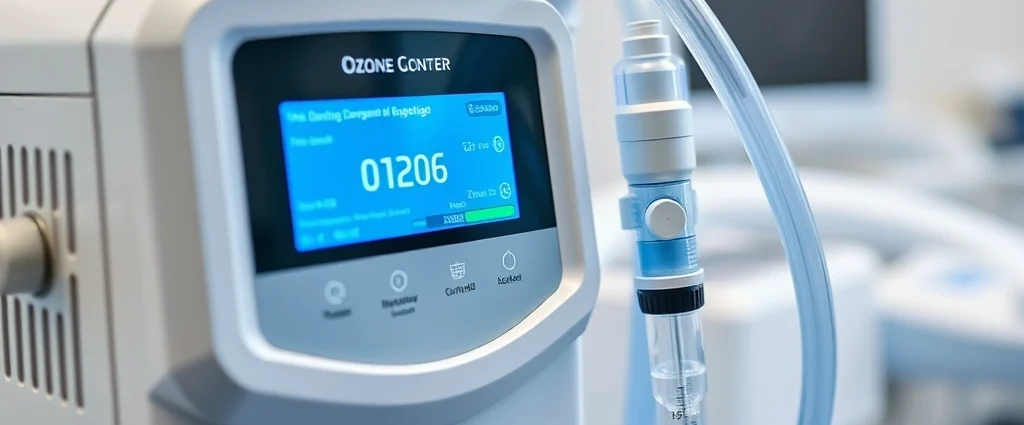
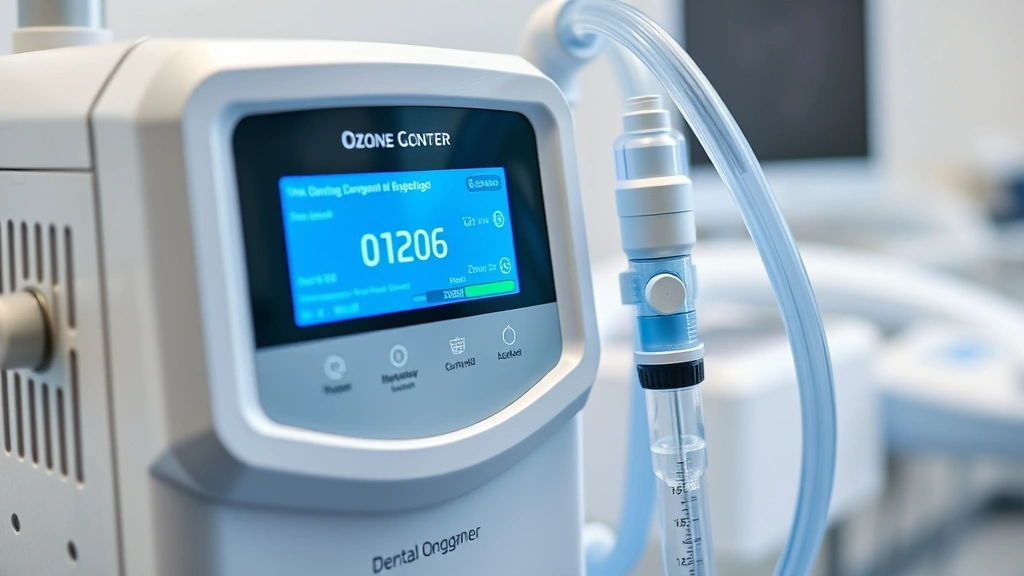
Ozone (O₃) is a triatomic oxygen molecule with distinct chemical properties that differentiate it from standard atmospheric oxygen (O₂). In dental applications, ozone is generated through specialized equipment that converts medical-grade oxygen into ozone gas or ozonated water through electrical discharge or ultraviolet radiation. The molecular instability of ozone makes it highly reactive, enabling rapid oxidation of cellular membranes and enzymatic systems in pathogenic organisms.
The therapeutic potential of ozone in dentistry stems from its ability to penetrate biofilms—the organized communities of microorganisms that resist conventional antimicrobial treatments. Dental biofilms are responsible for conditions ranging from caries to periodontitis, making their disruption a critical treatment objective. When ozone contacts bacterial cell walls, it disrupts lipid membranes and damages nucleic acids, effectively neutralizing pathogenic threats without generating resistant strains.
For dental professionals seeking to enhance their treatment arsenal, understanding ozone chemistry provides the foundation for safe and effective application. The therapy resources available through continuing education can help practitioners deepen their knowledge. Medical-grade ozone generators produce concentrations specifically calibrated for clinical use, typically ranging from 10 to 100 micrograms per milliliter, ensuring therapeutic efficacy while maintaining safety standards.
Antimicrobial Mechanisms in Oral Care
The antimicrobial action of ozone operates through multiple biochemical pathways, making it effective against a broad spectrum of oral pathogens. Research from institutions studying oxidative therapies demonstrates that ozone disrupts bacterial metabolism by interfering with glucose utilization pathways and disrupting electron transport chains essential for cellular respiration. This multi-targeted approach reduces the likelihood of pathogenic adaptation compared to single-mechanism antimicrobials.
Ozone’s effectiveness extends beyond bacterial organisms to include viral and fungal pathogens commonly encountered in oral cavities. For patients managing candidiasis or viral infections concurrent with dental treatment, ozone therapy offers a complementary approach that addresses multiple microbial challenges simultaneously. The oxidative mechanism proves particularly valuable in treating cases resistant to conventional antifungal agents.
When applied in dental practice, ozone therapy demonstrates particular efficacy in managing periodontal disease. The inflammatory cascade associated with periodontitis involves complex microbial communities and host immune responses. Ozone interrupts this cycle by eliminating pathogens while simultaneously stimulating fibroblast activity and enhancing angiogenesis—processes essential for tissue healing. Practitioners utilizing evidence-based therapeutic approaches recognize the importance of addressing both pathogenic elimination and tissue regeneration.
The antimicrobial spectrum of ozone therapy encompasses anaerobic bacteria predominantly responsible for oral infections. Streptococcus mutans, Porphyromonas gingivalis, and other pathogenic species demonstrate susceptibility to ozone oxidation at clinically relevant concentrations. This broad-spectrum activity distinguishes ozone from antibiotics that target specific bacterial mechanisms, potentially offering advantages in polymicrobial infections.
Clinical Applications in Dental Practice
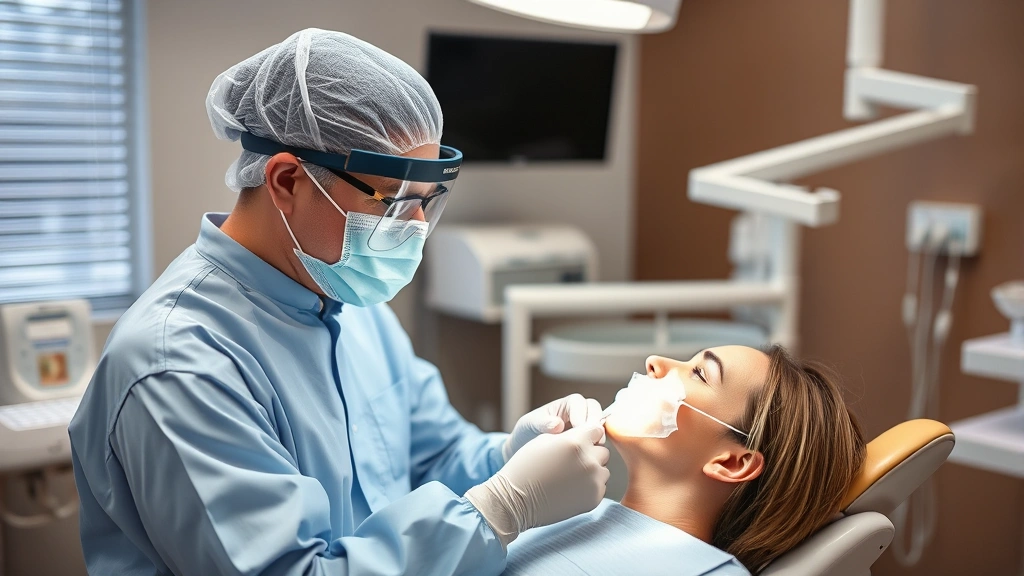
Dental practitioners employ ozone therapy across multiple clinical scenarios, each leveraging specific properties of the oxidative molecule. Caries management represents a primary application, where ozone therapy serves as an adjunctive tool to conventional cavity preparation and restoration techniques. The disinfection of carious lesions with ozone reduces residual bacterial populations that might otherwise compromise restoration longevity.
Periodontal treatment constitutes another significant application domain. Dentists utilize ozonated water irrigation during scaling and root planing procedures to enhance biofilm disruption and reduce bacterial recolonization. This approach proves particularly valuable in treating aggressive periodontitis or cases with compromised immune responses. The combination of mechanical debridement and oxidative disinfection addresses both biofilm architecture and pathogenic load.
Endodontic applications represent an emerging frontier in ozone therapy integration. Root canal disinfection represents a critical treatment phase, and ozone’s ability to penetrate complex canal anatomy offers theoretical advantages over conventional irrigation protocols. Practitioners implementing advanced therapeutic training programs increasingly explore ozone applications in endodontic practice.
Implant therapy and osseointegration benefit from ozone’s tissue-stimulating properties. Peri-implantitis—inflammation around dental implants—responds well to ozone therapy, which simultaneously eliminates pathogenic biofilms and enhances healing responses necessary for implant stabilization. The promotion of angiogenesis and fibroblast proliferation accelerates tissue integration around implant surfaces.
Post-operative wound management and extraction site healing represent additional clinical applications. Ozone therapy reduces secondary infection risk while promoting granulation tissue formation and epithelialization. Patients undergoing complex surgical procedures benefit from enhanced healing responses, potentially reducing post-operative complications and discomfort.
Evidence-Based Research and Efficacy
Scientific literature increasingly documents the clinical efficacy of ozone therapy in dental applications. Research published in peer-reviewed dental journals demonstrates statistically significant improvements in periodontal parameters when ozone therapy complements conventional treatment. Studies measuring probing depth reduction, bleeding on probing, and clinical attachment gain consistently show enhanced outcomes with integrated ozone protocols.
A comprehensive analysis of ozone therapy research reveals effectiveness comparable to or exceeding conventional antimicrobial approaches in select applications. The National Center for Biotechnology Information maintains extensive documentation of ozone therapy research, providing clinicians access to evidence-based literature. These resources support informed decision-making regarding therapy implementation.
Clinical trials examining caries risk reduction demonstrate that ozone application in early-stage lesions arrests progression and promotes remineralization. This preventive dimension extends ozone therapy beyond infection management to disease prevention, offering patients a proactive approach to oral health maintenance. The mechanism involves both pathogenic elimination and enhancement of natural remineralization processes.
Immunological studies reveal that ozone therapy stimulates protective immune responses beyond simple pathogenic elimination. Enhanced antioxidant enzyme production and improved immune cell function suggest systemic benefits extending beyond local treatment sites. For patients with compromised immune function, this immunostimulatory effect offers particular therapeutic value.
The PubMed database provides access to thousands of peer-reviewed studies examining ozone therapy efficacy across multiple medical and dental disciplines. Practitioners seeking to establish evidence-based protocols benefit from systematic review of available literature, ensuring treatment recommendations align with current scientific understanding.
Safety Protocols and Patient Considerations
Implementing ozone therapy requires adherence to rigorous safety protocols protecting both patients and practitioners. Ozone exposure presents respiratory hazards at elevated concentrations, necessitating proper equipment design with scavenging systems that eliminate excess gas. Dental offices integrating ozone therapy must ensure adequate ventilation and operator training to prevent occupational exposure.
Patient selection criteria guide appropriate ozone therapy application. Pregnant patients, individuals with severe respiratory compromise, and those with specific medical conditions require careful evaluation before ozone therapy initiation. Comprehensive medical history assessment identifies contraindications and allows practitioners to optimize treatment planning for individual patient circumstances.
Dosage and application parameters significantly influence safety and efficacy outcomes. Ozone concentrations, exposure duration, and application frequency require calibration based on clinical indication and patient factors. Professional training ensures practitioners understand equipment operation, appropriate dosing ranges, and recognition of adverse responses.
Informed consent discussions should address both potential benefits and theoretical risks associated with ozone therapy. Transparent communication regarding evidence quality, alternative treatment options, and expected outcomes enables patients to participate in treatment decision-making. This approach aligns with contemporary standards for patient-centered care and ethical dental practice.
Documentation of ozone therapy administration, including equipment parameters, application sites, and patient responses, creates important clinical records. These records facilitate treatment continuity, enable outcome assessment, and provide medicolegal protection for practitioners. Proper documentation represents an essential component of professional ozone therapy implementation.
Implementation Challenges and Best Practices
Despite promising therapeutic potential, implementing ozone therapy in dental practice presents logistical and educational challenges. Equipment acquisition represents a significant investment, requiring careful evaluation of generator reliability, safety features, and clinical capabilities. Practitioners must identify reputable manufacturers producing equipment meeting medical device standards and regulatory requirements.
Clinician training constitutes a critical implementation component often underestimated in practice integration. Comprehensive education addressing chemistry, biology, clinical applications, safety protocols, and equipment operation ensures practitioners can implement ozone therapy safely and effectively. Continuing education resources and specialized training programs provide essential knowledge for practitioners new to ozone therapy.
Regulatory and liability considerations vary by jurisdiction, requiring practitioners to understand local regulations governing ozone therapy practice. Some regions classify ozone therapy as experimental or non-standard, potentially affecting insurance coverage and liability protection. Practitioners must navigate regulatory landscapes carefully, ensuring compliance while advocating for evidence-based practice standards.
Integration of ozone therapy into existing treatment protocols requires thoughtful protocol development addressing indications, contraindications, application techniques, and outcome assessment. Standardized protocols facilitate consistent application, enable meaningful outcome tracking, and support continuous quality improvement. Peer consultation and case review discussions enhance protocol refinement based on clinical experience.
Patient education regarding ozone therapy benefits and limitations helps establish realistic expectations and optimize treatment compliance. Many patients remain unfamiliar with ozone therapy, requiring practitioners to explain mechanisms, expected outcomes, and integration with conventional treatments. Educational materials and chairside discussions support patient understanding and engagement.
Building referral networks with practitioners experienced in ozone therapy implementation facilitates knowledge exchange and problem-solving. Collaborative relationships with dental schools, research institutions, and pioneering practitioners provide access to current evidence and emerging applications. This professional network supports continuous learning and practice advancement.
Frequently Asked Questions
What is the primary mechanism by which ozone therapy eliminates oral pathogens?
Ozone eliminates pathogens through oxidative disruption of bacterial cell membranes and interference with cellular respiration. The triatomic oxygen molecule attacks lipid structures and nucleic acids, effectively neutralizing microorganisms without generating resistant strains through multiple biochemical pathways.
Can ozone therapy replace conventional dental treatments?
Ozone therapy functions best as a complementary adjunctive treatment rather than a replacement for conventional procedures. Mechanical debridement, restoration placement, and surgical interventions remain essential components of comprehensive dental care. Ozone therapy enhances outcomes when integrated strategically with evidence-based conventional approaches.
What patient populations benefit most from ozone therapy?
Patients with aggressive periodontitis, multiple dental infections, compromised immune function, or antibiotic sensitivity may experience particular benefits from ozone therapy. Elderly patients, those with systemic diseases affecting healing, and individuals seeking preventive approaches to oral health also represent appropriate candidates for consideration.
How long does ozone therapy treatment typically require?
Treatment duration varies based on clinical indication and application method. Single applications might require 5-15 minutes, while comprehensive periodontal treatment protocols may span multiple appointments over several weeks. Individualized treatment planning determines specific timing based on clinical objectives and patient response.
Is ozone therapy covered by dental insurance?
Insurance coverage varies significantly by carrier and geographic location. Many insurance companies classify ozone therapy as experimental or non-standard, potentially limiting coverage. Practitioners should discuss coverage possibilities with patients’ insurance providers and explore alternative financial arrangements when necessary.
What training do dentists need to safely administer ozone therapy?
Comprehensive training should address ozone chemistry and biology, equipment operation and maintenance, clinical applications and indications, safety protocols and hazard management, and regulatory compliance requirements. Specialized courses, manufacturer training, and mentorship from experienced practitioners provide essential preparation for safe ozone therapy implementation.
Are there any contraindications to ozone therapy?
Pregnancy, severe respiratory disease, uncontrolled asthma, and certain immunological conditions warrant careful evaluation before ozone therapy. Patients taking specific medications or with particular medical histories may require modified protocols or alternative treatments. Comprehensive medical assessment identifies individual contraindications.
How does ozone therapy compare to chlorhexidine and other antimicrobial rinses?
Ozone therapy offers broad-spectrum antimicrobial activity without the tissue toxicity or staining associated with chlorhexidine. The oxidative mechanism differs from chemical antimicrobials, potentially offering advantages in biofilm penetration and tissue stimulation. Both approaches demonstrate clinical efficacy; selection depends on specific clinical scenarios and patient factors.