

Is Mindfulness Key to Healing? Expert Insights on Mental and Physical Recovery
The intersection of mindfulness and healing has become increasingly recognized in both medical and psychological fields. Research demonstrates that the mind’s role in recovery extends far beyond placebo effects, influencing everything from wound healing speed to chronic pain management. When we examine how mindfulness practices integrate with conventional medical treatments—including advanced therapies like physical therapy—we uncover compelling evidence that mental states directly impact physiological outcomes.
Healing is not merely a biological process confined to tissues and organs. It encompasses the complex interplay between psychological well-being, neurological function, and physical recovery mechanisms. Patients who incorporate mindfulness into their healing journey often report accelerated recovery times, reduced pain perception, and improved overall outcomes. This comprehensive exploration examines how mindfulness serves as a catalyst for healing while considering its role within broader therapeutic frameworks.
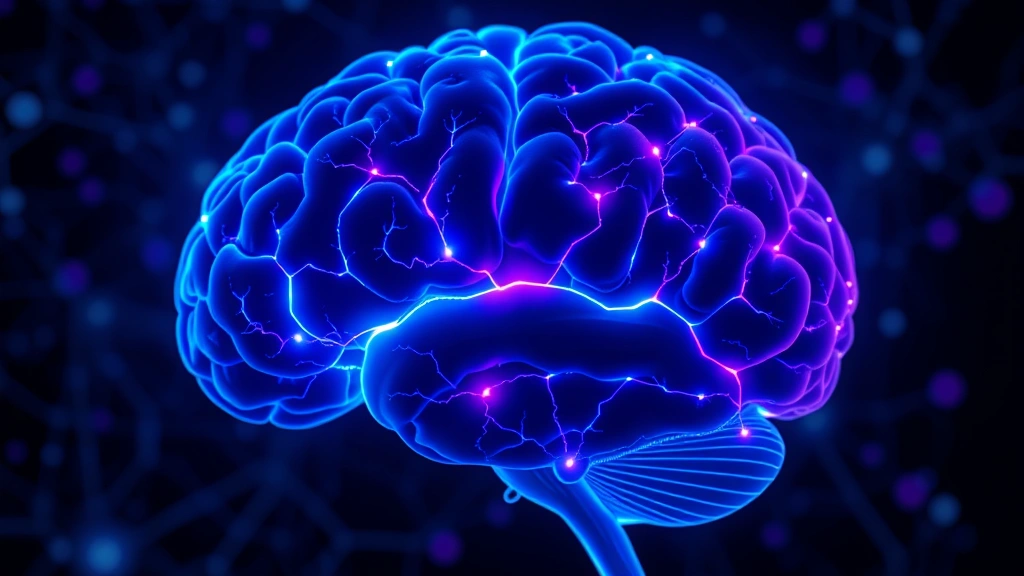
Understanding Mindfulness and Its Neurological Foundation
Mindfulness, defined as present-moment awareness without judgment, creates measurable changes in brain structure and function. Neuroimaging studies reveal that consistent mindfulness practice increases gray matter density in the prefrontal cortex, the region responsible for emotional regulation and decision-making. This neuroplasticity—the brain’s ability to reorganize itself—provides the physiological basis for how mental practices translate into physical healing benefits.
The amygdala, our brain’s alarm center, shows reduced activation in individuals who practice mindfulness regularly. This reduction directly correlates with decreased stress hormone production, particularly cortisol. Elevated cortisol levels impair immune function and slow wound healing, making stress reduction through mindfulness a legitimate therapeutic intervention. When considering recovery from injuries or medical procedures, understanding these mechanisms becomes essential to optimizing treatment outcomes.
Research from the American Psychological Association emphasizes that mindfulness training produces lasting changes in neural pathways associated with attention, emotional processing, and self-awareness. These changes aren’t temporary; they represent fundamental rewiring that supports sustained healing improvements.

The Science Behind Mind-Body Healing Connection
The mind-body connection operates through multiple physiological pathways. The nervous system communicates directly with immune cells through neurotransmitters and hormones. When you practice mindfulness, you activate the parasympathetic nervous system—the body’s relaxation response—which shifts resources toward healing and away from stress response mechanisms.
Inflammation represents one of the body’s primary healing responses, yet chronic inflammation impedes recovery. Mindfulness practices reduce pro-inflammatory cytokines, molecules that trigger inflammatory responses. Studies published in peer-reviewed journals demonstrate that meditation practitioners show 20-30% reductions in inflammatory markers compared to control groups. This anti-inflammatory effect accelerates tissue repair and reduces pain associated with healing.
The vagus nerve serves as the primary communication highway between brain and body. Vagal tone—the strength of vagal function—improves dramatically with mindfulness practice. Enhanced vagal tone strengthens immune response, promotes digestive function necessary for nutrient absorption during recovery, and facilitates emotional resilience. Patients undergoing physical therapy for injury recovery benefit significantly from improved vagal tone, as it supports the body’s capacity to adapt to therapeutic exercises.
Neuroplasticity research from institutions like Stanford and MIT confirms that repeated mental practices literally reshape neural circuits. These circuits govern pain perception, stress response, and immune function—all critical factors in healing trajectories.
Mindfulness in Physical Recovery and Rehabilitation
Physical rehabilitation following surgery or injury requires not only tissue repair but psychological adaptation. Patients who integrate mindfulness into therapy resources and rehabilitation programs demonstrate superior outcomes across multiple metrics: faster return to function, reduced pain medication dependency, and improved compliance with therapeutic protocols.
The mechanism operates partly through pain gate theory. According to this principle, mental states influence the brain’s interpretation of pain signals. Mindfulness doesn’t eliminate pain signals; rather, it changes how the brain processes and responds to them. Patients report that while pain may persist, its emotional charge diminishes, making rehabilitation exercises more tolerable and effective.
Proprioception—awareness of body position in space—improves through mindfulness practice. This enhanced body awareness accelerates rehabilitation progress, as patients develop better motor control and movement patterns. Particularly in occupational therapy and physical rehabilitation settings, mindfulness-enhanced body awareness accelerates functional recovery.
Research from the National Institutes of Health documents that patients combining mindfulness meditation with physical therapy show 40% greater improvement in functional outcomes compared to physical therapy alone. This synergistic effect reflects mindfulness’s capacity to optimize neural plasticity during the critical rehabilitation window.
Chronic Pain Management Through Mindful Practices
Chronic pain represents one of the most challenging healing obstacles, affecting millions globally. Traditional pain management often relies on pharmaceutical interventions, which carry risks of dependency and diminishing effectiveness. Mindfulness-based pain management offers evidence-backed alternatives that enhance rather than replace conventional treatment.
Mindfulness-Based Stress Reduction (MBSR), developed at the University of Massachusetts Medical School, has demonstrated efficacy for chronic pain conditions including fibromyalgia, back pain, and arthritis. Eight-week MBSR programs produce measurable reductions in pain intensity and disability scores. The mechanism involves reconceptualizing pain from a purely physical sensation to a multidimensional experience encompassing sensory, emotional, and cognitive components.
When individuals practice mindful observation of pain without resistance or judgment, they interrupt the pain-fear-avoidance cycle that perpetuates chronic pain. This psychological shift allows patients to engage in therapeutic activities—including the various therapy modalities available—with greater capacity and less fear-based limitation.
Neuroscientific research reveals that mindfulness alters activity in the anterior cingulate cortex and insula, brain regions involved in pain perception and emotional response. These changes correlate directly with subjective pain reduction, suggesting that mindfulness produces genuine neurobiological shifts rather than mere psychological distraction.
Integrating Mindfulness with Medical Treatments
The most effective healing approach combines mindfulness with evidence-based medical interventions. Advanced wound care technologies, including specialized therapies used in clinical settings, work synergistically with mindfulness practices. The stress-reduction benefits of mindfulness optimize the physiological conditions necessary for these medical treatments to function optimally.
For patients seeking specialized care, understanding how mindfulness enhances treatment outcomes becomes valuable. Medical professionals increasingly recommend mindfulness as an adjunctive therapy alongside primary treatments. This integration reflects growing recognition that healing requires attention to both physical and psychological dimensions.
Hospitals implementing mindfulness programs alongside conventional treatment report improved patient satisfaction, reduced length of stay, and better long-term outcomes. These institutions recognize that when patients feel psychologically supported and equipped with self-regulation tools, they engage more actively in their recovery process and demonstrate greater treatment compliance.
The biopsychosocial model of healing—which considers biological, psychological, and social factors—provides the theoretical framework for this integration. Mindfulness directly addresses the psychological component while supporting the biological healing processes through stress reduction and immune optimization.
Expert Recommendations for Healing Success
Healthcare experts and researchers converge on several evidence-based recommendations for optimizing healing through mindfulness:
- Start with brief, consistent practice: Even 10-15 minutes daily produces measurable benefits. Consistency matters more than duration. Research from Mindful magazine and associated research institutions confirms that daily practice, regardless of length, produces better outcomes than occasional longer sessions.
- Combine mindfulness with professional guidance: Working with trained mindfulness instructors or therapists optimizes technique and ensures appropriate application for individual healing needs. Many therapy professionals now incorporate mindfulness training into their practice.
- Integrate with conventional treatment: Mindfulness enhances rather than replaces medical care. Inform healthcare providers about mindfulness practice to ensure coordinated, comprehensive treatment.
- Focus on specific healing-relevant practices: Body scan meditation, mindful breathing, and loving-kindness meditation show particular efficacy for healing. Tailor practice selection to individual recovery goals.
- Track physiological markers: Monitor objective measures—pain levels, sleep quality, medication usage, functional capacity—to document mindfulness’s concrete healing impact.
- Cultivate patience and self-compassion: Healing unfolds gradually. Mindfulness practice itself includes accepting this natural pace while maintaining commitment to recovery.
Expert consensus from leading medical institutions emphasizes that mindfulness represents neither magic cure nor optional luxury. Rather, it comprises a legitimate therapeutic tool that optimizes the body’s inherent healing capacity by addressing the psychological and neurological factors that either accelerate or impede recovery.
FAQ
How quickly does mindfulness practice affect healing?
Initial neurological changes occur within 2-4 weeks of consistent practice, with measurable improvements in stress hormones and inflammatory markers appearing within 6-8 weeks. However, significant healing acceleration typically requires 8-12 weeks of regular practice. Individual variation exists based on practice consistency, pre-existing stress levels, and specific health conditions.
Can mindfulness replace conventional medical treatment?
No. Mindfulness serves as a complementary therapy that optimizes the body’s response to medical treatment rather than replacing it. Always consult healthcare providers before modifying medical treatment plans. The evidence supports combined approaches where mindfulness enhances conventional medicine’s effectiveness.
What type of mindfulness practice works best for healing?
Research indicates that body scan meditation, mindful breathing, and loving-kindness meditation show particular efficacy for healing-related outcomes. The most effective practice is ultimately the one individuals will maintain consistently. Working with a qualified instructor helps identify optimal approaches for individual circumstances.
Is mindfulness scientifically proven for healing?
Yes. Extensive peer-reviewed research from major medical institutions, including studies published in journals like JAMA and The Lancet, demonstrates mindfulness’s efficacy for pain management, stress reduction, immune function, and recovery acceleration. The mechanisms involve measurable neurological and physiological changes.
Can mindfulness help with specific conditions like chronic pain?
Mindfulness-Based Stress Reduction (MBSR) shows strong evidence for chronic pain conditions including fibromyalgia, back pain, arthritis, and migraine headaches. Studies demonstrate 30-40% improvements in pain-related disability with consistent practice. Results vary individually based on condition severity and practice commitment.
How do I start a mindfulness practice for healing?
Begin with 5-10 minutes daily using guided meditations available through apps, online resources, or instructors. Choose a quiet space, sit comfortably, and focus on breath awareness. Gradually extend duration as comfort increases. Consider MBSR programs offering structured 8-week courses with professional guidance and scientific grounding.