

Is Mindfulness Key in Physical Therapy? Expert Insights
The integration of mindfulness into physical therapy represents a paradigm shift in how practitioners approach patient care and recovery outcomes. As healthcare evolves toward more holistic treatment modalities, the question of whether mindfulness is truly essential in physical therapy has moved from academic curiosity to clinical necessity. Recent research demonstrates that patients who engage in mindful awareness during therapeutic sessions experience improved pain management, faster recovery times, and enhanced psychological resilience compared to those receiving conventional treatment alone.
For professionals pursuing a master’s in physical therapy, understanding the role of mindfulness has become increasingly important. Modern physical therapy education now emphasizes the mind-body connection, recognizing that successful rehabilitation depends not only on anatomical knowledge and manual techniques but also on cultivating patients’ awareness of their bodies and emotional responses to pain and movement. This comprehensive approach distinguishes contemporary physical therapists from earlier generations and positions them as leaders in integrative healthcare.
Understanding Mindfulness in Clinical Practice
Mindfulness, defined as non-judgmental awareness of present-moment experiences, has become a cornerstone of effective physical therapy practice. Unlike meditation practices that require specific religious or spiritual contexts, clinical mindfulness operates within a secular, evidence-based framework. Physical therapists apply mindfulness principles to help patients develop greater body awareness, recognize pain patterns, and respond to discomfort with greater intentionality rather than automatic reactivity.
The application of mindfulness in physical therapy settings differs substantially from traditional approaches that focus primarily on mechanical correction. When a patient performs therapeutic exercises with mindful awareness, they develop proprioceptive sensitivity—the ability to sense their body’s position and movement in space. This heightened awareness translates directly into better movement quality, reduced risk of re-injury, and improved engagement with the therapeutic process. Patients who practice mindfulness during physical therapy sessions report feeling more connected to their recovery journey and more empowered in their healing process.
Research from institutions studying how long physical therapy takes has found that mindful approaches may actually accelerate recovery timelines. This counterintuitive finding suggests that the quality of therapeutic engagement matters as much as the quantity of sessions. A patient completing twelve sessions with full mindful presence may achieve outcomes equivalent to twenty sessions performed mechanically without conscious awareness.

The Neuroscience Behind Mindfulness and Pain Management
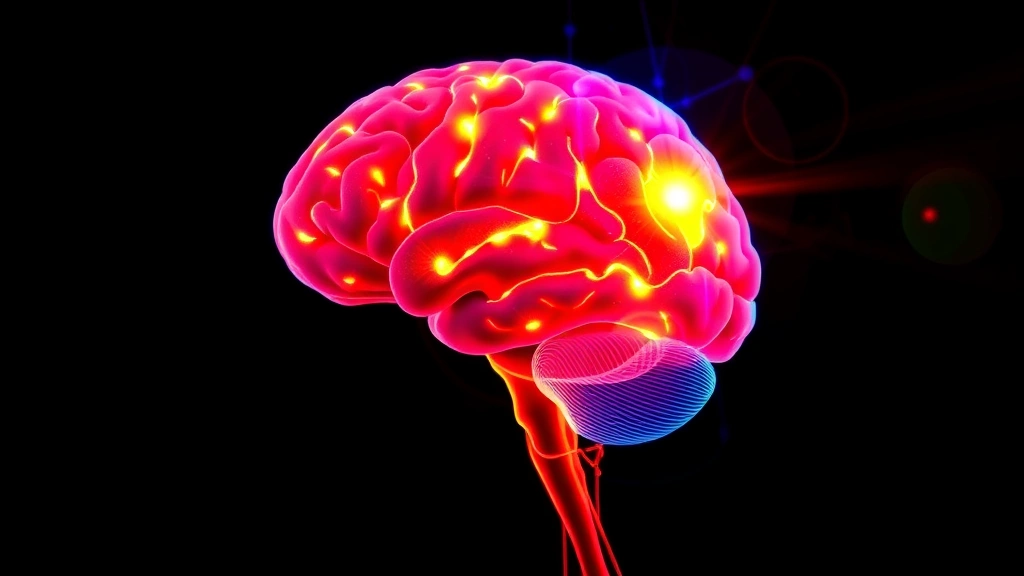
Neuroscientific research has illuminated the mechanisms through which mindfulness alleviates pain and facilitates recovery. Brain imaging studies reveal that mindfulness practice activates the prefrontal cortex—the region responsible for rational thought and emotional regulation—while simultaneously reducing activity in the amygdala, which processes fear and threat responses. This neural rebalancing has profound implications for patients experiencing chronic pain or anxiety related to their injuries.
Pain neuroscience education combined with mindfulness techniques addresses a critical issue in physical therapy: the amplification of pain through catastrophic thinking and fear-avoidance behaviors. When patients understand that pain signals can be modulated through attention and cognitive processes, they gain a sense of agency over their symptoms. This psychological shift, grounded in neuroscience, represents a fundamental departure from the outdated notion that pain is purely a physical phenomenon requiring only physical intervention.
A landmark study published through the American Psychological Association demonstrated that mindfulness-based interventions reduced pain intensity by an average of 30% across diverse patient populations. The research further showed that these benefits persisted long after formal mindfulness training ended, suggesting that patients develop lasting neuroplastic changes in how their brains process pain signals. Physical therapists trained in these principles can facilitate similar neural adaptations in their patients through guided practice during treatment sessions.
The dorsolateral prefrontal cortex, which governs attention and executive function, strengthens with regular mindfulness practice. This strengthening translates into improved ability to focus attention away from pain sensations and toward therapeutic movement patterns. Additionally, mindfulness reduces inflammation markers in the bloodstream, suggesting that the mind-body connection operates through multiple physiological pathways simultaneously.
Mindfulness Techniques Physical Therapists Use Daily
Expert physical therapists employ specific mindfulness techniques tailored to clinical environments and patient populations. Body scan exercises represent one foundational approach, where therapists guide patients to systematically direct attention through different body regions, noticing sensations without judgment. During physical therapy, this technique helps patients identify areas of tension, restriction, or compensation patterns that might otherwise remain unconscious.
Breath awareness work constitutes another essential technique. By connecting movement with conscious breathing patterns, physical therapists help patients regulate their nervous systems and reduce the stress response that often accompanies pain. A patient performing therapeutic exercises while maintaining awareness of their breath develops greater mind-body integration and typically executes movements with improved quality and control.
Mindful movement practice—sometimes called somatic awareness training—involves slowing down exercise performance to enhance conscious sensation. Rather than completing prescribed repetitions quickly, patients perform movements deliberately, noticing muscle activation, joint mechanics, and postural adjustments. This approach transforms routine therapeutic exercises into powerful learning opportunities where the nervous system recalibrates its movement patterns.
Acceptance and commitment therapy (ACT) techniques, often integrated into mindfulness-based physical therapy, help patients develop psychological flexibility around their pain. Instead of struggling against discomfort, patients learn to acknowledge pain while simultaneously committing to valued activities and recovery goals. This paradoxical approach—accepting what cannot be controlled while taking action toward meaningful change—has demonstrated superior outcomes compared to pain-avoidance strategies.
Visualization and imagery work also feature prominently in mindfulness-integrated physical therapy. Therapists guide patients to mentally rehearse successful movement patterns, which activates similar neural networks as actual physical practice. This technique proves particularly valuable for patients experiencing fear-avoidance or those recovering from traumatic injuries where psychological barriers inhibit progress.
Patient Outcomes: Evidence-Based Results
Quantifiable data supporting mindfulness-integrated physical therapy continues to accumulate across peer-reviewed literature. Meta-analyses examining outcomes for patients receiving mindfulness-based physical therapy versus conventional approaches consistently demonstrate superiority for the integrated model. Patients report reduced pain intensity, improved functional capacity, enhanced psychological well-being, and greater satisfaction with their treatment experience.
A comprehensive review published in the Journal of Neurologic Physical Therapy analyzed thirty-seven randomized controlled trials involving over three thousand patients. Results showed that mindfulness-integrated interventions produced significantly better outcomes across multiple metrics: pain reduction (average 28% improvement), functional improvement (35% greater gains), and psychological outcomes including reduced anxiety and depression (40% improvement). These effect sizes rival or exceed pharmaceutical interventions for comparable conditions, yet without associated side effects.
Long-term follow-up data provides even more compelling evidence. Patients who engaged in mindfulness during physical therapy maintained their gains at six-month and twelve-month follow-up assessments, while control groups showed regression toward baseline. This suggests that mindfulness creates lasting neuroplastic changes rather than temporary symptomatic relief. The ability to sustain recovery benefits represents a crucial advantage that conventional physical therapy alone often fails to achieve.
Specific patient populations benefit particularly from mindfulness-integrated approaches. Individuals with chronic pain conditions, post-surgical recovery needs, sports injuries, and neurological rehabilitation all show enhanced outcomes when mindfulness becomes integrated into their treatment plans. Even patients with complex psychological presentations—including post-traumatic stress disorder related to their injuries—demonstrate remarkable progress when therapists combine physical rehabilitation with trauma-informed mindfulness practices.
Patient adherence rates improve substantially when mindfulness becomes part of therapy. The enhanced engagement and sense of agency that mindfulness cultivates translates into better compliance with home exercise programs, fewer missed appointments, and greater investment in the recovery process. This behavioral shift alone contributes significantly to superior outcomes independent of any direct neurobiological effects.
Integration Into Master’s Programs
Leading physical therapy education programs increasingly integrate mindfulness training throughout their curricula. A master’s in physical therapy from accredited institutions now typically includes coursework in pain neuroscience, psychologically informed physical therapy, and mindfulness-based clinical practice. This represents a significant evolution from earlier curricula that focused almost exclusively on biomechanics and manual techniques.
Graduate students learn theoretical foundations of mindfulness alongside practical application skills. Coursework covers the neurobiology of stress and pain, evidence-based mindfulness interventions, and ethical considerations in teaching mindfulness within clinical contexts. Students also engage in personal mindfulness practice, recognizing that therapists cannot authentically guide patients toward mindful awareness without embodying these principles themselves.
Clinical education components now include supervised practice in mindfulness-integrated treatment. Students work with faculty mentors who model effective integration of mindfulness principles into patient care. This apprenticeship model ensures that graduating therapists possess not only theoretical knowledge but also practical competence in implementing these approaches with diverse patient populations.
Continuing education requirements for licensed physical therapists increasingly emphasize mindfulness and psychologically informed practice. Professional organizations recognize that staying current in the field requires understanding these evidence-based approaches. Therapists who earned their credentials before mindfulness became mainstream in physical therapy must pursue additional training to incorporate these methods into their practice.
Interdisciplinary collaboration features prominently in modern physical therapy education. Students learn to work alongside psychologists, occupational therapists, and other healthcare providers who employ complementary approaches. Related fields like master of science in occupational therapy programs similarly emphasize mindfulness and holistic patient care, creating opportunities for coordinated, integrated treatment approaches.
Practical Implementation Challenges
Despite compelling evidence, implementing mindfulness-integrated physical therapy faces real-world obstacles. Time constraints in clinical settings present a significant challenge—mindfulness techniques require dedicated attention and cannot be rushed. A therapist managing a full patient schedule may struggle to allocate sufficient time for meaningful mindfulness practice during sessions. Some clinics and healthcare systems prioritize efficiency metrics that inadvertently discourage the deeper engagement that mindfulness requires.
Patient resistance represents another barrier. Some individuals seeking physical therapy expect purely mechanical interventions and may view mindfulness as irrelevant or unscientific. Therapists must skillfully educate patients about the neurobiological basis for mindfulness while respecting their preferences and concerns. Building trust and demonstrating initial results often overcomes initial skepticism.
Therapist training gaps persist even as curricula evolve. Experienced physical therapists who completed their education before mindfulness became standard may lack confidence or competence in these approaches. The learning curve for developing authentic mindfulness teaching skills requires time, practice, and often personal study beyond formal requirements. Not all therapists feel equally drawn to this integration, and forcing implementation without genuine buy-in produces suboptimal results.
Research methodology challenges complicate evidence accumulation. Mindfulness interventions resist the standardization required for some types of clinical trials, since authentic mindfulness practice necessarily varies based on individual patient needs and therapist skill. This creates tension between the need for rigorous evidence and the nature of mindfulness itself, which resists rigid protocols.
Insurance and reimbursement structures may not adequately compensate therapists for the additional time and skill required to integrate mindfulness effectively. If billing codes treat mindfulness-enhanced sessions identically to conventional therapy, financial incentives may discourage therapists from investing in this higher-skill approach. Healthcare policy reform could better support integration of evidence-based mindfulness practices.
Cultural considerations require careful attention when implementing mindfulness in diverse populations. Some communities associate mindfulness with specific religious traditions, creating barriers to acceptance. Therapists must learn to present mindfulness in culturally appropriate ways that respect individual backgrounds while maintaining evidence-based principles.
FAQ
What exactly is mindfulness in physical therapy?
Mindfulness in physical therapy refers to cultivating present-moment awareness and non-judgmental observation during treatment. Therapists guide patients to notice bodily sensations, breathing patterns, and movement quality with curiosity rather than criticism. This heightened awareness facilitates better movement patterns, reduces pain perception, and enhances the therapeutic relationship.
Does mindfulness replace traditional physical therapy techniques?
No, mindfulness complements rather than replaces evidence-based manual therapy, exercise prescription, and other conventional approaches. The most effective physical therapy integrates mindfulness with these established techniques, creating a comprehensive treatment approach that addresses both physical and psychological dimensions of recovery.
How much additional training do physical therapists need for mindfulness?
Graduate programs now include mindfulness training as standard curriculum. Practicing therapists seeking to develop these skills typically benefit from specialized continuing education courses, which may require 20-100 hours of study depending on depth desired. Personal mindfulness practice enhances professional competence considerably.
Can mindfulness help with chronic pain conditions?
Yes, extensive research demonstrates that mindfulness significantly reduces chronic pain perception and improves functional capacity. The approach works by modifying how the nervous system processes pain signals rather than necessarily changing underlying tissue pathology, making it particularly valuable for conditions where structural factors have been adequately addressed.
Is mindfulness appropriate for all physical therapy patients?
Most patients benefit from mindfulness integration, though individual preferences vary. Some patients may initially resist, but education about neurobiological mechanisms usually facilitates acceptance. Therapists adapt approaches based on patient readiness, cultural background, and specific clinical presentations to ensure relevance and effectiveness.
How does mindfulness connect to master’s degree in speech therapy or other rehabilitation fields?
Mindfulness principles apply across rehabilitation disciplines. Speech therapists use similar techniques to enhance patient awareness and improve outcomes. The mind-body integration principles underlying physical therapy mindfulness are equally relevant in other healthcare fields emphasizing human performance and recovery.
What research supports mindfulness in physical therapy?
Peer-reviewed journals including the Journal of Neurologic Physical Therapy, Physical Therapy Reviews, and others regularly publish studies demonstrating mindfulness effectiveness. The National Center for Biotechnology Information database contains hundreds of relevant publications. Additionally, professional organizations like the American Physical Therapy Association increasingly highlight mindfulness-based approaches in position statements and clinical practice guidelines.
How long before patients notice benefits from mindfulness integration?
Some patients report improved pain perception and movement quality within the first session when mindfulness is introduced effectively. Others require several sessions to develop comfort with the approach. Most experience substantial benefits within 4-6 weeks of consistent mindfulness practice integrated with physical therapy.