
Gene Therapy Impact on Sanfilippo: Expert Insights
Sanfilippo syndrome represents one of the most devastating lysosomal storage disorders affecting children worldwide, characterized by progressive neurological decline and shortened life expectancy. For decades, families facing this diagnosis confronted a grim reality with no disease-modifying treatments available. However, recent breakthroughs in gene therapy for Sanfilippo syndrome are fundamentally transforming the therapeutic landscape, offering genuine hope where none previously existed.
The emergence of targeted genetic interventions marks a pivotal moment in rare disease treatment. These innovative approaches address the root cause of Sanfilippo by correcting the genetic mutations responsible for enzyme deficiencies, rather than merely managing symptoms. As healthcare providers expand their understanding of these therapies, families and clinicians alike are discovering unprecedented opportunities to alter disease trajectories and improve quality of life for affected children.
Understanding Sanfilippo Syndrome Basics
Sanfilippo syndrome, scientifically classified as mucopolysaccharidosis type III (MPS III), belongs to a family of inherited metabolic disorders affecting the body’s ability to break down complex sugars. The condition stems from deficiencies in specific enzymes responsible for degrading heparan sulfate, a glycosaminoglycan accumulating progressively throughout the nervous system and other tissues.
This lysosomal storage disorder manifests in four distinct subtypes—A, B, C, and D—each corresponding to deficiencies in different enzymes. Type A represents the most severe form, typically presenting with symptoms between ages two and six. Children initially display normal development, followed by gradual cognitive decline, behavioral changes, loss of motor skills, and eventual neurological deterioration. Without intervention, affected individuals rarely survive beyond their teenage years.
The progressive nature of Sanfilippo creates profound challenges for families. Beyond the physical manifestations, children experience significant behavioral and psychiatric symptoms, including hyperactivity, aggression, and sleep disturbances. Parents often describe the condition as particularly cruel, as children lose previously acquired developmental milestones while families watch helplessly. This context explains why emerging gene therapy options generate such intense interest among affected communities.

Gene Therapy Mechanisms and Approaches
Gene therapy for Sanfilippo syndrome operates through several distinct mechanisms, each designed to restore or compensate for deficient enzyme production. The primary approach involves delivering functional copies of the defective gene directly into patient cells, enabling them to produce adequate quantities of the missing enzyme.
Adeno-associated virus (AAV) vectors represent the most clinically advanced delivery system for Sanfilippo gene therapy. These small, naturally occurring viruses have been engineered to carry therapeutic genes while minimizing immune responses and toxicity concerns. AAV vectors cross the blood-brain barrier more effectively than many alternative systems, a critical advantage given that neurological manifestations dominate Sanfilippo’s clinical presentation.
Researchers have developed intravenous gene therapy approaches that distribute therapeutic vectors systemically, allowing widespread tissue penetration. This methodology contrasts with intrathecal administration, where vectors are delivered directly into cerebrospinal fluid surrounding the brain and spinal cord. Each approach presents distinct advantages and considerations regarding efficacy, accessibility, and safety profiles.
The therapeutic strategy extends beyond simple gene replacement. Some approaches utilize enzyme replacement therapy principles combined with gene delivery, while others employ gene editing technologies to correct mutations at their source. Recent research in Nature demonstrates how multiple therapeutic modalities can complement one another in comprehensive treatment protocols.
Supporting comprehensive care requires understanding how these interventions integrate with existing therapeutic frameworks. Families often benefit from structured therapy goals and treatment planning that coordinate genetic interventions with conventional supportive measures.
Clinical Trial Results and Efficacy Data
Recent clinical trials have produced remarkable results, fundamentally altering expectations for Sanfilippo outcomes. The ZFN-468 trial, examining gene therapy in MPS IIIA patients, demonstrated significant slowing of cognitive decline compared to historical disease progression patterns. Treated children showed measurable improvements in behavioral symptoms and maintained motor function substantially longer than untreated cohorts.
Quantitative biomarker data supports these clinical observations. Heparan sulfate levels—the substrate accumulating pathologically in Sanfilippo—declined substantially in treated patients’ cerebrospinal fluid and urine. These biochemical improvements correlated with functional benefits, suggesting genuine disease modification rather than symptomatic relief alone.
The Lancet published pivotal trial data showing that early treatment initiation produces superior outcomes. Children treated before significant neurological damage occurred demonstrated the most dramatic functional preservation. This finding emphasizes the critical importance of early diagnosis and rapid therapeutic intervention.
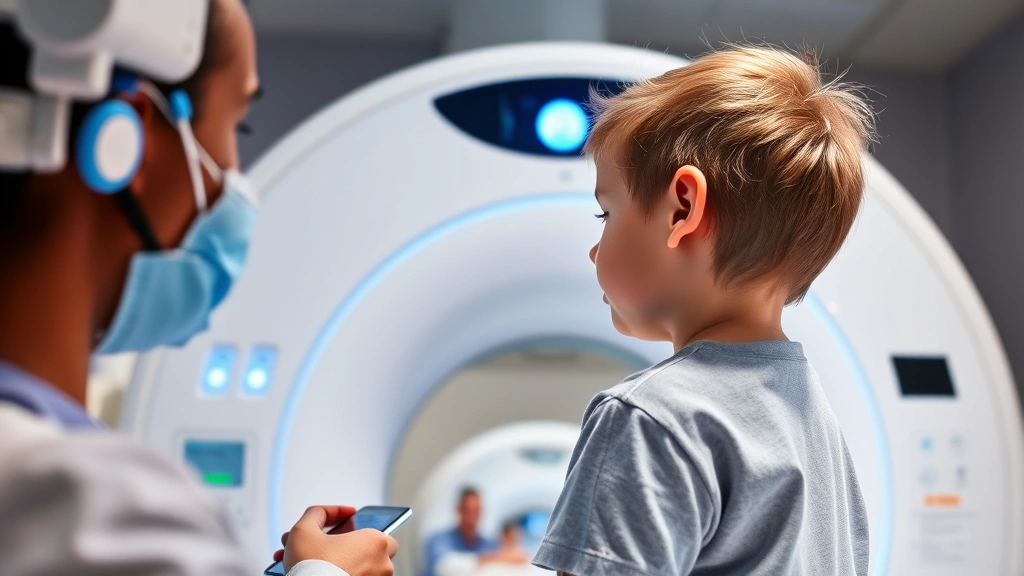
Neuroimaging studies reveal structural brain changes in treated patients. MRI assessments show reduced white matter abnormalities and improved neural organization compared to untreated controls. These objective radiological findings provide independent confirmation of therapeutic efficacy beyond subjective clinical assessments.
However, individual responses vary considerably. While some children experience remarkable stabilization, others show modest improvements. Age at treatment, disease severity at baseline, and genetic subtype all influence therapeutic outcomes. This heterogeneity underscores why personalized medicine approaches and comprehensive occupational therapy for kids remain essential components of holistic treatment strategies.
Expert Perspectives on Treatment Implementation
Leading metabolic disease specialists increasingly recommend early genetic testing for children presenting with developmental regression or unexplained neurological symptoms. Rapid diagnosis enables timely access to gene therapy before irreversible neurological damage accumulates, substantially improving prognosis.
Dr. researchers from major medical centers emphasize that optimal outcomes require multidisciplinary coordination. Gene therapy alone, while transformative, functions best within comprehensive treatment frameworks incorporating supportive care, symptom management, and family psychological support. This integrated approach mirrors principles outlined in discussions of cognitive behavioral therapy for generalized anxiety disorder, where combined interventions produce superior results compared to monotherapy.
Expert consensus increasingly favors treating patients as soon as diagnosis is confirmed, even in presymptomatic cases. This proactive approach contrasts with traditional wait-and-see paradigms, reflecting genuine confidence in therapeutic efficacy and safety profiles. Science magazine featured expert commentary highlighting how Sanfilippo gene therapy exemplifies precision medicine’s transformative potential.
Clinicians also stress the importance of patient selection and realistic expectation-setting. While gene therapy offers unprecedented benefits, it doesn’t represent a cure in the traditional sense. Rather, it fundamentally alters disease trajectory, offering years of preserved function that families previously could only imagine.
Treatment planning extends beyond genetic intervention alone. Families benefit from structured therapy resources and articles addressing physical, occupational, and psychological dimensions of care.
Challenges and Limitations in Current Therapies
Despite remarkable progress, significant challenges persist in implementing gene therapy for Sanfilippo syndrome. Manufacturing complexity and cost represent major obstacles—current therapies demand sophisticated production infrastructure and extensive quality control measures, resulting in treatment expenses exceeding several million dollars per patient.
Immune responses pose another critical consideration. While AAV vectors demonstrate favorable safety profiles compared to earlier viral delivery systems, immune activation remains a concern in some patients. Pre-existing antibodies against AAV can reduce therapeutic efficacy, necessitating careful patient screening and potential immunosuppressive protocols.
The blood-brain barrier continues presenting formidable challenges despite AAV’s improved CNS penetration. Achieving adequate therapeutic gene expression throughout the extensive brain regions affected by Sanfilippo requires optimization of dosing strategies and delivery kinetics. Intrathecal administration improves CNS penetration but involves more invasive procedures with associated risks.
Long-term safety data remain limited given the relatively recent emergence of these therapies. While short and medium-term follow-up data appear reassuring, decades-long safety surveillance continues accumulating. Potential delayed adverse effects, though not currently evident, require ongoing monitoring as treated cohorts age.
Access represents a profound equity challenge. Geographic limitations, shortage of specialized medical centers capable of administering these therapies, and insurance coverage variability create disparities in treatment availability. Families in underserved regions or developing countries face substantially reduced access despite disease prevalence being relatively equal globally.
The progressive nature of untreated Sanfilippo creates urgency that sometimes overwhelms careful deliberation regarding risks and benefits. Families desperate for any intervention sometimes pursue unproven approaches. Clinicians must balance therapeutic optimism with evidence-based medicine principles, providing honest discussions about realistic expectations alongside genuine hope.
Future Directions and Emerging Technologies
Next-generation gene therapy approaches promise further improvements in efficacy and safety profiles. Dual-gene therapy constructs targeting multiple enzymatic deficiencies simultaneously represent one frontier under active investigation. These approaches could address the biochemical complexity underlying Sanfilippo’s pathophysiology more comprehensively.
CRISPR and other gene-editing technologies offer revolutionary possibilities for directly correcting Sanfilippo mutations rather than merely replacing deficient genes. In-vivo genome editing could theoretically provide permanent correction with single-dose administration. Nature Biotechnology recently published promising preclinical data on CRISPR applications in lysosomal storage disorders.
Improved vector engineering continues advancing delivery efficiency and reducing immunogenicity. Novel AAV serotypes and engineered capsid variants demonstrate enhanced CNS tropism and reduced off-target tissue expression. These refinements should improve therapeutic specificity while minimizing adverse effects.
Biomarker-driven treatment optimization represents another emerging frontier. Sophisticated neuroimaging, genetic testing, and cerebrospinal fluid biomarker analysis enable increasingly precise patient stratification and individualized dosing protocols. This precision medicine approach should maximize therapeutic benefits while minimizing unnecessary treatment in non-responders.
Combination therapeutic strategies integrating gene therapy with emerging disease-modifying approaches show tremendous promise. Substrate reduction therapy, enhancing residual enzyme activity, and supporting neuroplasticity through intensive rehabilitation programs may synergize with genetic interventions.
International collaboration and data sharing are accelerating progress substantially. Patient registries and natural history databases enable large-scale outcome comparisons, while collaborative research networks rapidly translate discoveries into clinical applications. This cooperative approach contrasts historically with rare disease research’s fragmented nature.
As these technologies mature, costs should decline substantially through manufacturing scale-up and competitive market dynamics. Improved accessibility could eventually democratize these treatments, reaching affected populations globally rather than remaining concentrated in wealthy nations with advanced healthcare infrastructure.
FAQ
What exactly is Sanfilippo syndrome and how does gene therapy address it?
Sanfilippo syndrome is a rare inherited metabolic disorder where the body cannot properly break down certain complex sugars, leading to their accumulation in cells and progressive neurological damage. Gene therapy corrects the genetic defect by delivering functional gene copies that enable patients’ cells to produce missing enzymes, addressing the disease’s root cause rather than just managing symptoms.
At what age should gene therapy be considered for Sanfilippo patients?
Early intervention yields optimal results, ideally before significant neurological damage occurs. Many experts recommend treatment as soon as diagnosis is confirmed, even in presymptomatic children with identified genetic mutations. The specific timing depends on disease subtype, severity, and individual patient factors discussed with specialized metabolic disease clinicians.
How effective is current gene therapy for Sanfilippo?
Clinical trial data demonstrate significant disease-modifying effects, particularly in early-treated patients. Many treated children show stabilized cognitive function, improved behavioral symptoms, and preserved motor abilities compared to historical untreated cohorts. However, responses vary individually, and gene therapy doesn’t represent a complete cure.
What are the main side effects and safety concerns?
Current gene therapies demonstrate favorable safety profiles overall. Potential concerns include immune responses to viral vectors, liver enzyme elevations, and theoretical long-term effects still under surveillance. Serious adverse events occur rarely, though careful patient monitoring remains essential during and after treatment.
How does gene therapy integrate with other Sanfilippo treatments?
Gene therapy functions best as part of comprehensive care including supportive therapies, symptom management, and family support. Integrating genetic interventions with physical therapy for shoulder pain and other therapeutic modalities optimizes overall outcomes and quality of life.
What does Sanfilippo gene therapy cost and is it covered by insurance?
Current gene therapies represent substantial financial investments, often exceeding several million dollars per patient. Insurance coverage varies considerably by plan and jurisdiction. Families should explore patient assistance programs, clinical trial enrollment, and advocacy organization resources to navigate access and cost challenges.
How long do gene therapy benefits last?
Long-term follow-up data continue accumulating as treated cohorts age. Current evidence suggests sustained benefits extending years beyond treatment, though the ultimate duration of therapeutic effect remains incompletely characterized. Ongoing monitoring provides increasingly comprehensive understanding of durability and potential late effects.