
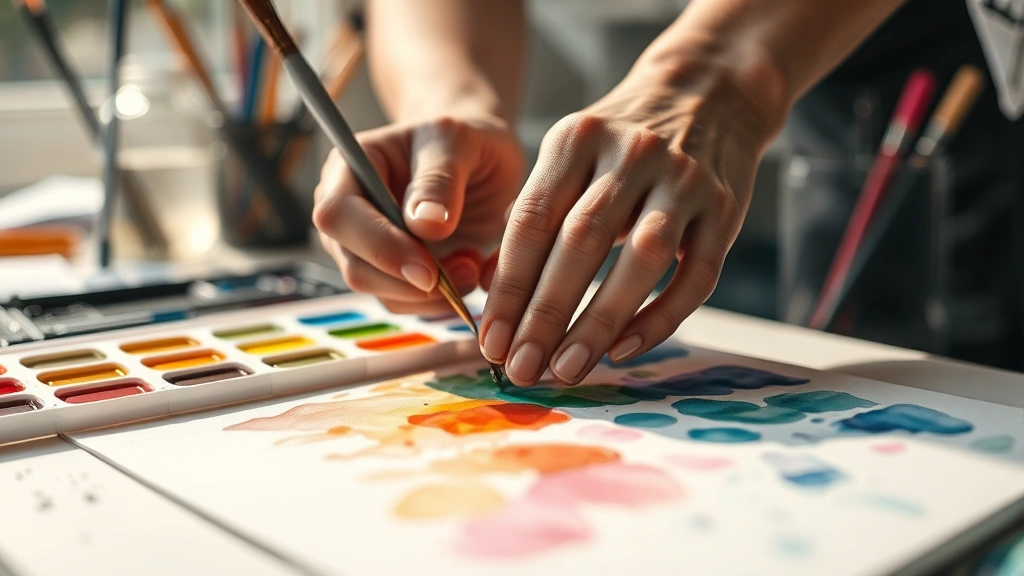
How Does Art Therapy Heal? Expert Insights
Art therapy represents one of the most compelling intersections between creative expression and psychological healing. Unlike traditional talk therapy, art therapy leverages the brain’s natural response to visual creation, color, and tactile engagement to facilitate emotional processing and mental health improvements. This evidence-based therapeutic approach has gained significant recognition in clinical settings, hospitals, schools, and private practices worldwide.
The healing power of art therapy stems from its ability to bypass verbal communication barriers and access deeper layers of consciousness. When individuals engage in creative activities—whether painting, sculpting, drawing, or collage-making—they activate neural pathways associated with emotion regulation, memory processing, and self-reflection. Research consistently demonstrates that art therapy produces measurable improvements in anxiety, depression, trauma recovery, and overall psychological well-being.

Understanding the Science Behind Art Therapy
Art therapy operates on well-established neuroscientific principles that explain why creative expression produces therapeutic benefits. When individuals engage in artistic activities, multiple brain regions activate simultaneously, including the prefrontal cortex (responsible for decision-making and emotional regulation), the amygdala (processing emotions), and the hippocampus (memory formation). This multi-regional activation creates a unique neurobiological state that facilitates healing.
Research published by the American Psychological Association demonstrates that art-making increases cortisol reduction and promotes parasympathetic nervous system activation—the body’s natural relaxation response. A landmark study found that just 45 minutes of creative engagement significantly lowered stress hormones regardless of artistic skill level or prior experience. The process itself, not the product, generates the therapeutic benefit.
The neuroplasticity principle underlies much of art therapy’s effectiveness. The brain possesses remarkable ability to form new neural connections throughout life, and creative activities strengthen these pathways. When individuals repeatedly engage in artistic expression, they literally rewire their brains toward more adaptive emotional processing and coping mechanisms. This foundational understanding explains why art therapy produces lasting changes rather than temporary relief.
Additionally, art therapy activates the default mode network—the brain system associated with self-referential thinking and introspection. This activation allows individuals to process personal experiences, examine beliefs, and gain insights about themselves in ways that purely verbal therapy might not achieve. The visual, kinesthetic, and sensory components of art-making engage the whole brain rather than relying solely on language-based processing.

Key Mechanisms of Healing Through Creative Expression
Art therapy facilitates healing through several interconnected mechanisms that work synergistically to promote psychological and emotional recovery. Understanding these mechanisms helps explain why art therapy proves effective for diverse populations and conditions.
Emotional Expression and Regulation: Art provides a safe, non-judgmental channel for expressing emotions that individuals struggle to verbalize. Many people find it easier to paint anger, draw sadness, or sculpt anxiety than to discuss these feelings directly. This externalization process—moving emotions from internal experience to external representation—creates psychological distance that enables reflection and processing. Once emotions are externalized through art, individuals can examine them more objectively and develop healthier responses. This process parallels approaches used in cognitive behavioral therapy for generalized anxiety disorder, which also emphasizes identifying and reframing emotional patterns.
Narrative Integration: Trauma and psychological distress often fragment memory and create fragmented sense of self. Art therapy helps individuals integrate these fragmented experiences into coherent narratives. By visually representing traumatic memories, difficult experiences, or confusing emotions, people can begin organizing chaotic internal experiences into meaningful stories. This narrative integration reduces the fragmentation characteristic of trauma and promotes psychological healing.
Sensory Engagement: The tactile, visual, and sometimes auditory components of art-making engage sensory systems often underutilized in modern life. This sensory richness activates the parasympathetic nervous system and promotes present-moment awareness. The physical act of creating—feeling paint texture, hearing brush strokes, manipulating clay—grounds individuals in the present moment and interrupts rumination patterns associated with anxiety and depression.
Symbolic Processing: Art enables symbolic representation of complex psychological material. Colors, shapes, and images carry symbolic meaning that allows expression of concepts difficult to articulate verbally. A person might represent depression as dark colors and heavy forms, or recovery as movement toward lighter hues and more open compositions. This symbolic language provides access to unconscious material and facilitates deeper psychological work.
Sense of Agency and Control: Creating art provides experiences of agency, choice, and control—qualities often diminished in individuals with trauma, depression, or anxiety. The ability to make decisions about colors, forms, and compositions, and to see these decisions manifest in tangible results, builds confidence and restores sense of personal power. This reclamation of agency extends beyond the art-making session into daily life.
Flow State Activation: Art-making frequently produces flow states—periods of deep engagement where self-consciousness diminishes and individuals become fully absorbed in activity. Flow states provide temporary respite from rumination and worry while simultaneously building neurobiological resilience. Regular flow experiences strengthen neural networks associated with well-being and life satisfaction.
Art Therapy for Specific Mental Health Conditions
Extensive research demonstrates art therapy’s effectiveness across diverse mental health conditions and populations. Understanding condition-specific applications helps individuals and clinicians identify when art therapy might provide particular benefit.
Trauma and PTSD: Art therapy shows remarkable effectiveness for trauma processing and post-traumatic stress disorder. The visual, non-verbal nature of art-making allows trauma survivors to express experiences that words cannot adequately capture. Trauma-informed art therapists use specific techniques to help clients process traumatic memories safely, gradually increasing emotional tolerance while building coping resources. Research from the National Institute of Mental Health indicates art therapy produces significant reductions in PTSD symptoms comparable to evidence-based talk therapies.
Depression: Art therapy addresses depression through multiple pathways. The behavioral activation component—engaging in meaningful activity—counters depressive withdrawal. The emotional expression component provides outlet for depressive feelings. The sense of accomplishment from creating tangible work builds self-efficacy and motivation. Many individuals report that art therapy helps them reconnect with interests and pleasures lost to depression.
Anxiety Disorders: For individuals struggling with anxiety, art therapy provides grounding through sensory engagement while simultaneously providing expression for anxious thoughts and worries. The meditative quality of art-making activates relaxation responses. Individuals can visually represent anxiety spirals and then deliberately transform these representations, symbolically practicing anxiety management. This approach complements other anxiety treatments like the therapy resources available through MindLift Daily Blog.
Grief and Bereavement: Art therapy provides powerful support for individuals navigating grief. Creating visual tributes to deceased loved ones, representing the grief journey, or exploring identity after loss helps individuals process bereavement. Art becomes a bridge between internal emotional experience and external expression, facilitating the necessary psychological work of grief integration.
Autism Spectrum and Developmental Conditions: For individuals with autism or developmental differences who may struggle with verbal expression, art therapy provides alternative communication channels. Non-verbal individuals can express preferences, feelings, and needs through art. The structured, creative nature of art-making often appeals to autistic individuals and supports emotional development and social connection.
Chronic Illness and Pain Management: Art therapy helps individuals cope with chronic illness and pain by providing psychological respite, promoting emotional expression about illness-related stress, and building sense of meaning and purpose. The mind-body connection activated through art-making influences pain perception and emotional resilience. This integrative approach complements medical treatment and physical rehabilitation, similar to benefits described in discussions of physical therapy for shoulder pain that acknowledges psychological dimensions of recovery.
The Role of the Art Therapist
Professional art therapists bring specialized training and expertise that distinguishes art therapy from recreational art or simple art classes. Understanding the therapist’s role clarifies how art therapy functions as legitimate clinical intervention.
Certified art therapists complete graduate-level training in psychology, human development, neurobiology, and therapeutic techniques alongside intensive art training. They understand psychological assessment, diagnosis, treatment planning, and ethical practice. Rather than teaching art skills, art therapists create therapeutic relationships and guide individuals toward healing through creative expression. The therapist’s clinical expertise determines how art materials are introduced, how the creative process is facilitated, and how art work is processed therapeutically.
Art therapists assess individuals’ emotional states, psychological needs, and treatment goals, then select appropriate art interventions. They might introduce structured activities with specific therapeutic objectives or provide open-ended creative space. They observe the art-making process—not just the finished product—noting color choices, mark-making patterns, pacing, and emotional expressions that provide clinical information. Most importantly, they process the artwork with clients, exploring meaning, symbolism, and connections to psychological healing.
The therapeutic relationship between art therapist and client proves crucial to outcomes. This relationship provides safety, validation, and attunement that enable vulnerable emotional expression. Many individuals find it easier to engage emotionally when their art therapist is present and interested in their creative process, compared to discussing emotions directly. The art becomes a bridge facilitating deeper therapeutic connection.
Art therapists work in diverse settings including hospitals, psychiatric facilities, schools, private practice, community mental health centers, and correctional facilities. They collaborate with other mental health professionals, contributing art therapy perspectives to comprehensive treatment planning. Many individuals benefit from integrated treatment combining art therapy with therapy services and other modalities.
Integrating Art Therapy with Other Treatment Approaches
Art therapy functions most powerfully as component of comprehensive treatment rather than standalone intervention. Integration with other therapeutic approaches creates synergistic benefits and addresses multiple dimensions of psychological healing.
Art Therapy and Psychotherapy: Combining art therapy with traditional talk therapy addresses both verbal and non-verbal processing. Some weeks, individuals might focus on cognitive work and insight development in talk therapy, then process emotional dimensions through art therapy. The different modalities complement each other, with art therapy often accessing material that purely verbal therapy might miss. This integrated approach aligns with contemporary understanding that multiple therapeutic pathways strengthen outcomes.
Art Therapy and Medication: For individuals taking psychiatric medications, art therapy provides psychological treatment addressing the psychological dimensions of mental illness. Medication manages neurobiological aspects while art therapy facilitates emotional processing and coping development. Many clinicians recommend combining these approaches for optimal outcomes.
Art Therapy in Group Settings: Group art therapy adds social and interpersonal dimensions to healing. Individuals witness others’ creative processes, share artwork, and receive feedback and support from peers. This social connection combats isolation while providing opportunities to practice social skills and build community. Group art therapy proves particularly valuable in occupational therapy and rehabilitation settings where community reintegration represents important treatment goal.
Art Therapy and Mindfulness: Art-making naturally incorporates mindfulness principles—present-moment awareness, non-judgment, acceptance of experience. Many art therapists explicitly integrate mindfulness techniques, guiding individuals toward meditative engagement with art materials. This combination strengthens both the mindfulness benefits and the creative therapeutic benefits.
Art Therapy and Somatic Approaches: Since art-making engages the body through movement, sensation, and proprioception, art therapy naturally complements somatic therapies that emphasize body-based healing. Together, these approaches address how trauma and emotional distress become encoded in the body, and how creative expression and body awareness facilitate release and healing.
Art Therapy and Neurofeedback: Emerging research explores combining art therapy with neurofeedback technologies that provide real-time brain activity information. This integration could optimize therapeutic outcomes by helping individuals understand how their creative engagement influences brain function, strengthening motivation and self-awareness.
Research from the American Art Therapy Association demonstrates that integrated treatment approaches produce superior outcomes compared to single-modality treatment. The key involves thoughtful coordination between providers and clear communication about treatment goals and progress.
Frequently Asked Questions
Do I need artistic talent for art therapy to work?
Absolutely not. Art therapy effectiveness depends entirely on the process of creative expression, not on artistic skill or product quality. Many individuals report that freedom from performance pressure and perfectionism actually enhances therapeutic benefits. Art therapists explicitly frame art-making as non-judgmental exploration rather than artistic creation, welcoming all expressions regardless of technical skill.
How long does art therapy take to show results?
Individual responses vary considerably based on presenting concerns, trauma history, and engagement level. Some individuals notice benefits after single sessions—decreased anxiety, improved mood, or greater emotional clarity. Others require weeks or months of consistent engagement for significant changes. Chronic conditions and trauma typically require longer treatment duration than acute stress or adjustment difficulties. Regular, consistent engagement produces better outcomes than sporadic participation.
Is art therapy appropriate for children?
Art therapy proves particularly effective for children, who often express themselves more readily through creative media than verbal communication. Child art therapists use age-appropriate materials and activities, creating safe spaces for children to process emotions, experiences, and developmental challenges. Parents and caregivers frequently participate in sessions, strengthening family healing.
Can art therapy replace psychiatric medication?
Art therapy should not replace psychiatric medication for individuals who require pharmacological treatment. Rather, art therapy complements medication by addressing psychological dimensions of mental illness while medication manages neurobiological aspects. Decisions about medication should involve consultation with qualified psychiatrists. Many individuals benefit most from integrated treatment combining both approaches.
What materials are used in art therapy?
Art therapists use diverse materials including paints, markers, colored pencils, clay, collage materials, pastels, and found objects. The choice of materials depends on therapeutic goals and individual preferences. Some materials encourage free expression and emotional release, while others promote focus and fine motor engagement. Art therapists select materials strategically to support specific therapeutic objectives.
How is art therapy different from art classes?
While both involve creative expression, art therapy differs fundamentally in purpose and approach. Art classes teach artistic techniques and skill development. Art therapy uses creative expression as vehicle for psychological healing, emotional processing, and personal growth. Art therapists hold clinical training in psychology and therapy, not primarily art instruction. The focus remains on therapeutic benefit rather than artistic product.
Can art therapy help with physical health conditions?
Emerging research suggests art therapy supports physical health through stress reduction, improved mood, enhanced immune function, and better pain management. The mind-body connection means that psychological healing influences physical well-being. Many hospitals and rehabilitation centers integrate art therapy into comprehensive treatment for chronic illness, pain, and recovery from medical procedures.

