How Art Therapy Transforms Mental Health: Expert Insights
Art therapy represents a powerful intersection of creative expression and psychological healing, offering individuals a non-verbal pathway to process emotions, trauma, and life experiences. Unlike traditional talk therapy, art therapy leverages the inherent therapeutic properties of creative engagement, allowing clients to communicate what words often cannot capture. This evidence-based practice has gained significant recognition within mental health communities, with mounting research demonstrating its effectiveness across diverse populations and conditions.
The transformative potential of art therapy extends beyond simple creative enjoyment. When individuals engage in artistic activities under the guidance of trained professionals, they activate neural pathways associated with emotional regulation, self-awareness, and cognitive flexibility. Whether through painting, sculpture, collage, or drawing, the process itself becomes medicine—offering clients a tangible way to externalize internal struggles and witness their own capacity for creation and healing.
Understanding Art Therapy Fundamentals
Art therapy is a mental health profession that uses the creative process of making art to improve and enhance physical, mental, and emotional well-being. The American Art Therapy Association defines it as a healthcare profession that uses evidence-based practices to address psychological, cognitive, and emotional challenges. This distinction is crucial—art therapy is not simply art class or recreational crafting, but a clinical intervention grounded in psychological theory and research.
The practice emerged formally in the mid-twentieth century, though artistic expression has served healing purposes throughout human history. Trained occupational therapy professionals and specialized art therapists now work across hospitals, clinics, schools, and private practices, adapting their approaches to meet individual client needs. The therapeutic relationship between client and therapist remains central, with the artwork serving as a bridge for communication and insight.
Core principles of art therapy include the belief that the creative process itself is inherently therapeutic, regardless of artistic skill or talent. Clients need not be “good at art” to benefit—in fact, perfectionism can sometimes hinder the therapeutic process. The focus remains on authentic expression, exploration, and meaning-making rather than aesthetic achievement or technical proficiency.
Neurobiological Mechanisms Behind Healing
Recent neuroscience research illuminates how art-making activates multiple brain regions simultaneously, creating therapeutic effects at the neurobiological level. When individuals engage in creative activities, the brain releases dopamine, a neurotransmitter associated with reward and motivation, reinforcing the desire to continue engaging in therapeutic work. This neurochemical response contributes to improved mood and increased sense of agency.
The prefrontal cortex, responsible for executive function and emotional regulation, becomes more active during art-making activities. Simultaneously, the amygdala—the brain’s alarm system—shows decreased activation, suggesting that creative engagement helps modulate fear responses and emotional reactivity. This dual activation pattern explains why individuals often report feeling simultaneously engaged and calm after art therapy sessions.
Research from the National Institutes of Health demonstrates that art-making reduces cortisol levels, the primary stress hormone. A single 45-minute creative session can significantly lower physiological stress markers, making art therapy a potent intervention for anxiety and stress-related conditions. This biological response occurs regardless of the artwork’s final appearance, emphasizing that therapeutic benefit stems from the process rather than the product.
The default mode network, a brain system active during self-referential thinking and introspection, becomes optimally engaged during art therapy. This network activation supports the kind of deep self-reflection necessary for psychological growth and trauma processing. Additionally, art-making engages both brain hemispheres—the logical left hemisphere and the creative right hemisphere—promoting neural integration and whole-brain processing.
Art Therapy for Specific Mental Health Conditions
Art therapy demonstrates particular efficacy for anxiety disorders and trauma-related conditions. For individuals with post-traumatic stress disorder (PTSD), art-making provides a way to process traumatic memories without requiring complete verbal articulation of overwhelming experiences. The creative process allows gradual exposure and integration of traumatic material at a pace the client can tolerate.
Depression responds well to art therapy interventions, particularly because the practice counteracts anhedonia—the loss of pleasure characteristic of depressive episodes. Engaging in creative activity reconnects individuals with sources of meaning and accomplishment. Over time, consistent art therapy practice can shift neural patterns associated with depressive rumination toward more positive, creative engagement with life.
For individuals navigating mental health treatment decisions, art therapy offers a complementary approach that integrates well with medication and other therapeutic modalities. Attention-deficit/hyperactivity disorder (ADHD) clients benefit from the focused, engaging nature of art-making, which provides structured outlets for kinetic energy while supporting attention development. The multimodal stimulation of art therapy—visual, tactile, proprioceptive—engages diverse sensory systems simultaneously.
Autism spectrum individuals often respond exceptionally well to art therapy, which respects alternative communication styles and sensory preferences. The non-verbal nature of artistic expression accommodates those who experience challenges with conventional verbal communication while honoring their unique neurology. Eating disorders, self-harm behaviors, and substance abuse issues all respond to art therapy’s capacity to build awareness and develop alternative coping mechanisms.
Grief and bereavement support through art therapy allows individuals to honor loss, externalize pain, and gradually integrate changed circumstances into their life narrative. The creative process validates the depth of grief while supporting movement toward meaning-making and eventual acceptance.
Integration with Other Therapeutic Approaches
Art therapy integrates seamlessly with other therapy resources and clinical approaches, enhancing overall treatment effectiveness. When combined with cognitive-behavioral therapy (CBT), art-making provides concrete tools for identifying and challenging distorted thought patterns. Clients can visually represent problematic beliefs, then gradually transform the artwork to reflect more adaptive perspectives.
Psychodynamic therapy benefits from the symbolic language art provides. Unconscious material often emerges more readily through creative expression than verbal processing alone. Therapists trained in both art therapy and psychodynamic approaches can help clients explore the symbolic meanings in their artwork, uncovering deeper psychological patterns and motivations.
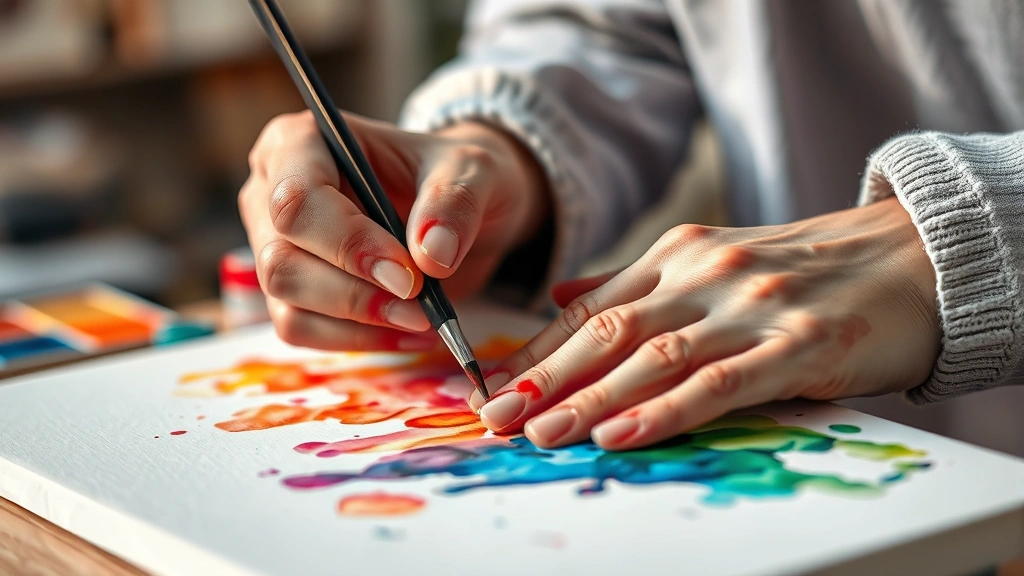
Dialectical behavior therapy (DBT) incorporates art-making as a distress tolerance and emotion regulation skill. Mindfulness-based approaches pair naturally with art therapy, as the creative process inherently cultivates present-moment awareness and non-judgmental observation. When individuals focus on brush strokes, color mixing, or sculptural form, they naturally enter meditative states that support broader mindfulness development.
Family therapy contexts benefit from collaborative art projects that reveal relational patterns and communication styles. Group art therapy sessions build community, reduce isolation, and normalize diverse experiences of mental health challenges. The therapeutic alliance strengthens when clients feel their unique communication styles are welcomed and valued within treatment.
The Role of the Art Therapist
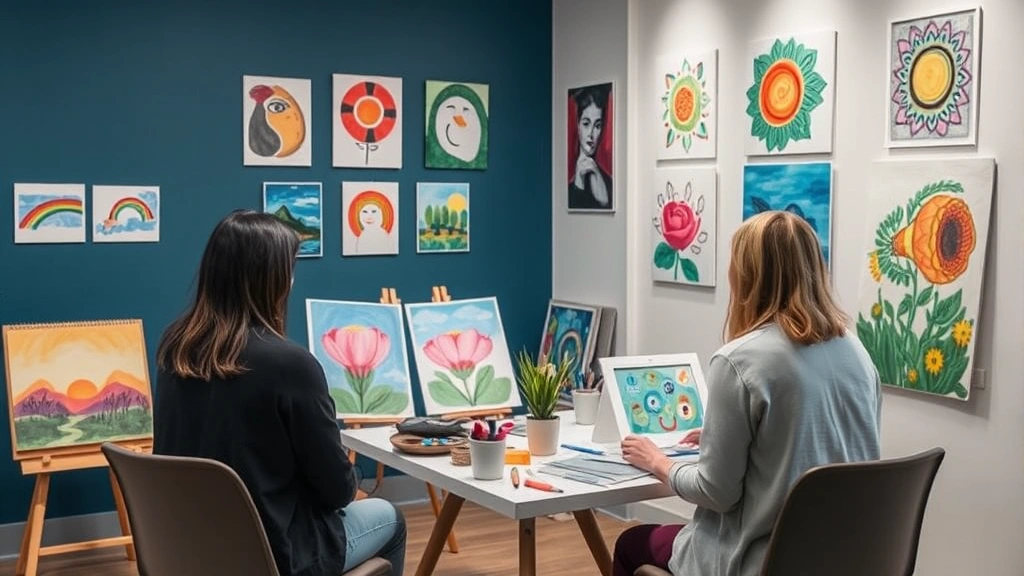
Art therapists complete specialized graduate-level training combining psychology, neuroscience, human development, and artistic practice. Board certification through the Art Therapy Credentials Board (ATCB) ensures practitioners meet rigorous education and supervised experience requirements. This specialized training distinguishes art therapists from general mental health counselors or art teachers.
Effective art therapists maintain dual expertise—deep psychological understanding alongside substantial artistic skill and practice. They understand diagnostic criteria, treatment planning, and mental health conditions while also possessing the technical knowledge to guide clients through various artistic media safely and effectively. The therapeutic stance balances gentle guidance with respect for client autonomy and creative choice.
Art therapists in clinical settings conduct thorough assessments, establish clear treatment goals, and document progress systematically. They interpret artwork thoughtfully, always centering the client’s own meanings and associations rather than imposing predetermined symbolic interpretations. This client-centered approach respects individual agency and cultural context.
Contemporary art therapists increasingly work in diverse settings—hospitals, schools, community mental health centers, private practice, and specialized facilities serving trauma survivors, veterans, and individuals with chronic illness. Some specialize in specific populations, such as children, adolescents, older adults, or those with particular diagnoses. This specialization allows for developmentally appropriate and condition-specific intervention strategies.
Real-World Applications and Outcomes
Research published in peer-reviewed journals consistently demonstrates art therapy’s effectiveness. A meta-analysis in the American Psychological Association’s research database found significant improvements in anxiety, depression, and overall quality of life for art therapy participants. Effect sizes compare favorably with other established therapeutic interventions.
In hospital settings, art therapy reduces pain perception, supports medical treatment adherence, and facilitates emotional processing of serious illness. Cancer patients report decreased anxiety and improved coping following art therapy participation. Pediatric patients undergoing invasive procedures show reduced trauma responses when art therapy precedes medical interventions.
Schools increasingly employ art therapists to address student mental health challenges, behavioral issues, and academic stress. Art therapy groups in educational settings reduce bullying, improve social skills, and create inclusive communities where diverse students feel valued. Dropout rates decrease when schools implement comprehensive mental health support including art therapy.
Veterans and trauma survivors demonstrate significant symptom reduction through art therapy, particularly for PTSD and moral injury. The non-verbal processing capacity of art therapy proves especially valuable for those whose trauma overwhelms verbal language systems. Community art therapy programs serve underresourced populations, providing culturally competent mental health support.
Workplace wellness programs increasingly incorporate art therapy for stress reduction and team building. Brief art-making sessions during work breaks improve focus, creativity, and interpersonal connection. Organizations report decreased absenteeism and improved employee satisfaction when art therapy access is available.
Long-term outcomes research shows that individuals who engage in regular art therapy practice develop sustained improvements in emotional regulation, self-esteem, and overall psychological functioning. The skills developed—creative problem-solving, emotional expression, self-awareness—transfer to life domains beyond the therapy room, supporting lasting change.
FAQ
What is the difference between art therapy and art classes?
Art therapy is a clinical mental health intervention guided by trained professionals with psychological expertise, focusing on therapeutic goals and emotional processing. Art classes emphasize skill development and aesthetic creation. While both involve artistic engagement, art therapy specifically targets mental health outcomes within a therapeutic relationship.
Do I need artistic talent to benefit from art therapy?
Absolutely not. Artistic skill is irrelevant to therapeutic benefit. Art therapy values authentic expression over technical proficiency. Many individuals benefit precisely because they release perfectionism and allow themselves genuine creative exploration without judgment.
How long does art therapy take to show results?
Some individuals report immediate stress reduction and mood improvement after single sessions. However, meaningful psychological change typically develops over weeks and months of consistent engagement. Most therapeutic benefit accumulates through ongoing practice and deepening self-awareness.
Is art therapy covered by insurance?
Coverage varies significantly by insurance provider and plan. Art therapy provided by licensed professionals in clinical settings has increasing insurance coverage. Exploring specific coverage details with your insurance provider and therapist is recommended before beginning treatment.
Can art therapy be combined with medication?
Yes, art therapy integrates well with psychiatric medication. The two approaches address mental health through different mechanisms—medication typically affects neurochemistry while art therapy facilitates psychological processing and skill development. Many individuals benefit from combined approaches tailored to their specific needs.
What should I expect in my first art therapy session?
Initial sessions typically involve assessment and relationship-building. Your therapist will discuss your mental health history, current concerns, and treatment goals. You’ll explore available art materials and discuss what feels comfortable. The emphasis remains on creating a safe, welcoming environment where authentic expression becomes possible.