Can Art Therapy Improve Mood? Expert Insights and Research
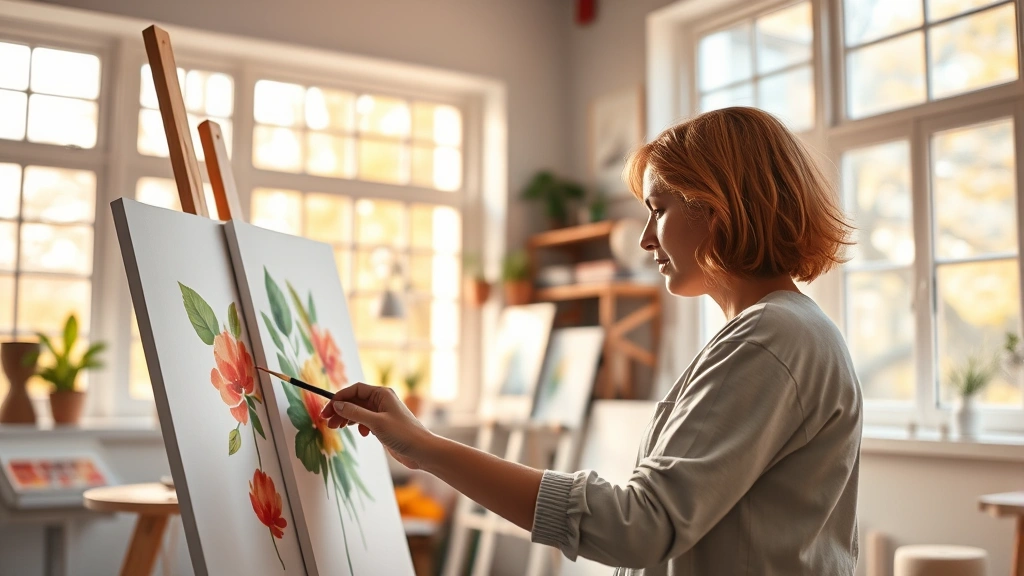
Art therapy has emerged as a compelling therapeutic approach that combines creative expression with psychological healing. Unlike traditional talk therapy, art therapy leverages the power of artistic creation—painting, drawing, sculpture, and other visual media—to help individuals process emotions, reduce stress, and improve overall mental well-being. The question of whether art therapy can genuinely improve mood has attracted significant attention from mental health professionals, neuroscientists, and researchers worldwide.
The evidence supporting art therapy’s mood-boosting benefits is increasingly robust. Numerous clinical studies demonstrate that engaging in creative activities can lower cortisol levels, reduce anxiety, and enhance emotional regulation. Whether you’re struggling with depression, experiencing work-related stress, or simply seeking better mental health management, understanding how art therapy works and its proven benefits can help you determine if this approach is right for you.
What Is Art Therapy and How Does It Work?
Art therapy is a mental health profession that uses the creative process of making art to improve and enhance physical, mental, and emotional well-being. Certified art therapists combine knowledge of human development, psychology, and visual arts with an understanding of how creative expression facilitates healing and growth. This therapeutic modality recognizes that the creative process itself—not just the finished artwork—holds therapeutic value.
The fundamental principle underlying art therapy is that creative expression provides an alternative pathway to processing difficult emotions and experiences. When words fail us, art provides a non-verbal channel for communication. A person struggling to articulate their anxiety might paint it, draw it, or sculpt it, thereby externalizing internal experiences in ways that become more manageable and understandable.
Art therapy works through several interconnected mechanisms. First, the act of creating art engages the brain’s reward system, releasing dopamine and other neurotransmitters associated with pleasure and motivation. Second, focused artistic activity can induce a state of flow—a psychological state of complete immersion where worries temporarily fade. Third, the symbolic nature of art allows individuals to explore and express emotions that may be too overwhelming to discuss directly.
Unlike traditional therapy, which relies heavily on verbal processing, art therapy honors the reality that not all experiences can be adequately expressed through language. A trauma survivor might find that drawing or painting their experience provides relief that talking alone cannot achieve. Similarly, individuals with autism spectrum disorder or language processing difficulties often benefit significantly from art therapy’s non-verbal approach.
The Science Behind Art Therapy and Mood Improvement
Neuroimaging studies have provided compelling evidence for art therapy’s effectiveness at the biological level. Research published in peer-reviewed journals demonstrates that creative activities activate the default mode network in the brain—a network associated with self-reflection, emotional processing, and mood regulation. When individuals engage in art-making, particularly in a therapeutic context, measurable changes occur in brain regions responsible for emotional control and stress response.
A landmark study from Frontiers in Psychology examined cortisol levels—the primary stress hormone—in individuals before and after art-making sessions. Participants who engaged in creative activities for just 45 minutes showed significantly reduced cortisol levels compared to control groups, regardless of artistic skill or experience. This finding is particularly significant because elevated cortisol is directly linked to depression, anxiety, and impaired immune function.
The Journal of the American Art Therapy Association has published extensive research demonstrating that art therapy activates the prefrontal cortex, the brain region responsible for emotional regulation and decision-making. This activation helps individuals develop greater emotional awareness and control, essential components of mood improvement. Additionally, art therapy stimulates the production of serotonin and norepinephrine, neurotransmitters crucial for mood stability.
Research on mindfulness and art therapy reveals significant overlap in their neurological effects. Both practices activate similar brain regions and produce comparable reductions in activity within the amygdala—the brain’s threat-detection center. This means that art therapy can produce anxiety-reducing effects comparable to meditation or other mindfulness practices, making it an excellent option for individuals seeking evidence-based mood enhancement.
The creative process also engages neuroplasticity—the brain’s ability to form new neural connections throughout life. By regularly engaging in art therapy, individuals essentially rewire their brains, strengthening pathways associated with positive mood, resilience, and emotional flexibility. This neuroplastic benefit explains why art therapy often produces lasting improvements in mood and emotional well-being, rather than temporary relief.
Specific Mood Disorders and Art Therapy Benefits
Depression represents one of the most researched applications of art therapy. Individuals with depression often experience a narrowing of perspective and difficulty accessing motivation. The externalizing nature of art therapy—creating something tangible outside oneself—can help break this cycle. A person with depression might create dark, heavy paintings initially, but over time, colors become brighter, compositions more complex, and themes more hopeful. This artistic progression often mirrors and facilitates actual mood improvement.
For anxiety disorders, including the generalized anxiety that many experience, art therapy provides a dual benefit: the meditative focus required during creative work reduces immediate anxiety symptoms, while the symbolic processing of worries through art helps address underlying anxiety patterns. Many therapists recommend CBT for generalized anxiety disorder alongside art therapy to address anxiety comprehensively.
Post-traumatic stress disorder (PTSD) represents another area where art therapy shows remarkable efficacy. Traditional talk therapy, while valuable, can sometimes retraumatize individuals by forcing them to verbally recount traumatic experiences. Art therapy allows trauma processing at a gentler pace. A trauma survivor might begin by creating abstract art that represents their emotional state, gradually moving toward more concrete imagery as they develop emotional capacity. This non-linear, art-based approach respects the nervous system’s healing timeline.
Bipolar disorder and mood cycling can also benefit from art therapy, particularly when integrated with medication and other treatments. During manic episodes, art-making can provide a constructive channel for elevated energy and creativity. During depressive episodes, the motivational aspects of art therapy help combat withdrawal and isolation. The consistent engagement in creative practice also helps stabilize mood fluctuations over time.
Individuals struggling with grief and loss often find art therapy invaluable. Creating memorial artwork, exploring feelings through color and form, or documenting the journey through loss can facilitate healthy grieving. Art therapy acknowledges that grief is not a problem to solve but an experience to honor and integrate—something verbal therapy alone sometimes fails to accomplish.
Art Therapy Techniques for Emotional Wellness
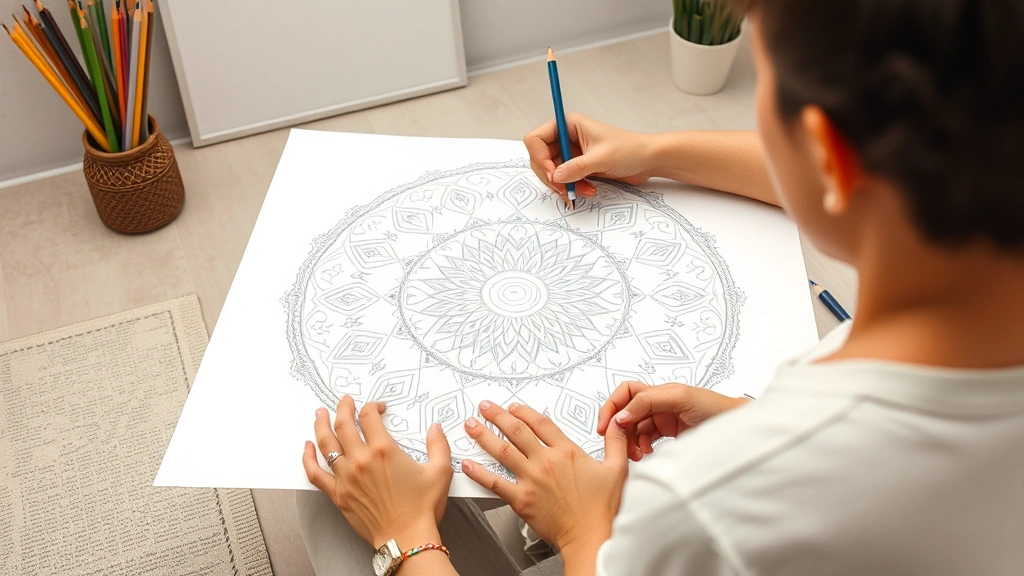
Professional art therapists employ numerous specific techniques designed to target mood improvement. Mandala creation, for instance, is a structured drawing practice that combines meditative focus with creative expression. The circular, repetitive nature of mandala-making activates the parasympathetic nervous system—the body’s relaxation response—while the creative choices within the structure allow for emotional expression.
Collage work offers another powerful technique, particularly for individuals who feel intimidated by blank canvases. By selecting and arranging images and words from magazines, individuals externalize their internal emotional landscape. The choices they make—which images attract them, which colors they prefer, how they arrange elements—reveal and facilitate processing of emotional content. This technique proves especially effective for exploring identity, values, and emotional states.
Color work in art therapy deserves special attention. Research demonstrates that specific colors correlate with mood states and that consciously engaging with color can shift emotional states. Warm colors like red, orange, and yellow tend to energize and uplift, making them valuable for depression. Cool colors like blue and purple can soothe and calm, benefiting anxiety. Art therapists help clients understand their personal color associations and use this knowledge intentionally for mood regulation.
Sculpture and three-dimensional art-making provide unique benefits for mood improvement. Unlike two-dimensional art, sculpture engages the entire body in the creative process, incorporating physical movement and spatial awareness. This embodied creativity can be particularly beneficial for individuals with anxiety or trauma, as it helps integrate mind and body awareness.
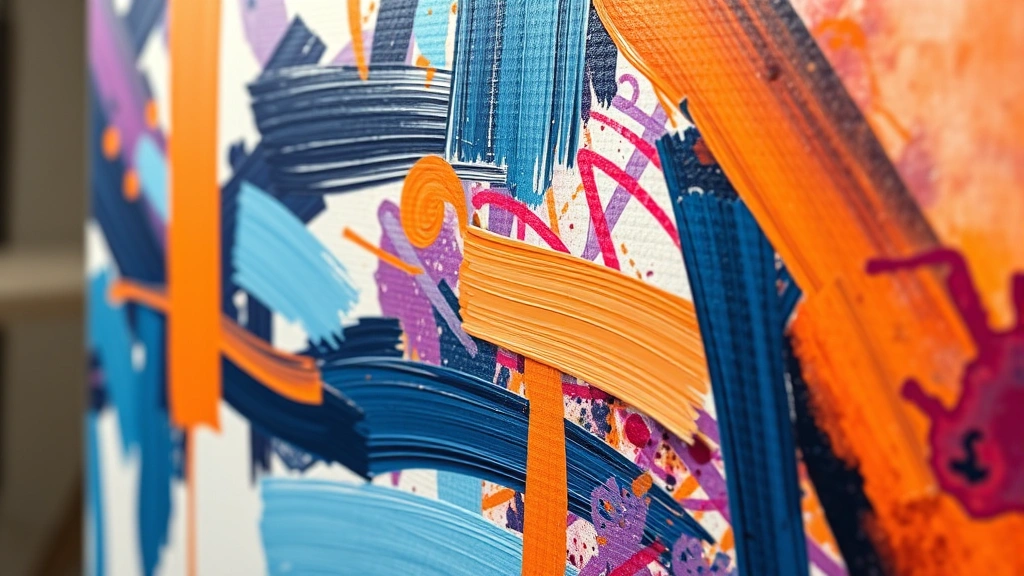
Expressive painting without predetermined subjects—sometimes called free or spontaneous painting—allows unconscious emotions to emerge directly onto the canvas. This unstructured approach can feel liberating for individuals whose mood struggles stem partly from over-control or perfectionism. The permission to create without judgment or predetermined outcome often produces profound emotional release and mood improvement.
Comparing Art Therapy to Other Therapeutic Approaches
While therapy resources and information abound, understanding how art therapy compares to other modalities helps inform treatment decisions. Art therapy differs fundamentally from talk therapy in its reliance on creative expression rather than verbal processing. This distinction matters significantly for individuals who struggle with verbal articulation or who have experienced that traditional therapy alone hasn’t produced desired mood improvements.
Compared to cognitive-behavioral therapy (CBT), art therapy operates differently but complementarily. CBT directly targets thought patterns and behaviors, while art therapy works more through emotional and sensory channels. Many mental health professionals recommend integrating both approaches—using CBT to address specific thought distortions while using art therapy for emotional processing and mood regulation. This integrated approach often produces superior outcomes compared to either modality alone.
Art therapy shares some similarities with other creative therapies like music therapy or dance/movement therapy. All leverage the therapeutic power of creative expression. However, art therapy’s visual, non-temporal nature differs from music’s auditory, time-based qualities or dance’s kinetic emphasis. Some individuals respond better to visual creativity, while others connect more deeply with music or movement—understanding these preferences helps optimize therapeutic outcomes.
Compared to medication alone, art therapy offers a non-pharmacological approach to mood improvement. While medication can be essential and highly effective, particularly for moderate to severe depression or anxiety, art therapy provides sustainable, skill-building benefits that extend beyond symptom management. Many individuals benefit from combining medication with art therapy, addressing biological factors through pharmacology while building psychological resilience through creative practice.
The advantage of art therapy over purely self-help creative activities lies in the therapeutic relationship and professional expertise. While personal artistic practice certainly offers mood benefits, working with a trained art therapist ensures that the creative process specifically targets therapeutic goals. Art therapists understand how to facilitate emotional breakthroughs, navigate resistance, and structure creative work for maximum therapeutic benefit.
Getting Started with Art Therapy
If you’re interested in exploring art therapy for mood improvement, several pathways exist. Finding a certified art therapist represents the gold standard approach. The Art Therapy Credentials Board (ATCB) maintains registries of credentialed professionals who have completed rigorous training, supervised practice hours, and examination requirements. A qualified art therapist will conduct an initial assessment, understand your specific mood concerns, and develop a tailored treatment plan.
When seeking an art therapist, consider whether you want individual or group sessions. Individual therapy provides personalized attention and deeper exploration of specific mood challenges. Group art therapy offers additional benefits including community, normalization of struggles, and learning from others’ experiences. Many therapists offer both modalities, and some individuals benefit from combining them.
If professional art therapy isn’t immediately accessible due to cost, location, or other barriers, informal art-making can still provide mood benefits. The research supports the value of creative engagement even without formal therapeutic structure. However, for significant mood disorders, professional guidance proves invaluable in ensuring that the creative work effectively addresses underlying issues rather than simply providing temporary distraction.
Creating a personal art practice can complement professional art therapy. Setting aside regular time—even 15-30 minutes weekly—for creative expression builds resilience and mood stability. You needn’t possess artistic skill; the therapeutic value lies in the process of creation, not the quality of the finished product. Many individuals find that consistent creative practice becomes as valuable for mood management as exercise or meditation.
For those exploring broader therapeutic support, understanding various therapy modalities helps optimize your treatment approach. Whether you’re considering physical therapy in Las Vegas for pain-related mood impacts or exploring psychological therapies, a comprehensive approach addressing multiple dimensions of wellness produces best results. Similarly, career considerations matter for well-being; exploring occupational therapy jobs or speech therapy jobs near me might reveal fulfilling professional paths aligned with mental health interests.
Emerging research also explores complementary approaches to mood enhancement. Benefits of red light therapy include mood improvement through biological mechanisms, which can combine effectively with art therapy’s psychological benefits. A truly comprehensive approach to mood improvement often integrates multiple evidence-based modalities tailored to individual needs and preferences.
FAQ
Can art therapy replace medication for depression?
Art therapy should not replace medication for moderate to severe depression without medical guidance. However, it can be an excellent complementary treatment alongside medication. Many individuals benefit from combining pharmacological treatment with art therapy and other psychological interventions. Always consult with a psychiatrist or physician before making changes to medication regimens.
Do I need to be artistically talented to benefit from art therapy?
Absolutely not. Art therapy’s therapeutic value derives from the creative process, not artistic skill or the quality of the finished artwork. In fact, perfectionism about artistic ability can sometimes interfere with the therapeutic process. Art therapists specifically work with individuals of all skill levels, and trained therapists help clients move beyond self-judgment about their creations.
How quickly does art therapy improve mood?
Some individuals experience mood improvements after a single session, while others require several weeks of consistent engagement. Most research suggests that meaningful, sustained mood improvement develops over 8-12 weeks of regular art therapy practice. However, individual responses vary significantly based on the severity of mood disturbance, underlying causes, consistency of engagement, and integration with other treatments.
What types of art work best for mood improvement?
Different artistic mediums serve different therapeutic purposes. Painting and drawing offer accessibility and immediate emotional expression. Sculpture and three-dimensional work engage the body and spatial awareness. Collage provides a less intimidating entry point for some individuals. Working with a trained art therapist helps identify which mediums best serve your specific mood needs and therapeutic goals.
Is art therapy evidence-based?
Yes, art therapy is increasingly recognized as evidence-based. Peer-reviewed research in journals like the American Journal of Art Therapy and others demonstrates measurable improvements in mood, anxiety, depression, and trauma symptoms. Professional organizations including the American Psychological Association recognize art therapy as a legitimate mental health intervention when delivered by trained, credentialed practitioners.
Can art therapy help with anxiety?
Yes, art therapy effectively reduces anxiety through multiple mechanisms. The focused, meditative quality of art-making activates the parasympathetic nervous system. The process of externalizing anxiety through creative expression makes it more manageable. Research demonstrates that art therapy produces anxiety reductions comparable to other evidence-based interventions, making it a valuable tool for anxiety management.
How do I find a qualified art therapist?
The Art Therapy Credentials Board (ATCB) maintains a registry of credentialed art therapists who have met rigorous professional standards. You can search their directory by location and specialty. Additionally, contacting your insurance provider, local mental health clinics, or university psychology departments can help identify qualified practitioners in your area. Ensure any therapist you consider holds ATCB credentials or equivalent professional certification.